- Mode Studiengänge
- Design Studiengänge
- Kunst Studiengänge
- Beauty Studiengänge
- Berufliche Weiterbildung
- Luxushospitality Studiengänge
- Kurzkurse
- Hochschulen
- Zulassung
- Maze35 Magazine
- Newsroom
- I'M Alumni
- Karriere & Branchenkontakte
- Universität Partnerschaften
- Kontakt

AI for Accessories Designers
In einem sich schnell verändernden globalen Kontext startet das Istituto Marangoni seine neue FÜR FACHLEUTE Abteilung: flexible, innovative Ausbildung, die kreative und leitende Fachkräfte in Mode, Design und Schönheit unterstützt, indem sie die fortschrittlichsten Tools für die digitale Transformation integriert.
Am Ende des Kurses erhalten die Teilnehmer ein Zertifikat des Istituto Marangoni
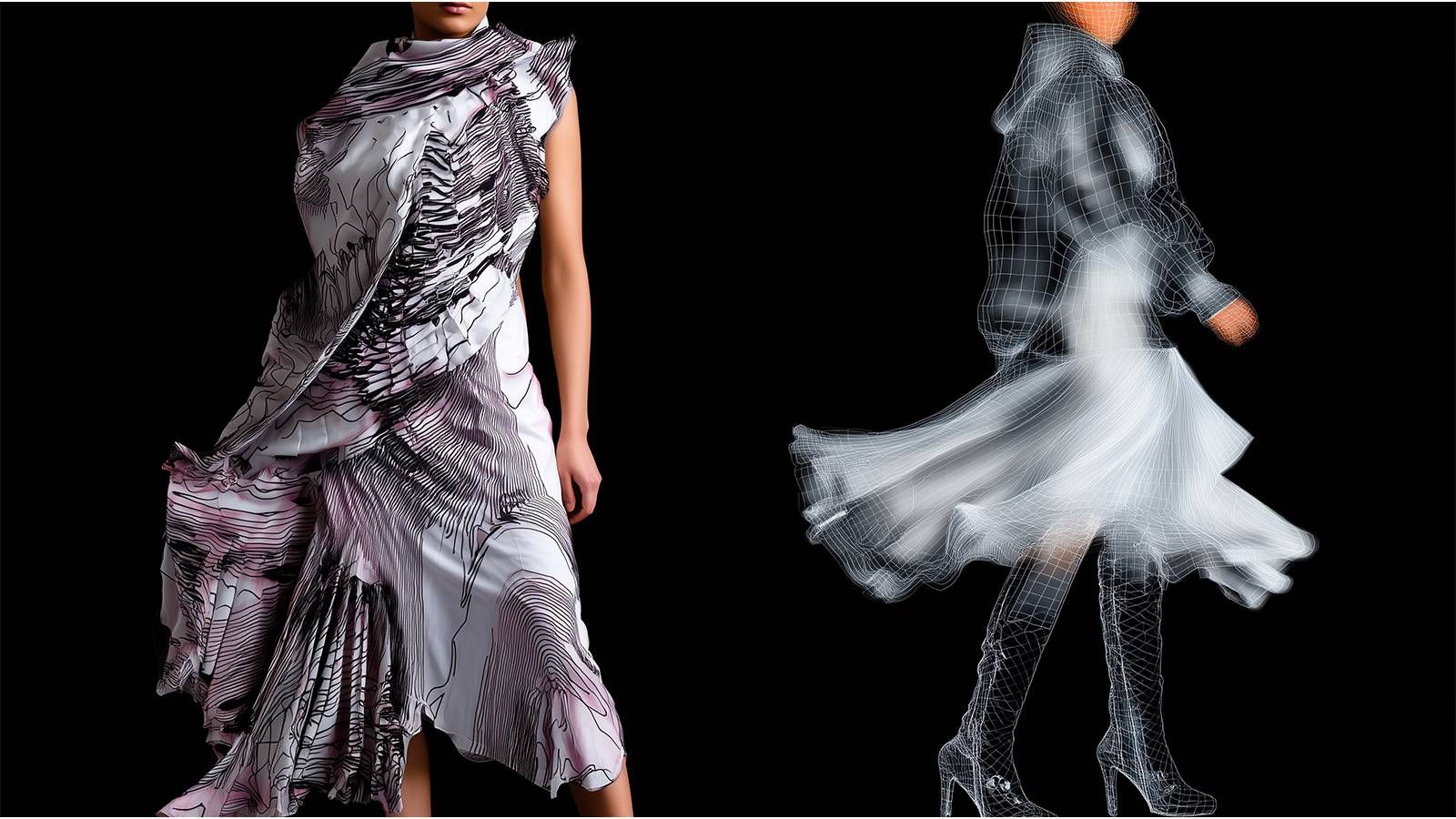
Dieses professionelle Programm untersucht, wie künstliche Intelligenz die Gestaltung und Entwicklung von Modeaccessoires verändert, indem es Designern ermöglicht, die Forschung zu beschleunigen, innovative Konzepte zu generieren, Produkte schneller zu visualisieren und Entwicklungs-Workflows zu optimieren.
Teilnehmer werden lernen, wie AI den gesamten Accessoire-Designprozess unterstützen kann, von der Trendprognose und Konzepterstellung bis hin zur Skizzenentwicklung, Materialforschung, Prototyping und Produktkommunikation. Durch eine Kombination aus theoretischem Lernen, praktischen Workshops und Brancheneinbindung bietet der Kurs sowohl ein strategisches als auch ein kreatives Verständnis von AI als Werkzeug für Innovationen im Luxus-Accessoire-Sektor.
Es wird besonderes Augenmerk auf Handtaschen, Schuhe, kleine Lederwaren, Schmuck und Modeaccessoires gelegt, während ein starker Fokus auf Urheberschaft, Nachhaltigkeit und verantwortungsvolle AI-Implementierung beibehalten wird.
Dieser Kurs richtet sich an:
- Zubehör-Designer, die bestrebt sind, KI in ihren kreativen Workflow zu integrieren.
- Fachleute für Schuhe, Handtaschen, Lederwaren und Schmuck, die an zukunftsorientierten Designmethoden interessiert sind.
- Kreative Direktoren und Produktentwickler, die bestrebt sind, die Effizienz durch KI-gestützte Prozesse zu verbessern.
- Absolventen und Fachleute im Bereich Mode, Luxuszubehör und Produktdesign.
Die Teilnehmer sollten über ein grundlegendes Verständnis von Mode- oder Accessoires-Design verfügen.
Bis zum Ende dieses Kurses werden die Teilnehmer in der Lage sein:
- KI-Tools zur Prognose von Trends und zur Identifizierung von Marktmöglichkeiten anzuwenden.
- Zubehörkonzepte durch KI-gestützte kreative Prozesse zu entwickeln.
- KI in die Produktentwicklung und Prototyping-Workflows zu integrieren.
- Professionelle Visualisierungen und Präsentationen für Zubehörkollektionen zu erstellen.
- Produkte strategisch mit Hilfe von KI-gesteuerten Erkenntnissen zu positionieren und zu kommunizieren.
- Innovative Designprojekte zu leiten, die Kreativität, Handwerkskunst und aufstrebende Technologien kombinieren.
Nach Abschluss haben die Teilnehmer entwickelt:
- Ein KI-gestütztes Accessoires-Design-Portfolio.
- Eine komplette Accessoires-Minikollektion von der Konzeption bis zur Präsentation.
- Professionelle Kompetenz in KI-Tools, die für Design, Visualisierung und Kommunikation verwendet werden.
- Strategisches Verständnis für die Integration von KI in Accessoires-Entwicklungsworkflows.
- Branche-Kenntnisse über aufstrebende Technologien, die die Zukunft von Luxus-Accessoires gestalten.
Module 1 (Weeks 1–4)
AI in Trend Forecasting & Product Conceptualization
Theme: From Market Insight to AI-Supported Creative Direction
This module introduces participants to the role of AI in identifying emerging consumer behaviors, forecasting trends, and generating innovative product opportunities. Students learn how to transform data-driven insights into strategic creative directions for accessories collections.
Key Topics:
• AI-powered trend forecasting and cultural research
• Consumer behavior and sentiment analysis
• Generative AI for moodboards and concept development
• Building visual narratives with AI
• Ethics and authorship in AI-assisted design
Learning Output:
An AI-curated trend report and conceptual proposal for an accessories collection.
Module 2 (Weeks 5–8)
AI in Product Development & Virtual Prototyping
Theme: Accelerating Accessory Development through AI
Participants explore how AI supports product development through material research, digital prototyping, visualization, and workflow optimization. The module introduces virtual development processes used across luxury accessory sectors.
Key Topics:
• AI-assisted material sourcing and selection
• Digital prototyping workflows
• Virtual product visualization
• Predictive costing and sustainability analysis
• AI tools for product refinement and iteration
Learning Output:
A digitally developed accessory prototype supported by material, technical, and visual documentation.
Module 3 (Weeks 9–12)
AI-Assisted Accessories Design & Visual Development
Theme: From Sketch to Design Proposal
This module focuses specifically on the creative design process for accessories. Participants learn how to use AI tools such as LookAI, Vizcom, Krea.ai, Firefly, and other emerging platforms to generate, develop, and refine design concepts.
Key Topics:
• Prompt engineering for accessories design
• AI-generated sketching and ideation
• Handbag, footwear, jewelry, and small leather goods development
• Visual exploration through LookAI and image-generation tools
• Rapid iteration and concept evaluation
• Design storytelling and collection building
Learning Output:
A complete AI-assisted accessories mini collection including sketches, renderings, colorways, and material proposals.
Module 4 (Weeks 13–14)
AI for Accessories Branding, Communication & Market Positioning
Theme: Transforming Design Concepts into Market-Ready Narratives
The module focuses on how AI can support branding, product storytelling, communication strategies, and market positioning for accessories collections. Participants learn how to communicate their projects effectively and strategically.
Key Topics:
• AI-powered brand storytelling
• Visual campaign generation
• Consumer profiling and target audience analysis
• Product positioning and pricing strategies
• Portfolio and presentation development
• AI-supported communication and content creation
Learning Output:
A professional presentation package including collection narrative, market positioning strategy, branding proposal, and AI-enhanced visual communication materials.
Module 4 (Weeks 15–16) – Experiential Weeks: Industry Immersion
Innovation, Craftsmanship, and Luxury Accessories
Theme: Innovation, Craftsmanship, and Luxury Accessories
Participants experience first-hand how AI and innovation are being integrated within the luxury accessories industry through field visits, workshops, and professional networking opportunities.
Experiential Activities:
• Visits to luxury accessories manufacturers and ateliers
• Meetings with footwear, leather goods, and jewelry professionals
• Workshops on craftsmanship and digital innovation
• Presentations from AI technology providers and creative leaders
• Case studies from leading luxury brands
Learning Output:
An industry insights report connecting AI innovation with contemporary accessories development practices.






 KONTAKTAUFNAHME ÜBER WHATSAPP