
Chiltern Firehouse: Why London’s most exclusive places matter more when they’re gone

After the fire, Chiltern Firehouse revealed something deeper: why exclusivity still defines who belongs in London today
You don’t need to have been inside Chiltern Firehouse to feel its absence. When it caught fire, thousands of people online reacted to the loss of a place they had never visited, and in some cases had never even heard of. Yet something about it captured attention: a fleeting sense of being momentarily close to power, as if, in that instant, it laid bare its underlying structure—along with the feeling of being where things unfold.
So, what happens when one of London’s most exclusive spaces suddenly disappears? The fire not only damaged the building but also exposed the fragile interplay between elusiveness and visibility, belonging and aspirational desire, and the social hierarchies that surround them.
Written from the perspective of an outsider, this piece offers a sharp, ironic reflection on London’s elite and the mythology that sustains it. Moving between TikTok commentary and walks through Marylebone, digital discourse and personal observation, it explores the constructed nature of exclusivity, the performative dimension of status, and the blurred line between insiders and spectators in contemporary urban culture.
What is certain is that in London—perhaps more than in other global cities—exclusivity depends on being perceived without ever fully revealing itself. It resides in understated signals that are never made explicit, and in venues designed as much to be imagined as experienced. This essay asks what remains when one of these destinations vanishes, and why the desire to belong intensifies, sometimes even beginning, only once the door has closed.
Why We Want Access to Places That Exclude Us
I had never been to Marylebone before, but it felt a bit like being in Prati in Rome. Since I lived in the city, I thought I would have the chance to experience many things for the first time, such as dining at the renowned Chiltern Firehouse restaurant or even spending a night there, hoping to embrace my very own “Posh British Era”—or perhaps not.
Ironically, last year on Valentine’s Day, this former Victorian fire station, built in 1889 and transformed into a chic and ultra-exclusive five-star hotel, caught fire. Among the tragic events flagged across the news, it raises a pointed question for me: where will all the Personnes Privées (PP)—the VIPs and celebrities whimsically referred to by the founder André Balazs—gather now?
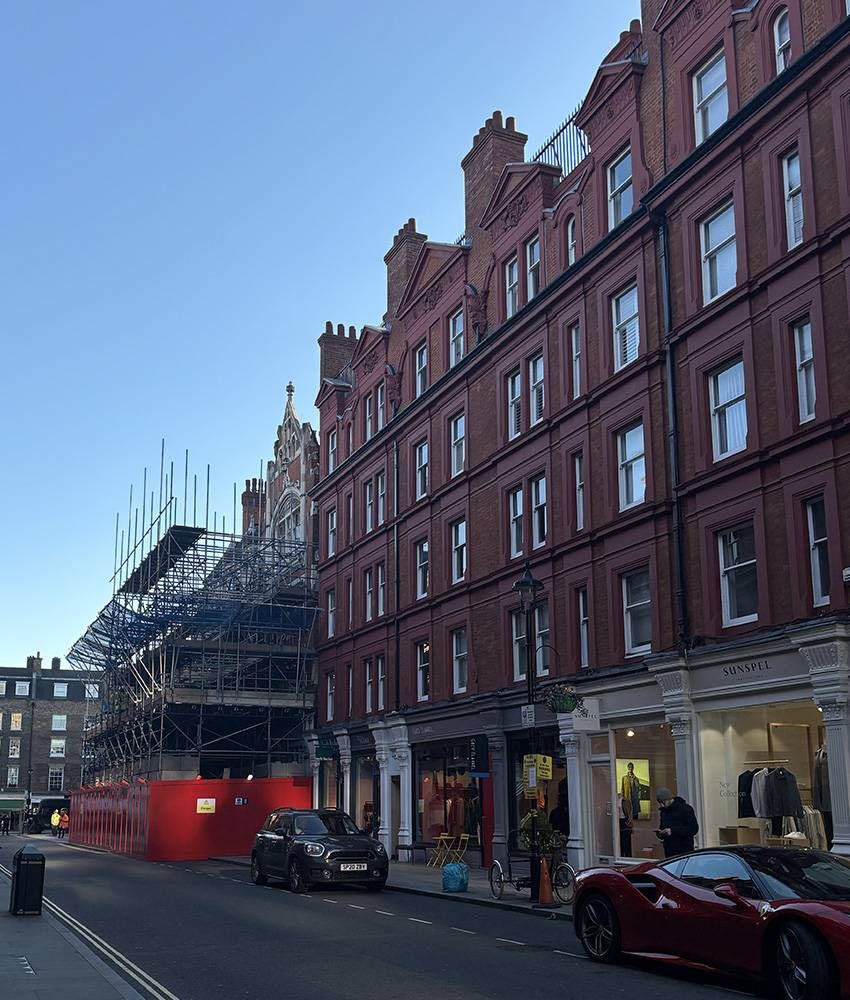
Chiltern Street after the fire: red-brick architecture, luxury storefronts and controlled access illustrate London’s culture of status and visibility. Courtesy of the author.
What the Fire at Chiltern Firehouse Revealed About Status in London
Chiltern Firehouse seemed to be the quintessential destination for those who mattered, or wannabes, and where being seen was nothing short of imperative.
After the damage, I chose to walk down Chiltern Street to form my own opinion. Before the location scouting, I conducted a brief inquiry into Gen Z’s preferred source of information (which I am a part of), and guess what? TikTok emerged as the top pick.
How Social Media Exposed the Myth of Exclusive Places
Unsurprisingly, an array of verified users lamented the loss of what they considered their beloved haunt.
However, these sentiments were swiftly overshadowed by a flood of comments from ordinary individuals—or, to borrow Balazs’ terminology, civilians—who had only learned of the place following its unfortunate fate.
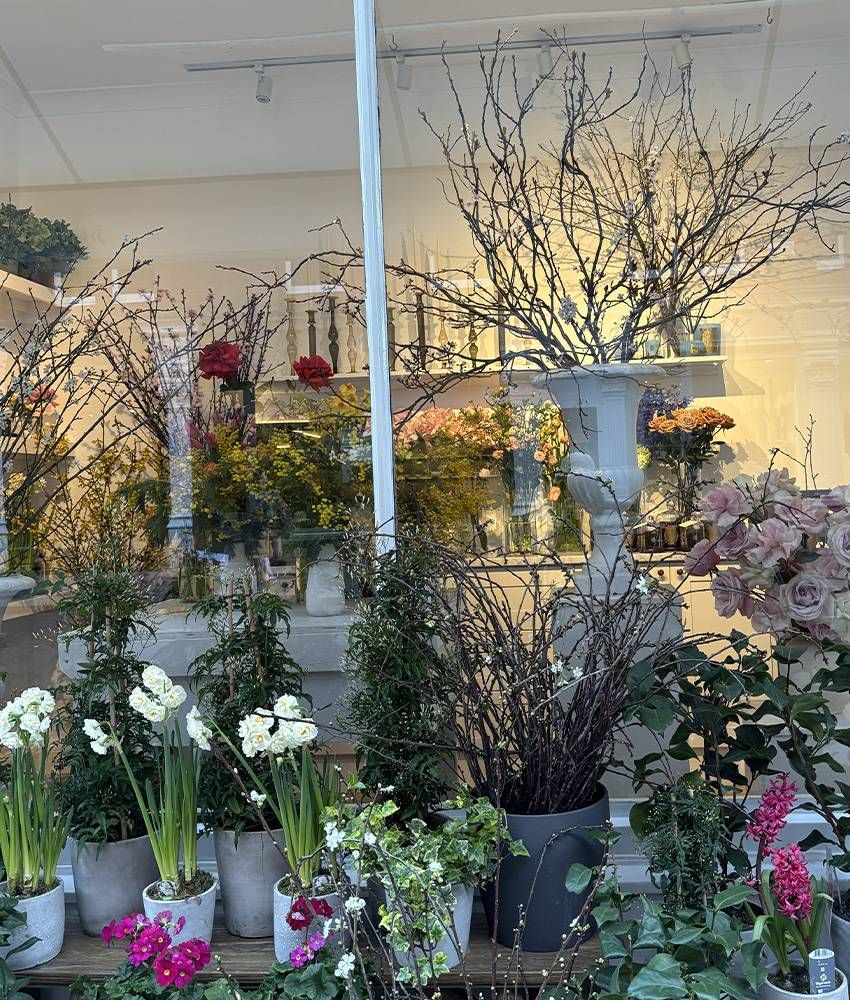
Walking through Marylebone, boutique windows and curated displays reveal London’s understated exclusivity, central to the Chiltern Firehouse story. Courtesy of the author
Marylebone and the Illusion of Effortless Wealth
On a sunlit Tuesday afternoon, strolling through these streets, one is enveloped in an atmosphere that “smells of Chanel, while you wear patchouli.”
The red-brick buildings stand in understated grandeur, while a Ferrari, casually parked beside the hotel under renovation, adds a touch of ostentatious nonchalance. The micro-boutiques bear single-word, evocative names, hint delicately at the treasures within.
The Quiet Performance of Status in Plain Sight
I sipped an organic coffee, of course, at Monocle—a café where minimalist design meets quiet luxury, with more employees than the space seemed capable of containing. The three downstairs tables were swiftly claimed by effortlessly chic young men in their Velasca shoes, freshly purchased from the boutique across the street, so engrossed in their MacBooks that they failed to register the passage of time.
A little further along, through the window of a perfumery, I noticed a woman meticulously massaging the paws of her poodle, whose posture, perfectly poised, could have rivalled Naomi Campbell’s. And somehow, all of it made perfect sense.
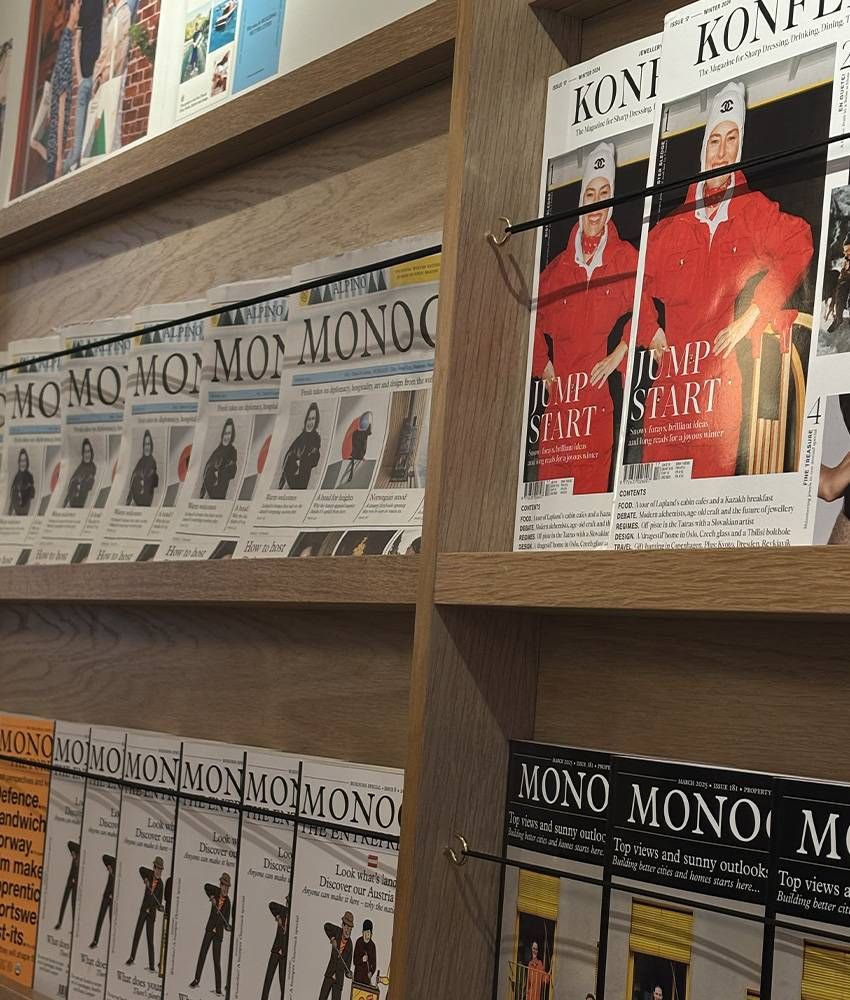
During the visit, Monocle café reflects Marylebone’s quiet luxury and editorial culture, as described in the Chiltern Firehouse narrative. Courtesy of the author
Who Gets In, Who Stays Out—and Why It Matters More Than Ever
For now, and likely for years to come, I won’t be crossing “Stayed at the Chiltern Firehouse” off my list. In the meantime, I shall attempt to transcend my civilian status, just in time for its grand reopening.