
Why Korean fashion is everywhere right now and how it’s changing global style

Meta Korean fashion is redefining global style. From Seoul to Milan, here’s why it’s everywhere right now and what’s driving its rise
Korean fashion isn’t just having a moment—it’s becoming part of how global style works, from K-pop stages to Milan runways. What makes it so compelling isn’t just the clothes, but the system around them. In Seoul, music, street culture and design feed into each other, creating a visual language that travels fast. That’s why the city is increasingly seen as a new fashion capital, and why its influence now reaches far beyond its own scene. Events like Milan Loves Seoul show how this energy connects with Italian craftsmanship and why Korean fashion continues to resonate globally.
Held at Palazzo Bovara during the latest Milano Fashion Week, Milan Loves Seoul FW26 reaffirmed how much contemporary fashion—Korean fashion in particular—thrives on cultural exchange. The project brings together Korean design and Italian craftsmanship through masterclasses, talks, exhibitions, and public runway shows in both Milan and Seoul, with sustainability and innovation at its core.
This edition’s special guest was singer Gaho, a familiar voice to K-drama fans. His most iconic track, Start Over—the theme song of Itaewon Class starring Park Seo-joon and Kim Da-mi—made him famous worldwide. In Milan, he joined the official press conference and a fan meeting sponsored by Samsung, drawing an audience that stretched well beyond the usual fashion crowd.
Why Seoul Is Redefining the Global Fashion Landscape
Instead of emerging through the traditional fashion system, Seoul has evolved alongside it and is now influencing its direction. In recent years, it has become the unofficial fifth fashion capital, alongside Milan, Paris, New York and London, which helps explain why Korean fashion feels so relevant right now.
What sets Seoul apart from Paris or Milan isn’t heritage, but the way different creative worlds overlap. K-pop, street style and visual direction merge constantly—a mix that defines many Korean fashion trends.
If you walk through Hongdae or Itaewon, you see ideas before they reach the West: engineered layering, proportions that look wrong until suddenly they work, colour combinations that shouldn’t make sense but do, and accessories that shift the entire balance of an outfit.
Korean idols don’t follow trends; they shape the environment in which trends are born. When Jennie collaborates with Chanel, it goes beyond a classic celebrity partnership: it signals that K-pop’s influence on fashion now reaches as deep into the luxury space as that of any traditional insider.
This is why Seoul and Milan make sense together. Italy offers structure and tailoring; Seoul brings intuition and experimentation. Between the two, the range of possibilities is hard to overstate.
Who Are the Korean Designers Driving Fashion Right Now
How TROA Is Reworking Korean Heritage Into Contemporary Silhouettes
With Gisaeng: Demon Hunters, TROA treats Korean tradition as alive rather than museum-bound. The concept draws from the figure of the Gisaeng, meaning “to inhabit another body,” used as a metaphor for a heritage that forces its way into the present and transforms it.
The collection’s femininity is strong and fluid, evident in the way the looks are constructed. At the centre is the SKELT—a belt-miniskirt hybrid that reshapes the silhouette somewhere between protection and ornament. The modular straps give the outfit an industrial-tech feeling that fits naturally into TROA’s identity.
Anyone who follows Heliot Emil will recognise something familiar: straps aren’t a detail—they’re the structure the whole look is built around. TROA gets there from a completely different place, though: Korean culture, not Scandinavian aesthetics.
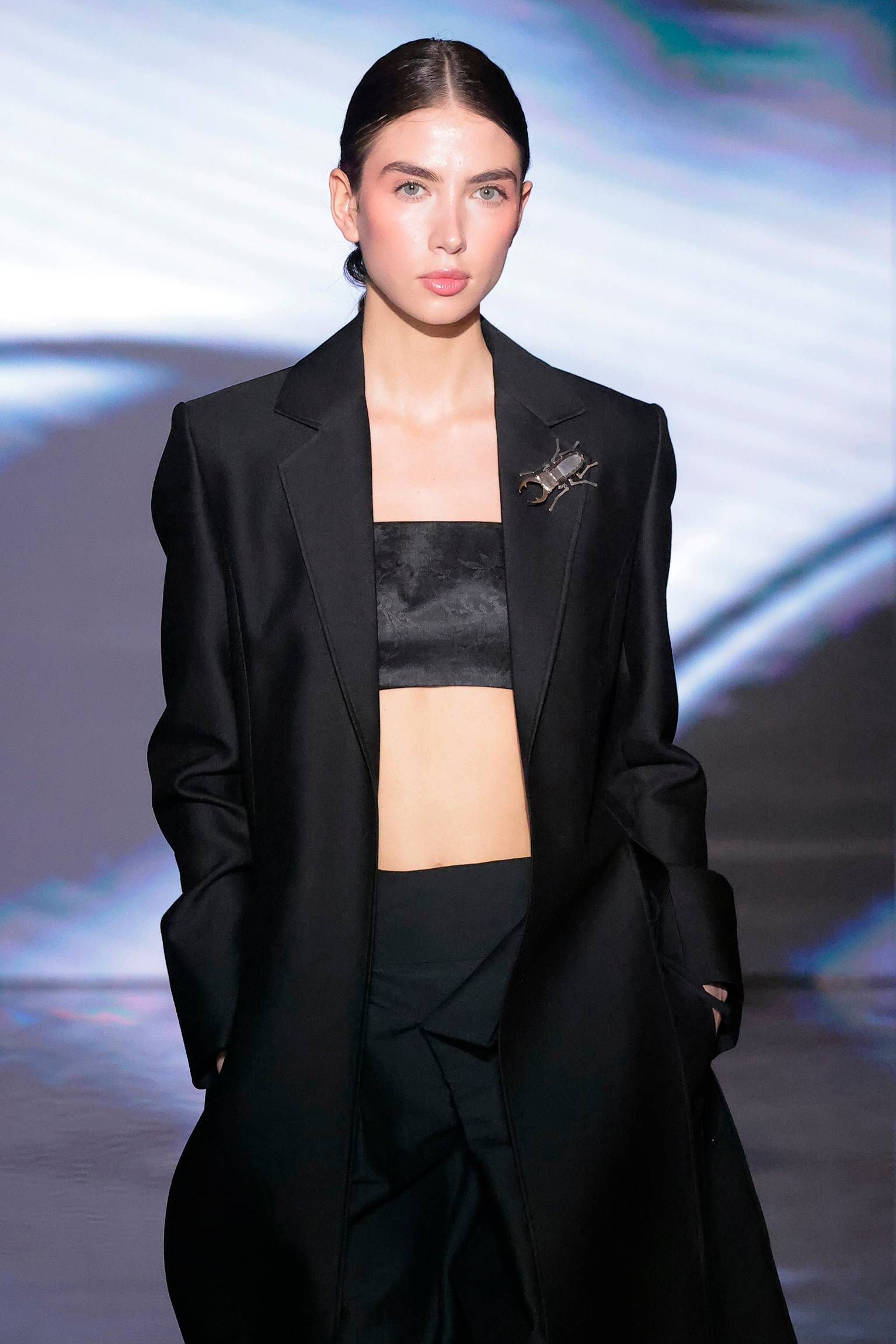
Gisaeng: Demon Hunters reimagines heritage as transformation, where modular structures and industrial elements reshape traditional references into a bold, hybrid silhouette suspended between past and future.
Why M.RoF Signals the Rise of Emerging Korean Labels
Artful Rebellion, the name of M.RoF’s latest collection (“form” in reverse), plays with volume and precision. The wardrobe feels free but never messy. What stands out are the fur insertions, placed irregularly to feel spontaneous, giving the pieces a sense of movement, as if they were finished on the spot.
As the designer puts it, the collection is for those seeking personal expression without sacrificing elegance—pieces that offer confidence, individuality and a sense of liberation, placing M.RoF firmly among a new generation of Korean labels gaining attention.
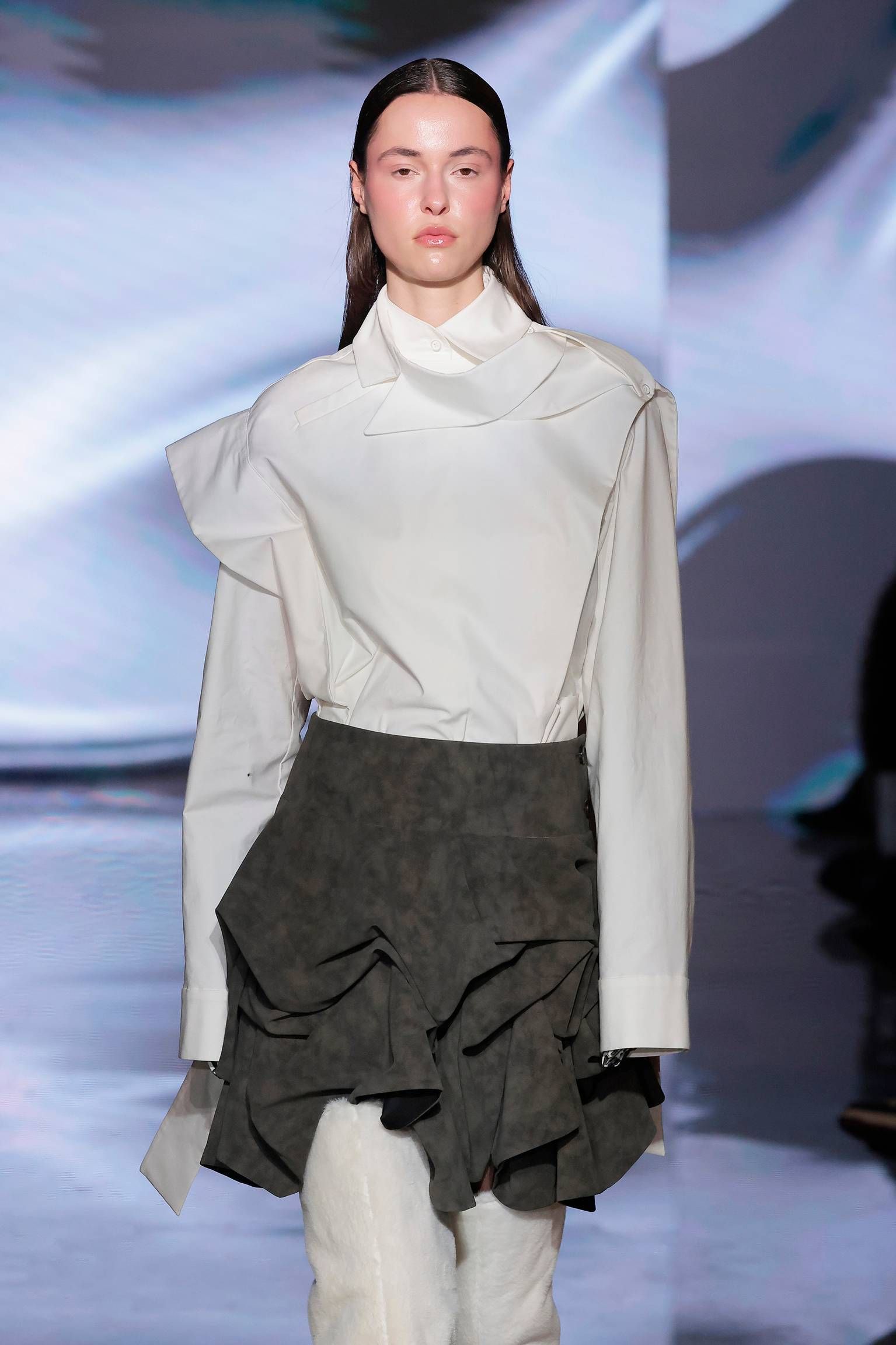
In Artful Rebellion, M.RoF explores controlled freedom through sculptural volumes and irregular textures, where fur insertions disrupt precision and redefine elegance with spontaneous energy.
How Mooroots Uses Korean Cultural References to Articulate Fashion Identity
Korean fashion brand Mooroots (a name that stands for “Movement from the Roots”) presented Joseon Tongsinsa: Cultural Envoys of Korea, drawing inspiration from the historic Korean diplomatic missions that embodied both ceremonial solemnity and everyday refinement.
The collection blends Korean ceremonial references with Western silhouettes, featuring embroidery, tweed, denim and metallic accents. Two styling decisions define the collection: deep burgundy socks used as a focal point and very tall cowboy-style hats. The combination feels unexpected at first, but it works surprisingly well.
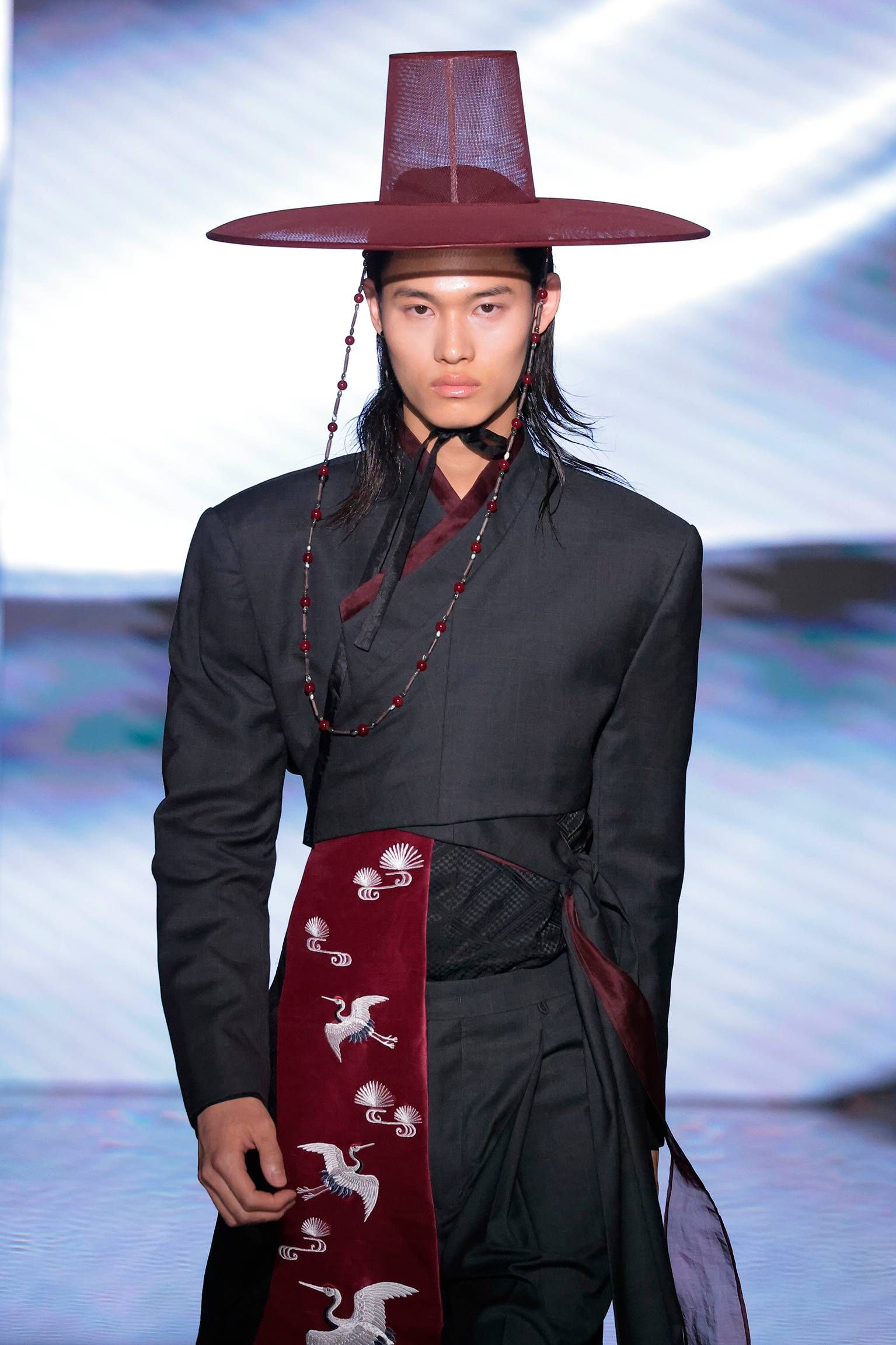
With Joseon Tongsinsa: Cultural Envoys of Korea, Mooroots reinterprets ceremonial heritage through hybrid silhouettes, blending embroidery and bold styling into a contemporary visual language.
Why Korean Brand TIBAEG Reflects the Rise of Quiet Fashion in Global Style
The winning collection at Milan Loves Seoul FW26—Emotion in Layers (Unrushed) by TIBAEG—moves at its own calm rhythm, built on soft volumes and muted tones. Inspired by tulips in bloom and the quiet strength of camellias, the collection explores a form of love that doesn’t need to announce itself, as well as feelings that endure and relationships that last.
Soft textures and understated silhouettes replace any overt femininity; boundaries blur, and nothing feels rushed or exaggerated. Each piece feels like a quiet container for something deeper, marking TIBAEG as a Korean brand to watch. This storytelling extended to the way models carried vases, branches and flowers, making the objects part of the look itself. Single long earrings, sometimes attached to glasses, added another layer of movement—small details, yet enough to define the entire mood.
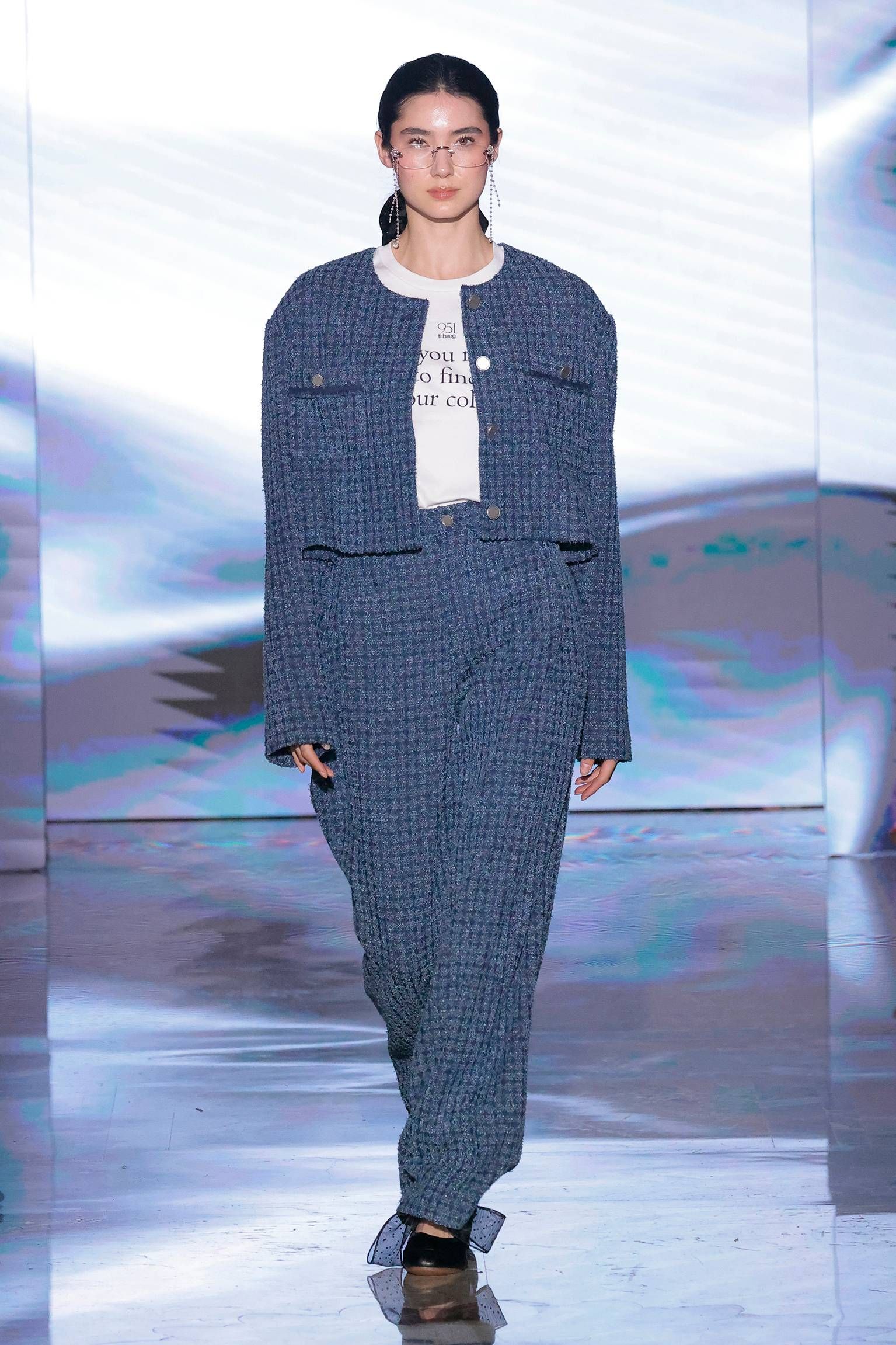
In Emotion in Layers (Unrushed), TIBAEG moves through softness and restraint, where muted tones and delicate textures construct a quiet narrative of enduring emotion.
Who Are the Emerging Italian Designers Bridging Craft and Experimentation at Milan Loves Seoul FW26
How Francesca Cottone Blends Tailoring and Italian Narrative in Contemporary Fashion
An Istituto Marangoni Fashion Design alumna, Francesca Cottone has built D.N.A. around memory, tailoring and urban influences. Her Latin roots come through in the darker, more bohemian elements of the FW26 collection, sitting naturally alongside Italian sartorial precision.
The result moves between Milan and Seoul, Andean references and street culture. One look stood out: a full black outfit, a long braid, and a hat with a strip of fabric hanging down. Clean and sharp—the kind of look you’d expect to see in certain Milan spots where people dress with intention.
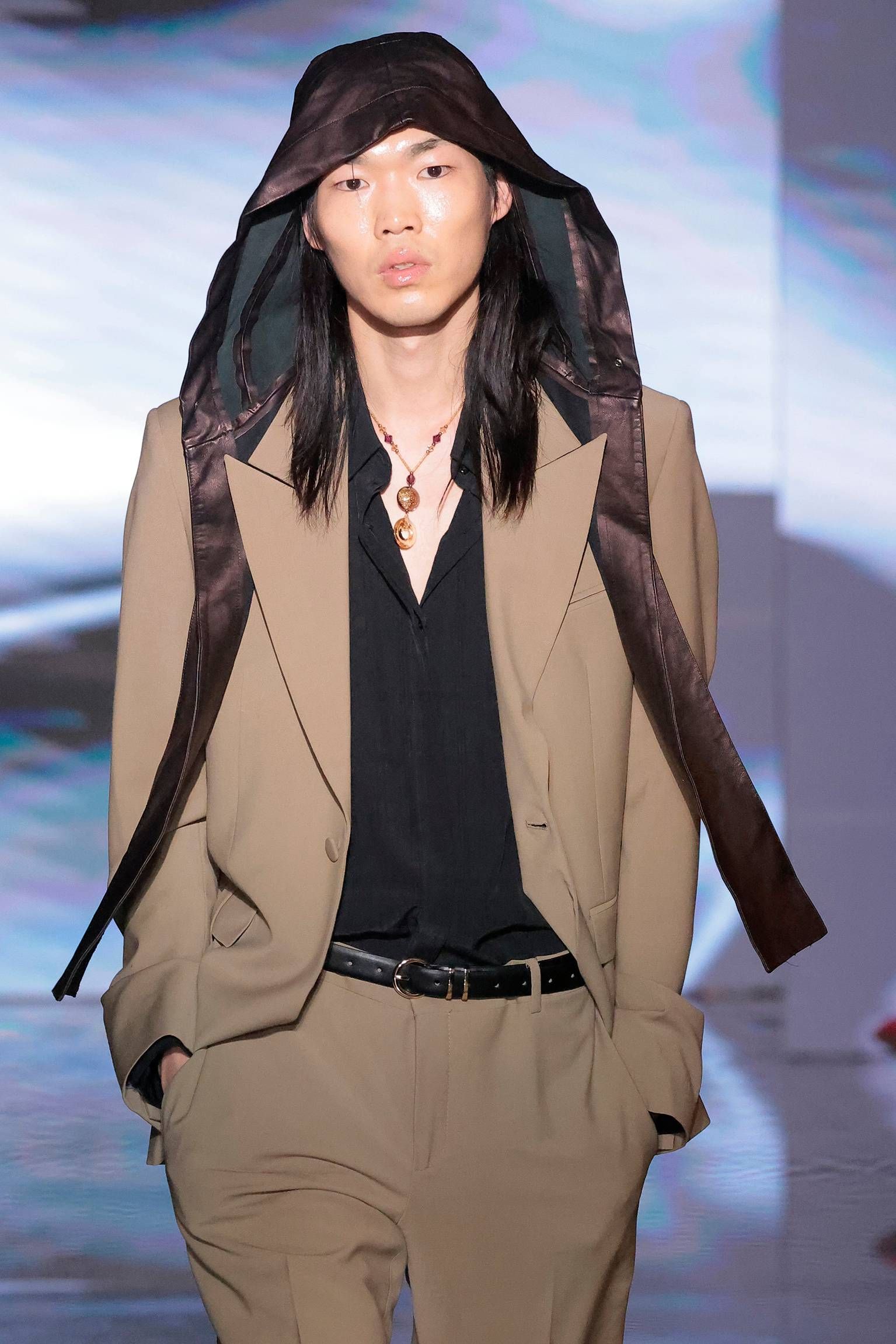
With D.N.A. FW26, Francesca Cottone builds a dialogue between Milan and Latin heritage, where sharp tailoring meets bohemian undertones in a narrative of identity and urban precision.
How Denisa Rad Uses Italian Craftsmanship to Turn Layering Into Protection and Expression
Layers by Layers treats dressing like a quiet form of armour, and that’s quite literally the concept. For AW26, emerging designer Denisa Rad explores ritual clothing as personal protection: silhouettes built through modular layering, from delicate petticoats to structured capes, where getting dressed becomes a deliberate act.
Military-inspired jackets sit next to sheer fabrics, architectural pockets mix function and design, and tropical wools and tweeds contrast with translucent tulle and bead embroidery. Everything moves in understated tones of anthracite, black and stone, each piece designed to last and carry meaning. The details that stood out most were the small jewel-like accents and thin bows, which softened the construction and gave the looks a more emotional finish.
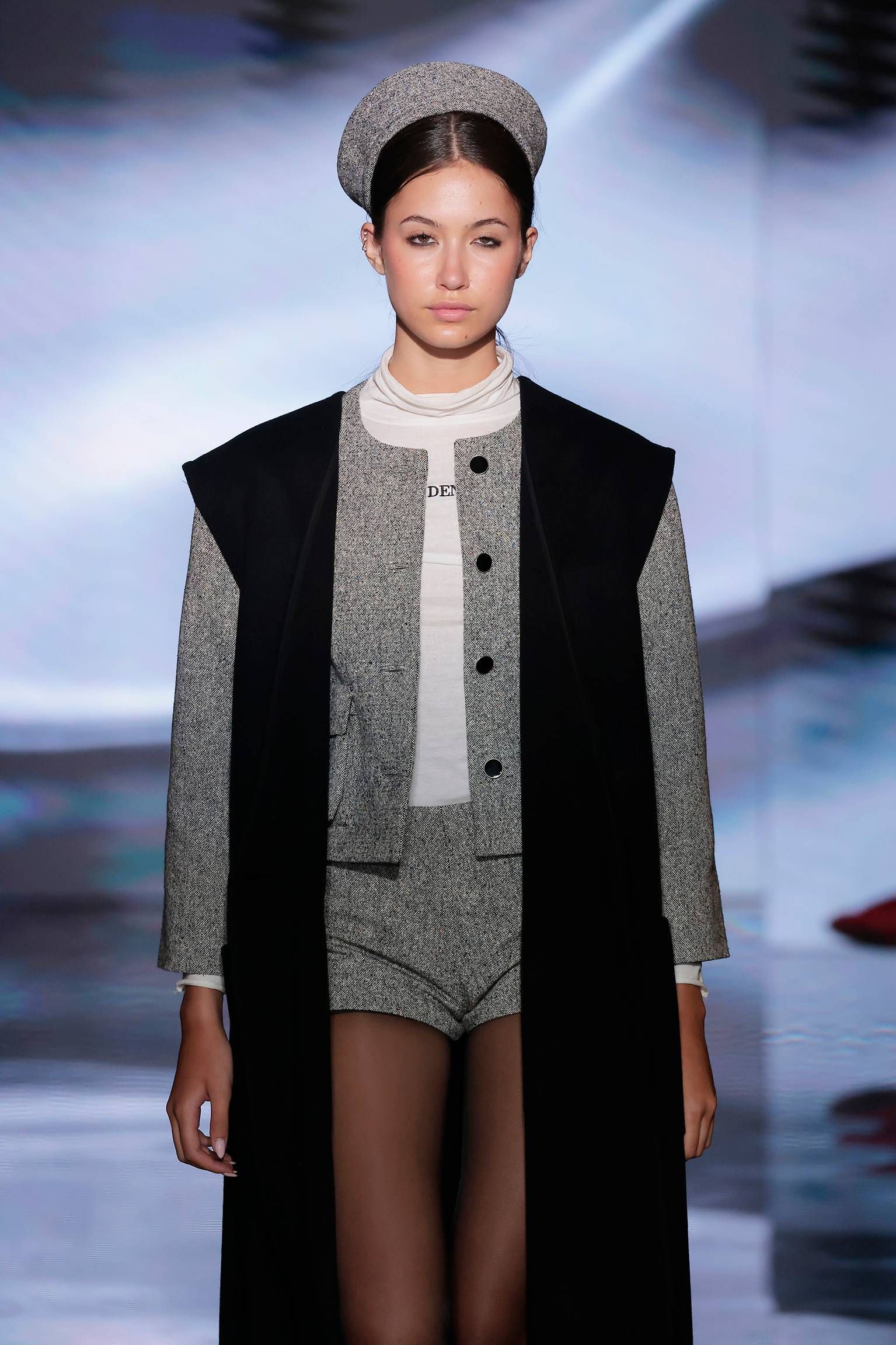
With Layers by Layers, Denisa Rad transforms dressing into a quiet form of armour, where modular layering, sheer contrasts and jewel-like details shape a refined, protective aesthetic.