

Minister Bernini visits Istituto Marangoni Milano at Palazzo Turati
Minister Bernini visits Istituto Marangoni Milano at Palazzo Turati
 SHARE
SHARE Anna Maria Bernini, Minister of University and Research, visited the new Milan campus of Istituto Marangoni at Palazzo Turati - a landmark of over 150 years of Milanese heritage and now the home of an institution that has shaped leading figures in fashion, design, and contemporary creativity for 90 years.
The new Istituto Marangoni campus comes to life inside the historic Palazzo Turati, featuring renovated spaces designed to welcome the creatives of the future, blending historic architecture with a contemporary vision of education.
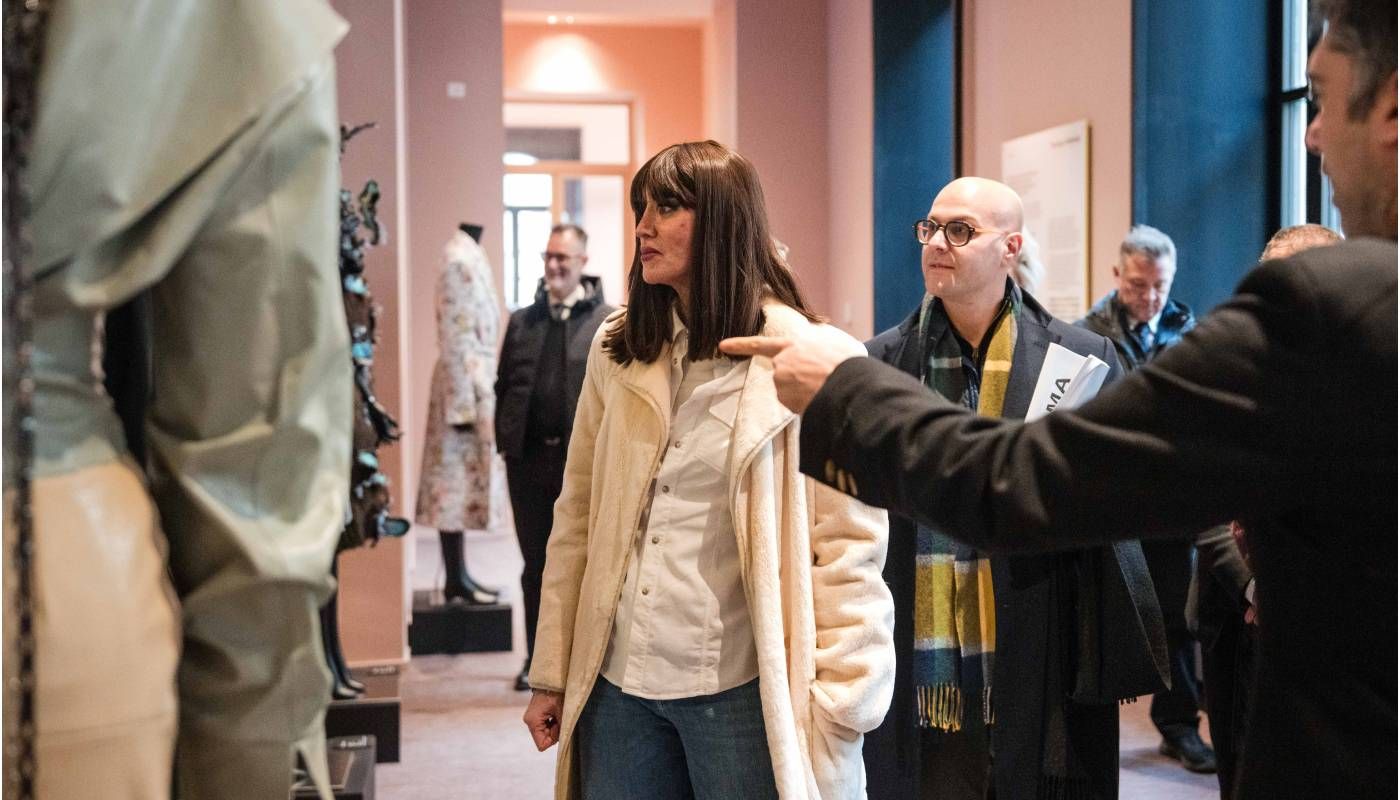
The campus is a multidisciplinary hub where fashion, technology, and creativity converge. From photography labs to content creation studios, 3D printing workshops to digital classrooms, every space is designed to foster experimentation, research, and innovation.
During the visit, Stefania Valenti, Managing Director of Istituto Marangoni, shared the institution’s remarkable growth over the past few years, including the opening of campuses in Dubai and Riyadh. She emphasised the strategic importance of strengthening the link between innovation and creativity, which keeps the Made in Italy luxury sector at the forefront of international markets.
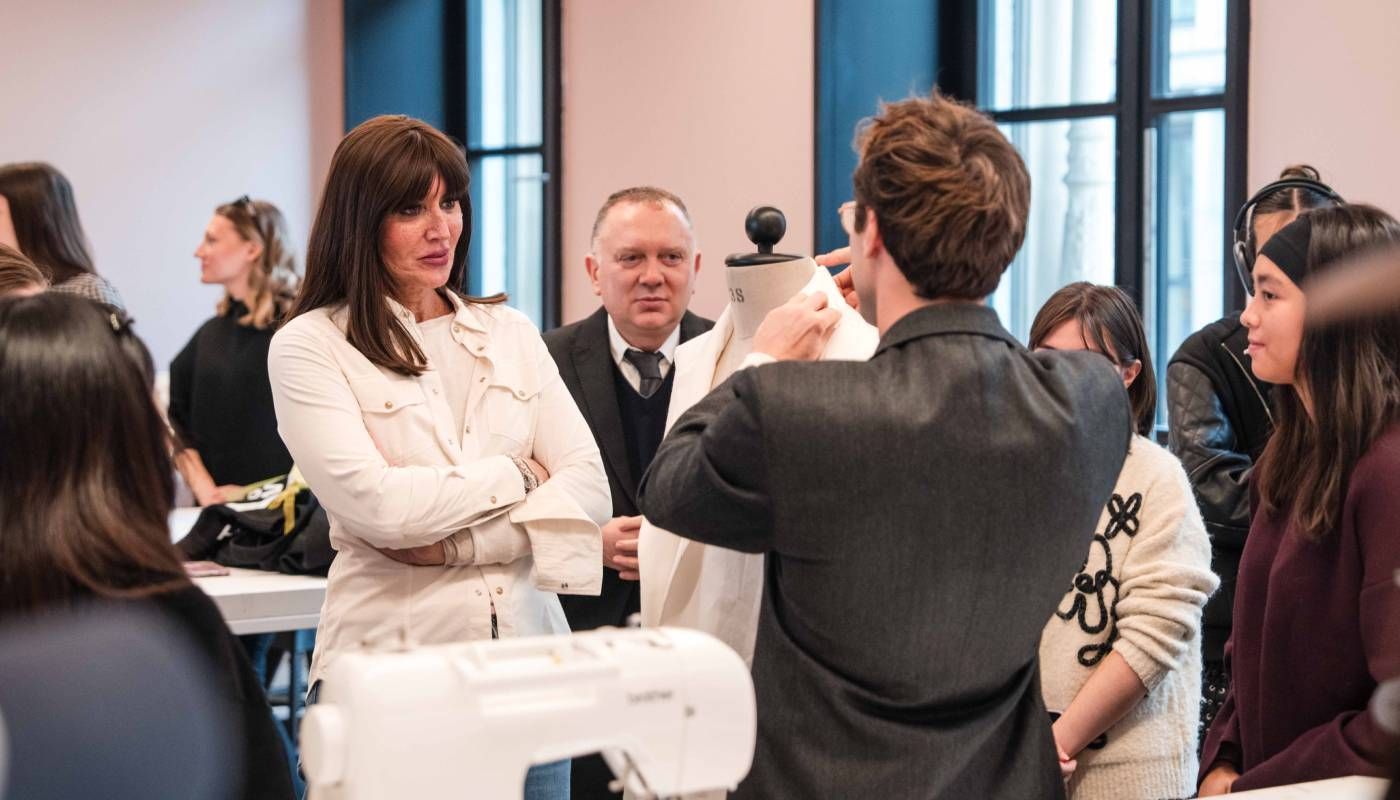
«Academies, Conservatories, and Institutes of Higher Education in Art, Music, and Dance,» Minister Bernini explained,«preserve and share the universal language of culture and creativity. These are places where talent, passion, and commitment take shape every day, and for this reason, they represent one of Italy’s great strengths. The Ministry of University and Research is committed to supporting this heritage, so that it can grow, evolve and renew itself. Our goal is to make the AFAM system even more welcoming, attractive, and open to international dialogue, encouraging student and faculty mobility, collaborations with foreign institutions, and constant engagement with creative and productive industries. At the heart of this collective effort are people and their aspirations.»
«Institutions like Istituto Marangoni,» the Minister concluded,«demonstrate how tradition, innovation, and an international outlook can coexist and strengthen each other, creating real educational and professional opportunities. This is the direction we aim to pursue: an AFAM system that supports talent on their journey, while celebrating the identity, creativity, and excellence of Italian craftsmanship.»
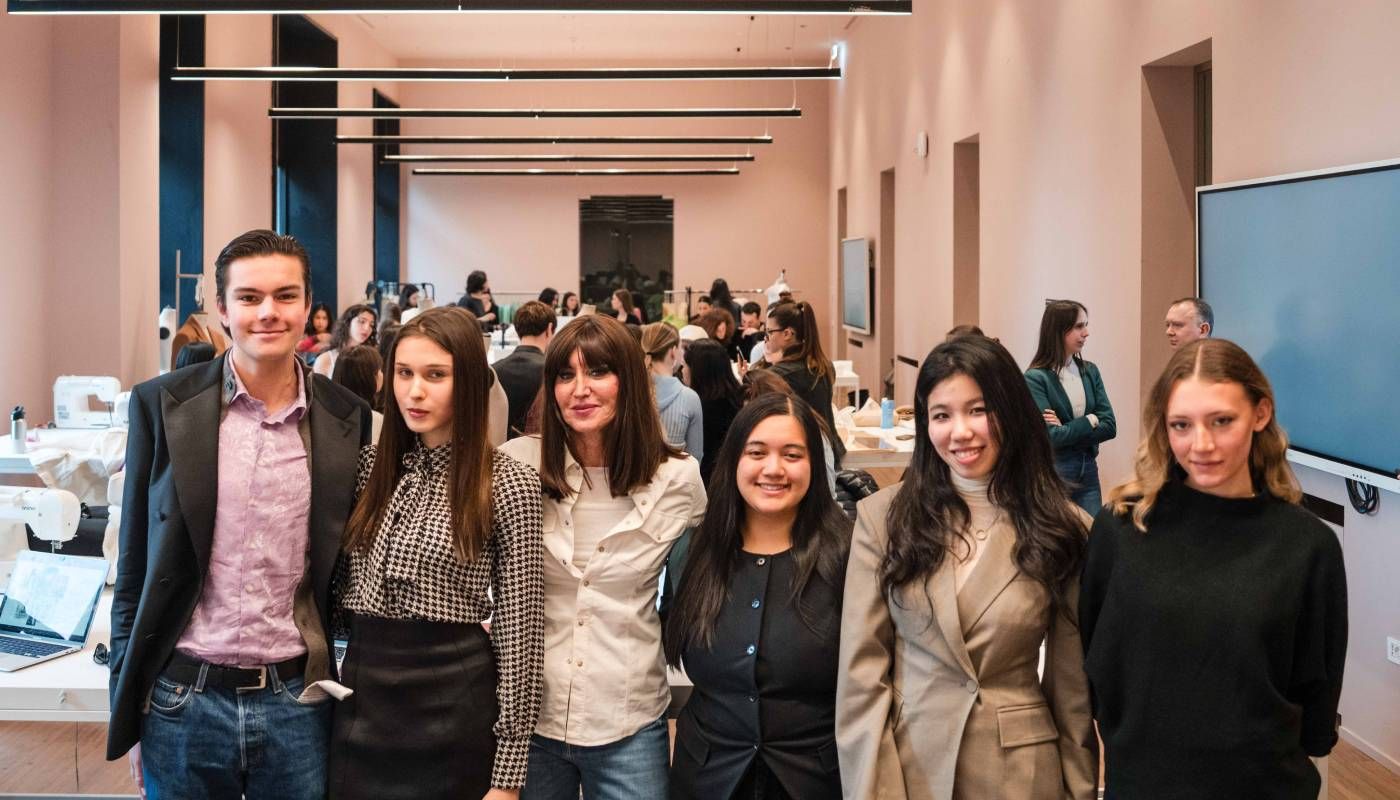
The celebration of Istituto Marangoni’s 90th anniversary also highlighted its distinctive educational approach, known as the Marangoni Method(s). Since 1935, this evolving method has responded to shifts in fashion and society, bridging the gap between craftsmanship and industry, and between the atelier and the academy. This vision has helped cement Milan’s role as a global fashion capital.
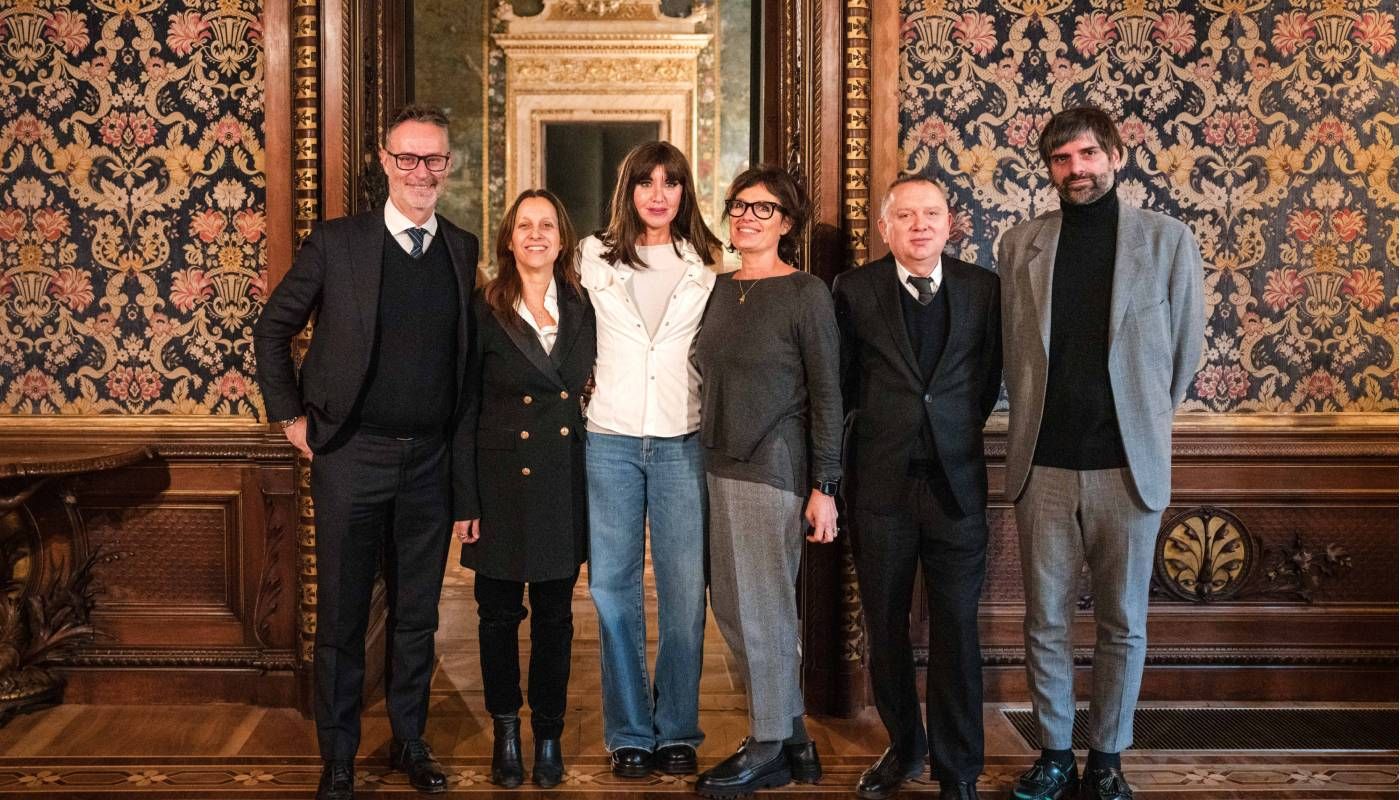
The meeting also addressed important issues in higher education for the creative fields. In particular, given Istituto Marangoni’s strong international focus, the discussion centred on the decree on international recognition of AFAM qualifications. This strategic move will help Italian institutions compete more effectively in global markets with their academic degrees. Stefania Valenti extended special thanks to the Minister for her ongoing commitment to raising the profile of AFAM institutions worldwide.
As part of the 90th anniversary celebrations, Istituto Marangoni and Marsilio Editore published a new essay, “The Scent of Beauty. Leonardo da Vinci between Fashion and Style”. This volume honours Leonardo da Vinci as a pioneer of the aesthetics and core values of Made in Italy, reinterpreting his aesthetic codes through a contemporary lens that fosters dialogue between art, fashion, and industry. The preface, written by Minister Anna Maria Bernini, states: «Leonardo is also the ideal father of the AFAM system - a Renaissance tradition where the artist is a researcher, the workshop is a place of thought, and the work is an act of synthesis between knowledge and practice. Istituto Marangoni, with its 90-year history, stands out as one of the Italian institutions that best embody this vision.»


 GET IN TOUCH VIA WHATSAPP