

Istituto Marangoni Mumbai Tutors Host a Workshop at NIFT Mumbai
Istituto Marangoni Mumbai Tutors Host a Workshop at NIFT Mumbai
 SHARE
SHARE SCALING DESIGN FUTURES: ISTITUTO MARANGONI MUMBAI EXPLORES INCLUSIVE FASHION AT NIFT CONFERENCE
Istituto Marangoni Mumbai participated in discussions on fashion inclusivity at the NIFT Conference, held as part of the celebration of 40 years of National Institute of Fashion Technology (NIFT). The session, guided by Istituto Marangoni Mumbai tutors, explored inclusivity in the fashion industry through experimental design processes and practice-based learning.
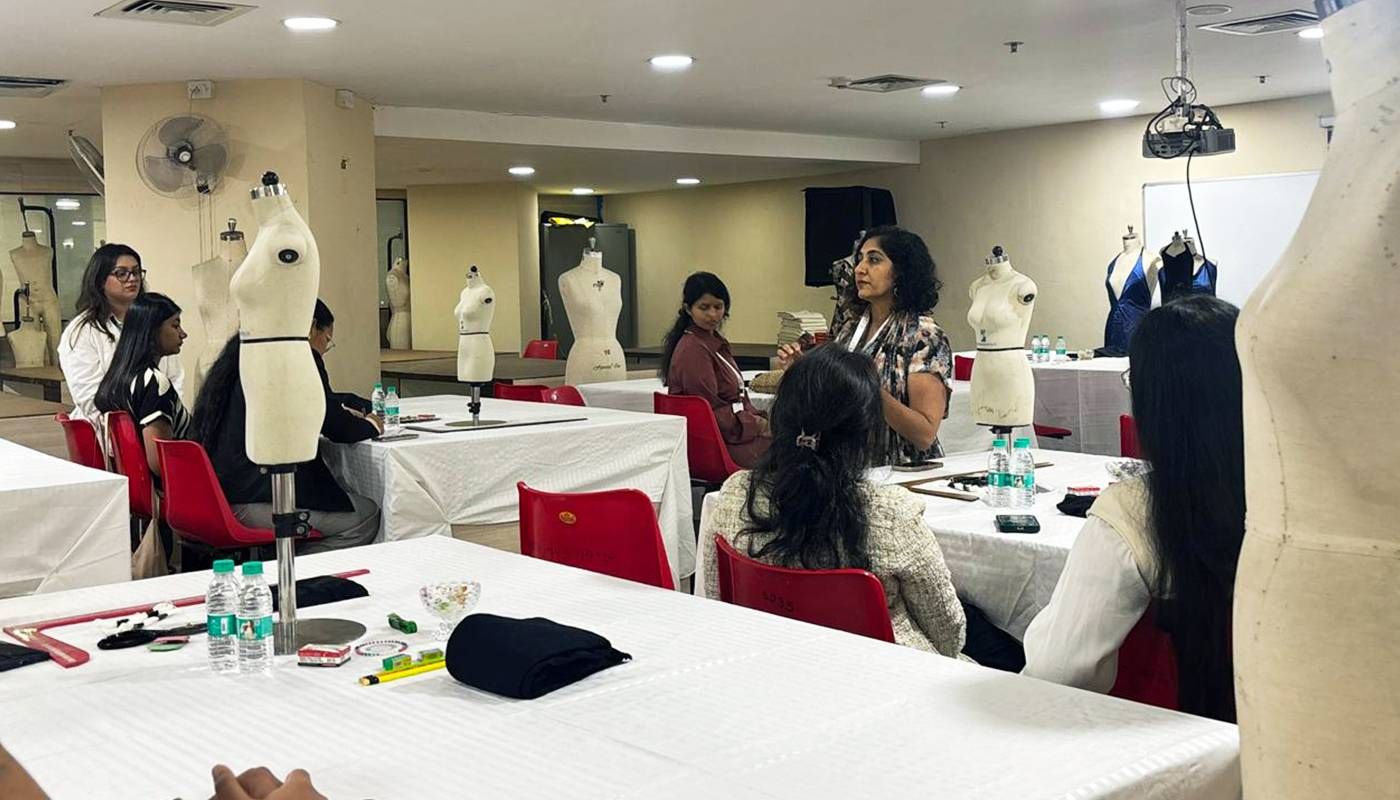
In the 'Scaling Design Futures: Half-Scale Prototyping for Inclusive Fashion Practice' workshop, participants learnt about the practical and pedagogical advantages of working on inclusive fashion through half-scale dress forms. Sulbha Jagat, tutor in Pattern Making and Construction at Istituto Marangoni Mumbai, facilitated the session alongside Lianne Throwbridge, Unit Leader of Fashion Design. The workshop was assisted by Kushal P., as participants developed their half-scale draping exercises and garment prototypes.
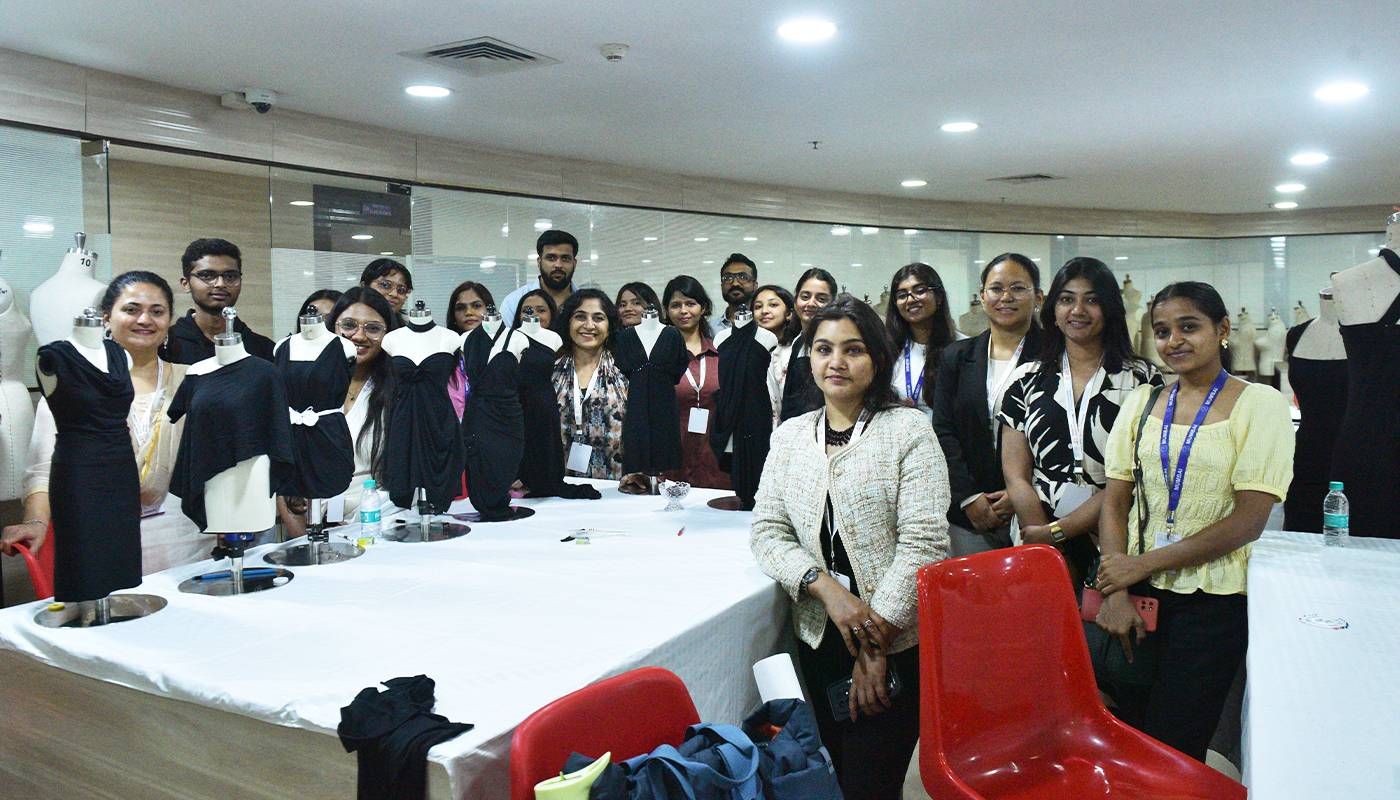
The workshop revolved around material, spatial, and process efficiencies of half-scale fashion design. Attendees used knit fabrics to drape outfits on half-scale forms, exploring how form, proportion, and construction evolve while maintaining the technical discipline required in professional fashion design development.
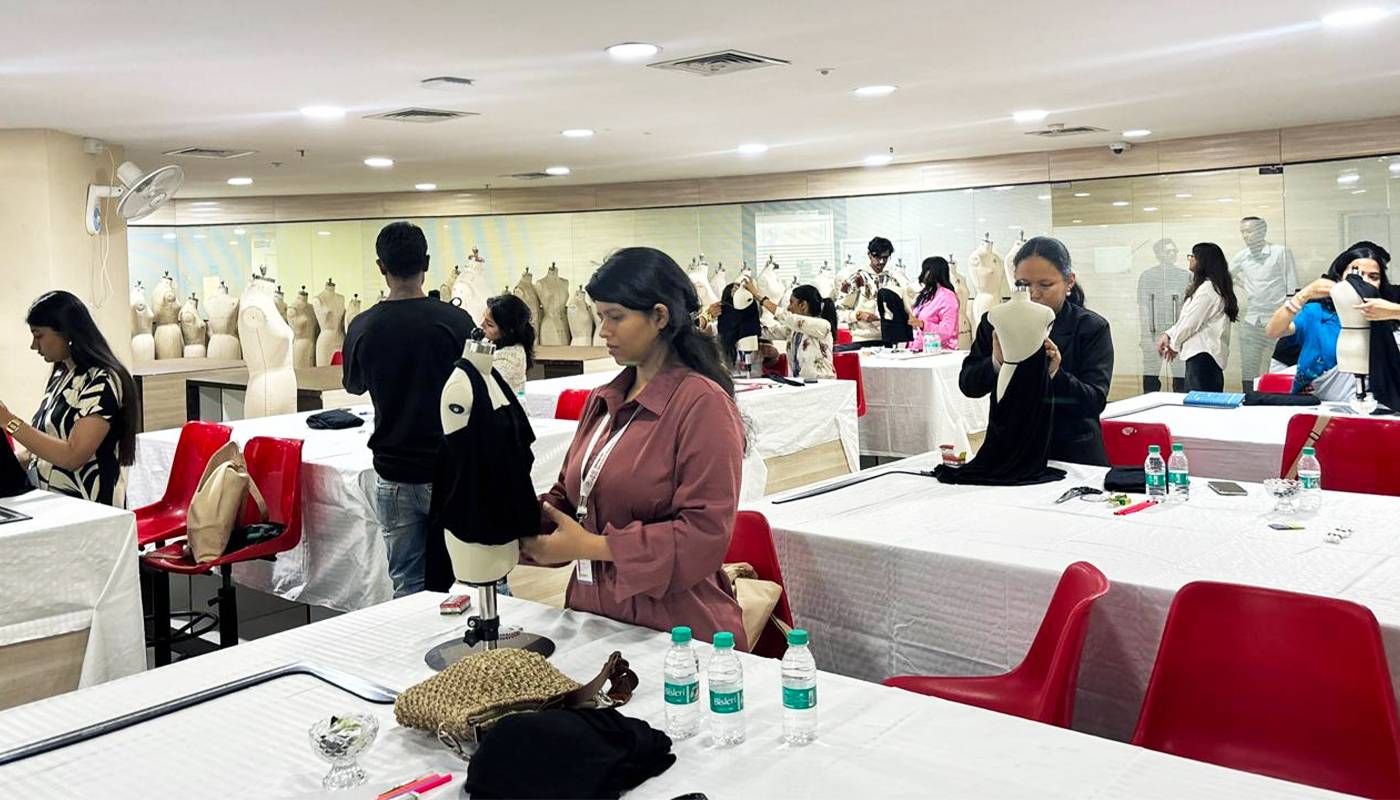
The workshop also focused on transforming half-scale design into full-scale prototypes, highlighting real-world application of the design process. Many participants translated their explorations into full-scale garments.
The session functioned as a practice-based extension of a research paper presented at the SCIN Conference at Istituto Marangoni Dubai, co-authored by Sulbha Jagat, Kali Rawat, and Kushal P.. The workshop accelerated understanding through hands-on experimentation, creating an interactive learning environment.
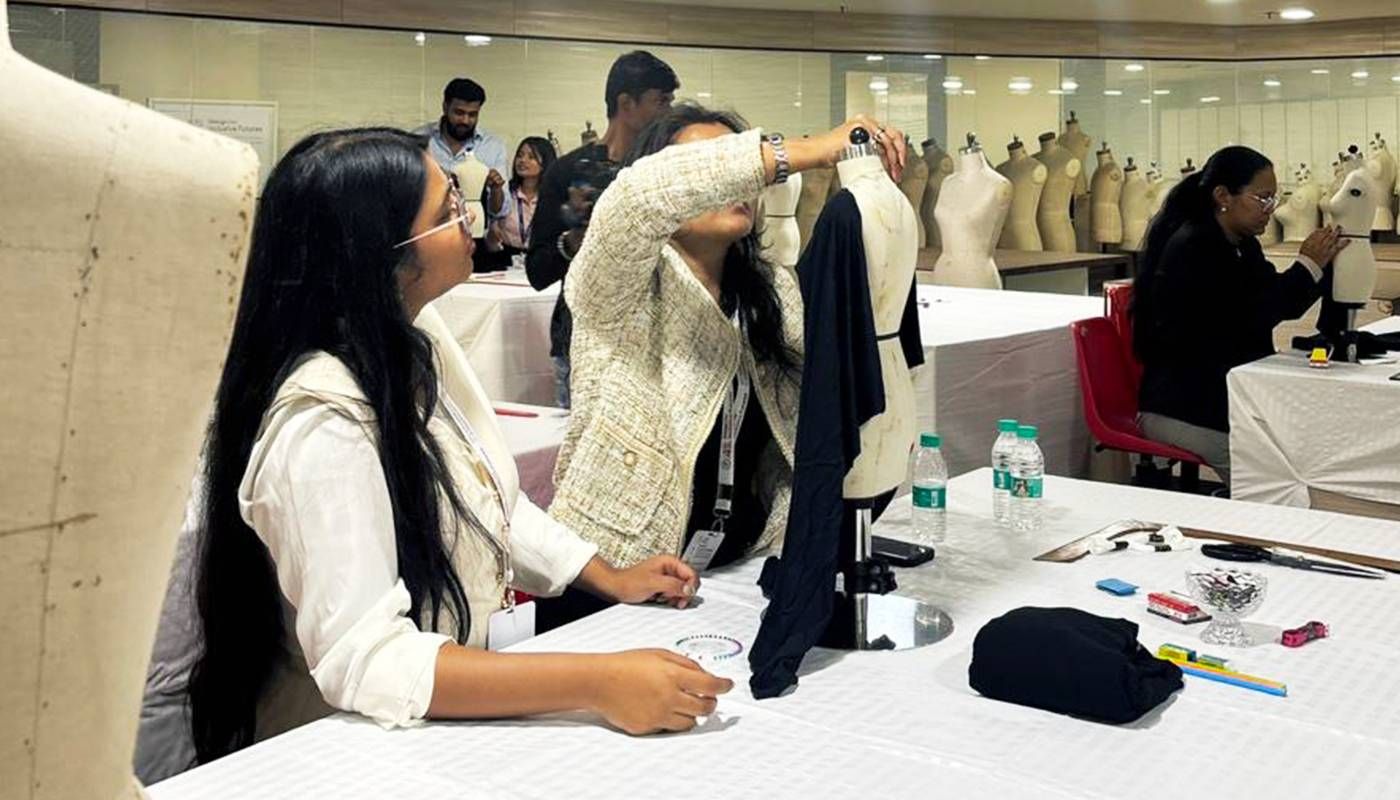
Through this collaboration with NIFT, tutors from Istituto Marangoni Mumbai highlighted how innovative prototyping techniques and research-based teaching methods can generate meaningful conversations and concrete design outcomes in inclusive fashion. The session reinforced the role of contemporary fashion education in shaping design practices aligned with cultural, social, and technological evolution in the global fashion landscape.
Newsroom


 GET IN TOUCH VIA WHATSAPP