
Why we’re still dressing for an expedition in the city
From trail running shoes to shell jackets, urban style now centres on performance and a need for control in unstable times. But why hasn’t gorpcore gone away?
From trail running shoes to shell jackets, urban style now centres on performance and a need for control in unstable times. But why hasn’t gorpcore gone away?
We no longer dress for where we are, but for what might happen. Once confined to the mountains, trail running shoes, specialised outerwear, waterproof shells and backpacks have quietly taken over everyday urban life. Why is everyone dressing like this? And why has gorpcore, once considered just another fashion trend, not only survived but kept growing? This piece explores the cultural and practical forces behind technical fashion, examining how performance, preparedness and psychological reassurance have come to define how we dress in the city.
Look around any city street and the pattern becomes hard to ignore: we’re all dressed like Dora the Explorer, equipped as if the day might turn into an expedition at any moment. The backpack is always there, pockets are functional, fabrics are waterproof or quick-drying just in case, soles are designed for grip, and layers are ready to be adjusted—not so far from Dora’s map, her relentless readiness, her slightly irritating ability to be prepared for absolutely everything. (Who doesn’t still catch themselves humming “Oh, hooray, we did it” in their head?).
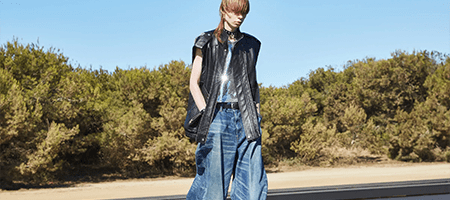
And so we follow suit: trail shoes hit the asphalt, waterproof shells are pulled over tailoring, and trousers built for altitude are repurposed for desk work.
Visualizza questo post su Instagram
Why Gorpcore Hasn’t Faded Like Other Trends
Gorpcore—technical clothing worn in the city—takes its name from Gorp, short for Good Ol’ Raisins and Peanuts, the classic hiker’s snack. Like any other metropolitan trend, it was supposed to follow the familiar arc: emerge, peak, fade. And yet, it stayed.
What once looked like a passing trend now feels like an instinctive response to the world we’re living in.
How Clothing Became a Tool for Control in Urban Life
Take umbrellas, for instance. They are gradually disappearing from the streets, edged out by something more dependable and less cumbersome. A technical shell solves the same problem more reliably, worn close to the body and ready before the rain even starts. In other words, the umbrella belongs to a logic of reaction, while the shell suggests anticipation. And today, anticipation carries its own weight in how we dress.
Daily life has become structurally unpredictable—fragmented schedules, hybrid work patterns, days that rarely follow a clear rhythm. In response, technical clothing starts to function as a form of bodily regulation in urban space.
Dressing well now revolves around preparedness: a readiness that shades into psychological reassurance. The body becomes something to be managed, and the wardrobe provides the tools for doing so with a sense of control.
Visualizza questo post su Instagram
Fashion as a Response to Reality, Not an Escape
Gorpcore and urban outdoor wear grow out of this condition, carrying a vision of fashion that engages directly with reality. Escapism holds little appeal; instead, garments become a way of negotiating the pressures of contemporary life.
If you think about it, this approach has long been associated with Miuccia Prada, whose work treats fashion as a direct response to the world: something tangible and practical, but also operating on a more conceptual, idea-driven level.
When Performance Replaces Aesthetics as a Marker of Luxury
Luxury follows a similar logic. Its value increasingly lies in what a garment can actually do: protect from rain, regulate temperature, dry quickly, adapt to different situations, and endure.
Functionality becomes an aesthetic in itself, becoming a key cultural marker, while beauty and performance converge in ways that feel entirely natural.
Why the Mountain Still Informs Urban Style
The mountains, meanwhile, linger as a powerful reference point, serving as a contemporary myth. Once, their appeal lay in physical distance and sheer grandeur; today, it lies in the values they represent, such as discipline and an authenticity untouched by constant connectivity.
Mountains exist as a mental elsewhere—an imagined counterpoint to the noise and density of urban life.
Visualizza questo post su Instagram
From Comfort to Status: How Ease Became a Form of Luxury
If technical wear prepares the body for the outside world, the rise of comfort points to something more intimate, reflecting a desire for ease that does not come at the cost of presence.
Emerging during lockdown, comfort has since evolved into a new expression of luxury—as seen in the Spring/Summer 2026 collections of Dolce&Gabbana, fully dedicated to pyjamas, and Louis Vuitton. Here, comfort suggests attentiveness: garments that accompany the body, supporting movement without imposing constraint.
Why Arc’teryx, Salomon and On Became So Popular
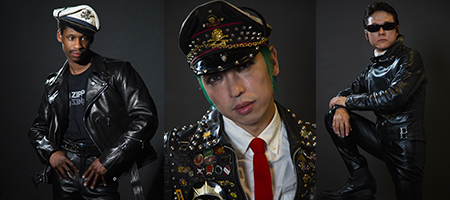
The technical brands that have made their mark on city streets share a common trait: an acute responsiveness to the realities of urban movement. Salomon, On, and Arc’teryx Veilance stand out for their ability to translate high-performance design into everyday wear.
From trail running sneakers and advanced footwear to pared-back outerwear, each piece retains its original function while adapting to city life.
From Trend to System: Gorpcore as a Permanent Shift
From this convergence, a distinct language of urban techwear continues to take form—one that balances necessity with intention. Garments address the demands of the city while maintaining a sense of considered style, which is precisely what sets it apart from typical trends.
Gorpcore responds to concrete, lived conditions—and because it meets a real, ongoing need, it resists the usual cycle of rapid rise and decline. Rather than burning out, it integrates into everyday dressing, evolving alongside the rhythms it was meant to support. Function and aesthetics move in parallel, producing a wardrobe that feels ready for whatever comes next.

.gif)
.jpg)
.gif)
.jpg)