

India’s craft legacy: The embroidery traditions behind global luxury
How Indian embroidery traditions—from chikankari to kantha—remain central to the craftsmanship behind today’s global luxury fashion
How Indian embroidery traditions—from chikankari to kantha—remain central to the craftsmanship behind today’s global luxury fashion
Many of the most intricate garments seen on Paris haute couture runways are not made entirely in Europe. Behind the elaborate embroidery of leading maisons lies the work of thousands of artisans across India, where centuries-old textile traditions still shape contemporary luxury fashion. From ateliers to regional communities, these craft techniques remain central to the production of hand-embellished garments presented by international houses from London to Milan.
Techniques such as chikankari, zardozi, shisha mirror work, kalamkari and kantha embroidery represent a textile heritage developed over generations. More than decoration, these practices serve as living cultural archives, linking fashion not only to aesthetics but also to histories of empire, migration, religion and storytelling, as well as to highly skilled manual labour. Together, they reveal how India’s embroidery traditions continue to influence the visual language of global fashion today.
Why Indian Craftsmanship Still Holds Cultural Authority Today
India’s craftsmanship weaves a dense cultural fabric, developed over centuries and sustained by generations of artisans across a nation of more than 1.4 billion people.
Within these embroidery traditions, technical skill, community identity and historical continuity converge, turning each practice into a repository of cultural memory. For many artisans, making is inseparable from heritage: a handcrafted textile or embroidered garment carries not only the maker’s imprint, but also the knowledge passed through families and communities across generations.
This relationship between craft and identity helps explain why handmade textiles hold such cultural weight in India. Ownership of a handcrafted piece often implies stewardship — a recognition that the object embodies traditions larger than any individual wearer.
Today, these traditions are increasingly visible within the global luxury fashion industry. From Dior to Bulgari, couture ateliers in Paris and luxury houses in Milan regularly collaborate with Indian artisans whose embroidery and textile expertise remains difficult to replicate through mechanised production. In doing so,
techniques rooted in India’s textile heritage continue to travel well beyond their regions of origin.
Below are several of the embroidery and textile traditions that remain central to the language of Indian craftsmanship.
Chikankari Embroidery: Why Lucknow’s Whitework Became a Symbol of Refinement
Among India’s most refined textile traditions is chikankari embroidery, long associated with the cultural history of Lucknow in northern India.
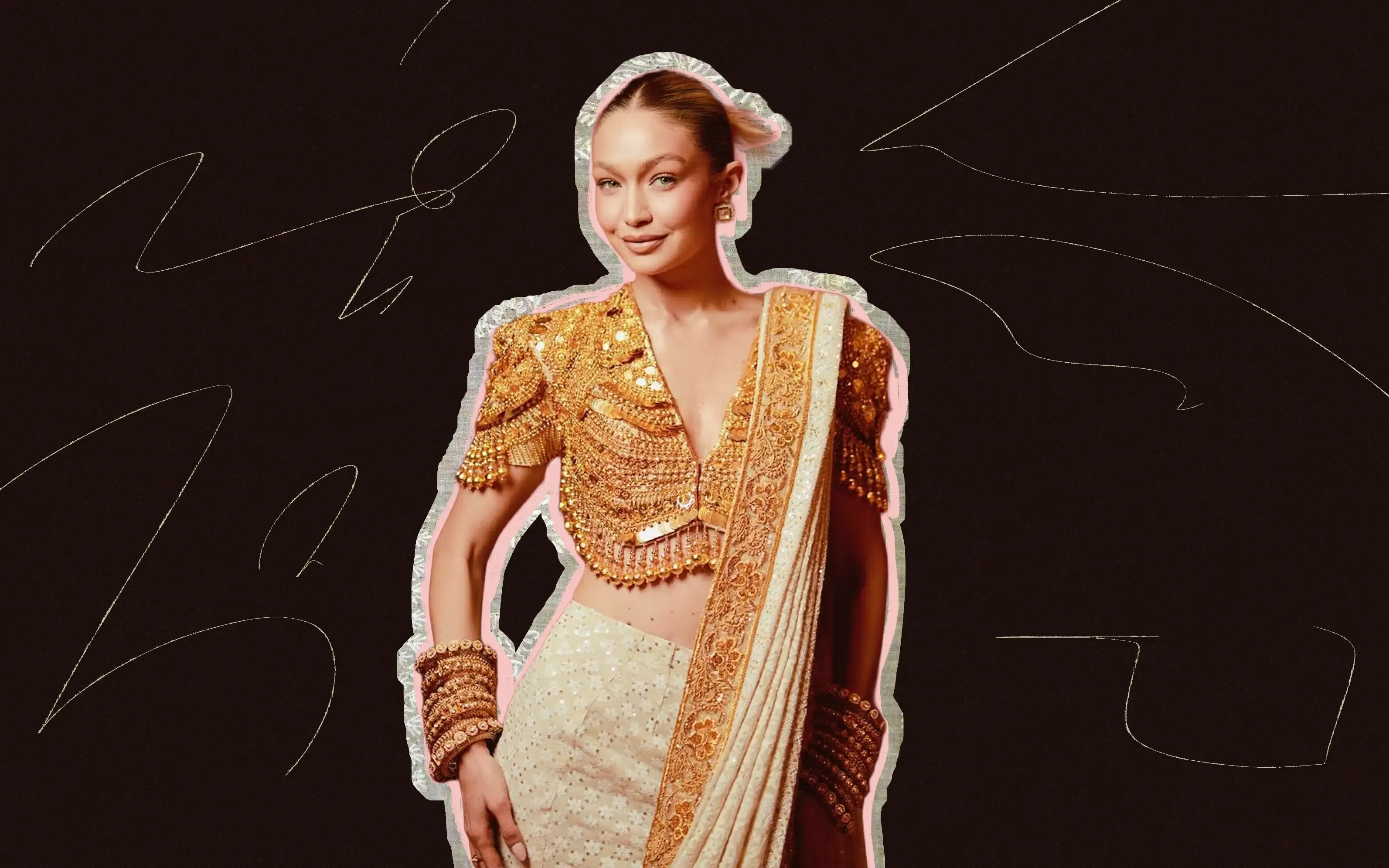
Some historians trace the craft’s origins as far back as the 3rd century BCE. The Greek traveller Megasthenes, in his accounts of the Indian subcontinent, described garments made from “flowered muslins,” which some scholars interpret as early forms of chikankari work. Other narratives place the technique’s rise in the Mughal period, when royal patronage allowed the embroidery tradition to flourish throughout the region.
Chikankari is recognised for its elegance. Artisans employ dozens of hand stitches to produce delicate floral patterns and subtle geometric motifs on fine fabrics such as muslin, cotton and silk. The visual effect is understated yet intricate, relying on texture rather than colour.
The precision required to produce chikankari garments is considerable. Completing a single piece may require several months—occasionally more than a year—underscoring the extraordinary level of craftsmanship at the heart of this tradition.
Zardozi Embroidery: The Goldwork That Defined Mughal Luxury
If chikankari represents refinement, zardozi embroidery epitomises opulence. Long associated with royal courts, the craft has become synonymous with ceremonial splendour.
Records suggest that as early as the 13th century, specialist craftsmen known as ”zardos” worked with precious metals to embellish textiles. Their techniques involved stitching fine gold and silver wire—often alongside pearls, beads and semi-precious stones—into rich fabrics.
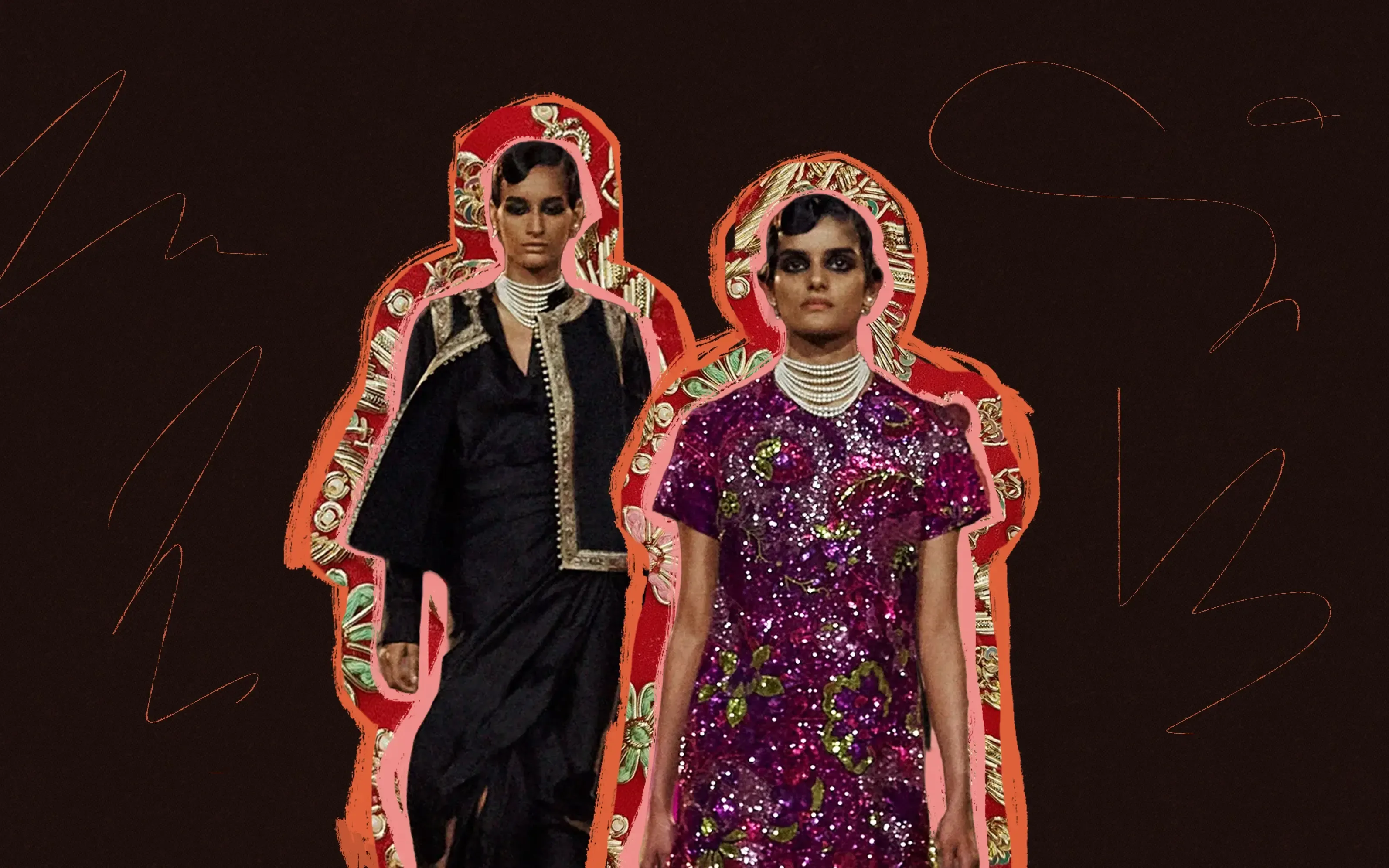
This Persian-origin embroidery reached new heights during the Mughal era, especially under Emperor Akbar, when elaborately decorated garments became a hallmark of imperial dress. The term zardozi itself comes from the Persian “zar” (gold) and “dozi” (embroidery).
Today, the technique remains prominent in bridal couture, ceremonial garments and high-fashion embroidery, where its dense metallic embellishment evokes a lineage of historical luxury.
Shisha Mirror Embroidery: How Reflective Textiles Became Symbols of Protection
Another distinctive element of India’s textile heritage is shisha embroidery—widely known as mirror work. Believed to have originated in 13th-century Persia before arriving in India during the Mughal period, the technique involves artisans stitching small mirrors directly into fabric and integrating them into embroidered motifs.

These mirrors were never merely decorative. In several cultural traditions, reflective surfaces were believed to ward off the evil eye, offering protection to the wearer. Over time, these beliefs spread across Indian communities and became embedded in various religious practices. For instance, in Hindu and Jain traditions, shisha torans—embroidered hangings placed above doorways—were historically used to protect the entrance of homes from negative forces.
Moreover, the mirror embroidery seen in India today evolved further in the 17th century, when the ancestors of the Jat community—now living in the Banni Grassland Reserve in the Kutch district—migrated from Balochistan and brought with them traditional Balochi mirror work and embroidery techniques. These methods incorporated mirrors cut into shapes resembling flower petals and leaves.
Since then, mirror work has become closely associated with regions such as Rajasthan, Gujarat, and Haryana, which remain important centres for shisha embroidery today.
Kalamkari Textiles: Painted Cloth as a Medium for Mythological Storytelling
Among India’s oldest textile traditions is kalamkari, a narrative textile art believed to date back more than three millennia.
Originating in present-day Andhra Pradesh, kalamkari involves either hand-painting or block-printing on fabric using natural dyes. The name comes from Persian—kalam, meaning “pen”, and kari, meaning “craftsmanship”—in reference to the pen-like tool used to draw intricate designs.

Historically, kalamkari textiles functioned as visual storytelling devices. Artisans depicted scenes from Hindu epics such as the Ramayana and the Mahabharata, translating mythology into elaborate textile panels. The production process remains notably complex, involving as many as 23 separate stages, including repeated washing, dyeing and detailed hand painting.
During the Mughal period, Persian aesthetics influenced kalamkari design, introducing motifs such as the paisley pattern—later spreading across global textile traditions and still widely seen in fashion today.
Kantha Embroidery: Bengal’s Early Tradition of Textile Recycling
Kantha embroidery, originating in Bengal, is one of the earliest forms of textile repurposing and recycling. The practice emerged from a domestic tradition of layering worn cloth and securing the layers with rows of running stitches to create quilts, blankets and household textiles. What began as practical reuse gradually evolved into a distinctive decorative technique.

The term kantha is thought to derive from the Sanskrit word kontha. While the practice may date back to the pre-Vedic period, written references to the craft appear around five centuries ago.
One such reference appears in the Sri Sri Chaitanya Charitamrita, written by the poet Krishnadas Kaviraj. In the text, Chaitanya’s mother sends her son a handmade kantha through travelling pilgrims—a textile that some believe is still preserved today at Gambhira in Puri.
Contemporary kantha embroidery is celebrated for its expressive stitching and layered storytelling patterns. Its origins in textile reuse have also led many designers to view the craft as an early example of sustainable fashion.
Aari Embroidery: The Hook-Needle Technique Behind Intricate Indian Couture
Aari embroidery originated in Gujarat during the 12th century, initially practised by leatherworkers who decorated footwear with hooked needles.
The defining tool of the craft is the aari needle, a hooked instrument that allows artisans to create continuous chain stitches with notable speed while maintaining intricate pattern detail.
Over time, the technique moved beyond leatherwork into courtly dress. During the Mughal period, aari embroidery became associated with garments worn by emperors and royal elites.
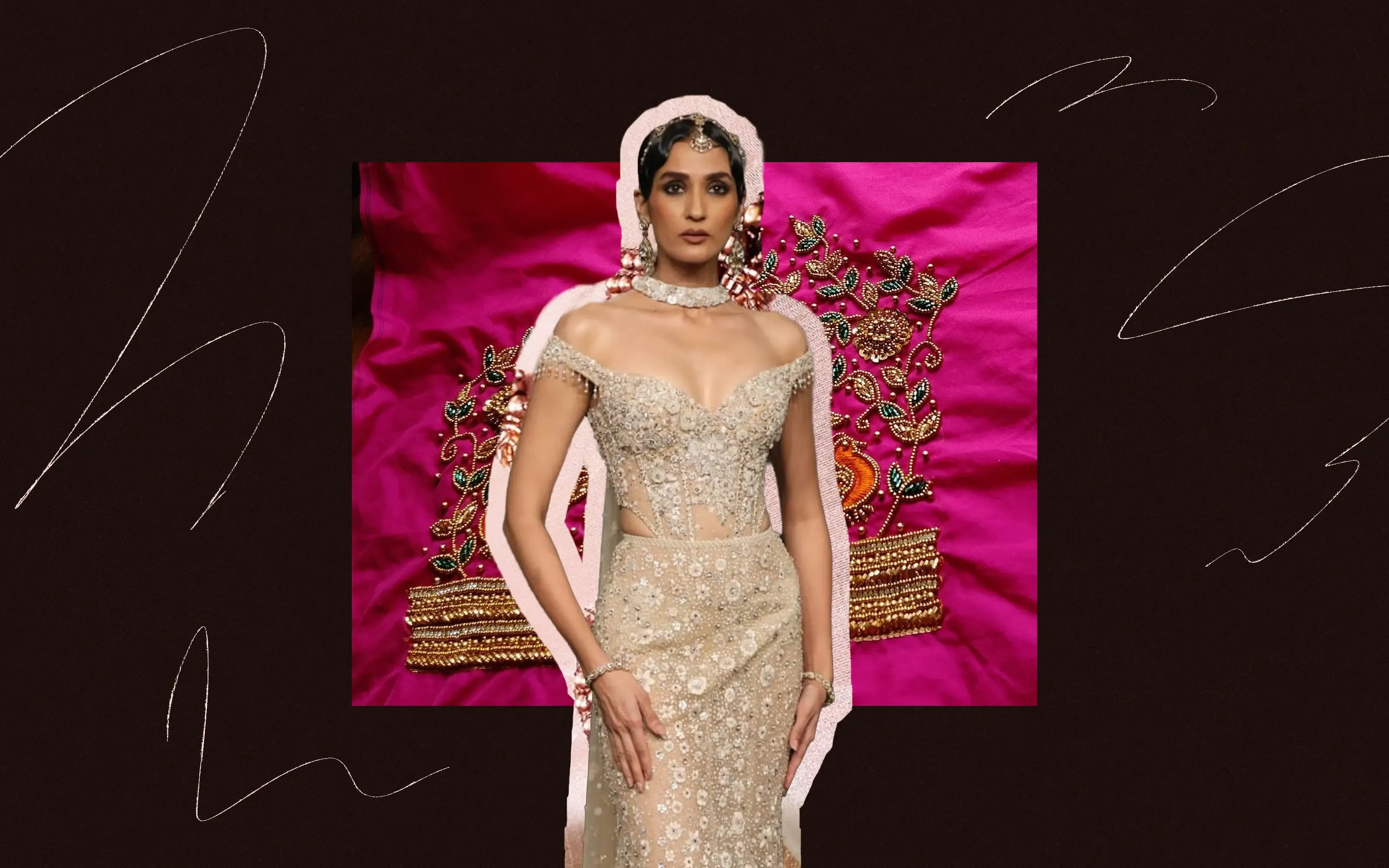
Traditionally performed by male artisans, the craft gradually spread across the Indian subcontinent and found particular resonance in Kashmir, where it is still widely used in shawl production and textile decoration.
Why Indian Embroidery Remains Essential to Global Luxury Fashion
Despite rapid technological shifts within the fashion industry, many luxury houses continue to rely on Indian embroidery ateliers and artisan communities for complex textile work. Techniques such as chikankari, zardozi and aari embroidery demand precision and manual dexterity that remain difficult to replicate through automated production. For haute couture designers in particular, the value lies as much in the visual effect as in the craftsmanship itself.
This ongoing collaboration places Indian artisans at the heart of global luxury supply chains, even though their contributions often remain largely invisible to consumers. If fashion is truly reconsidering the meaning of craft, as it claims, these centuries-old practices have a bright future—offering a counterpoint to accelerated manufacturing cycles and a reminder of the human knowledge embedded in luxury production.
Tvishaa Jhaveri
First-year Fashion Business student, Mumbai










.jpg)

.jpg)