
The Devil Wears Prada 2 reveals a fashion industry in crisis – and what comes next

What The Devil Wears Prada 2 really reveals about the crisis in fashion media, power shifts and what it takes to survive the industry today
Everyone will have something to say about The Devil Wears Prada 2, but few will ask what it actually reveals. Beyond the cameos, the fashion and the nostalgia for Miranda Priestley, Andy Sachs, Emily Charlton and Nigel Kipling, this highly anticipated sequel taps into something far more relevant: the collapse of traditional fashion media, the rise of digital platforms and content creators, and the uncomfortable truth about what it now takes to survive in the industry. Publishing crises, advertiser dominance, shifting power dynamics and unexpected returns are reconfiguring the hierarchy, but one thing hasn’t changed: Miranda Priestley still sets the rules. Spoiler alert.
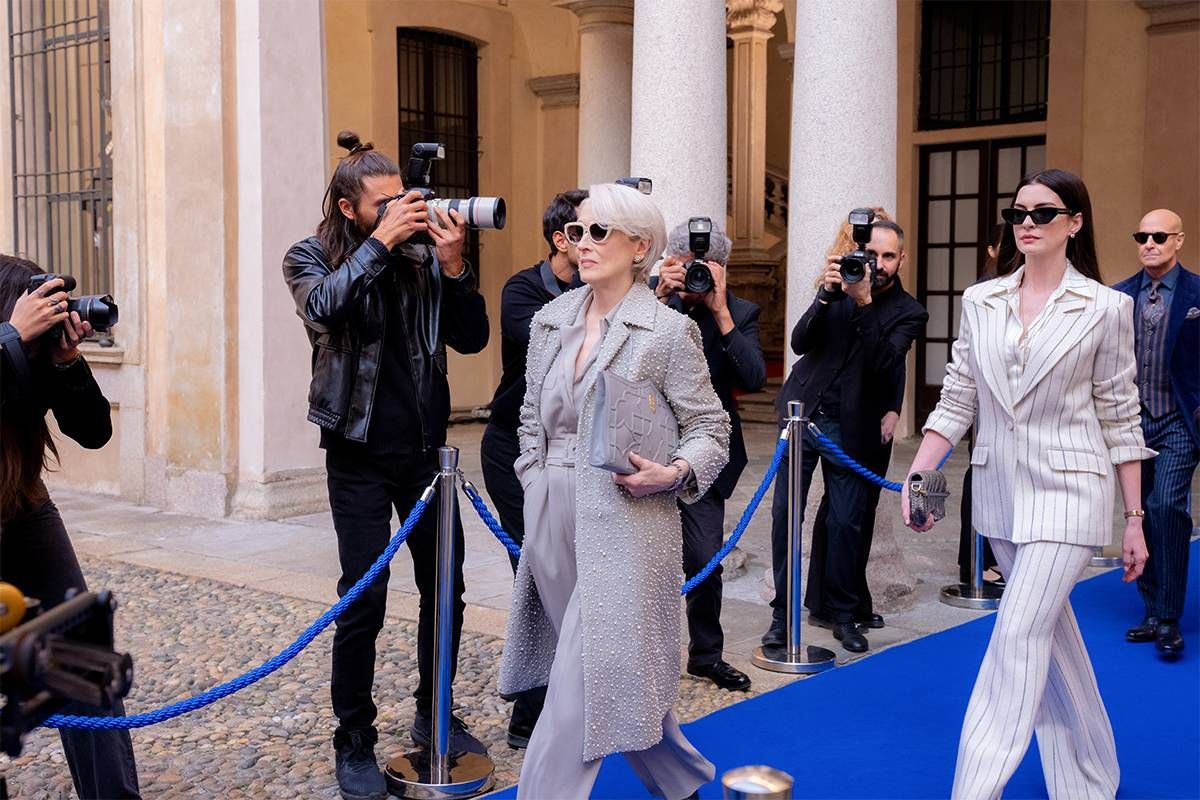
First still from The Devil Wears Prada 2. Courtesy of the press office What Power Looks Like in Fashion in 2026—According to The Devil Wears Prada 2
Twenty years later, the devil still wears Prada—but now Meryl Streep/Miranda Priestley battles algorithms, boards economy class (albeit briefly, and with visible disdain), and survives the ruthless democracy of social media with the same glacial composure that once made an entire generation of fashion assistants tremble. And yes, she does it with that eyebrow. The eyebrow. The one that launched a thousand careers, and ended just as many.
Spoiler alert: The Devil Wears Prada sequel does not try to capture lightning in a bottle. Instead, The Devil Wears Prada 2 does something smarter, sharper and frankly more fashion-forward: it acknowledges just how radically the industry has changed—while reminding us that true authority never goes out of style.
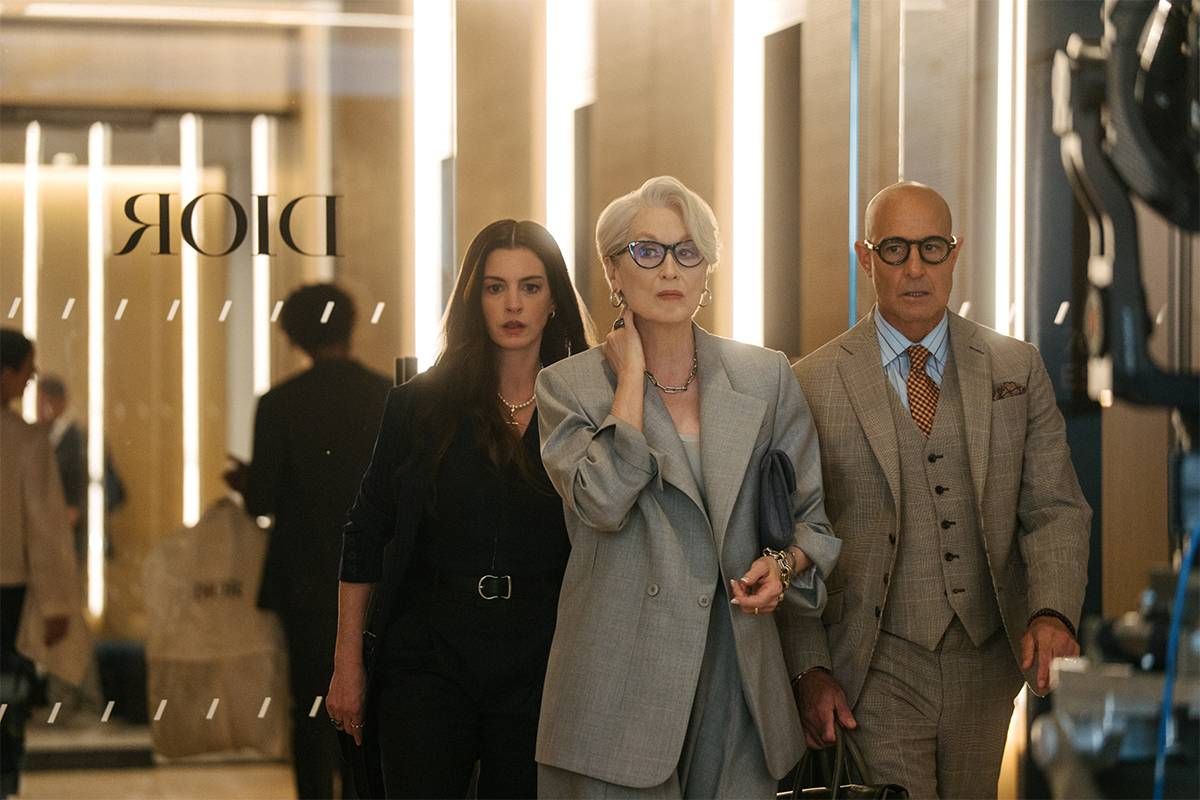
First still from The Devil Wears Prada 2. Courtesy of the press office Watching Meryl Streep, Anne Hathaway, Emily Blunt, and Stanley Tucci step back into the polished chaos of Runway magazine feels a bit like opening a vintage couture trunk: familiar, impeccably crafted silhouettes and a faint whiff of nostalgia, reimagined for a new era.
For those of us in fashion journalism—and yes, I count myself among that tribe—the return is as cinematic as it is emotional, professional, even anthropological.
What The Devil Wears Prada 2 Reveals About the Collapse of Fashion Media
Let’s start with the obvious: the fashion media landscape of 2026 is nothing like it was in 2006. Back then, glossy magazines ruled. Today, influencers-turned-content creators dominate, algorithms determine visibility, ad budgets dictate survival, and relevance is measured in clicks.
The Devil Wears Prada 2 wastes no time setting the scene. Once the unshakable temple of taste, Runway magazine is now under siege. Circulation is down, advertisers are restless, and readers have migrated to short-form video platforms where trends live and die in 48 hours. At the centre of this storm stands Miranda Priestley, still formidable and still convinced that excellence is non-negotiable, but this time she is no longer untouchable.
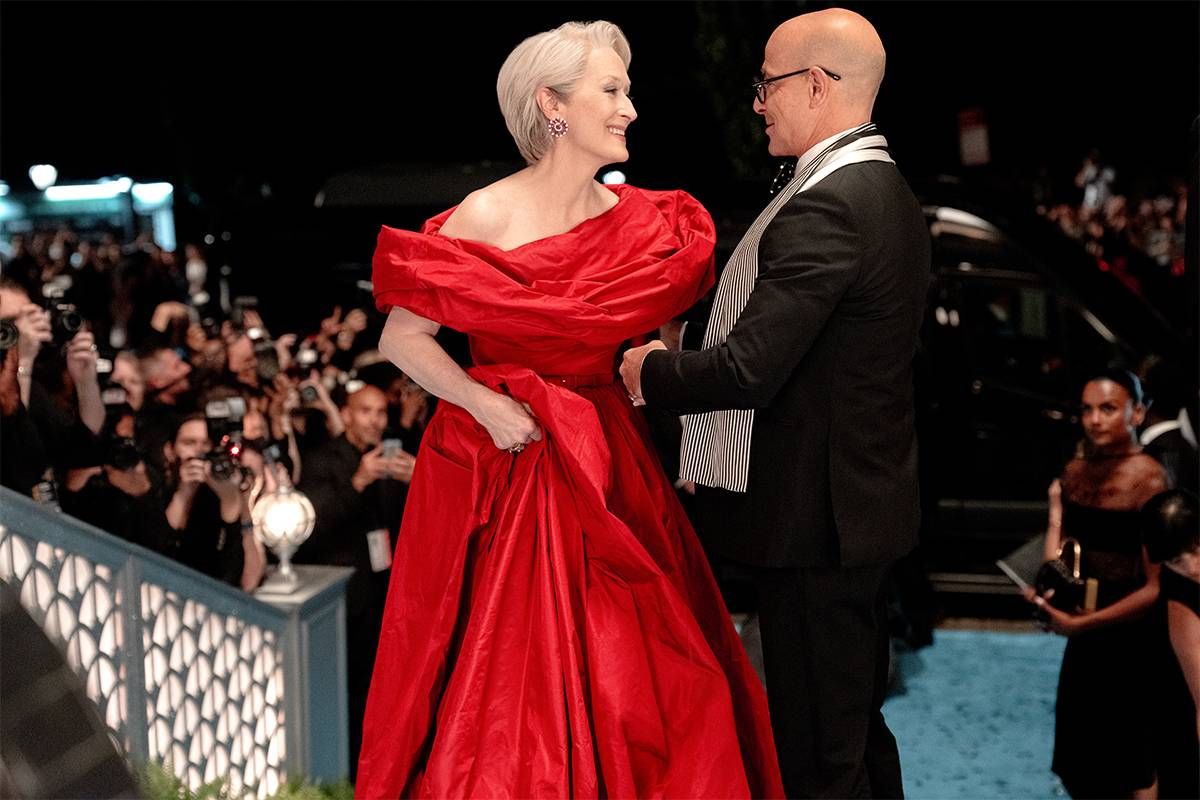
First still from The Devil Wears Prada 2. Courtesy of the press office Priestley is trending, and not in a good way. Online critics call her outdated, elitist, politically incorrect: a relic of a harsher era of fashion that prized perfection over sensitivity and discipline over inclusivity.
The brilliance of this sequel’s script—again penned by Aline Brosh McKenna and directed by David Frankel—lies in its refusal to defend or condemn her outright. Instead, it poses a far more interesting question: what happens when competence becomes controversial?
Andy Sachs and the New Reality of Journalism: What Happens When Talent Is Too Expensive
Enter Anne Hathaway as Andrea “Andy” Sachs. She is no longer the wide-eyed assistant struggling to pronounce Gabbana, but an award-winning investigative journalist: respected, serious, exhausted—and suddenly unemployed. In one of the sequel’s most grounded narrative twists, Andy loses her job not because she failed, but because the newsroom could no longer afford her—a painfully realistic moment for anyone working in media today.
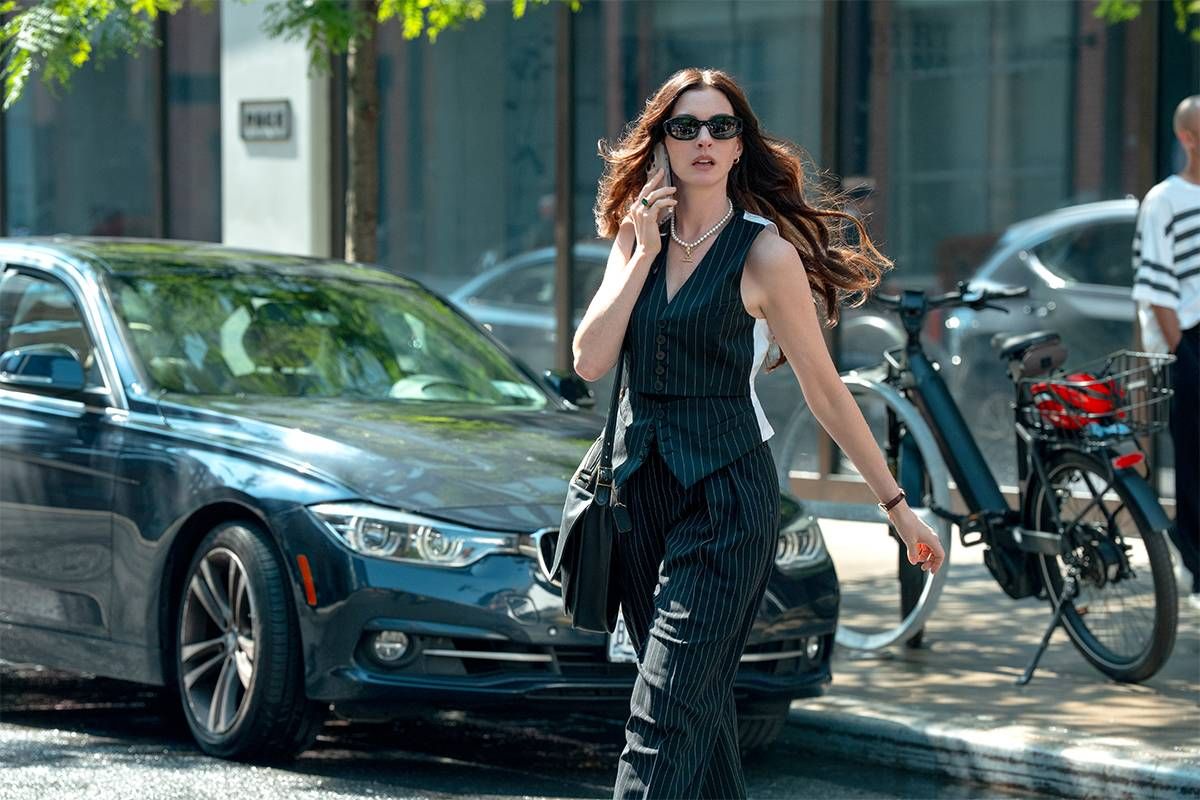
First still from The Devil Wears Prada 2. Courtesy of the press office So she does what many professionals secretly dread: she goes back—not because she wants to, but because she needs to. Miranda Priestley’s reaction is pure gold: a slow glance, a measured pause, and a line delivered with surgical precision. The audience laughs, then winces, because beneath the humour lies a bitter truth.
From Ambition to Economics: Why Advertising Now Controls Fashion’s Power Structure
If the first The Devil Wears Prada was about ambition, the sequel is about economics. Runway’s survival depends on advertising: not only talent, prestige or readership, but advertising. That is how Emily Blunt’s Emily Charlton (Miranda Priestly’s original assistant) storms back into the story, now transformed into a corporate powerhouse as Head of Communications at Dior. She is richer and just a little more dangerous.
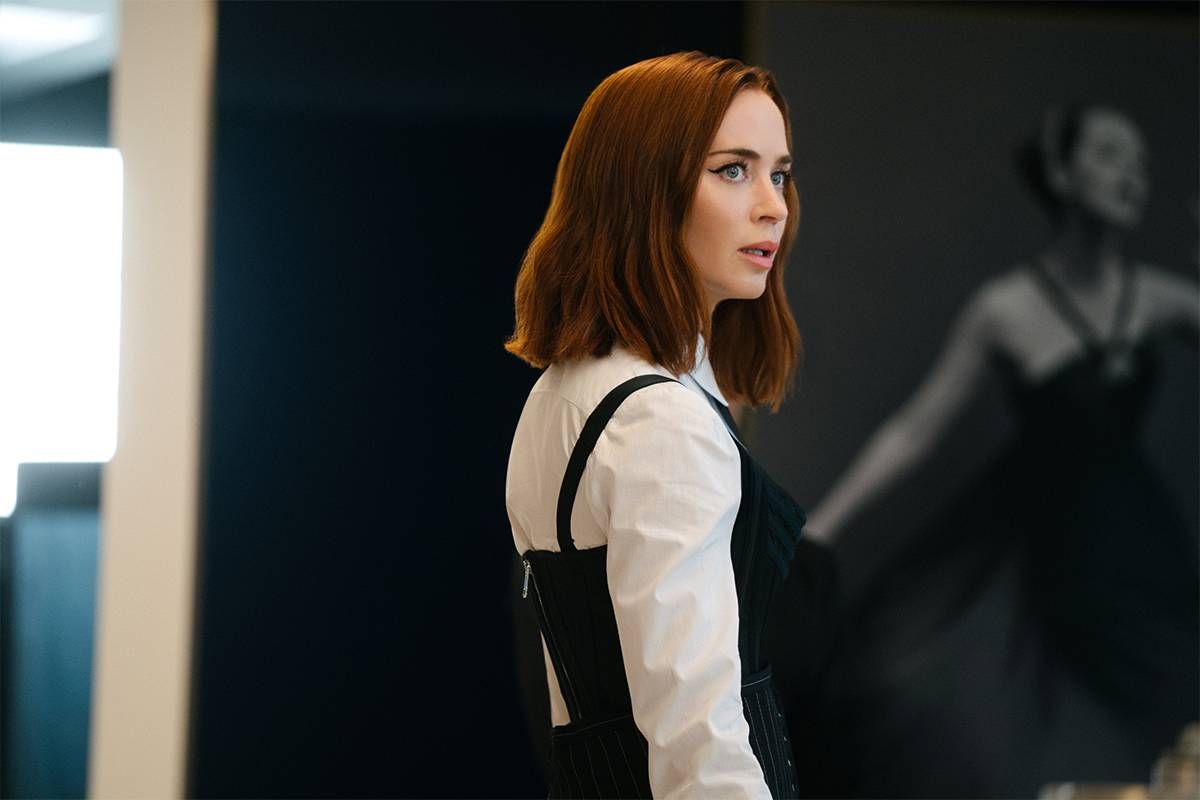
First still from The Devil Wears Prada 2. Courtesy of the press office Emily’s arc is one of the most entertaining in the film: after years of serving Miranda, she wants to become Miranda, wielding the same icy authority and ruthless efficiency. Yet the film reminds us that imitation is not mastery—authority must be earned.
When Power Loses Privilege: The Symbolism of Miranda Priestley Flying Economy
One of the film’s most talked-about sequences comes during the trip to Milan Fashion Week—and yes, it’s every bit as chaotic as you’d hope. Due to budget cuts, Meryl Streep’s Miranda Priestly is forced to fly economy—economy! Dressed in Bottega Veneta, she navigates cramped seats, noisy passengers, and a complete lack of champagne in what becomes a masterclass in physical comedy.
The scene is absurd and perfectly timed, reminding us that power feels very different when resources disappear.
What Milan Fashion Week Really Represents: Power, Spectacle and Status
Once the action shifts to Milan, The Devil Wears Prada 2 becomes a visual spectacle: brighter, louder, and unapologetically glamorous.
Runway attends a Dolce&Gabbana show, streetlights shimmer across the windows of Via Montenapoleone, champagne flows again, and then comes the moment everyone will be posting about: Lady Gaga performing the film’s theme song live during an exclusive event, a sequence so extravagant it borders on satire. It is intentionally over-the-top, knowingly glamorous, and it works because, at its best, fashion has always been theatre.
A Fragile System: What The Devil Wears Prada 2 Says About Fashion’s Financial Model
The sequel also takes an unexpected narrative turn when a sudden death destabilises the financial ecosystem around Runway, shifting the tone from comedy to reflection and reminding viewers that behind every glossy cover lies a fragile business model.
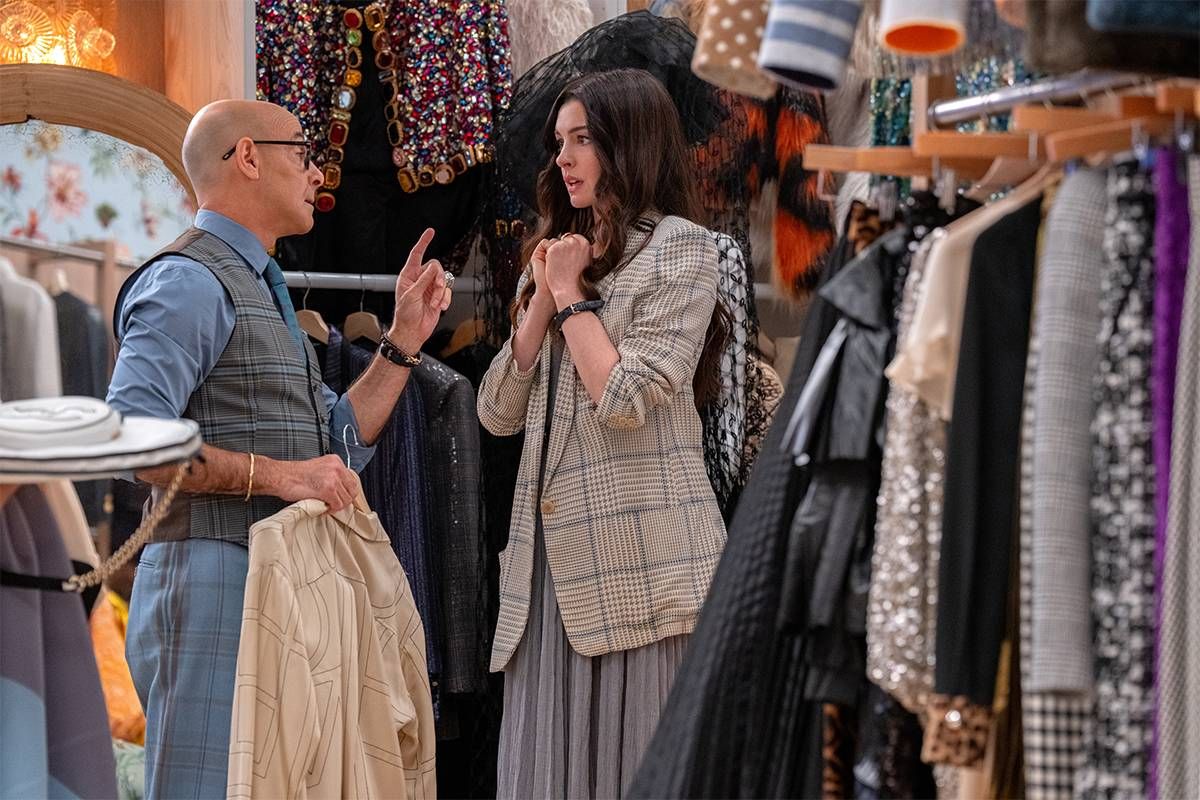
First still from The Devil Wears Prada 2. Courtesy of the press office Another standout moment comes when Miranda Priestly interviews the ex-wife of a tech billionaire: a character widely rumoured to be inspired by Jeff Bezos. Their conversation is elegant, restrained, and surprisingly philosophical as she speaks about loneliness, ambition and the invisible cost of success while Miranda listens in silence.
Why Cameos Still Matter in Fashion—and What They Reveal About Industry Power
The Devil Wears Prada 2 delivers plenty of insider delights as well, including cameos from Donatella Versace, who appears at the legendary restaurant Il Salumaio di Montenapolene, and Marc Jacobs, who makes a brief but memorable backstage appearance. These moments feel playful, affectionate nods to an industry that loves to laugh at itself even as it takes style very seriously.
How The Devil Wears Prada 2 Redefines Generational Power in the Fashion Industry
Beneath the glamour, however, the film carries a surprisingly mature message about generational change. It’s not about replacing the old guard, but integrating the new—recognising that veterans bring discipline while younger professionals bring speed and fresh perspective. True innovation happens when both sides listen and not when they compete.
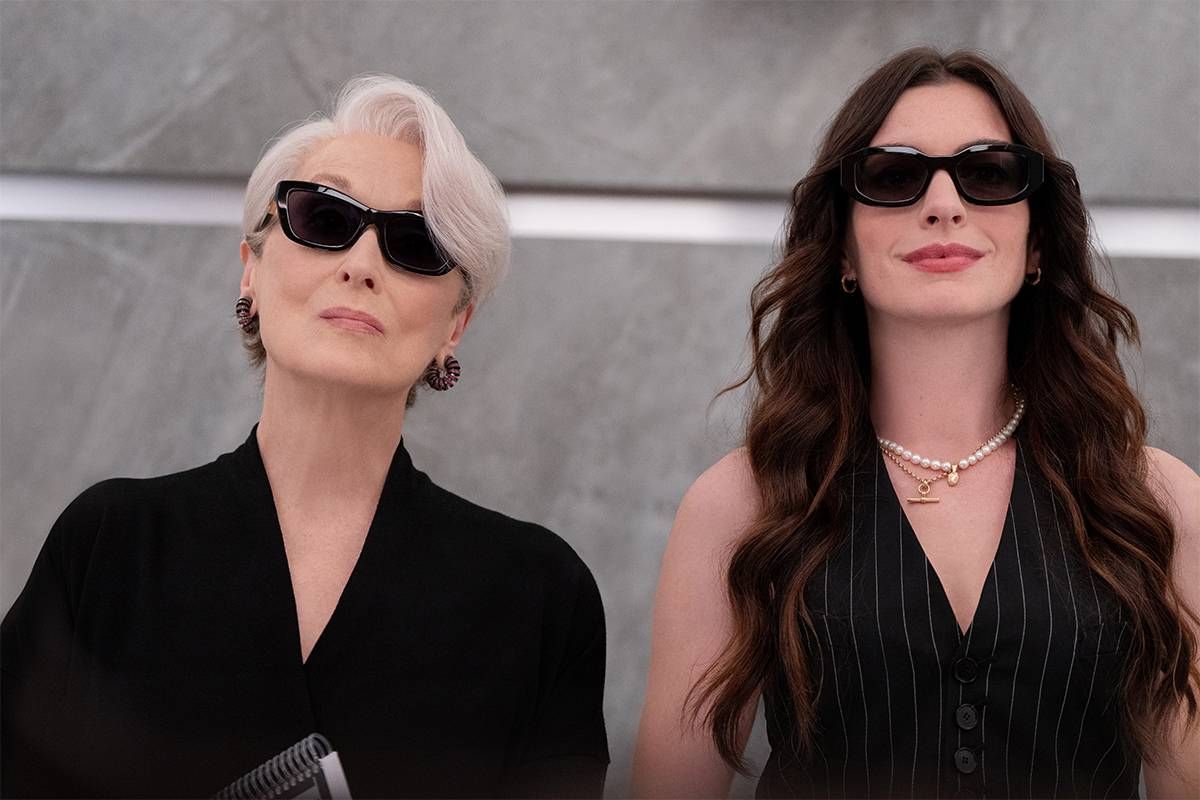
First still from The Devil Wears Prada 2. Courtesy of the press office The script explores this theme without moralising and favouring lived experience, where mistakes happen, egos clash, and collaboration slowly becomes a winning strategy.
What Professional Friendship Looks Like in 2026—According to Andy Sachs and Emily Charlton
Friendship, too, is portrayed with refreshing realism. Andy Sachs and Emily Charlton are no longer rivals, yet they are not best friends either; they respect each other, collaborate when necessary and maintain boundaries, reflecting the kind of professional relationships that feel true to life.
The film also addresses diversity and sustainability with pragmatic honesty, acknowledging that the fashion industry is making progress toward inclusion and responsibility, but still has a long way to go—and that change takes persistence.
Why Passion Still Wins: The Only Currency That Survives Fashion’s Crisis
At its core, The Devil Wears Prada 2 circles back to the oldest truth in fashion and in any creative profession: passion is the real currency. It endures exhaustion, rejection, office politics, budget cuts and long nights spent chasing impossible deadlines.
Miranda Priestley embodies that obsession more clearly than anyone else on screen, loving her work with a ferocity that borders on irrational—more than comfort, more than reputation, sometimes even more than family. In the end, she wins—not because she is kind or fair, but because she is prepared and she has a vision.
Beyond Nostalgia: Why The Devil Wears Prada 2 Is Really About Relevance
Sequels rarely recapture the magic of the originals; the surprise is gone, expectations are higher, and nostalgia can be heavy. Yet The Devil Wears Prada 2 achieves something rarer than magic: relevance. It understands that industries evolve, platforms shift, audiences change, and trends vanish overnight, but excellence remains timeless.
For professionals who grew up with the first film—especially those of us who built careers in fashion journalism—this sequel feels less like a reunion and more like a mirror, reflecting how far the industry has come and how much further it still has to go.
When the credits roll, one feeling lingers above all others: the world may move faster than ever, AI may decide what we see, and trends may disappear overnight, but talent—REAL talent—always finds a way to stay in style.