

Can sustainable fashion be scaled through craft? Adidas and MAZ offer a new model
Can craft scale without losing its value? MAZ, a Colombian brand, proposes a new model for sustainable fashion, including a collaboration with Adidas
Preserving local cultures and craftsmanship often seems incompatible with scaling up, especially as the fashion industry faces growing pressure to prove that sustainable fashion can succeed beyond niche markets. Yet some brands are beginning to present an alternative model where growth and craft coexist.
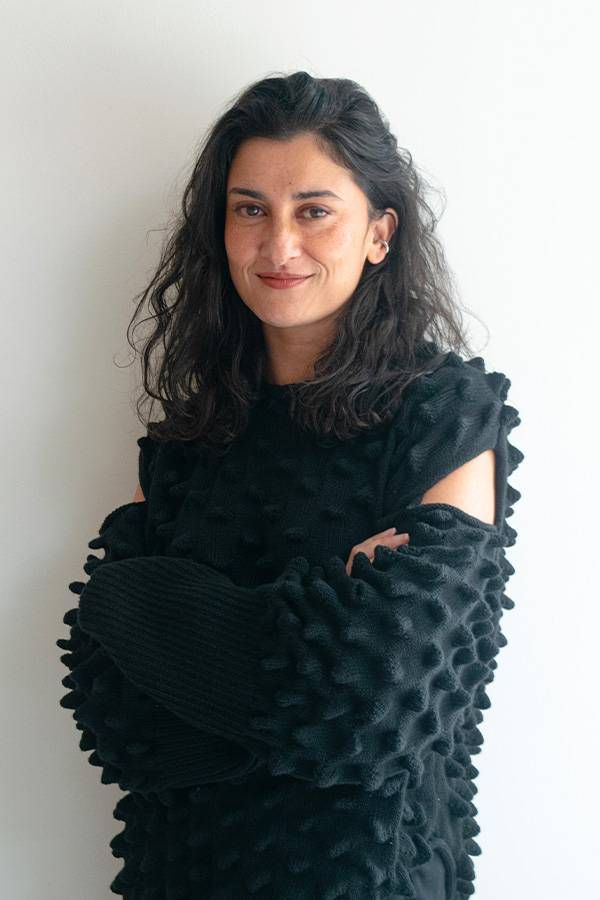
One such figure is Manuela Álvarez, founder and creative director of the Colombian brand MAZ. After studying Fashion Design at Istituto Marangoni Milano—where she developed a strong interest in contemporary tailoring and started shaping her creative voice through hands-on experience—she returned to her home country with the clear goal of building a label rooted in both structural design and cultural richness.
Launched in 2013, MAZ was conceived as a dialogue between classical tailoring and ancestral knowledge embedded in Colombia’s Indigenous heritage. Through ongoing textile research and collaborative practices, the brand has gradually evolved into a model in which craftsmanship is not an aesthetic choice but an integral system. Since 2017, this approach has taken a more defined shape, with around 90% of garments developed in collaboration with artisan communities across Colombia.
In addition to leading the brand, Álvarez has developed a consultancy practice focused on textile innovation and co-creation, working with organisations such as Artesanías de Colombia, the Government of Cundinamarca, and private partners including Grupo Éxito.
As a semifinalist for the 2026 LVMH Prize, she was the sole designer from Colombia and Latin America among the 20 selected, underscoring the growing international recognition of fashion talent in the region.
MAZ’s recent collaboration with Adidas, which resulted in Raíz de Fénix (Phoenix Root)—the first Adidas collection entirely created by a Colombian brand—serves as a compelling case study not only for sustainable fashion but also for the potential coexistence of craft, community and scalability. Maze35 spoke with Álvarez to learn more about her work and vision.
What Makes a Sustainable Fashion Brand Stand Out in a Global Market?
Where did the idea for MAZ come from?
Manuela Álvarez: When I was studying at Istituto Marangoni, I imagined a brand that would empower feminine energy through tailoring. At the same time, I felt an instinctive pull towards my country’s artisanal knowledge—something hands-on and deeply rooted.
How did you set out to build a sustainable fashion brand from the ground up?
Manuela Álvarez: At the time, Colombia and Latin America were often portrayed through a Caribbean chic lens—beaches, warmth, colour. That narrative exists, of course, but it doesn’t represent everyone. I am from Bogotá: a city that is cold, grey, and introspective. We wear black. That’s also Latin America. I wanted to build a brand that reflected who I am and a more complex idea of Latin identity beyond stereotypes.
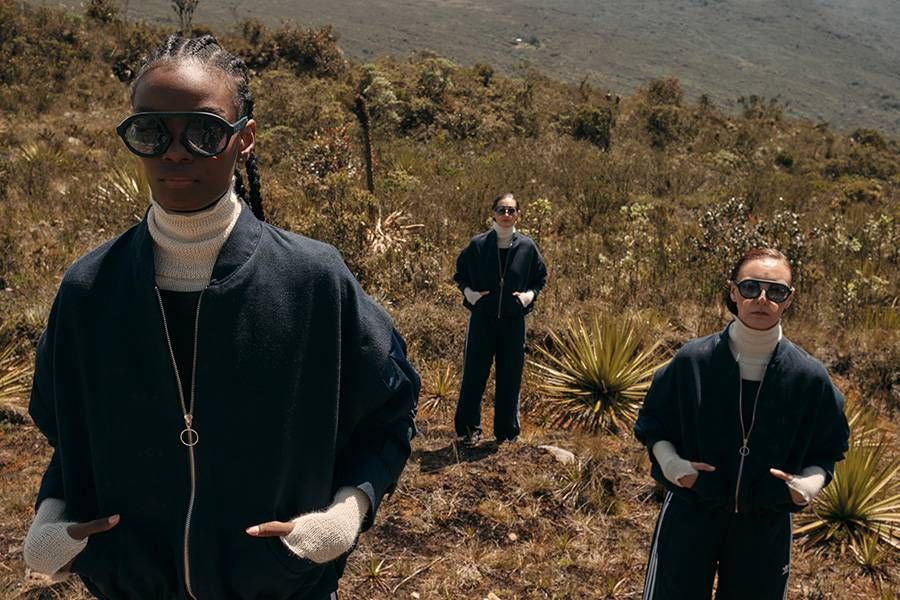
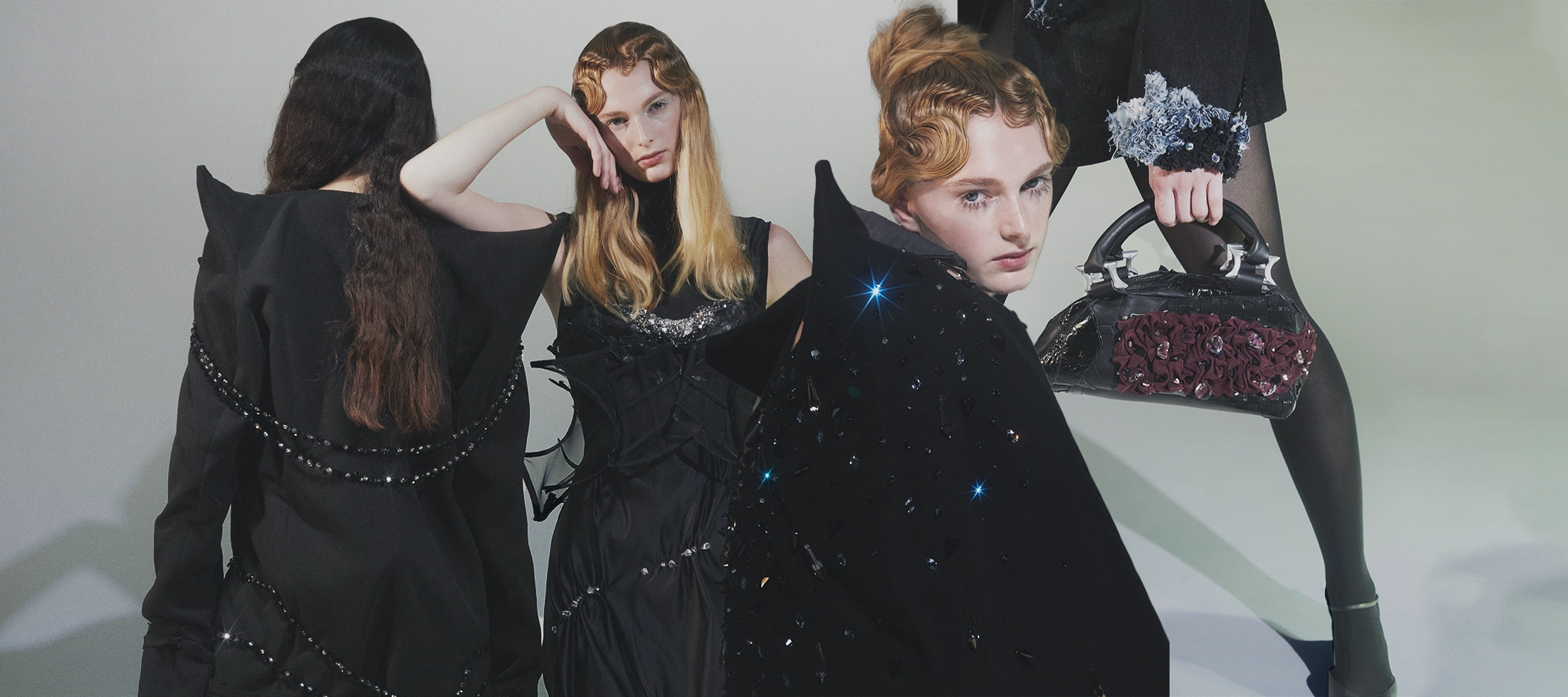
MAZ explores a darker, introspective vision of Latin American identity through tailoring, craftsmanship and contemporary Colombian fashion. Courtesy of MAZ
How Artisan Communities Are Changing the Fashion System from Within
When did working with artisan communities become central to your practice?
Manuela Álvarez: Very early on, through my collaboration with Artesanías de Colombia, a governmental institution supporting artisan communities nationwide. That was my first real encounter with ancestral and traditional craftsmanship. Working alongside these communities, I discovered a way of seeing the world where everything holds meaning: every gesture, technique, and material is symbolic, poetic, and intimately connected to the land. It’s about spirituality, respect for territory, craftsmanship and tradition. Their generosity and openness made a lasting impression on me.
“Craft is more difficult, yes. But it comes with responsibility and with purpose” – Manuela Álvarez, alumna of Istituto Marangoni Milano and founder and creative director of the Colombian brand MAZ
How did that experience transform the way you work as a designer?
Manuela Álvarez: The new direction became clear—at least 90% of MAZ’s pieces would be created with ancestral or traditional artisan communities. It was a radical shift: more complex and expensive, but also far more meaningful. Craftsmanship gives the product a reason to exist; it comes from the soul, responsibility, and shared growth. That shift changed everything: the brand, the process, the meaning behind each piece.
From Idea to System: How Sustainable Fashion Becomes a Working Model
How did this work evolve into a structured framework?
Manuela Álvarez: This approach has opened doors to many projects, including an invitation to speak at the United Nations headquarters in New York. From these experiences, we developed what we call the MAZ 360° Holistic Sustainable Process: a framework built on five core values that guide ethical, transparent, and highly structured collaboration with artisan communities in Colombia.
What is the first core value behind MAZ’s model?
Manuela Álvarez: Self-sustainability. Many basic securities we take for granted—food, shelter, stability—are not guaranteed for many artisan communities. Before anything else, our priority is to support their autonomy and help foster long-term sustainability.
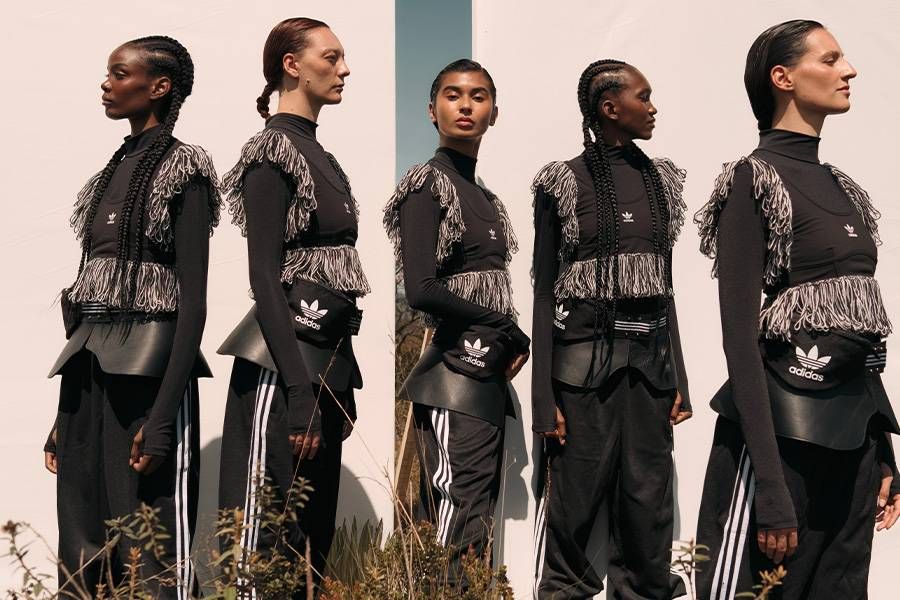
Looks from the Adidas x MAZ collaboration combine sportswear, craftsmanship and ethical production through MAZ’s holistic sustainable fashion framework. Courtesy of MAZ Then come creativity and cultural awareness: how do they define your collaborative processes with artisan communities?
Manuela Álvarez: Every project begins with workshops where we ask communities what they want to create, whether they wish to innovate, and how they envision their craft evolving. Innovation is never imposed; it’s co-developed while also exploring new materials, fibres and unexpected applications.
How important is direct collaboration with artisan communities in your model?
Manuela Álvarez: Networking with artisan communities is crucial. We’ve created a transparent system that connects artisans directly with external collaborators. Through our platform, anyone interested in working with a specific technique—such as macramé—can contact the artisan directly. This creates opportunity, visibility, and independence.
Does this lead to highly crafted products with full transparency and traceability?
Manuela Álvarez: Yes. The MAZ roadmap is not just for us: it’s designed as an open framework for anyone interested in working with cultural awareness and social impact.
Can Craft Become Scalable Production Without Losing Its Cultural Value?
How is production structured at MAZ when working with handcrafted techniques?
Manuela Álvarez: On average, we produce between 100 and 150 pieces per month for our flagship store and core activities. For specific projects, those numbers can change significantly. For example, the Adidas collaboration involved over 650 pieces, all handcrafted, produced in just two and a half months.
“Handcrafted does not necessarily mean limited to one-of-a-kind pieces. It can also mean scalable, if the process is structured with care and respect” – Manuela Álvarez
Can craft be scaled in practice?
Manuela Álvarez: What often surprises people is that, although MAZ is a niche, concept-driven brand, we’ve developed a system that enables us to work with artisan communities even on larger-scale productions.
Why the Adidas x MAZ Collaboration Redefines the Future of Sustainable Fashion
How did the Adidas x MAZ collaboration start?
Manuela Álvarez: It started as a competition. Adidas partnered with Inexmoda, the organisation behind Colombiamoda, seeking a women-driven brand with genuine sustainability—not greenwashing, but real social impact. After several selection rounds, we were chosen unanimously. I was very transparent from the outset: our processes are more layered and require greater investment, but they run deeper. Adidas embraced that vision.
How did that collaboration take shape in the Raíz de Fénix collection?
Manuela Álvarez: The 650 pieces were made by reworking existing Adidas stock through artisanal techniques, inlcuding macramé, hand-treated leather, traditional weaving, and collaborations with Indigenous communities from Putumayo, in the Colombian Amazon. One community we’ve worked with for over a decade handcrafted Adidas trefoils from stone.
What story does this collection reveal about craft, identity and Colombian women?
Manuela Álvarez: Adidas asked me to speak about Colombian women. But for me, inspiration doesn’t come from cities like Bogotá or Medellín. It comes from women in remote regions, who protect land, preserve culture and educate future generations. These women have faced hardships, yet they constantly rise again. That resilience is the true heart of the collection: that’s the phoenix, that’s the root.
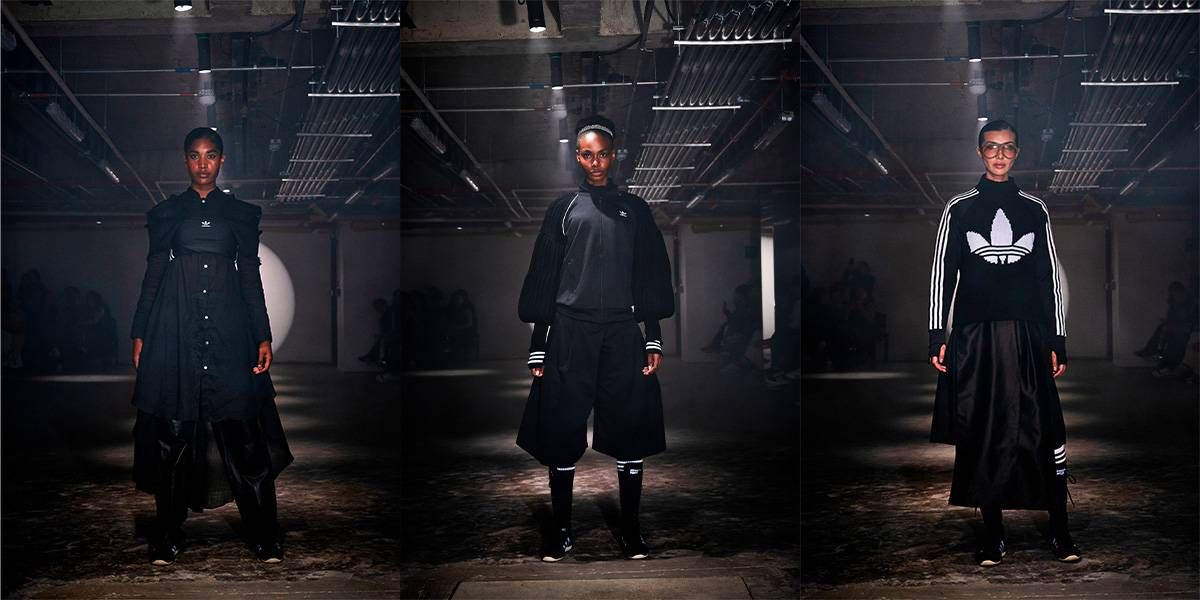
Runway looks from Raíz de Fénix, the Adidas x MAZ collection inspired by Colombian women, resilience and artisan craftsmanship.
Where Sustainable Fashion Is Heading Next: Craft, Innovation and Global Reach
Looking ahead, how do you see MAZ evolving globally?
Manuela Álvarez: I want MAZ to evolve from a multicultural Colombian and Latin American brand into a truly global one, continuing to open doors, build bridges and innovate through craftsmanship.
“MAZ is not just a fashion brand: it’s a textile and creative laboratory” – Manuela Álvarez
What are you most proud of in building MAZ today?
Manuela Álvarez: We don’t transform traditional or ancestral techniques because they lack beauty, but to explore new forms of expression through fashion and textile creativity. Today, we’re proud that not over 90% of our garments are handcrafted, and 90% of our textiles are developed in-house.
Silvia Tarini
Editor, Milano








.jpg)

.jpg)
_th.gif)