
Altagamma: The future of luxury is changing
The Bain–Altagamma Study examines the forces defining the future of luxury, from AI and experiences to cultural relevance
Luxury is entering a new chapter, where meaning matters as much as growth. According to the latest Bain–Altagamma Luxury Goods Worldwide Market Study, the global luxury industry is moving towards a new equilibrium after years of rapid expansion, pandemic rebounds, inflation, and geopolitical instability. The market is no longer driven by expansion; instead, relevance has taken centre stage, with the strongest brands doubling down on their core identities while adapting to consumers whose expectations are evolving faster than ever.
As the future of luxury unfolds, Fondazione Altagamma continues to strengthen its role as both the leading voice of Italy’s high-end cultural and creative industries and one of the most authoritative interpreters of the forces reshaping the system.
The study paints a realistic picture, while offering cautious grounds for optimism. Global luxury spending reached €1.443 trillion last year and is now entering a phase of gradual consolidation. While uncertainty lingers in the economic landscape, the sector’s fundamentals remain impressively resilient. Bain’s baseline scenario anticipates total luxury spending between €1.44 trillion and €1.47 trillion in 2026, with growth ranging from 0% to 2% at constant exchange rates.
Visualizza questo post su Instagram
Why Luxury Experiences Are Outperforming Luxury Goods
One of the clearest trends in today’s market is the growing importance of experiences. Luxury hospitality, fine dining, wellness, exclusive travel and personalised services are consistently outperforming many traditional categories, confirming that consumers now value memorable moments over material possessions.
Ownership is no longer the only aspiration. Participation, emotional resonance, and authenticity are becoming equally important drivers of desire.
Consumer aspirations are changing, with younger generations redefining the very meaning of prestige. They expect brands to deliver not just exceptional quality, but also stories worth sharing, communities worth joining, and values worth believing in. Luxury today is as much about emotional connection as it is about masterful craftsmanship.
Where Luxury Is Growing
Geography is also redefining the sources of luxury growth. The United States continues to exceed expectations, supported by resilient domestic demand, strong local brands, and younger luxury consumers entering the market with confidence. In contrast, Europe and the Middle East have experienced more modest results, reflecting slower economic conditions and greater uncertainty.
These diverging trajectories highlight an important reality: the era of the single global luxury consumer is over. Brands must tailor their strategies to local markets while preserving a unified global identity. Consistency remains essential, but flexibility is now equally important.
Visualizza questo post su Instagram
Why Meaning Matters More Than Exclusivity
However, the most significant transformation is less visible than economic indicators suggest. Luxury is shifting from competing solely on exclusivity or product excellence to competing on meaning.
Consumers now seek to understand what a brand stands for, how it contributes to society and why it deserves a place in their lives. Authenticity has become a strategic asset, while cultural relevance is emerging as one of the industry’s strongest competitive advantages.
Although the polarisation between luxury brands persists, the market is showing signs of greater balance. Around 60% of luxury companies outperformed their previous year’s results, suggesting the sector is gradually overcoming the turbulence experienced over the last few seasons. The brands achieving the strongest results are those that reinforce their identity while remaining open to innovation.
How AI Is Changing Luxury Shopping
Technology is accelerating this transformation. Artificial intelligence is rapidly becoming integral to the luxury purchasing experience, influencing discovery, product research, personalisation, and customer service.
Today, one in two consumers already use AI during their buying journey, and nearly all intend to continue doing so.
Why Resale Is Becoming Part of Luxury
Equally significant is the rise of second-hand luxury. Half of consumers now consult resale platforms before purchasing new products, a behaviour that reflects changing attitudes toward sustainability, investment value, and product longevity
Far from weakening luxury, the secondary market reinforces its timeless appeal, proving that exceptional products can retain value across generations.
Why Luxury Brands Are Investing in Sport
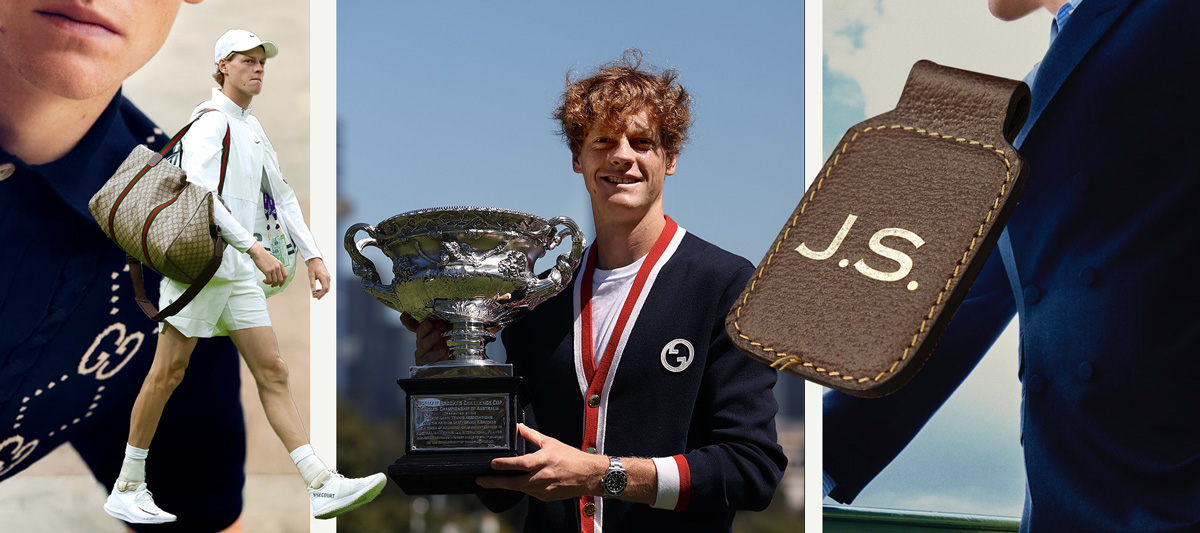
Another defining trend is the increasingly close relationship between luxury and sport. More than 80% of the market’s total value now comes from brands that have sponsored sporting activities over the past twelve months. Formula One, sailing, tennis, football, and the Olympic movement have become powerful platforms for luxury brands to express performance, precision, excellence, and aspiration.
Sport offers far more than global exposure. It fosters engagement, enriches storytelling, and allows brands to connect with audiences through shared values rather than relying solely on traditional advertising. As a result, sponsorship has become an essential component of sustainable brand building.
Visualizza questo post su Instagram
What Is Fondazione Altagamma?
While Altagamma collaborates with leading global management consulting firms such as Bain & Company on reports and forecasts, its broader role is to serve as a guiding force for Italy’s luxury industry.
Founded in 1992, Fondazione Altagamma brings together the leading companies of Italy’s high-end cultural and creative industries, internationally recognised as ambassadors of Italian style and excellence. Its mission is to bolster the growth and competitiveness of these businesses while promoting the values that distinguish Made in Italy worldwide.
Its members span sectors including fashion, design, jewellery, food, hospitality, mobility, and wellness—industries that together embody one of Italy’s most significant economic and cultural assets.
Membership is by invitation or co-option: new companies are proposed by at least two existing members before being approved by both the Board of Directors and the General Assembly, ensuring that Fondazione Altagamma consistently upholds the highest standards of excellence.
What the Bain–Altagamma Study Reveals
The enduring collaboration between Altagamma and Bain & Company has produced one of the world’s most respected analyses of the luxury industry, providing executives, investors, and institutions with valuable insights into the forces driving long-term transformation.
Beyond the numbers, the greatest value of the Bain–Altagamma study lies in the insights it provides. For students, entrepreneurs, designers and young professionals dreaming of entering the luxury industry, today’s market offers a clear lesson: technical excellence remains essential, but it is no longer sufficient on its own.
Tomorrow’s luxury leaders will need to combine creativity with technology, craftsmanship with innovation, heritage with sustainability and business strategy with cultural intelligence. They will need to harness data while remaining attuned to emotion, embrace artificial intelligence while preserving human creativity, and build global brands that remain authentic.
What the Future of Luxury Looks Like
This is precisely why Altagamma’s role matters today more than ever. More than a network of outstanding Italian companies, it represents a vision of luxury rooted in culture, responsibility, and long-term value creation. Trends may change, but excellence endures. That is where Fondazione Altagamma stands out, showing how Italy’s greatest strength lies in its ability to innovate without ever losing its identity.
As luxury moves into its next phase, opportunities will favour those who can interpret change rather than mindlessly chase it. The future will reward brands and professionals that prioritise meaning over products, experiences over transactions, and lasting cultural value over short-term success. That is the clearest signal from today’s landscape, and one that should inspire anyone looking to build a future in one of the world’s most fascinating industries.
Angelo Ruggeri
Journalist and Tutor for Styling, Business and Design Courses and Master’s Programmes, Milan