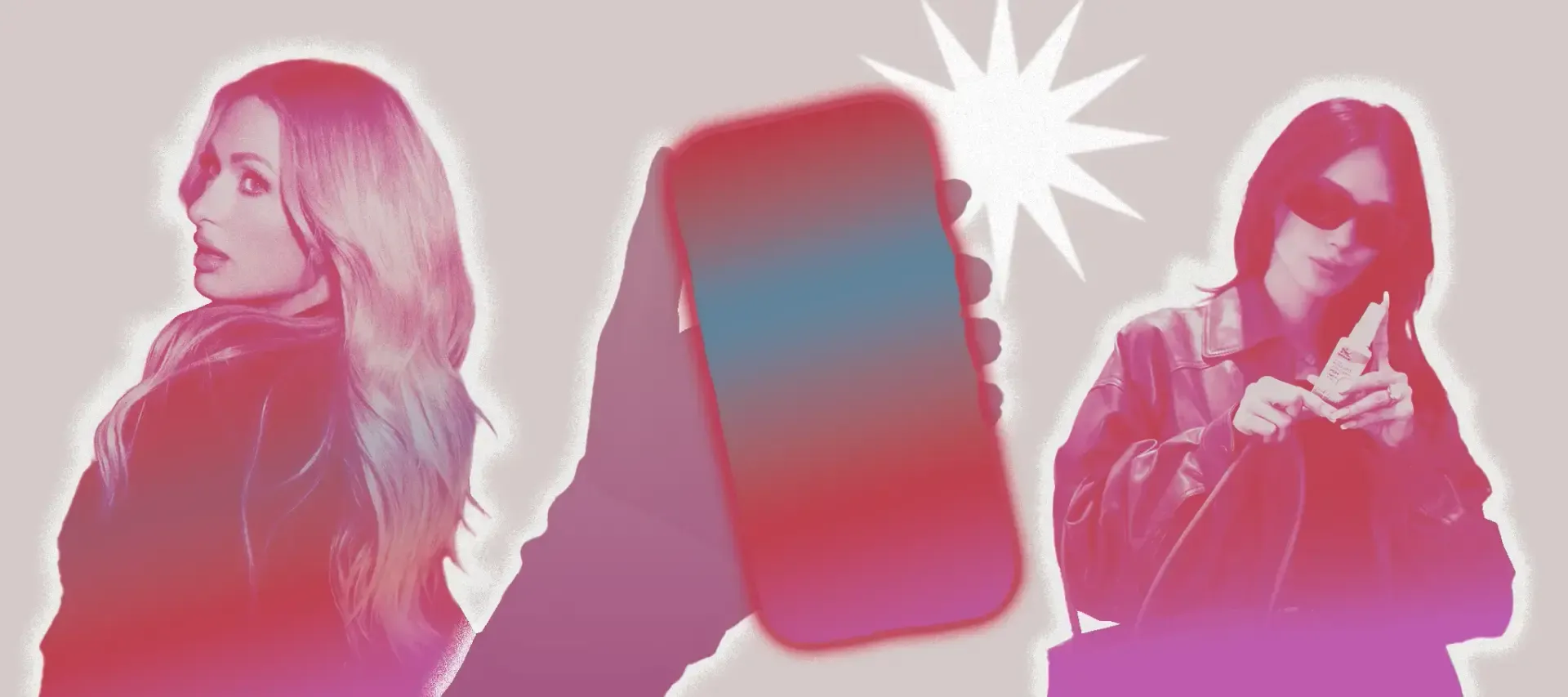

Why is Gen Z so nostalgic? Why nostalgia has become marketing’s most human tool
Childhood memories, TikTok trends and Disney reboots reveal why nostalgia has become the most powerful driver of Gen Z culture and modern marketing
Why is Gen Z so into old Instagram filters, childhood toys and the year 2016? From vintage fashion to TikTok’s “2026 is the new 2016” trend and Disney reboots, nostalgia is driving how young people shop, create, and connect. Underneath the aesthetics, this longing for the past really comes down to a search for comfort and emotional stability in a world that feels unpredictable. This piece explores why nostalgia hits home for Gen Z and how brands have learned to turn those emotions into one of today’s most powerful—and most human—marketing tools.
Watching “What’s in My Bag?” videos, using old Instagram filters, and collecting cute toys: is this childhood nostalgia, or simply how we unwind these days? Most of us barely noticed when trends started moving backwards. For Gen Z, though, this return is a form of therapy, a way to escape the overwhelming stress of reality.
Here’s what I keep wondering: Are we buying products, or are we buying feelings? And what does this say about Gen Z’s inner world? Why do so many of us, despite our different backgrounds and cultures, share this same sense of longing? And how do brands turn it into profit?
@loveleeeeeli good times🌴🩷 #2016 #2016summer #2016throwback #2016core #2016vibes ♬ Lean On - Major Lazer / MØ / DJ Snake
Why Is Gen Z So Nostalgic?
Gen Z’s nostalgia isn’t just about loving old styles—it’s about what those memories bring up: a sense of safety, stability, and belonging.
We grew up in a period of constant uncertainty. Our teenage years were spent locked indoors because of Covid-19, and now, just as we’re starting adulthood, the world feels shaky all over again.
We are the first generation to have come of age online, which is why this topic hits close to home for all of us. We crave simplicity, security and something that helps us feel grounded. Many of us are tired of endless digital noise and bad global news. We long to return to a time that felt easier and happier, or at least that’s how we perceive it.
Why Childhood Nostalgia Feels So Comforting
Pinterest Predicts™ 2026 backs this up. Their annual trend report says we’re all seeking comfort, authenticity, and optimism to tune out the constant noise of the world and social media. With trends now moving 4.4 times faster than they did seven years ago, we are experiencing what Pinterest calls "trend fatigue," turning instead to forms of personal exploration and emotional wellbeing.
One of the report’s key themes is Emotional Comfort and Belonging. More than half of respondents (55%) say that comfort is essential in their daily lives. We seek refuge in safe spaces, find reassurance in everyday rituals, and, most importantly, use nostalgia to reconnect with ourselves.
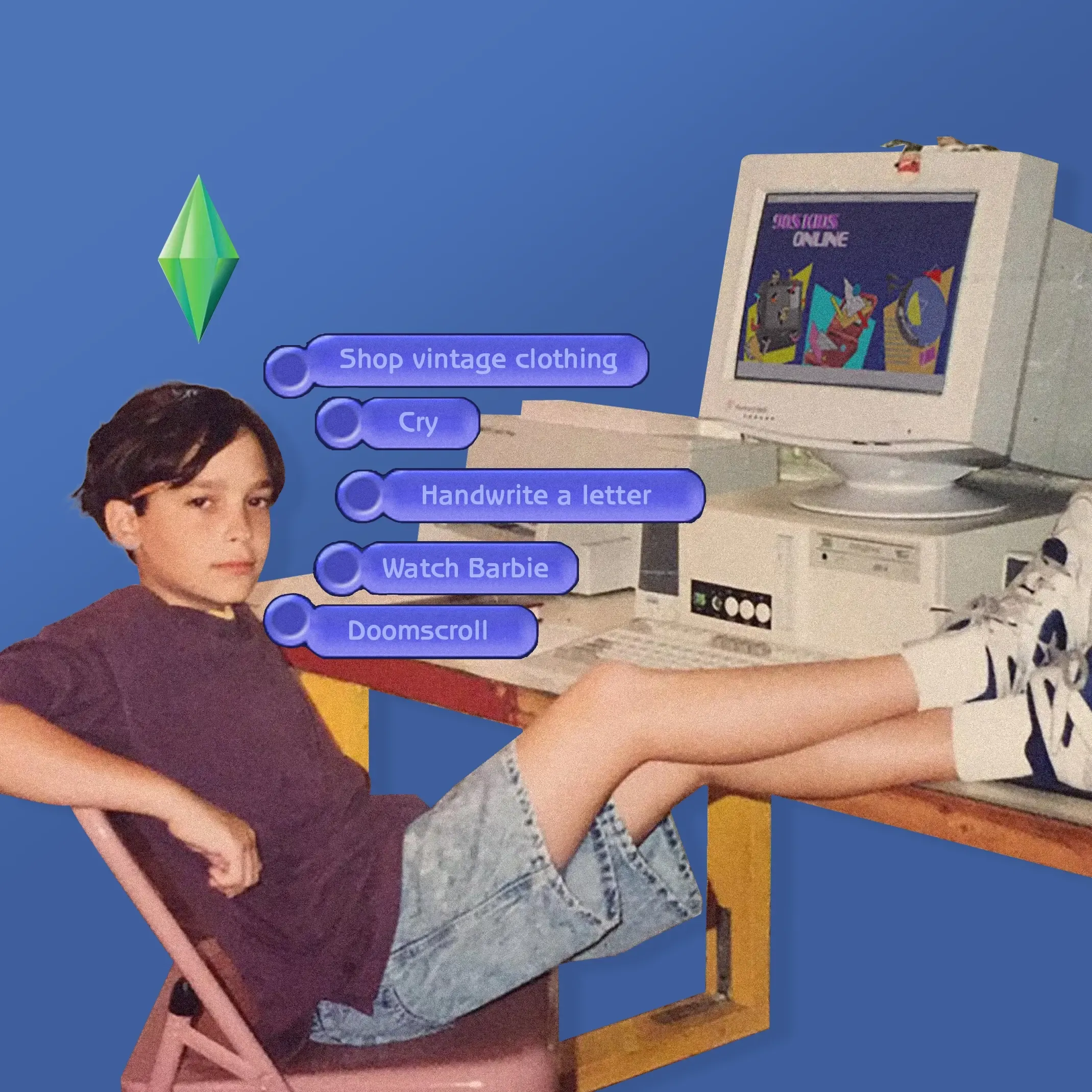
This need is reflected in several of Pinterest’s 2026 forecasts. The Just Like the Good Old Days trend sees younger people embracing vintage clothing, second-hand fashion and classic childhood toys, while older generations revisit the icons of their youth. Pen Pals predicts a return to handwritten letters, decorated envelopes, and snail mail, as Gen Z and Millennials replace emails with more personal forms of communication. Even fashion looks to the past, with trends such as Family Heirlooms and Lace Revival putting a fresh spin on vintage accessories, inherited jewellery, and traditional craftsmanship for a new generation.
How Brands Use Nostalgia Marketing to Sell Emotional Comfort
Let’s face it: we live in a society where every thought and feeling can easily be turned into profit, and brands jump on trends fast, repackaging old ideas and selling them right back to us.
For example, Disney and other major studios rarely gamble on new stories now. Instead, they continue producing live-action remakes and endless sequels—which, honestly, makes sense. Nostalgia is a safe bet. It hooks us emotionally and brings in box-office returns from audiences who already love these stories.
At the same time, remaking familiar stories allows studios to update them with greater diversity, new technologies, and visuals that appeal to younger generations, turning them into new fans.
Visualizza questo post su Instagram
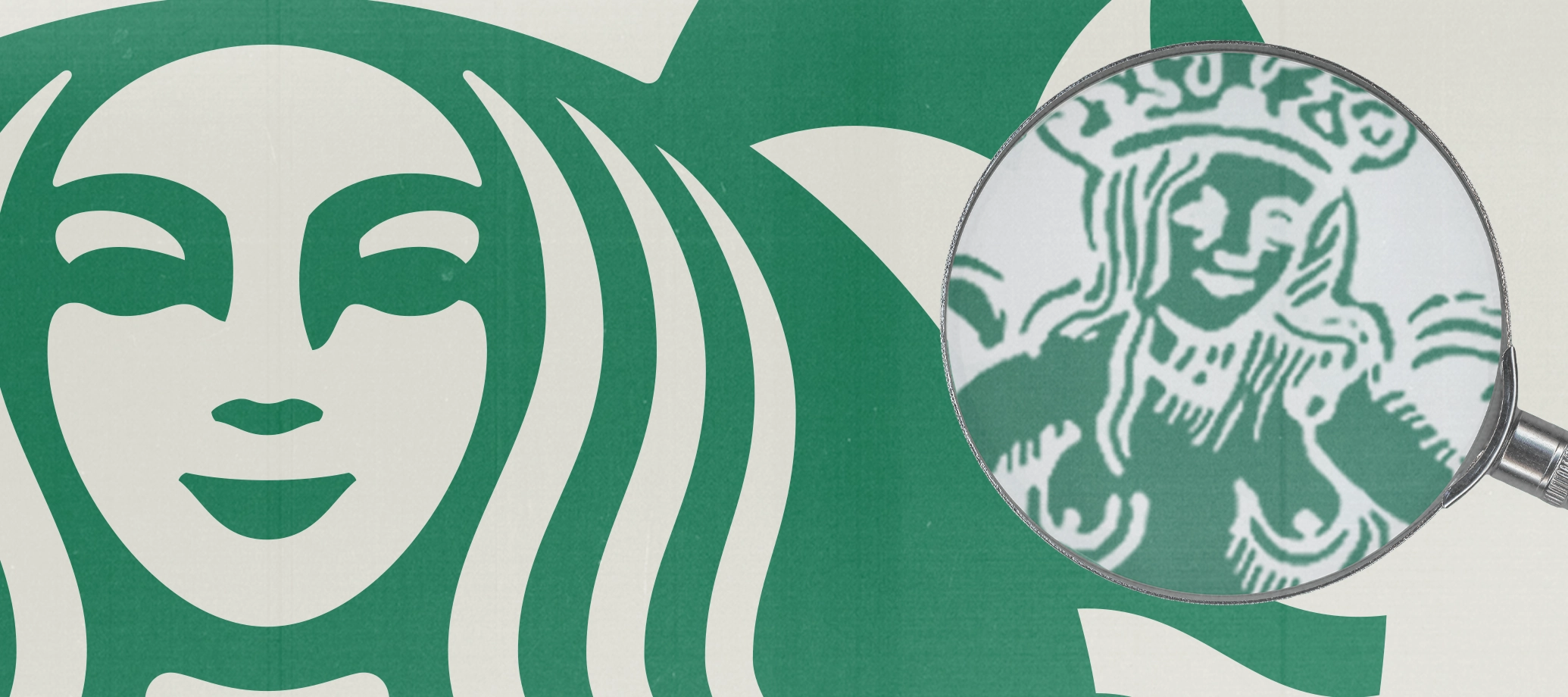
Many successful campaigns combine old-school vibes with contemporary formats to keep things feeling fresh. Brands everywhere are redesigning their logos en masse, ditching minimalism to return to their roots with film studios for collaborations that get everyone talking.
The Barbie film from Warner Bros. is a perfect example: it took over the media through countless references to pop culture and visual nods to fashion, events and icons from the past. It worked because the past feels familiar, and familiarity sells.
These strategies allow brands to connect with audiences with remarkably little effort. As Esther Van den Eynde writes for StoryChief: “In a world of AI garbage, nostalgia marketing is the most human marketing tool.”
Nostalgia-driven campaigns remind us of simpler times and foster a sense of connection. Those feelings often build trust and engagement, making Gen Z even more likely to spend, especially now that many of us are finally old enough to fulfil childhood dreams and buy the toys we never had.
Why Is Everyone Bringing Back 2016?
It’s not just brands looking back. Celebrities are also tapping into collective nostalgia, riding the wave of the “2026 is the new 2016” trend.
TikTok creators and Instagram users are romanticising that era by sharing archived photos, old playlists, and memories of “how things used to be.”
Kylie Jenner paid tribute to her King Kylie era, while Hailey Bieber posted throwback photos from her pink-haired days with the caption, “you just had to be there.” Fans brought back Selena Gomez’s Coca-Cola campaign, which became the most-liked Instagram post at the time, and even Vogue joined in by reposting some of its most iconic covers from that year.
According to the BBC, TikTok searches for “2016” increased by more than 450% during the first week of January 2026 alone, while millions of blurry photos featuring flower crowns and dog-face filters flooded social media under the #2016 hashtag.
When we think back to that time, bold colours, the Rio de Janeiro Instagram filter, and the neon colour grading of early YouTube videos immediately come to mind. After years of beige minimalism on our feeds, people seem to crave that visual intensity again.
In a world that feels muted, it’s no wonder Gen Z continues to reach for a past that felt louder and brighter.
@tylrvx Run it back #losangeles #lossantos #2016 #fypシ ♬ sonido original - ebm.music
Is Nostalgia an Escape or a Way to Cope?
Despite all of the above, I still believe that nostalgia is not an escape from reality, but rather a way of experiencing the present. It’s a natural response to the emotional landscape of our times.
The past will always appear brighter and safer in our memories, and sometimes allowing ourselves to return to it is just a way to breathe. What matters is staying aware: learning to read popular culture, spot behavioural patterns, and know when comfort turns into consumerism.

.jpg)

.gif)