
What Mongolia’s Olympic uniforms say about fashion, identity and power

Designed by an Istituto Marangoni alumna, Mongolia’s Olympic uniforms explore how heritage and symbolism shape fashion as national identity
Why Olympic Uniforms Have Become Cultural Statements of National Identity
As the Milan–Cortina Winter Olympics get underway, attention is shifting beyond competition alone to the forms of representation that unfold around the Games. Among them, the official uniforms worn by national delegations have emerged as a site of cultural expression as much as athletic identity.
In recent weeks, Mongolia’s Olympic uniforms have drawn growing international attention, not only for their visual impact but also for the way they articulate heritage, craftsmanship and symbolism through a contemporary fashion lens. Bold, magnetic and deeply rooted in tradition, these looks made headlines well before the opening ceremony.
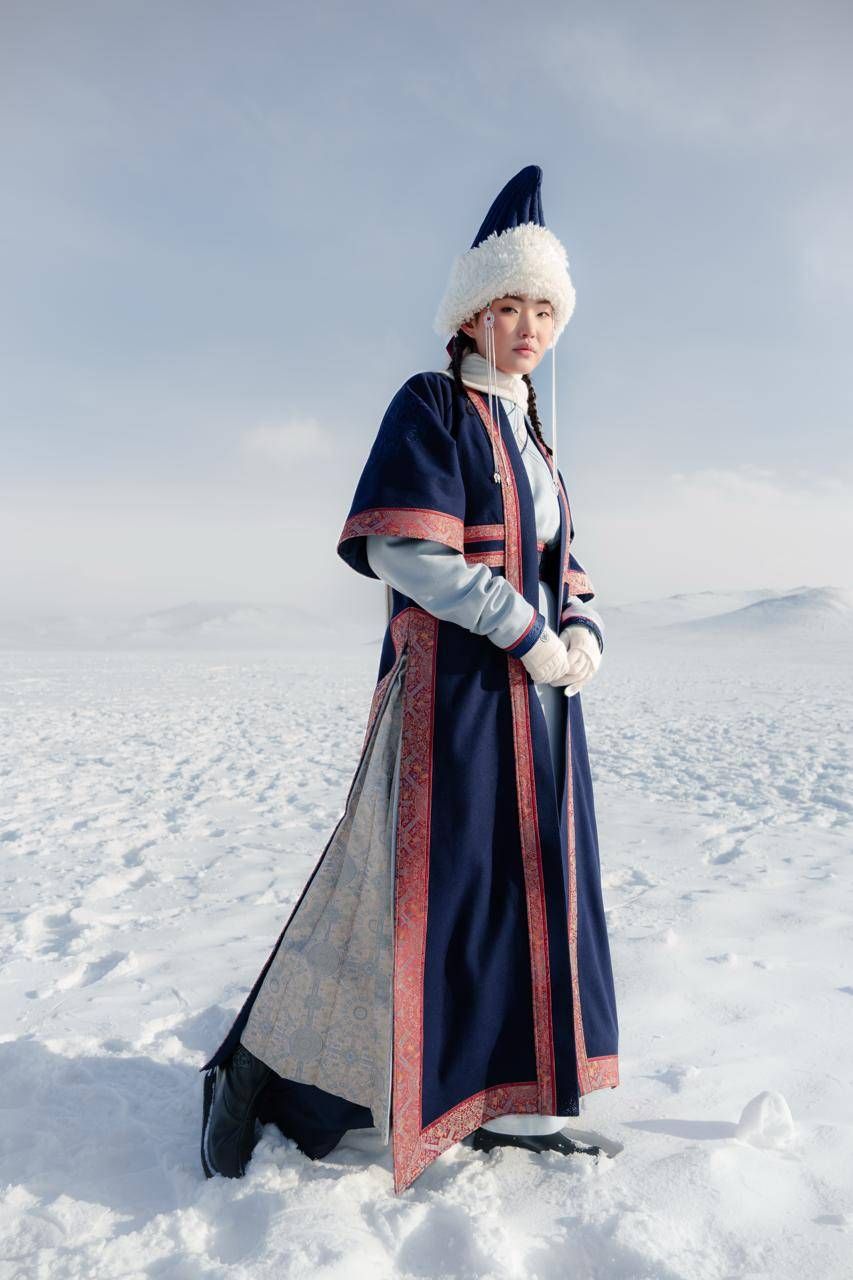
Mongolia’s Olympic ceremonial uniform for Milano Cortina 2026 reinterprets the traditional deel in national blue, blending cashmere craftsmanship with historical symbolism and contemporary design. © Photo Credits Goyol Cashmere
Meet the Designer Behind Mongolia’s Olympic Image on the Global Stage
At the heart of this global buzz is Munkhbayasgalan Delgerbat—known as “Baysa”—Creative Director of Goyol Cashmere and proud Istituto Marangoni alumna.
Recognised as one of the most compelling voices in contemporary Mongolian design, Baysa has crafted the official uniforms for the Mongolian team at the Olympics Milano Cortina 2026, merging modern aesthetics with centuries-old craftsmanship.
Anchored in historical dress codes yet reimagined with a modern, fashion-forward twist, these creations have been praised for their authenticity and the striking use of national blue—an homage to the endless sky of the Mongolian steppe.
We met Baysa at the Istituto Marangoni headquarters in Milan, where she returned to the city that shaped one of the chapters of her creative journey. Eager to learn more about this milestone, we asked her to walk us through what lies behind one of the most talked-about Olympic designs of the year. Here’s what she shared.
How Mongolian Historical Dress Codes Shaped a Contemporary Olympic Design
How did the project to design Mongolia’s Olympic uniforms begin?
Sure. It all began last June when I came across a post from the Mongolian National Olympic Committee announcing an open competition to design the uniforms for the Winter Olympics. The moment I saw it, I thought: this could be my way back to Milan. I’m always looking for a reason to come back here.
We applied immediately with our company portfolio, our capabilities, and everything required. A month later, we were shortlisted for the second round and asked to submit initial sketches, concepts, and collection ideas, which we submitted in late July. Another month passed, and we got the news: we’d been chosen as the final designers. We signed the MOU in September, and the real work began in October.
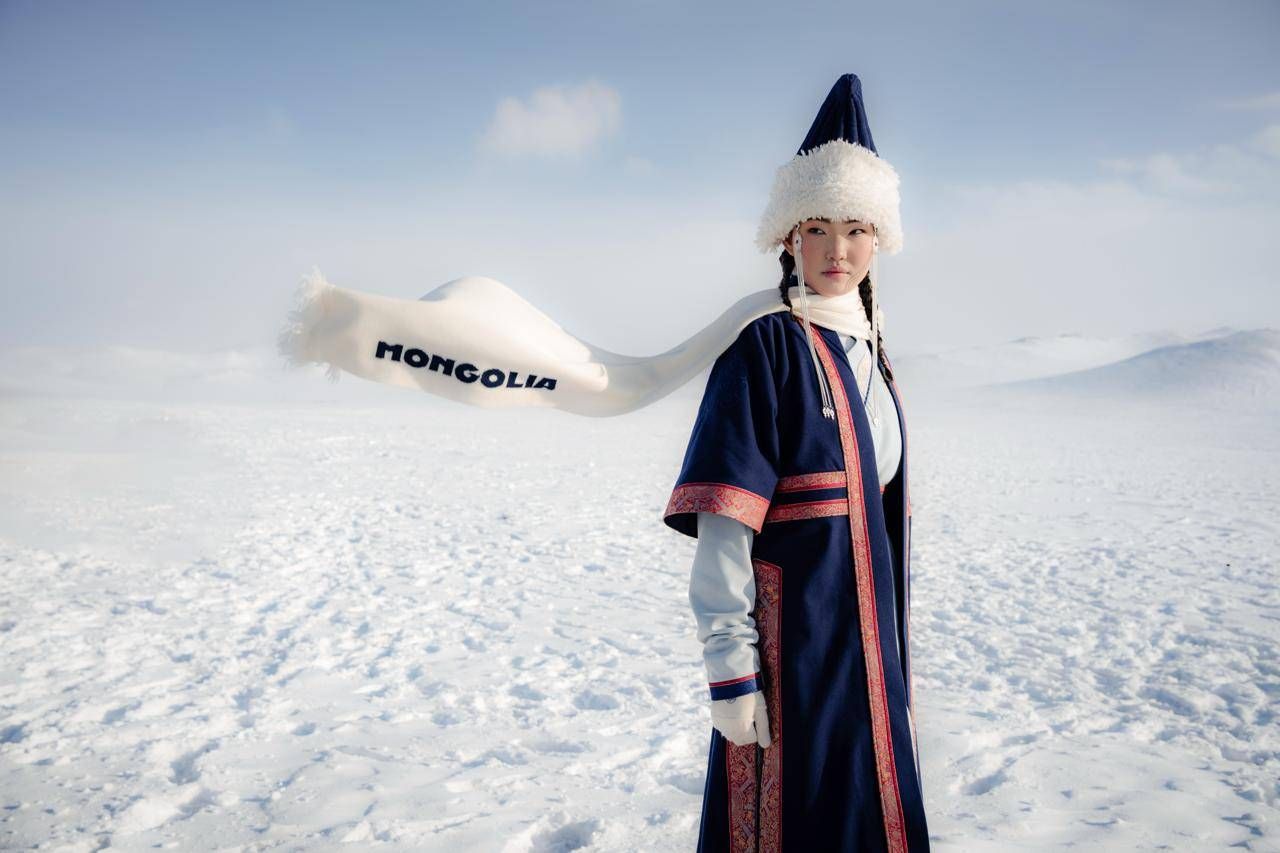
Mongolian Olympic athlete wearing modern knitwear marked “MONGOLIA,” merging performance sportswear with national identity at the Milano Cortina 2026 Winter Olympics. © Photo Credits Goyol Cashmere
What cultural and historical references shaped the design of the uniforms?
After the last Paris Olympics, Mongolian designers Michel & Amazonka captured international attention with a design deeply rooted in our national costume. I realised that what made it special was its authenticity, its uniqueness, the unmistakable connection to Mongolia. We knew we wanted to use the deel, our traditional attire, again. The Mongolian deel has evolved over centuries, so we decided to focus on the era when Mongolia was at its peak, between the 13th and 15th centuries, during the Great Mongolian Empire.
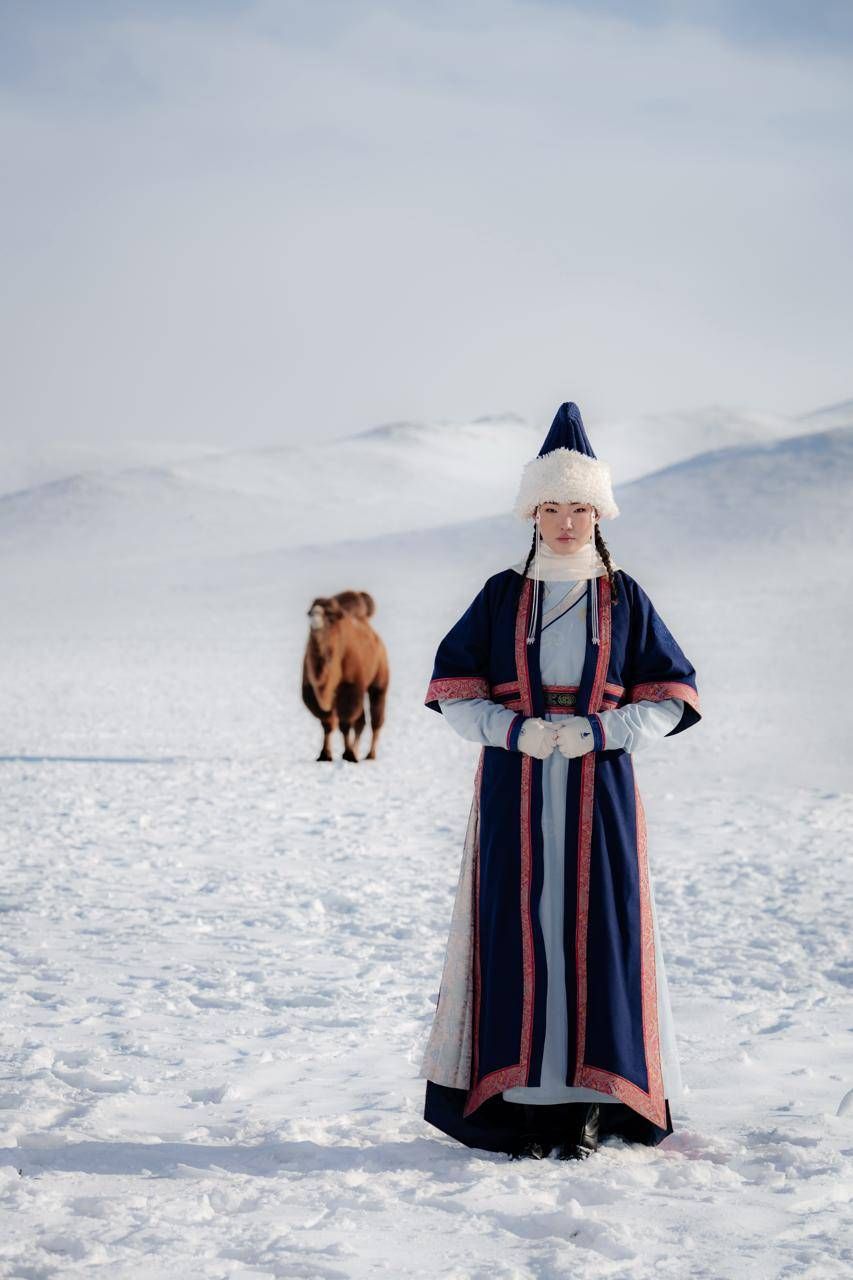
Traditional Mongolian attire meets Olympic stage as the ceremonial uniform embodies cultural pride, symbolism and contemporary fashion design. © Photo Credits Goyol Cashmere
We couldn’t help noticing, as you were speaking, that you’re wearing a piece from the capsule collection!
It’s the casual-fit sweater. I chose references from that specific period because traditional Mongolian clothing perfectly reflected our nomadic lifestyle: living in harmony with nature, moving with our animals, and being resourceful. Every detail in the traditional clothing had a purpose—the skirt’s slit for horseback riding, extra layers for harsh weather, and longer sleeves to protect the hands. These elements were functional more than decorative. By bringing these features into today’s garments, I wanted to remind even our own people of who we are and how deeply our identity is connected to nature.
How Cashmere and Yak Down Shape the Meaning of Mongolia’s Olympic Uniforms
How did material choices contribute to the meaning and performance of the uniforms?
The ceremonial deel is made of cashmere, but the lining is crafted from yak down, native to Central Asia and especially Mongolia. Yak fibre is incredibly warm and durable. Because cashmere is naturally matte, soft, and quiet, the challenge was to make the ceremonial pieces stand out. Traditionally, Mongolian attire used silk, so we incorporated beautifully patterned silks for the lining to elevate the garments and give them that ceremonial, high-fashion aura.
How did designing for the Olympics differ from your previous fashion work?
It was my first experience designing for the sports world. We felt confident about the knitwear because of our company’s expertise, but the ceremonial attire was a real challenge since we don’t usually make garments like that. Still, the challenge made the process exciting.
Visualizza questo post su Instagram
What impact could this Olympic project have on the future of your brand?
At Goyol Cashmere, we’re already receiving many orders from both local and international clients. It’s an amazing opportunity for the company.
How does sport feature in contemporary Mongolian popular culture today?
Younger generations in Mongolia are very into football. During FIFA World Cup seasons, pubs and public venues showing the matches fill up; people go absolutely wild. In recent years, basketball has also gained significant popularity.
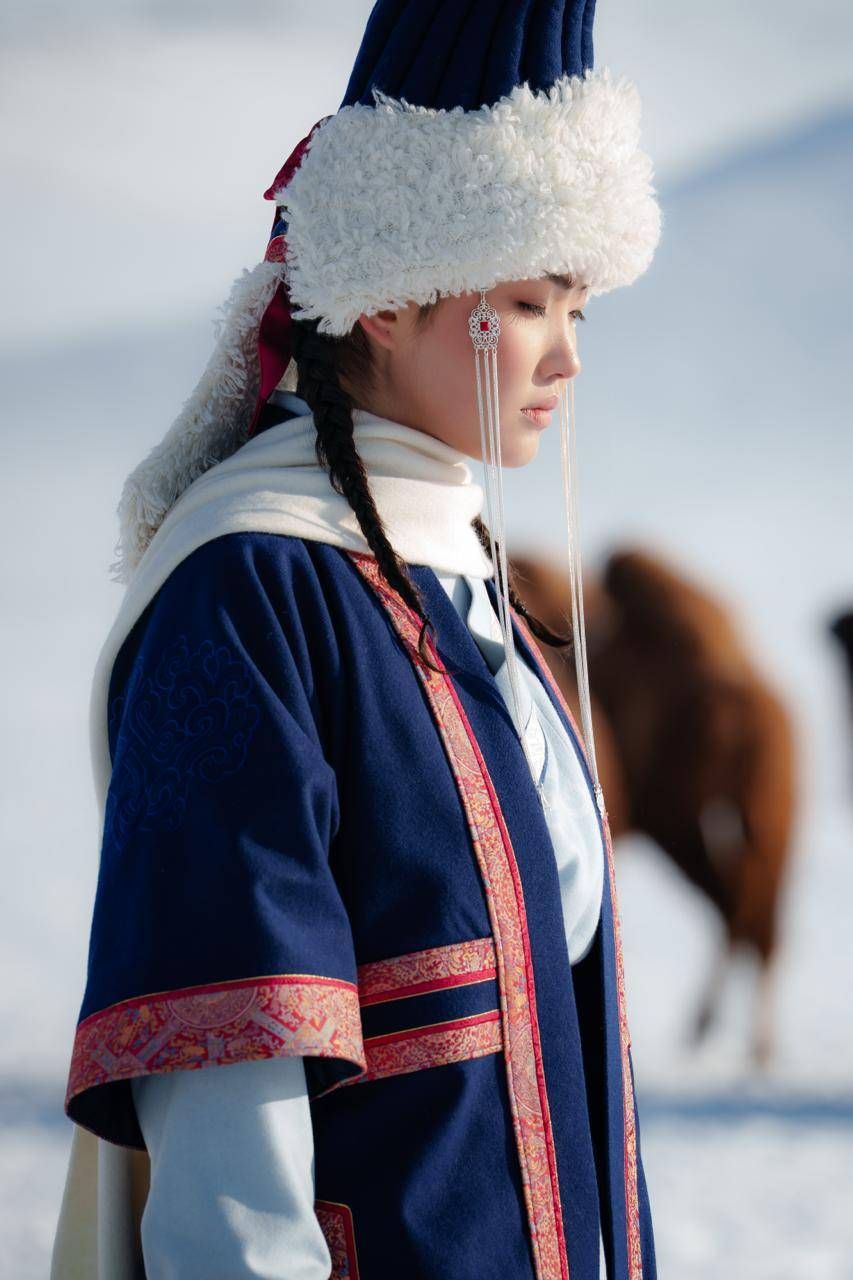
Portrait of Mongolia’s Olympic ceremonial look featuring traditional headwear, intricate trims and winter layering inspired by historic Mongolian dress. © Photo Credits Goyol Cashmere
How did your education shape the way you approach design today?
Studying Fashion Design Intensive at Istituto Marangoni was the most challenging part of my education: illustration, pattern making, countless sleepless nights. But it taught me how collections work, how to collaborate with other designers, and how to structure a creative process. During my master’s, I often created projects connected to Mongolia: photography, books, and shoots. That exploration of my roots shaped this Olympic project. And honestly, I loved my time in Milan. Italians are warm, passionate, and deeply value craftsmanship and tradition, much like Mongolians. There’s a real connection between us.
What advice would you give to young designers navigating the tension between past and present?
At first, I struggled to balance past and present. I wanted to modernise tradition, but something felt off. I realised that in trying too hard to blend everything seamlessly, I was losing the essence. The turning point came from a simple intuition: return to the most traditional silhouette—the colours, the trimmings, the proportions. It felt right, even when many around me had different opinions.
“Let your intuition take the lead. If something deep inside says “this is it”, follow that instinct. That’s what makes your work authentic and truly yours” – Munkhbayasgalan Delgerbat, Creative Director of Goyol Cashmere and I’M alumna
Why Innovation in Fashion Often Begins with Looking Back
As our conversation drew to a close, one idea stood out: for Baysa, innovation is driven by the confidence to return to what feels genuinely her own. Earlier in her career, she assumed that pushing creative boundaries required a clean break from inherited forms. This project suggests the opposite—that some of the most resonant work in contemporary fashion takes shape precisely when designers allow authenticity, memory and personal history to inform the present.
It is a perspective that extends well beyond fashion, speaking to a broader creative truth—originality is often mistaken for distance from the past. For younger creatives in particular, the lesson is a quiet but powerful one: progress does not always mean moving away. Sometimes, the most decisive step forward begins with recognising what, and who, cannot be replicated.
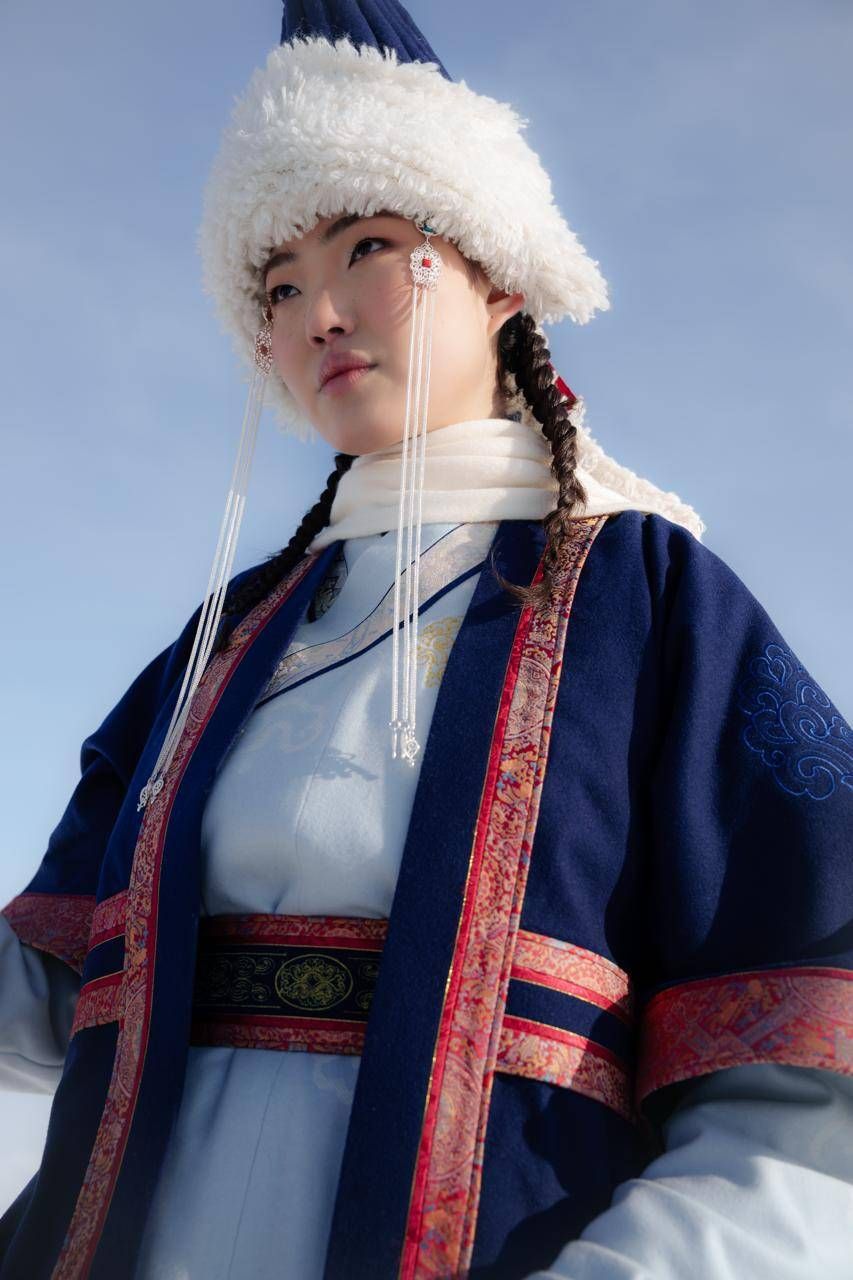
Close-up of Mongolia’s Olympic uniform highlights silk trims, yak-down lining and heritage detailing inspired by 13th–15th century Mongolian dress codes. © Photo Credits Goyol Cashmere