
Why emerging accessory designers are winning amid the luxury slowdown

Emerging accessory designers are redefining luxury, gaining visibility through a new school-led contest developed in dialogue with the industry
As the luxury market undergoes a structural slowdown, accessories are gaining ground as one of the sector’s most resilient and dynamic categories, opening up new space for emerging designers.
In response, Istituto Marangoni Firenze, in collaboration with Sara Sozzani Maino, has launched the Innovative Accessories Challenge, inviting designers under 30 to rethink jewellery, eyewear and personal design objects as strategic, cultural and creative drivers in a luxury industry increasingly shaped by selectivity and evolving consumer values.
The initiative was introduced through a talk bringing together established and emerging voices from across the fashion system, including Niccolò Pasqualetti—fashion designer and founder of his eponymous label, whose first collection was a jewellery capsule—shoe designer Niccolò Beretta, founder of Giannico, and industry veteran Stefano Giacomelli, CEO of Tivoli Group and Vice President of Assopellettieri.
The Luxury Slowdown Is Structural—and Consumers Are Reassessing Value
According to recent reports from Bain & Company and The Business of Fashion in collaboration with McKinsey, luxury in 2025 remains resilient but has structurally changed: consumers are buying less, more selectively, and are increasingly directing their spending to experiences, wellbeing, and meaning.
Reports highlight how luxury consumption is becoming polarised, with younger generations showing growing interest in categories that combine expressiveness and identity, while fostering authenticity and real connection.
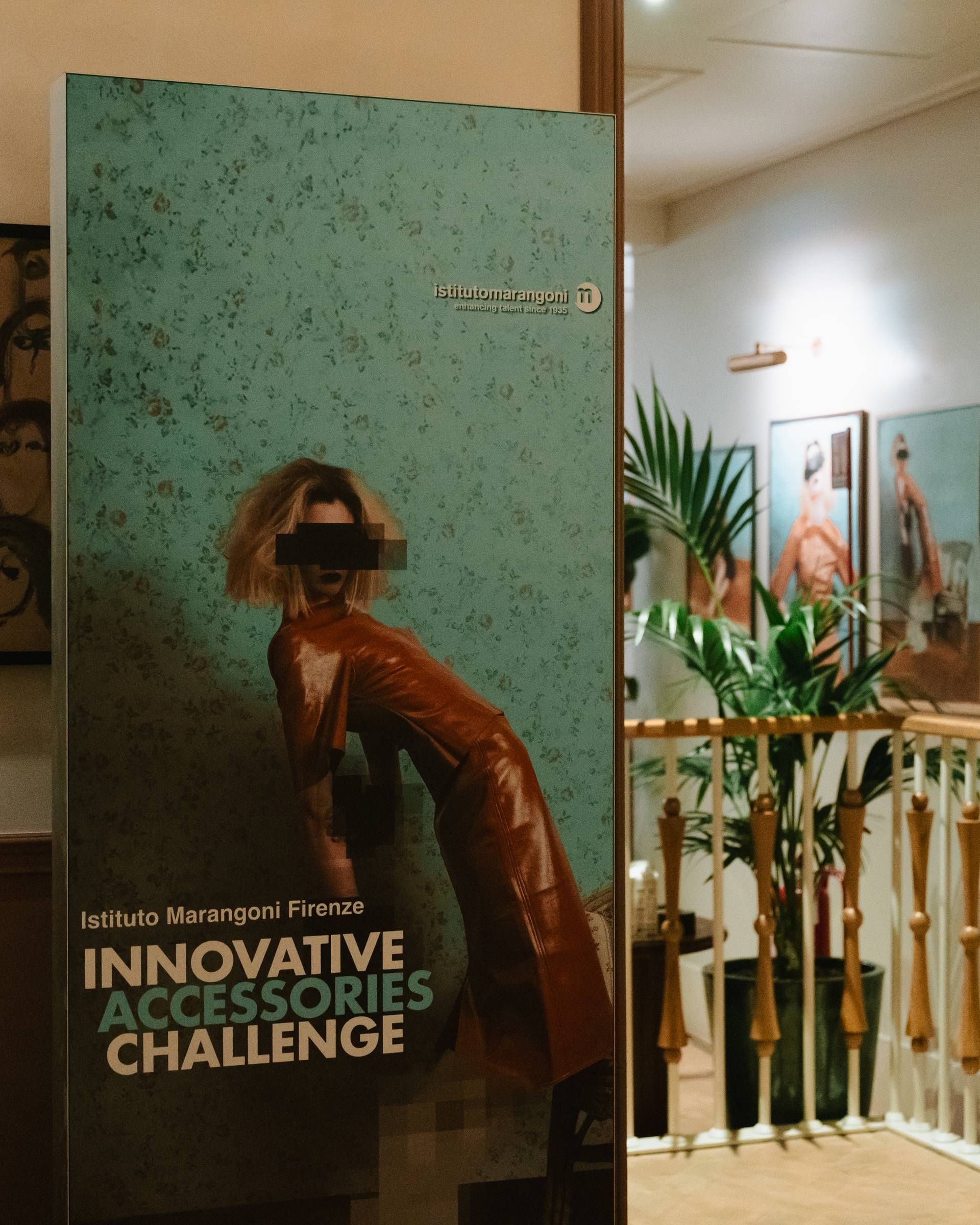
A panel discussion exploring how accessories are redefining value, creativity and opportunity for emerging designers within a shifting luxury landscape.
Accessories Are Standing Out as Luxury’s Most Resilient and High-Value Category
Within this redefinition, accessories are emerging as one of the most dynamic areas: jewellery, eyewear, and personal design objects stand out for their ability to deliver value, personalisation and emotional resonance.
These categories allow experimentation, storytelling and innovation, while providing a more mindful entry point to luxury at a time when aspirational consumers are increasingly selective and informed.
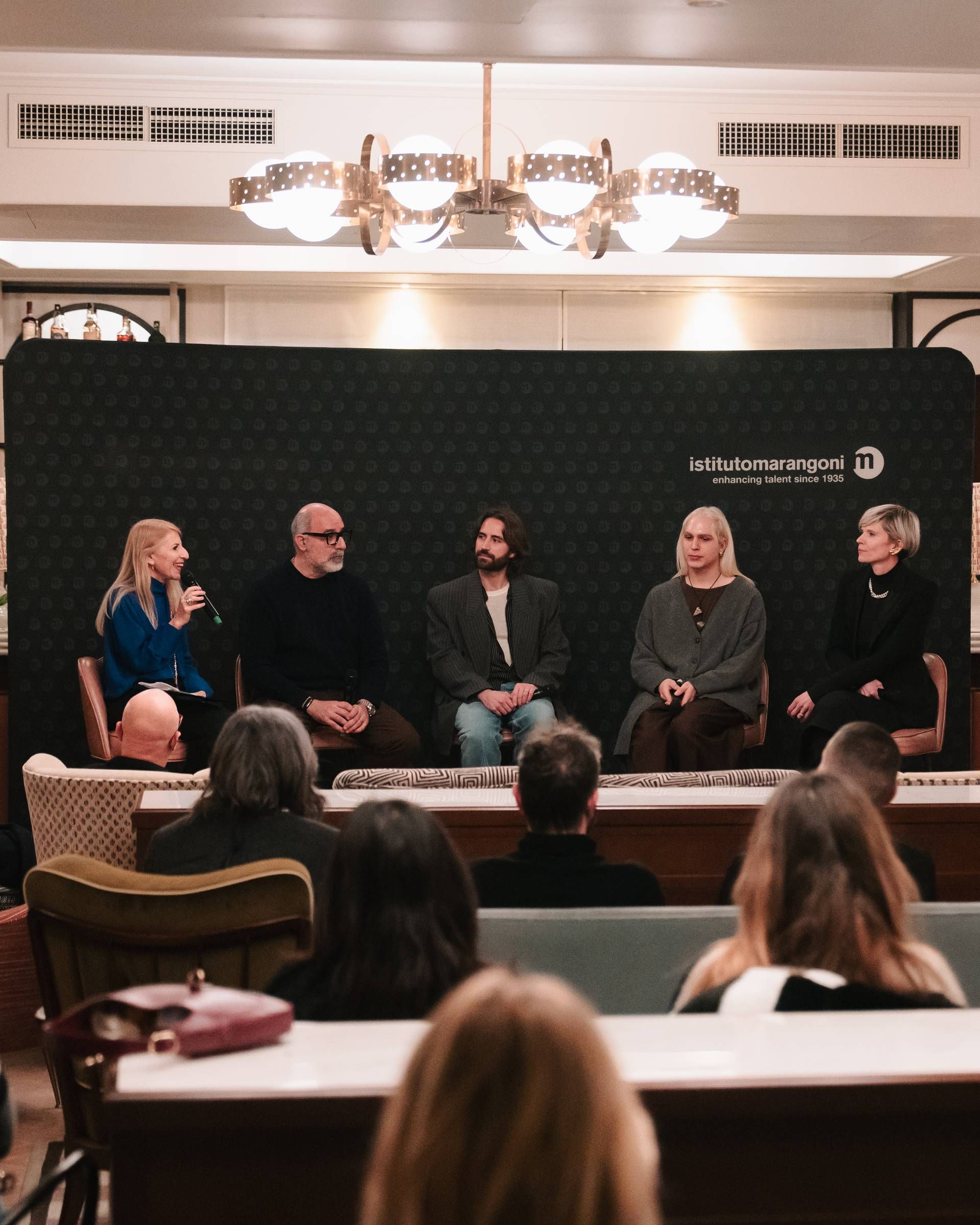
Industry voices and designers reflect on accessories as cultural objects, business drivers and expressive tools in a luxury market shaped by selectivity.
As the Big-Brand Model Falters, the Fashion System Opens Up to New Talent
Meanwhile, the fashion system is showing clear signs of openness to new creative voices. Reports stress the importance of investing in talent, product, and vision during a time when the traditional big-brand model is under pressure.
Creative renewal, material research and attention to production processes are once again central to regaining trust and desirability.
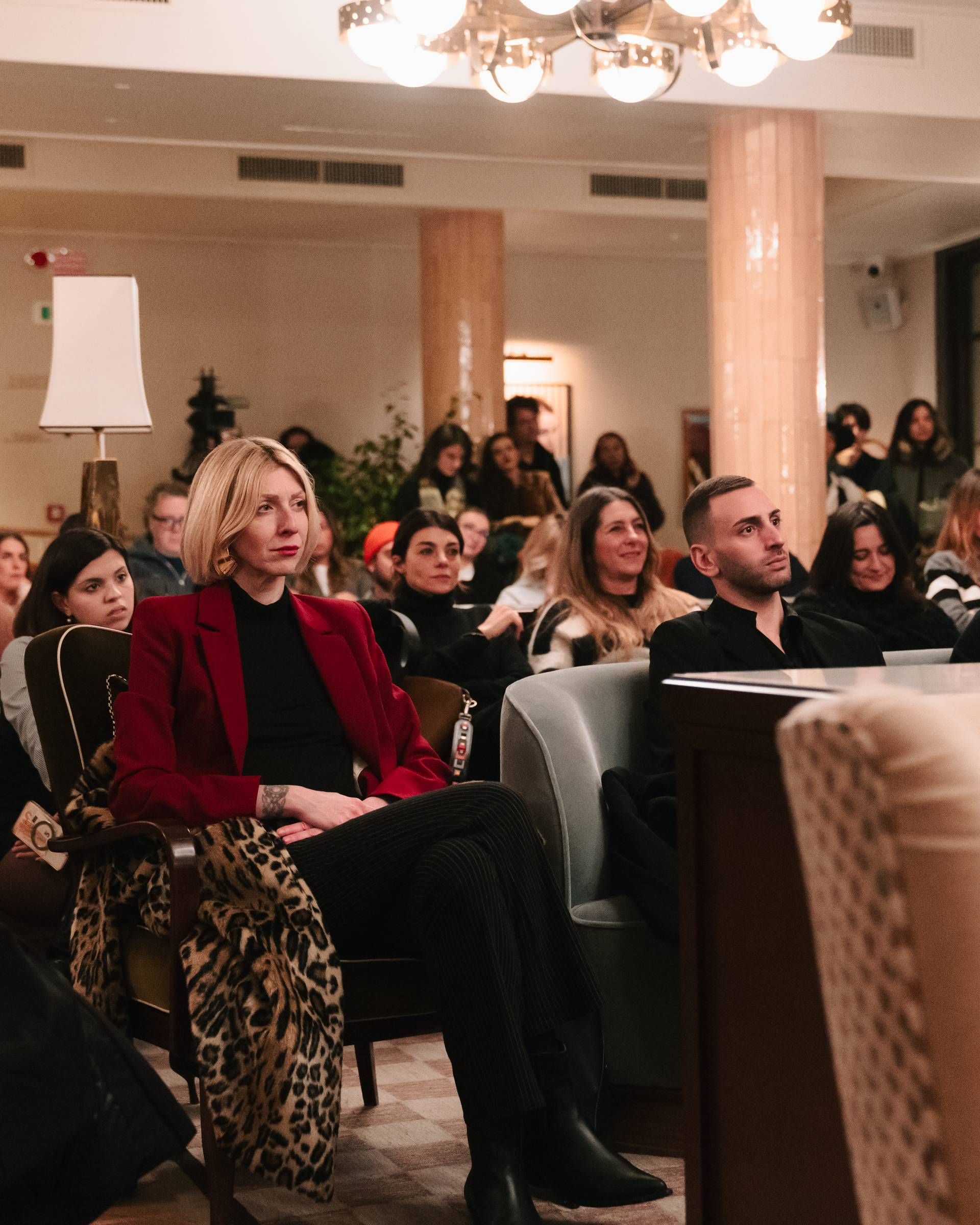
An engaged audience attends a conversation on creativity, making and transformation, highlighting accessories as a strategic entry point for new talent.
Inside the Innovative Accessories Challenge: Rethinking the Future of Accessory Design Education
This is the context in which the Innovative Accessories Challenge—organised by Istituto Marangoni Firenze, in collaboration with Sara Sozzani Maino—was conceived.
The project invites young designers under 30 to rethink the contemporary accessory as a design language, an expressive object and a tool for experimentation. Accessories become a space of dialogue between body, material, function and imagination, aligning with the cultural and industrial transformations reshaping luxury today.
The Innovative Accessories Challenge was introduced with the talk “Rethinking Accessory Culture: Creativity, Making and Transformation,” which brought together fashion designers, industry professionals and educators to reflect on the current role of accessories. This exchange offered insights into what it means to design accessories for the contemporary global market and the opportunities for new generations of designers in the future of luxury.
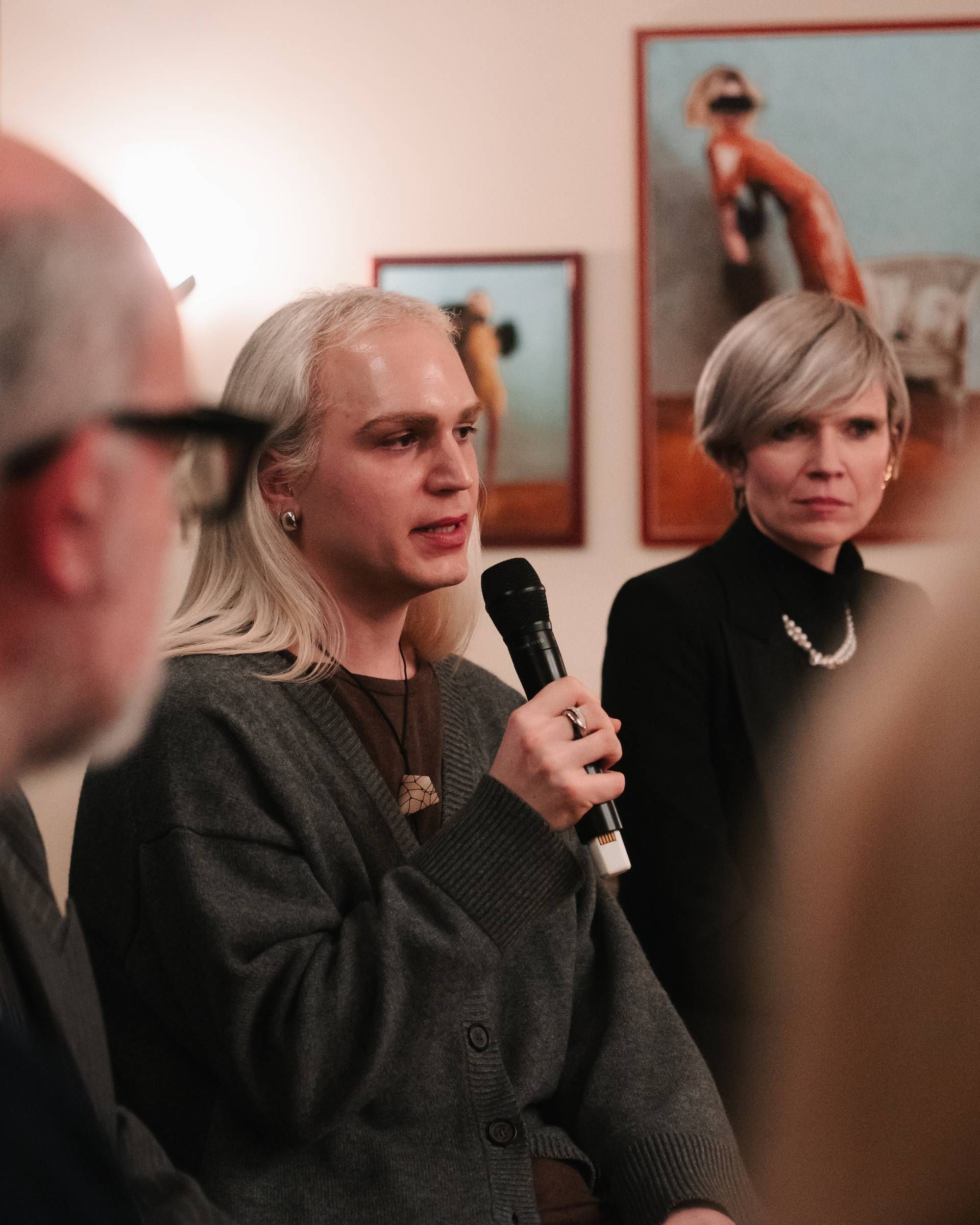
Speakers address the balance between experimentation, production and value, redefining the role of accessories in contemporary luxury.
Why Accessories Have Become Central to Luxury Business, According to Niccolò Beretta
For Niccolò Beretta, shoe designer and founder of Giannico, accessories have always been a space for creative autonomy and hands-on design. Beretta, a Milan-born designer, emerged as an enfant prodige of footwear, winning Who’s on Next? in 2015 and the Vivian Infantino Emerging Talent Award in 2016, and was later named in Forbes 30 Under 30.
Over the years, he has collaborated with major fashion brands, including Giuseppe Zanotti. He continues to work with a range of established and emerging labels, developing a contemporary vision of accessory design rooted in craftsmanship and innovation.
“I’m thrilled that a competition dedicated solely to accessories finally exists. For years, this category was considered secondary, when in reality it often forms the backbone of major maison revenues” – Niccolò Beretta, shoe designer and founder of Giannico
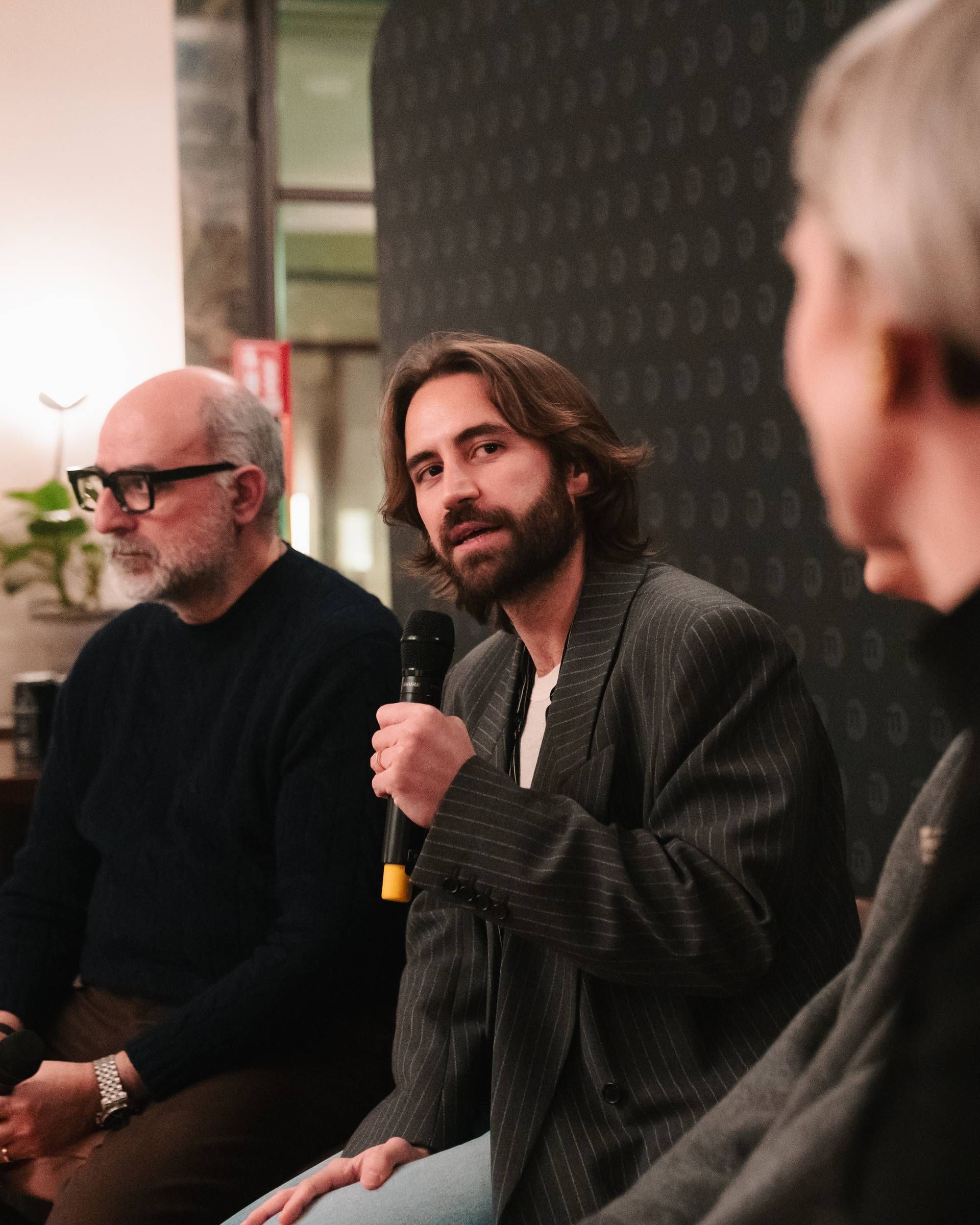
Niccolò Beretta discusses accessories as a space for creative autonomy and experimentation, highlighting their growing role as resilient, high-value drivers in today’s evolving luxury market. Beretta described his instinctive, direct approach to creation—one that avoids unnecessary structure:
“You have to be as spontaneous as possible. Start before you’re ready. Sometimes recklessness pays off in this business.”
In an increasingly automated system shaped by data and artificial intelligence, he emphasised the importance of keeping creativity human: “We need creativity that challenges you, unsettles you, and forces you to keep swimming without ever touching the bottom.”
Niccolò Pasqualetti: Accessories as Cultural Objects and Personal Identity
For Niccolò Pasqualetti, fashion designer and creative director, accessories are never an add-on; they are fundamental to the brand’s vision. A Tuscan-born designer and founder of his eponymous label, Pasqualetti has previously worked with international fashion houses such as The Row and Loewe. His accolades include the Franca Sozzani Award and a nomination as a finalist for the LVMH Prize.
“Accessories have always been part of my way of communicating. My first collection, in 2021, was a jewellery capsule” – Niccolò Pasqualetti, fashion designer and founder of his eponymous brand
Experimenting with materials—from wood and cork to upcycled components—has become a way to redefine what an accessory can be. “I’m interested in offering unique pieces, almost like works of art—objects that cannot be replicated and that require time, craftsmanship and attention,” the designer added.
Niccolò Pasqualetti also works to balance uniqueness with production: “I aim to reconcile two worlds: the industrial and the irreproducible. Even in accessories, I seek this equilibrium,” he said.
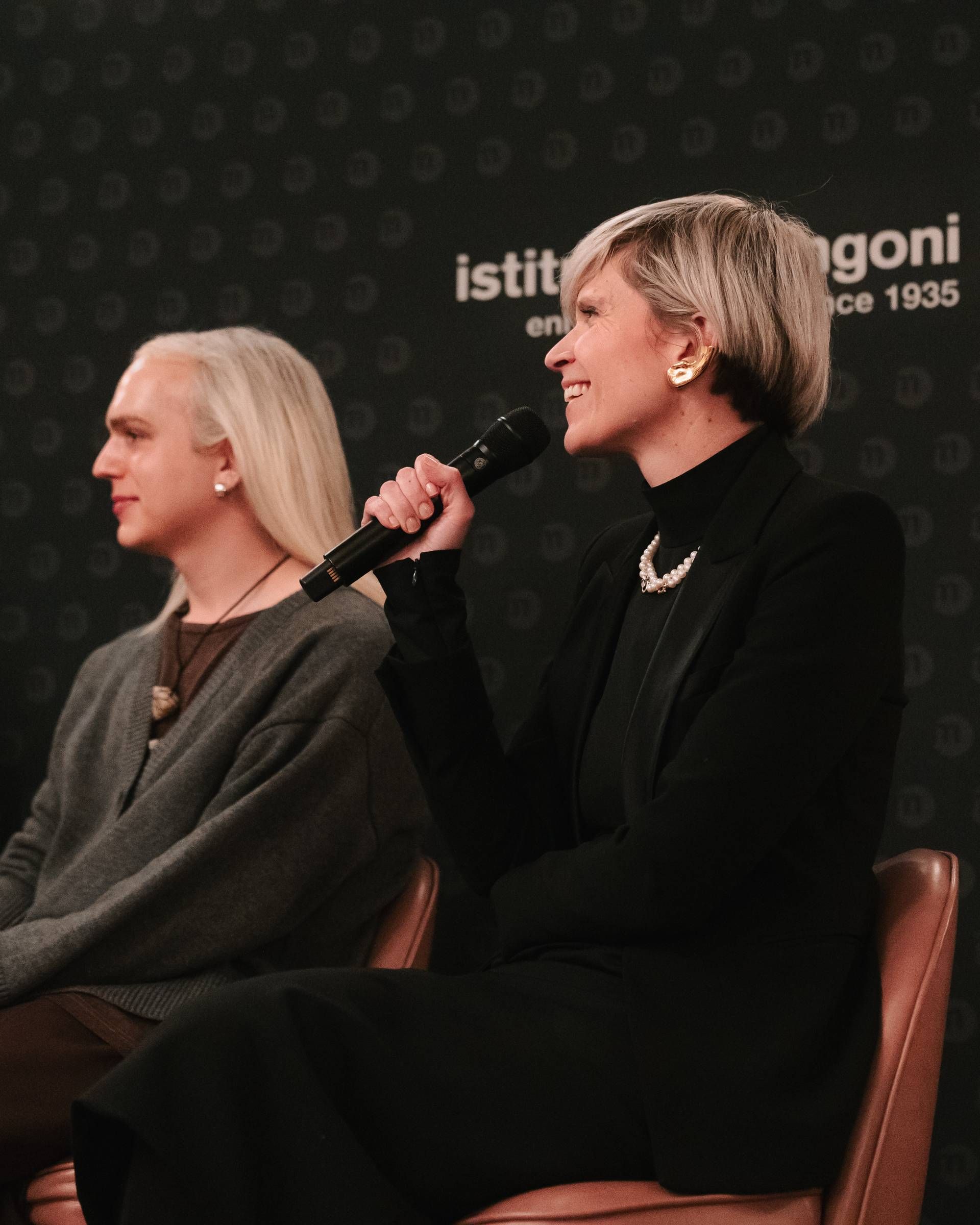
Accessories emerge as agile, expressive and resilient categories, offering young designers new visibility amid the luxury industry’s transformation.
Why Design, Production, and Pricing Must Realign in Today’s Luxury Market
From a production standpoint, Stefano Giacomelli, CEO of Tivoli Group and Vice President of Assopellettieri, offered a clear perspective on the accessory sector: “Today, there’s a much greater openness towards emerging brands that bring something new. There is genuine demand for projects with strong creative and cultural value.”
“Design must be paired with correct functionality and a price positioning that makes sense. Without this balance, even the best ideas can stall” – Stefano Giacomelli, CEO of Tivoli Group and Vice President of Assopellettieri
Another central theme is the product’s intrinsic value, particularly as many major brands have lost control over price perception. “In recent years, some brands have pushed prices to extreme levels, distancing themselves from their clientele. Today, the market demands consistency,” Giacomelli concluded.
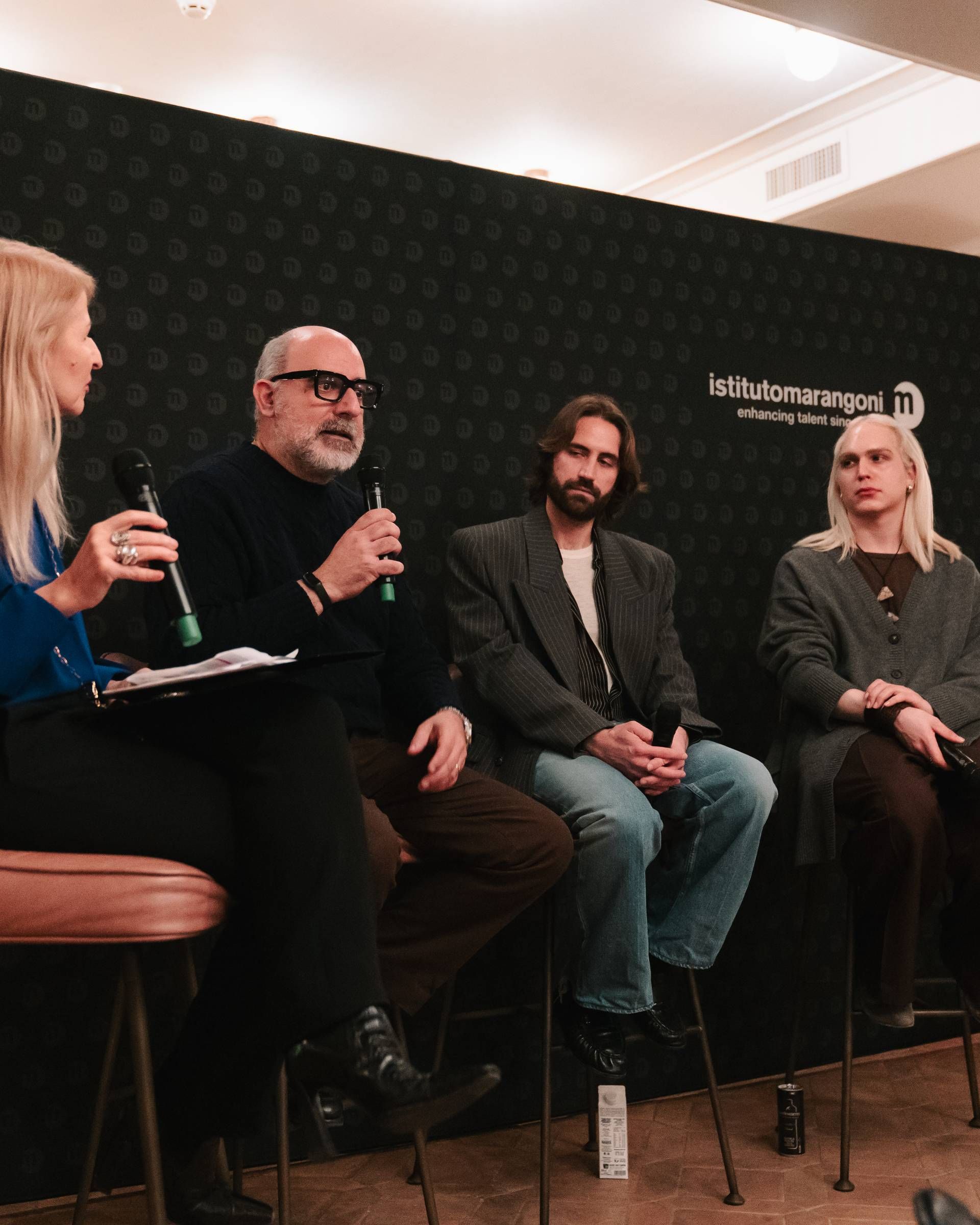
The Innovative Accessories Challenge positions jewellery and personal objects as spaces for research, identity and creative freedom.
Why Accessories Are Emerging as a Launchpad for the Future of Luxury Design
The talk closed with a shared reflection: this moment of transformation can become an opportunity for a new generation of designers, particularly accessory designers. “It’s the perfect time for experimental and creative projects,” Giacomelli noted. “There is greater attention to new proposals beyond the usual names.”
As the industry searches for new directions, accessories are once again emerging as fertile ground—less constrained, more agile, and able to convey identity and vision. From this space of creative freedom, new paths for the future of fashion design are beginning to take shape.
Lucrezia Spina
Editor, Firenze