Julie Vestergaard Jakobsen - The Interruption
Communication Design
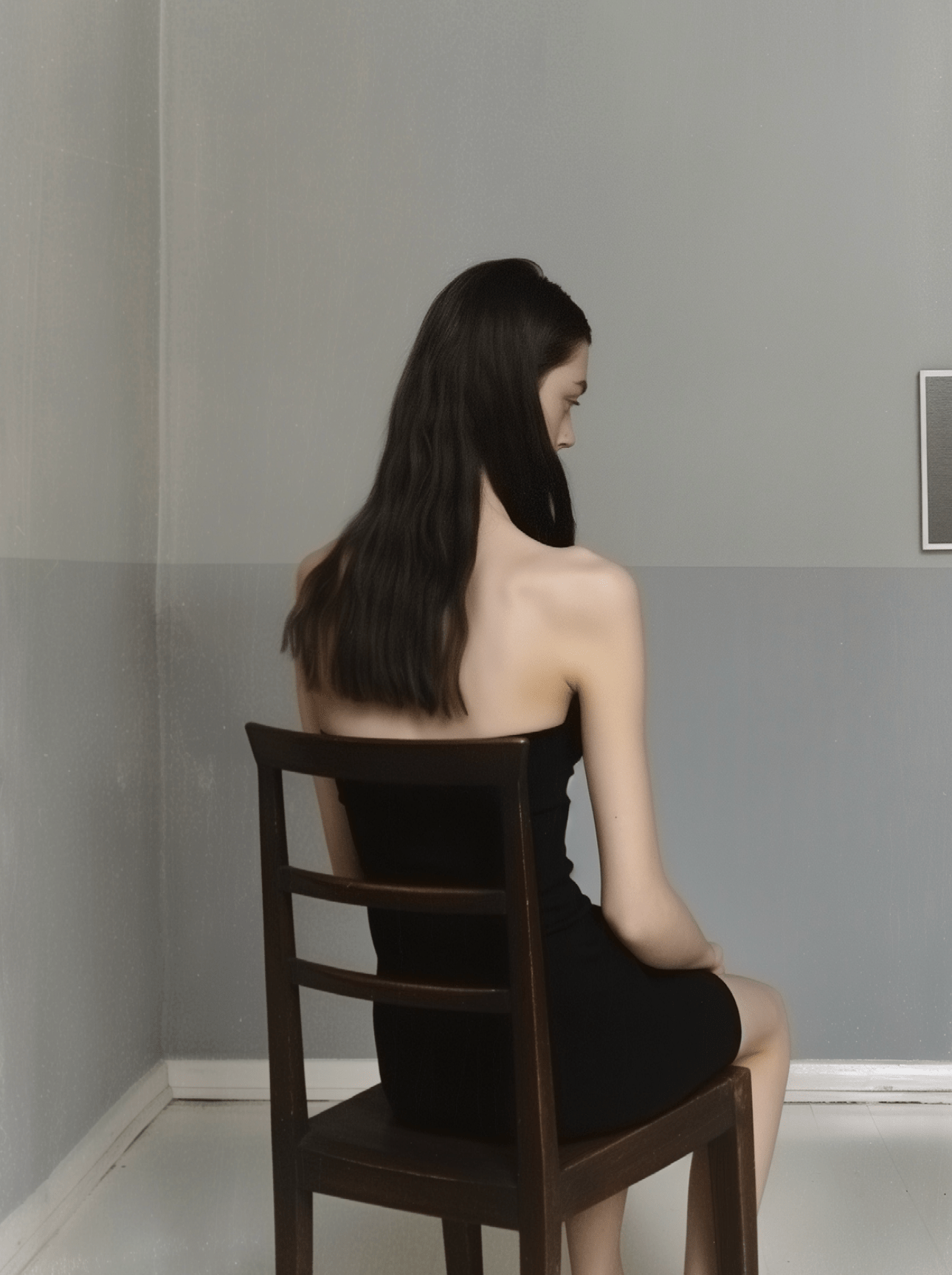
The Interruption explores how AI can reposition contemporary fashion inside Vilhelm Hammershøi’s silent interiors, creating an editorial suspended between painting, photography, historical reference and digital image-making.
THE INTERRUPTION - FASHION ENTERS A PAINTERLY DIGITAL SPACE
Developed for ISSUE ISSUE, Julie Vestergaard Jakobsen’s project begins with Hammershøi’s muted interiors and the magazine’s restrained editorial language. AI allows a contemporary fashion figure to enter these spaces without simply recreating them, using styling, light, composition and post-production to create a deliberate tension between historical atmosphere and contemporary image-making.

From Visual Research to Creative Direction
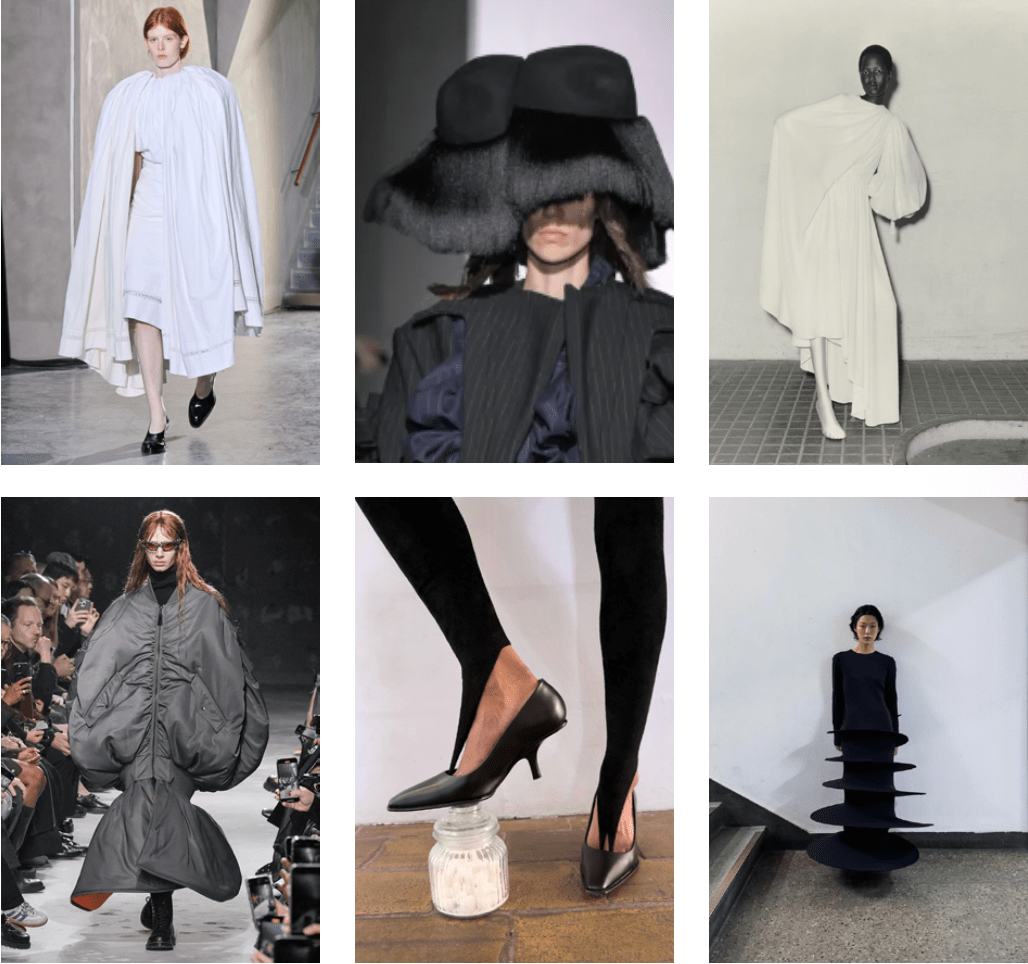
The project begins with an analysis of ISSUE ISSUE and its approach to fashion as a space for conceptual storytelling rather than trend-driven representation. Its understated aesthetic, interest in materials, unconventional beauty and atmospheric image-making provide the editorial context for a story centred on interruption and displacement. Jakobsen connects this language with the work of Danish painter Vilhelm Hammershøi, studying his muted greys, soft browns, empty rooms, architectural compositions and restrained northern light. Instead of recreating his paintings literally, the project asks how a contemporary fashion figure might disturb their silence. Sculptural silhouettes, architectural volumes, matte fabrics and a reduced palette of black, charcoal, off-white and soft grey create a deliberate tension with the interiors. Casting, natural hair and make-up, restrained posing and quiet lighting extend the same direction, allowing the figure to appear simultaneously present and out of place.
Discover the Course
Discover the Communication Design course and explore how creative research, visual storytelling, AI and emerging technologies are shaping new approaches to fashion imagery, editorial design and contemporary visual communication.
AI as an Editorial Design System
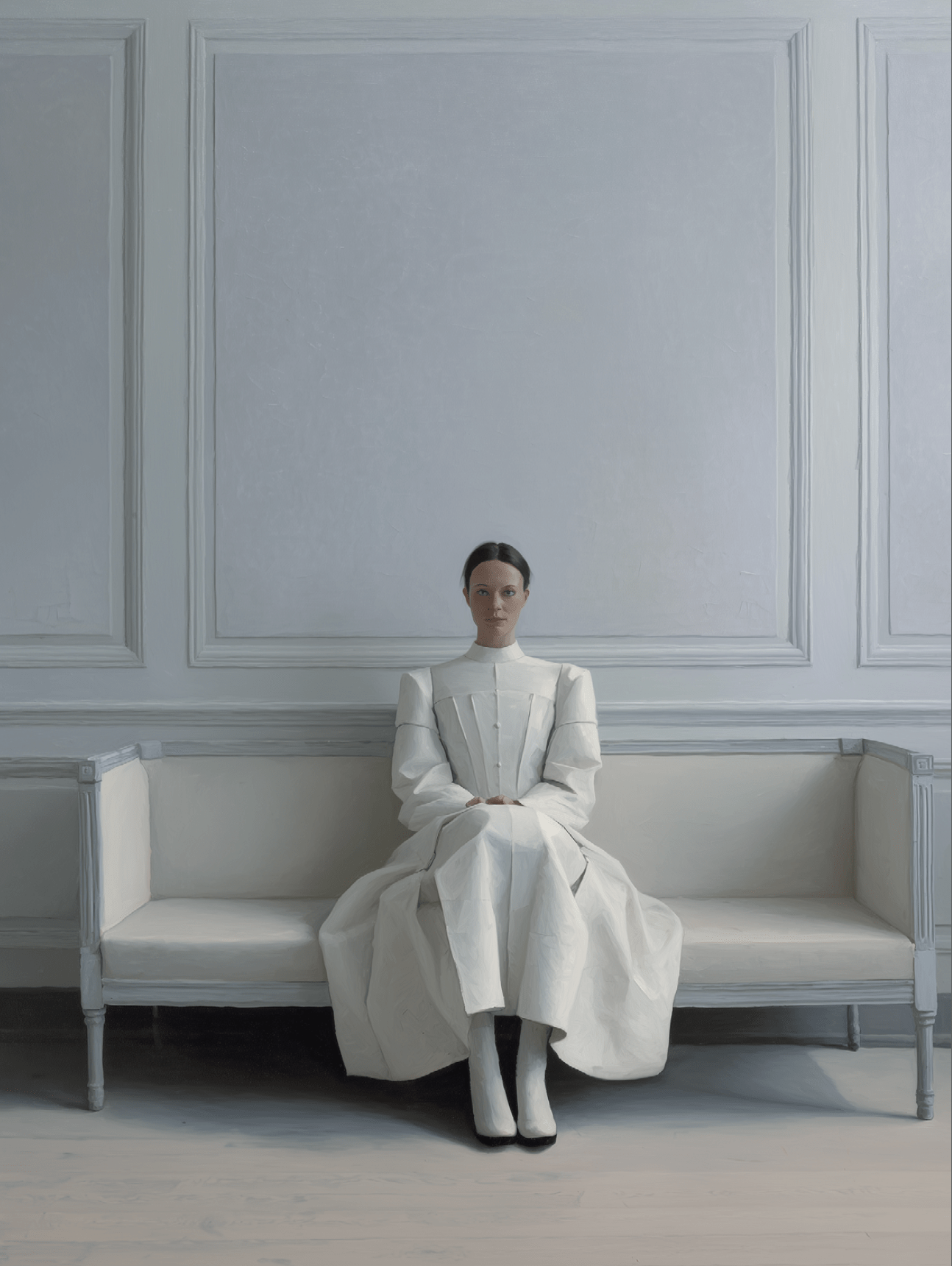
AI makes it possible to enter a pictorial space that cannot exist as a conventional location. The project brief explicitly positions artificial intelligence and digital post-production as tools for constructing a reality beyond physical and spatial limitations, while avoiding the idea that AI replaces traditional image-making. Through detailed prompts, Jakobsen controls the relationship between the model, garments, interiors, framing, natural light and painterly surface. The images are designed to remain deliberately ambiguous: photographic fashion figures inhabit spaces that gradually dissolve into the softness and texture associated with Hammershøi’s paintings. Midjourney is used to produce the final visual compositions, including different positions and interactions within the interiors. The important design decision is therefore not generation alone, but the continual calibration of atmosphere, fashion presence and historical reference so that the resulting world feels coherent rather than simply surreal.
From Creative Direction to Editorial Output
The final result operates as a complete fashion editorial rather than a sequence of independent AI images. Standing, seated and doorway compositions establish variation while preserving the same sense of distance, stillness and emotional restraint. Graphic elements extend the art-historical premise through references to museum labels, gold frames and nameplates, reinforcing the idea that the contemporary fashion body has entered an existing cultural space. The images are subsequently organised into a magazine mock-up, translating the initial research into a publishing context aligned with ISSUE ISSUE’s visual language. By moving from magazine analysis and art-historical research to styling, casting, AI generation, post-production and layout, The Interruption demonstrates how generative technology can support an editorial system in which fashion communication remains driven by concept and creative direction. The outcome is not an imitation of Hammershøi, but a contemporary intervention into his visual world.