
Studying Fashion: Which Path Should You Choose?
A guide to choosing the right fashion course across Fashion Design, Fashion Business and Fashion Communication & Image.
Choosing the right fashion degree programme means understanding how you want to enter the Fashion System: by designing collections and products, managing brands and business strategies, or creating the images and stories that shape fashion culture. Fashion Design, Fashion Business, also referred to as Fashion Management, and Fashion Communication & Image are three connected pathways for students who want to study fashion and build a future in the industry.
Studying fashion means learning to design, manage or communicate within a global creative and economic system — not just working with garments. Students choose between product creation, brand management or visual storytelling.
Fashion is a cultural and economic system made of designers, brand managers, stylists, buyers, art directors, merchandisers, content creators, photographers, product developers, digital specialists and communication professionals. Choosing a fashion course therefore requires more than picking a subject that "sounds creative": it means understanding whether you want to create products, manage brands, or communicate fashion through images and content.
At Istituto Marangoni, the fashion study experience spans different levels and formats — including Foundation courses, short courses, three-year courses, Bachelor's Degree courses, and Master's programmes, among others — each answering a different educational need, from first exploration to advanced specialisation.
Accreditations and Validations
Accreditations and validations vary by campus. Courses may be recognised by the MUR in Italy, validated by France Compétences (RNCP), by Regent's University London for the London and Paris campuses, or accredited by the CAA and KHDA in Dubai and the TVTC in Riyadh.
See Istituto Marangoni's validations for more details.
Fashion offers three main study areas: Fashion Design for creating collections, Fashion Business for managing brands, and Fashion Communication & Image for shaping visual and narrative content.
Fashion offers three main study areas: Fashion Design for creating collections, Fashion Business for managing brands, and Fashion Communication & Image for shaping visual and narrative content.
| Area | Focus | Best for students who want to... |
|---|---|---|
| Fashion Design | Product-oriented pathway | Create fashion collections, develop accessories, explore materials, work with silhouettes and build a personal creative identity |
| Fashion Business (also called Fashion Management) | Strategic and managerial pathway | Understand how fashion brands grow, communicate value, enter markets, reach consumers and compete within the global industry |
| Fashion Communication & Image | Visual and narrative pathway | Work with imagery, styling, fashion media, content production, campaigns, editorial projects, digital storytelling and visual identity |

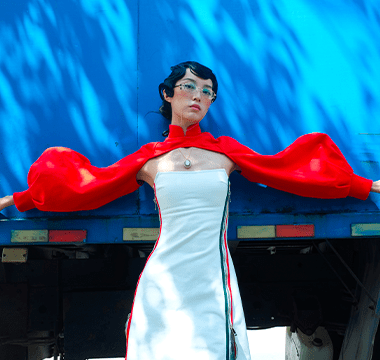
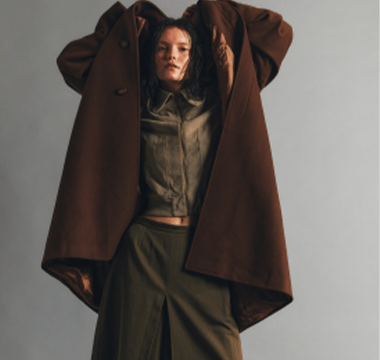
Thanks to collaborations with international brands, career days, portfolio reviews and real projects with luxury companies, students develop practical skills and build a professional network during their studies.
UNDERGRADUATE COURSES
Preparatory
Short courses
BA - 3 Year
One year
Foundation courses are designed for students who wish to develop the creative, critical, and practical skills required for undergraduate study in fashion. Throughout the programme, participants explore key industry areas, strengthen their research and presentation abilities, and gain an understanding of the creative, business, and communication dynamics that shape the fashion sector today. The course encourages independent thinking, personal development, and creative exploration, helping students identify their interests and choose the undergraduate pathway best aligned with their ambitions and talents.
Short Courses offer an engaging introduction to the worlds of Fashion Design, Fashion Business, also referred to as Fashion Management, and Fashion Communication & Image. Designed for curious and motivated students, they provide the opportunity to explore creative disciplines through hands-on learning while experiencing Istituto Marangoni’s international environment and teaching approach.
Over a few weeks, participants develop new skills, discover how creativity connects with industry and culture, and gain valuable insights into their interests and future study options. Beyond the classroom, cultural activities and city experiences enrich the journey, making these programmes a unique opportunity for personal, academic and creative growth.
Degree courses are among the most complete study paths for students who want to build a structured future in fashion. Usually developed over three years, they allow students to gain progressive knowledge, practical experience and a clearer professional direction within Fashion Design, Fashion Business (also referred to as Fashion Management), or Fashion Communication & Image.
In Fashion Design, students may work on research, illustration, materials, garment construction, collection development and digital tools. In Fashion Business (also referred to as Fashion Management), they may study brand strategy, marketing, retail, buying, entrepreneurship, management and market analysis. In Fashion Communication & Image, they may explore styling, visual culture, editorial projects, digital content, fashion media and storytelling.
A central element of many undergraduate pathways is the development of a portfolio or project-based body of work. This allows students to document their method, their vision and the skills acquired during the course. Depending on the area, the final work may include a fashion collection, a brand strategy, a communication campaign, an editorial project or a digital storytelling concept.
One-year courses are designed for students who wish to build the academic, creative, strategic, and communication skills needed to progress in Fashion Design, Fashion Business, or Fashion Communication & Image. They are particularly suitable for those coming from a different educational background who want to gain a solid foundation in the fashion industry before moving on to more specialised studies.
Throughout the year, participants develop critical thinking, research, project development, and presentation skills while gaining a broader understanding of the creative, business, and communication dynamics that shape the industry. These programmes also provide valuable guidance for future academic choices and can represent an ideal pathway towards a Master's degree. In selected cases, Istituto Marangoni offers progression benefits, including fee deductions for students continuing their studies within the School.
POSTGRADUATE COURSES
Master courses
Master of Arts
Master’s courses in fashion are designed for students who already have previous academic experience, professional experience or a strong foundation in fashion, design, business, communication or related creative disciplines. These programmes allow students to specialise further and develop advanced skills within one of the main areas of the Fashion System: Fashion Design, Fashion Business (also referred to as Fashion Management), or Fashion Communication & Image.
At this level, students are encouraged to refine their personal direction and work on projects that respond to the real needs of the fashion and luxury industries. Depending on the chosen pathway, a Master’s course may focus on collection development, styling, visual communication, brand management, luxury strategy, digital storytelling, consumer analysis, creative direction or business innovation.
Master of Arts programmes in fashion are designed for students who want to explore the Fashion System through a critical, research-driven, and future-oriented lens. Compared to more professionally focused Master’s courses, they place greater emphasis on cultural analysis, innovation, social change, emerging technologies, and responsible approaches to the fashion and luxury industries. These programmes are particularly suited to students wishing to develop advanced research skills and can provide a strong academic foundation for further study at doctoral (PhD) level in fashion and related fields.
At Istituto Marangoni, this approach is reflected in advanced pathways across Fashion Design and Fashion Business (also referred to as Fashion Management), where students investigate the evolving nature of the industry from both creative and strategic perspectives. Through a combination of research, experimentation, sustainability, digital innovation, and critical thinking, participants gain a deeper understanding of contemporary fashion and its future challenges and opportunities.
Success Stories
Istituto Marangoni Alumni represent the value of the School around the world. Explore the success stories of some of its most talented former students.
Istituto Marangoni is committed to giving visibility to outstanding Alumni who have become successful professionals. Connected to the School by a strong sense of belonging and exchange, they embody the values of Istituto Marangoni and act as official ambassadors worldwide.
Discover the official Alumni I’M Connecting Talents
-copy-2.png)
-copy-1.png)
Which fashion schools offer AI in fashion programs?
At Istituto Marangoni, Artificial Intelligence is not treated as a separate subject but is fully woven into every programme, enriching traditional curricula with digital and AI-driven tools.
Courses cover practical applications such as AI-assisted fashion styling and illustration, digital fabric and texture manipulation, promptography, and prototype development, up to executive-level programmes where AI is applied to forecasting, marketing, and retail analytics in the luxury sector. Every course also addresses the ethical implications of AI — bias in generated designs, digital ownership, the impact of automation — preparing professionals to innovate responsibly. The goal is to equip students to work confidently in a constantly evolving creative landscape, combining heritage, culture, and technological innovation.
Which fashion course should I choose?
You should choose the fashion course that matches the role you want to play in the Fashion System. If you want to design collections, choose Fashion Design. If you want to manage brands, markets and strategies, choose Fashion Business (also referred to as Fashion Management). If you want to create fashion images, content and campaigns, choose Fashion Communication & Image. When in doubt, compare the curriculum, project work, tools, course level and career directions. The right course should make your interest more specific and help you understand how your talent can become a professional skill.
What is the difference between Fashion Design and Fashion Business?
Fashion Design focuses on creating fashion products, while Fashion Business (also referred to as Fashion Management) focuses on managing and developing fashion brands. Fashion Design students work with research, illustration, materials, pattern-making, collection development, accessories, sustainability and digital prototyping. Fashion Business students study brand strategy, marketing, retail, buying, business development, entrepreneurship, e-commerce and market trends. Both areas are essential to the Fashion System, but they require different ways of thinking. Fashion Design is more product-oriented; Fashion Business is more strategic and market-oriented.
What is Fashion Communication & Image?
Fashion Communication & Image is the study area that focuses on how fashion is represented, narrated and communicated through images, media and content. Students learn about styling, visual culture, photography, fashion films, editorial projects, campaigns, digital content, fashion magazines and art direction. This pathway is ideal for students who are interested in the visual language of fashion rather than only in product design or business strategy. It prepares students to understand how images shape brand identity, consumer perception and contemporary fashion culture.