Rossella Lozza - No Safe Position
Communication Design
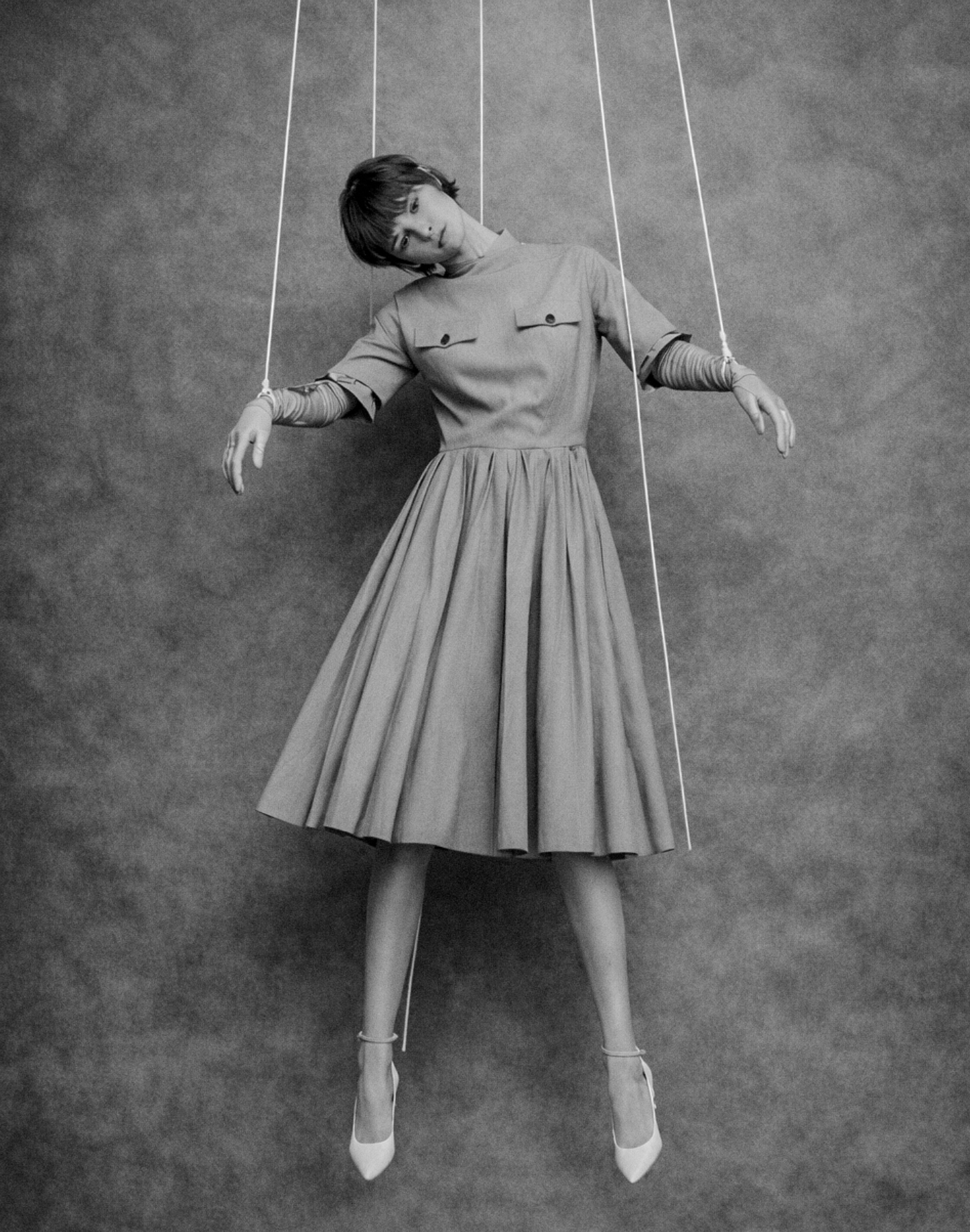
No Safe Position uses AI-assisted fashion imagery to translate contemporary fears into symbolic visual situations, exploring vulnerability, judgement, control and identity through a restrained editorial language.
NO SAFE POSITION - MAKING CONTEMPORARY FEARS VISUALLY TANGIBLE
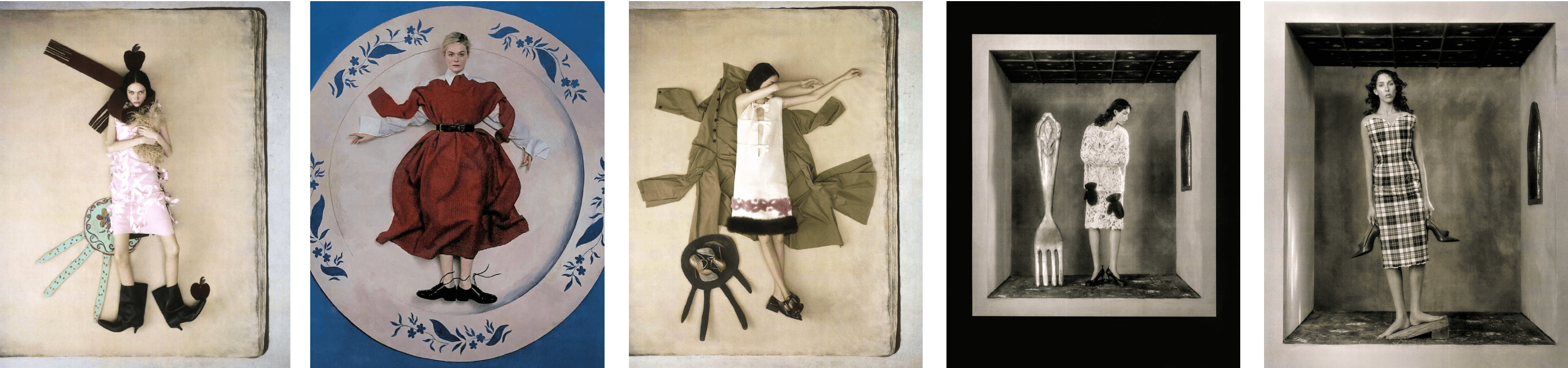
Rossella Lozza develops the project through an analysis of Self Service Magazine and its sober, concept-driven approach to fashion imagery. Each scene turns an invisible psychological state into a controlled visual metaphor, while AI enables fragmented bodies, suspended environments and impossible spatial conditions to become part of a coherent editorial system.
From Visual Research to Creative Direction
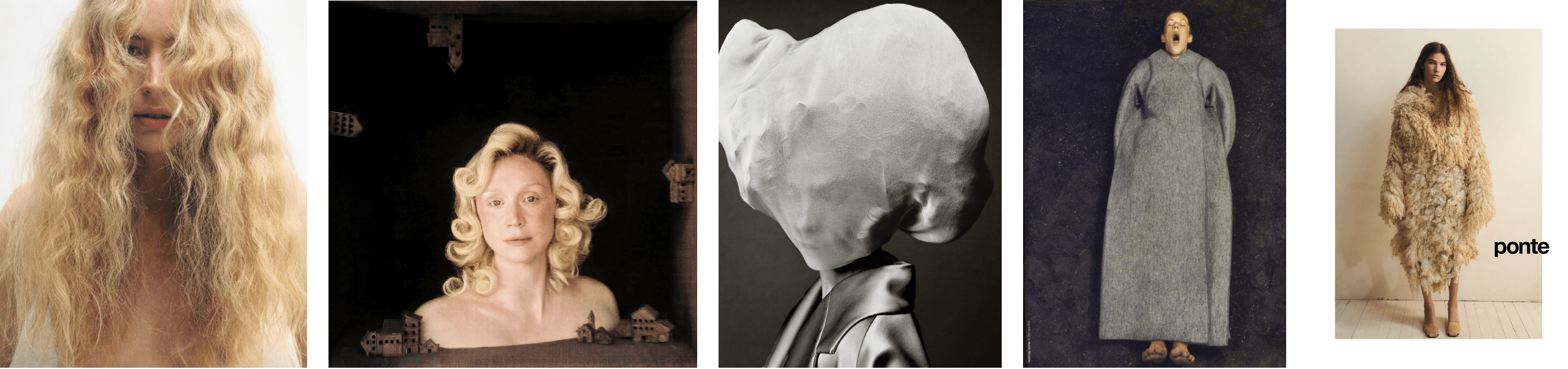
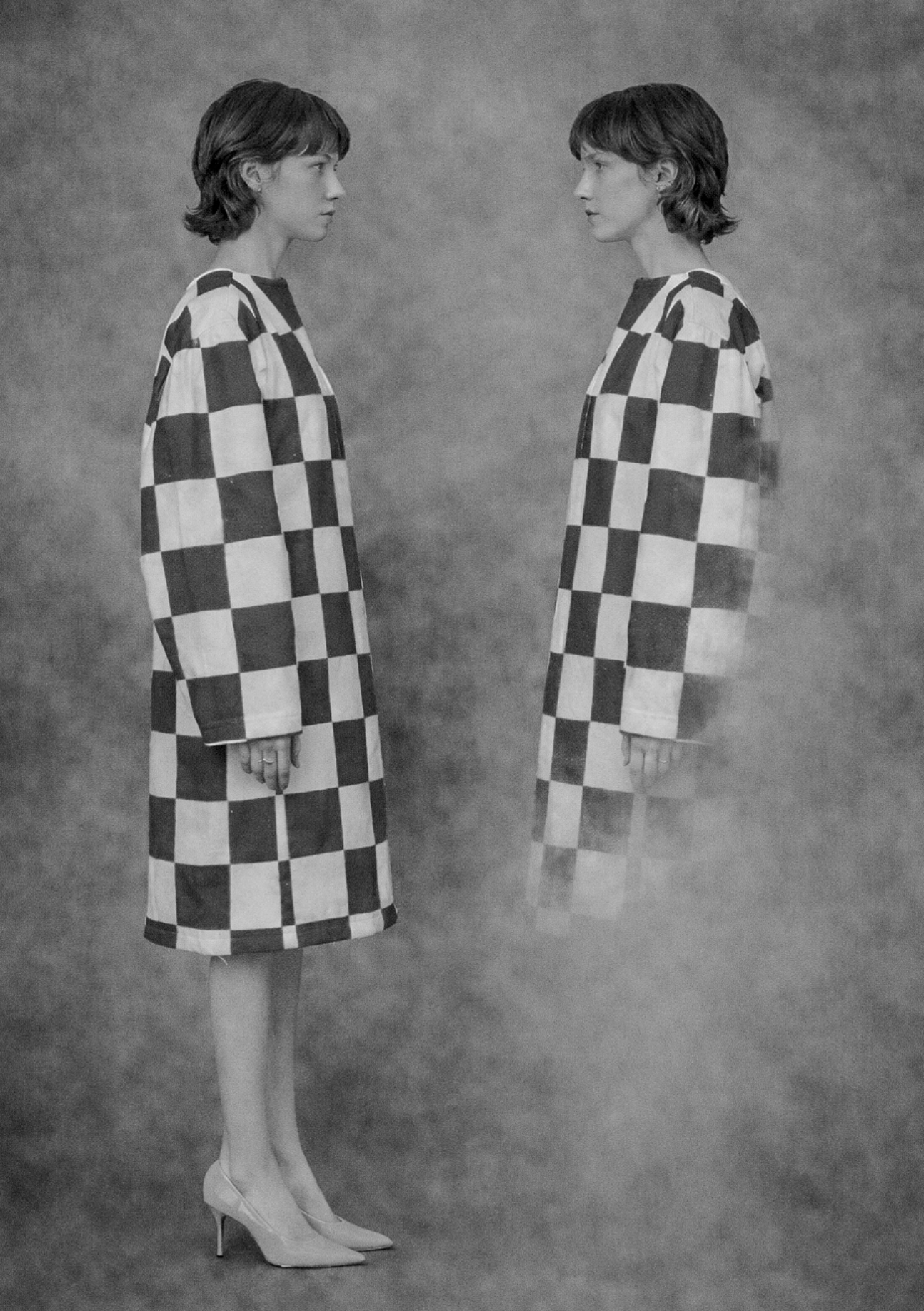
The project begins with a detailed study of Self Service Magazine, considering its relationship with photography, styling, authorship and contemporary visual culture. Lozza identifies a language defined by restraint, conceptual depth, controlled colour, limited post-production and an editorial structure that gives images space to remain ambiguous. From this research emerges No Safe Position, an editorial centred on contemporary fears understood not as dramatic events but as silent conditions that shape identity and the way the body exposes, protects or controls itself. Each image represents a different fear through symbolic situations rather than literal illustration. Fragmented reflections address confrontation with the self; a transparent enclosure turns protection into confinement; invading hands challenge the body as a boundary; other scenes explore instability, judgement and loss of control. Styling, pose and neutral environments are deliberately controlled so that the body becomes the principal carrier of psychological tension.
Discover the Course
Discover the Communication Design course and explore how creative research, visual storytelling, AI and emerging technologies are shaping new approaches to fashion imagery, editorial design and contemporary visual communication.
AI as an Editorial Design System
Artificial intelligence is used to make internal states visible through situations that could not easily exist within conventional fashion photography. Nano Banana supports the construction of highly specified compositions in which model identity, garment, posture, background, lighting and symbolic intervention are controlled through prompting. The prompts function almost like technical art-direction briefs: they define facial continuity, silhouettes, fashion references, photographic grain, studio lighting and precise psychological conditions. Broken mirrors multiply the same face to suggest self-fragmentation; a model enclosed in glass communicates judgement and immobility; duplicated or dissolving figures visualise unstable identity; suspended bodies and external forces represent dependence and loss of control. AI therefore becomes more than an effects tool. It allows Lozza to translate abstract psychological ideas into controlled visual metaphors while maintaining the visual consistency required by a fashion editorial. Selection and conceptual coherence remain central to the process.
From Creative Direction to Editorial Output
The final editorial is conceived as a sequence of autonomous but interconnected images. Each fear can be read individually, while together they construct a broader portrait of contemporary vulnerability. The project proposes that the images function almost like fortune-telling or tarot cards: isolated visual archetypes connected through association rather than a linear narrative. This approach informs not only the compositions but also the layout, where framing, negative space and controlled typography support the symbolic quality of each scene. Fashion remains essential throughout the series, with runway looks selected for their structure, volume and ability to reinforce the psychological scenario without becoming purely illustrative. By translating brand and magazine research into concept, AI-generated image-making and editorial composition, No Safe Position positions artificial intelligence as a means of extending fashion communication into psychological and conceptual territory while preserving a deliberate authorial viewpoint.