

Beyond the Scent
Beyond the Scent
 SHARE
An immersive collaboration between Istituto Marangoni Mumbai and Keva Fragrances invites the next generation of designers to discover the art, science and sensorial language of perfumery, where fashion, fragrance and sensory creativity meet.
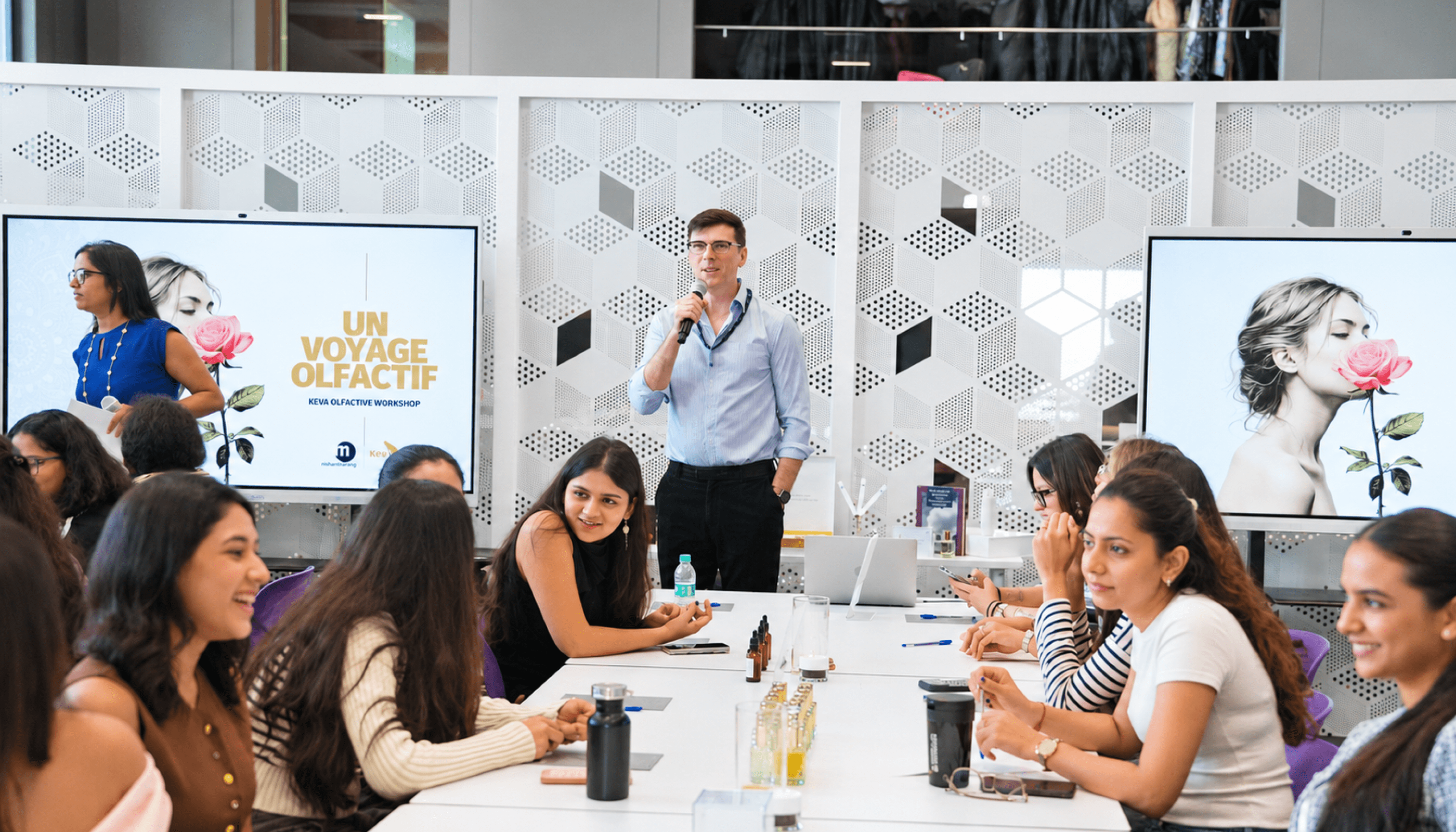
At a hands-on perfumery workshop led by Keva Fragrances, students at Istituto Marangoni Mumbai discovered how a fragrance begins as an idea and becomes a finished scent. Guided by Matthieu Meneuvrier, Perfumer, Medha Tawde Bhagat, Executive Vice President, and Vaishali Vijay, Associate Director, they explored the questions at the heart of the craft: what is perfumery, how is perfume made, and why does a single scent carry a memory? Here is what they learned, starting with the idea that a story can be told through scent.
A Different Way to Tell a Story
Fashion has always been a language of expression. Through colours, textures, silhouettes and craftsmanship, designers create identities, evoke emotions and tell stories.
But what happens when creativity moves beyond what we can see?
Can a memory become a fragrance? Can an emotion find expression through scent? Can a fashion collection tell its story through an entirely different sensory dimension?
These intriguing possibilities inspired a collaboration between Kristian Steinberg, Director of Istituto Marangoni Mumbai, and Medha Tawde Bhagat, Executive Vice President, Global & Business Development at Keva Fragrances. United by a shared curiosity for exploring creativity beyond conventional boundaries, they envisioned an experience where fashion meets fragrance, science embraces artistry, and imagination finds expression through the senses.
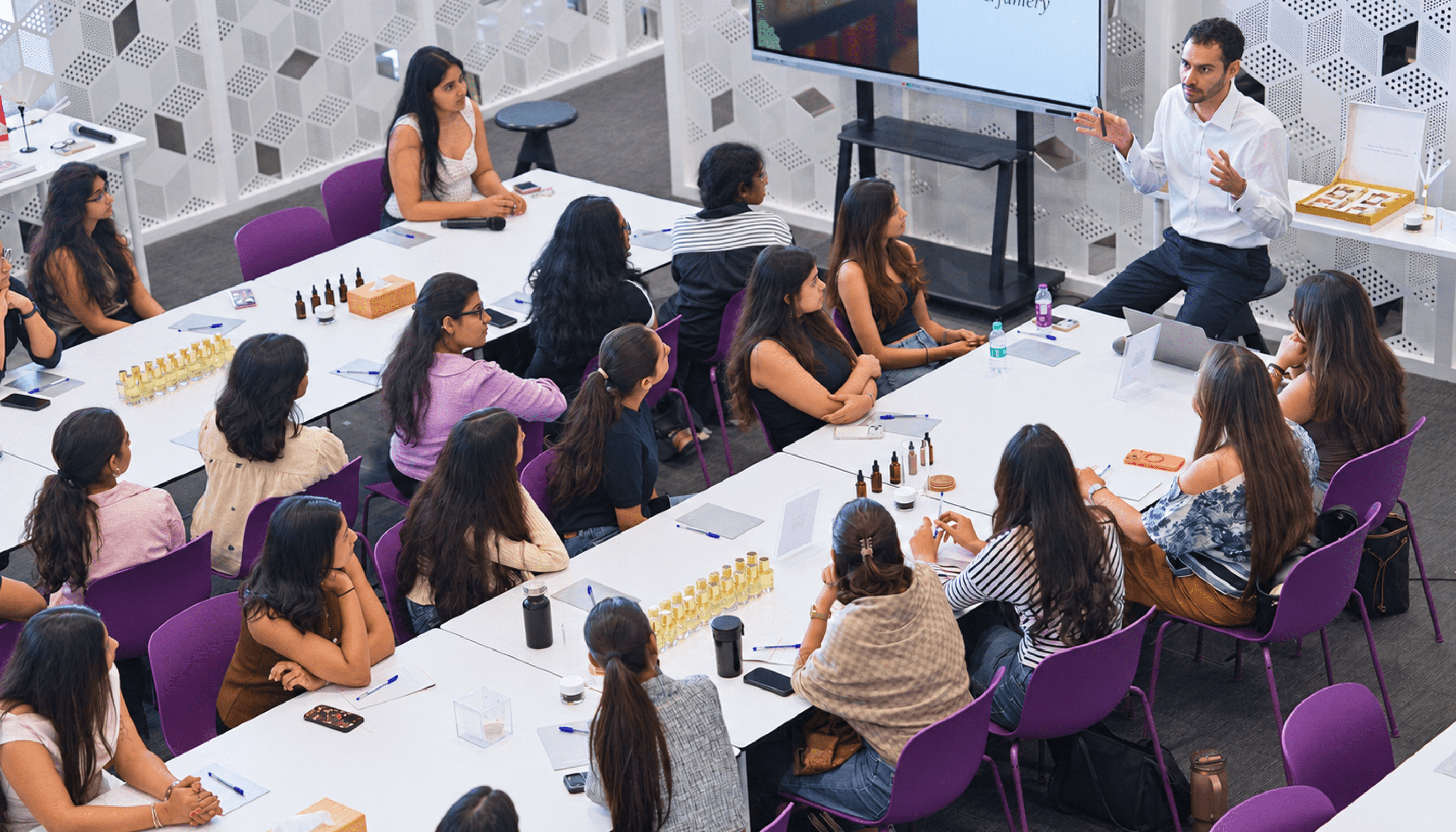
The vision came to life on 26 October 2026, when Keva Fragrances conducted an immersive perfumery workshop for students at Istituto Marangoni Mumbai.
Through olfactive exploration, creative storytelling and hands-on fragrance creation, students discovered how scent can become another powerful language of design, opening possibilities that extend beyond the visual. The journey began, as every fragrance does, with inspiration.
How Perfume Is Made: From Inspiration to Fragrance
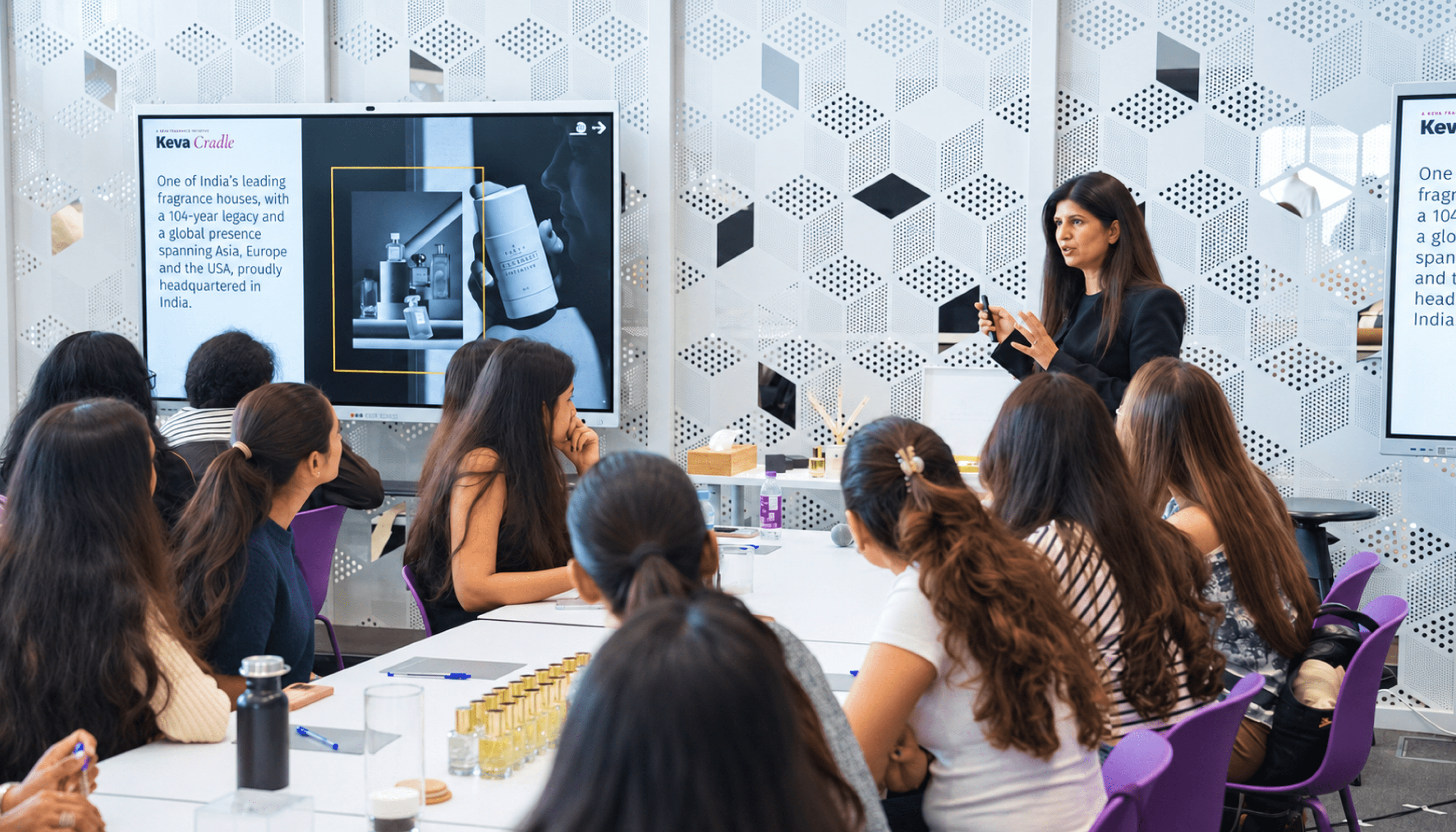
The workshop began with an introduction to Keva Fragrances, an Indian-born fragrance house with more than a century of heritage and an international presence across Asia, Europe and the United States.
Vaishali Vijay, Associate Director at Keva Fragrances, welcomed the students and introduced the collaboration, setting the stage for an exploration of the fragrance industry and its creative possibilities, beginning with the most basic question of all: what is perfumery?
What Is Perfumery?
The first step was to understand perfumery itself: an art and a science, the craft of blending natural ingredients and aroma molecules into a composition that carries an idea, a mood or a memory.
Students discovered that perfumery extends far beyond the world of fine fragrances. It is woven into everyday experiences, from beauty and personal care to home environments and lifestyle products. Yet before any of these exists, there is an idea.
With close to three decades of experience across the Indian and international fragrance industry, and a background in chemistry and marketing, Medha then guided students through the creative thinking that precedes fragrance development.
Every fragrance begins with an idea. It may be inspired by a place, a personality, a cultural reference, a memory or simply a feeling. Translating that inspiration into a fragrance requires a delicate balance of imagination, consumer understanding, artistic interpretation and scientific expertise.
Through an exploration of creative briefs and fragrance storytelling, students were introduced to the process of transforming an abstract idea into an olfactive identity.
Students learned how a client’s idea, shared through a mood board, images and words, becomes a creative brief, how an evaluator translates that brief into olfactive directions, and how the perfumer then composes and refines a formula until it captures the original idea. It was a closer look at the question behind every bottle: how is perfume made?
The discussion highlighted the parallels between developing a fashion collection and creating a fragrance. Both begin with inspiration, evolve through interpretation and refinement, and ultimately seek to connect with people in meaningful ways. It is this shared path that makes fashion and fragrance natural creative partners.
Medha Tawde Bhagat shared:
“Fashion and fragrance have something beautiful in common. Both allow us to express who we are, evoke emotions and create memories, often without saying a word. What makes creativity exciting is the curiosity to explore beyond familiar boundaries. Through this collaboration, we wanted students to discover how science, artistry and imagination can come together to create experiences that are not just seen or admired, but truly felt.”
Learning the Language of Scent
The workshop then moved from creative imagination to the fascinating world of olfaction.
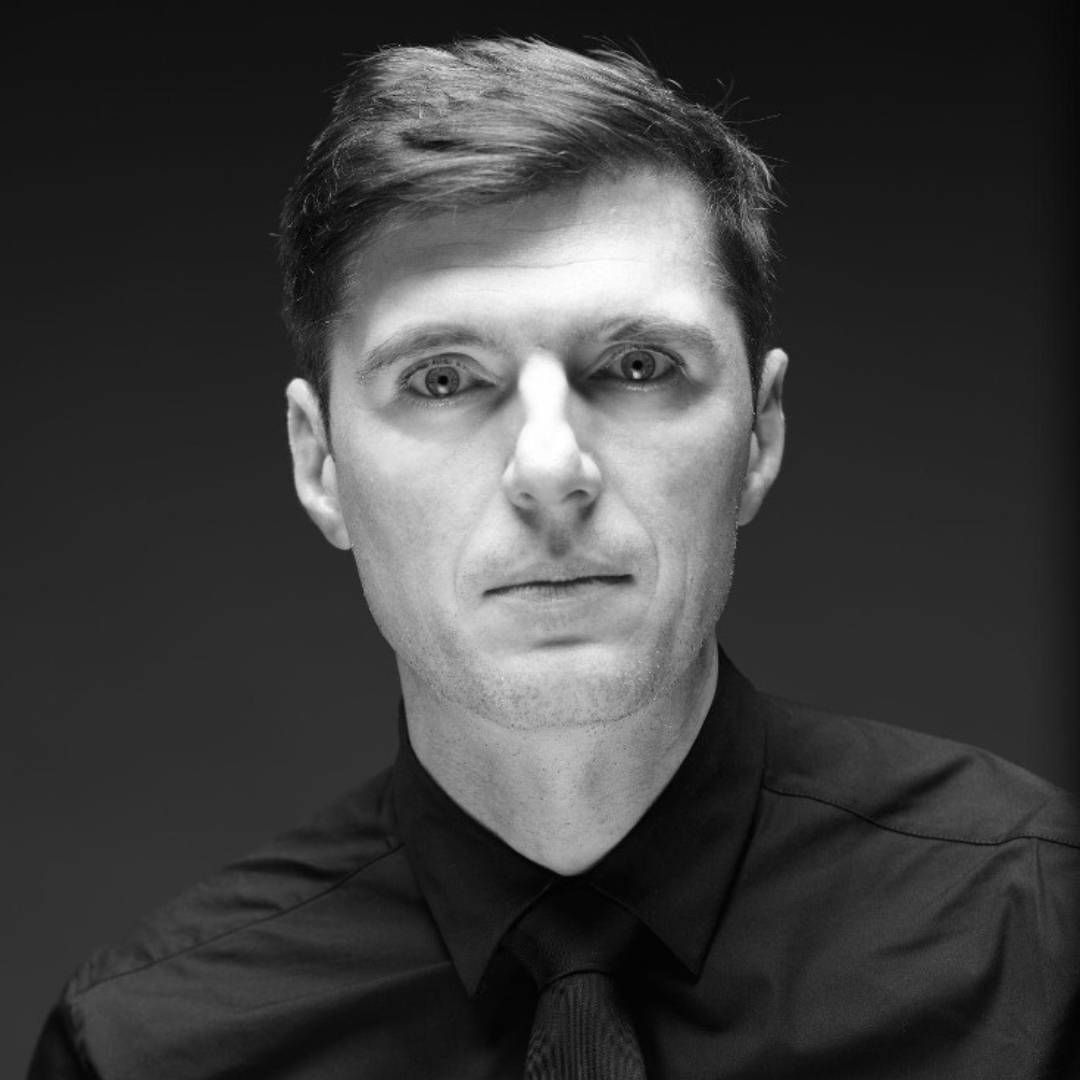
Led by Matthieu Meneuvrier, Perfumer at Keva Fragrances, students explored the history of perfumery, the science behind our sense of smell and the artistic discipline involved in composing fragrances. A French perfumer, Matthieu creates fragrances for international brands as well as for India.
They traced how perfumery has evolved, from the first natural ingredients and distillation to the synthetic molecules that reshaped the craft in the late nineteenth century.
Unlike colour or form, fragrance is invisible. Yet its ability to evoke associations and emotions can be remarkably powerful.
Through guided olfactive exploration, students were introduced to fragrance families, raw materials and the vocabulary used by perfumers to describe scents.
They discovered how different olfactive notes can create impressions of freshness, warmth, elegance, comfort or energy, and how combinations of ingredients contribute to the character of a fragrance. The clearest way to understand this was to smell it.
Exploring Fragrance Families
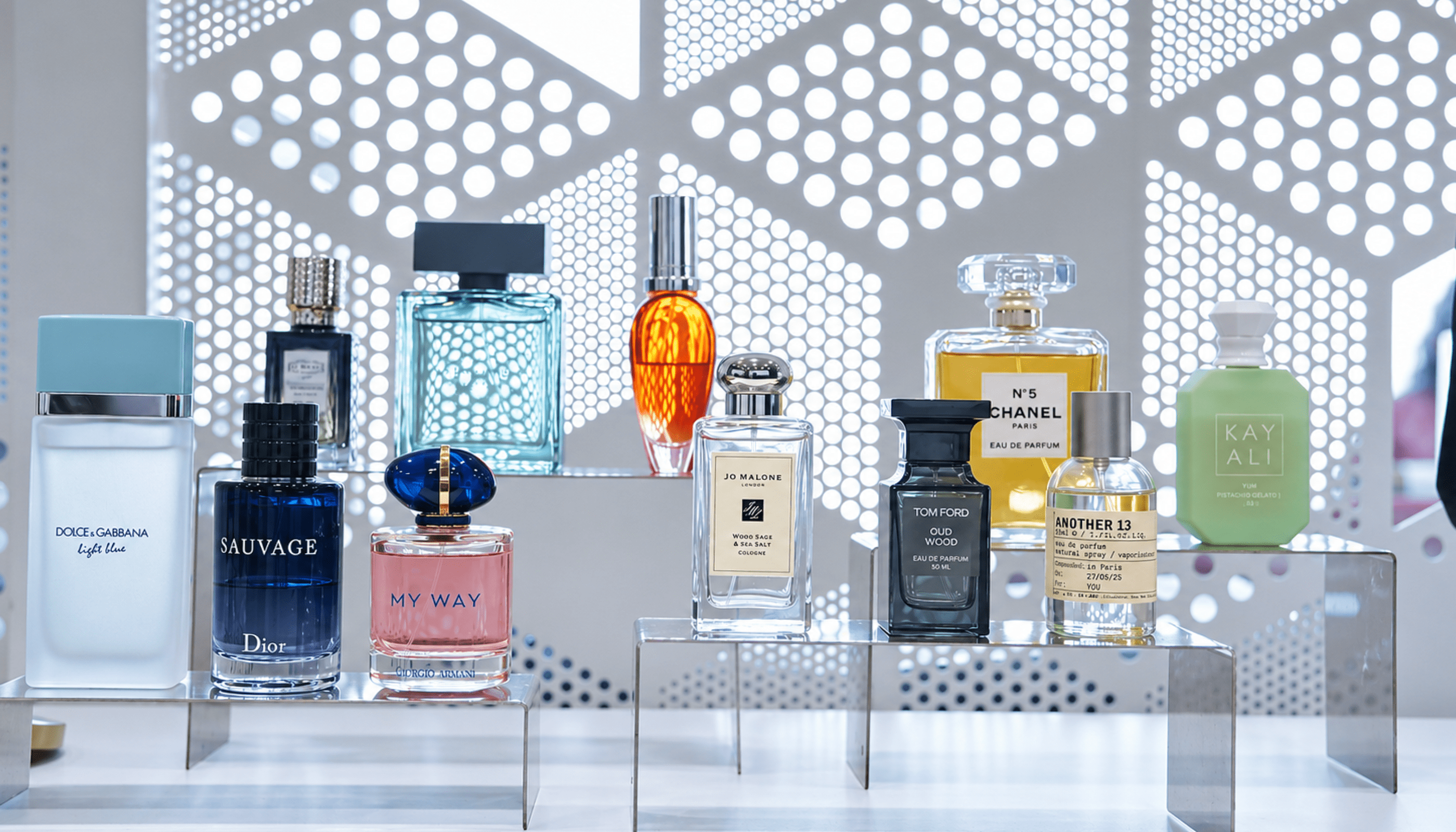
Moving through the fragrance families, students smelled natural bergamot alongside the single molecule that recreates its freshness, before exploring the aldehydic, watery, aromatic and floral families, each paired with well-known fragrances built around them. They also learned how a fragrance unfolds over time, from the lighter top notes that appear first to the heavier base notes that linger on skin and fabric long after the wearer has gone. It is that lingering trace that so often becomes a memory.
When Scent and Memory Meet
An equally fascinating aspect of the experience was the individuality of scent perception.
A fragrance that evokes a childhood memory for one person may suggest an entirely different experience to another. Culture, personal associations and individual perception all influence the way we interpret scent.
Matthieu shared a simple example: an ingredient such as cassis can recall sharp, green fruit for one person and something far less pleasant for another. Even perfumers build their own memory of scent, describing each ingredient in three adjectives so they can recognise it again.
For young designers accustomed to communicating through visual and tactile elements, this opened an entirely new dimension of creative thinking.
When Students Became Creators
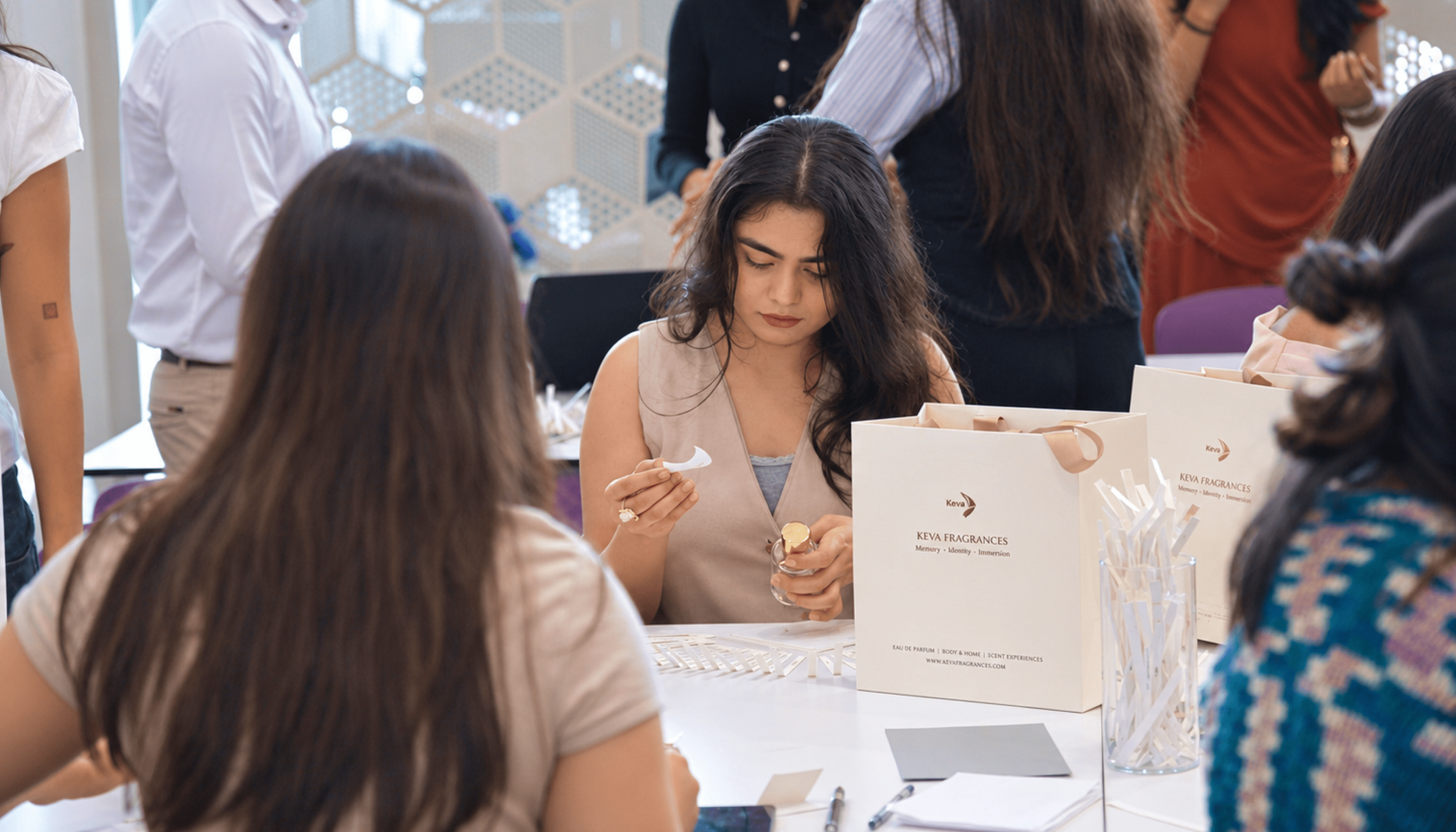
Perhaps the most engaging moment of the workshop came when students moved from discovering fragrances to creating their own interpretations. How is perfume made? The best way to find out was to try.
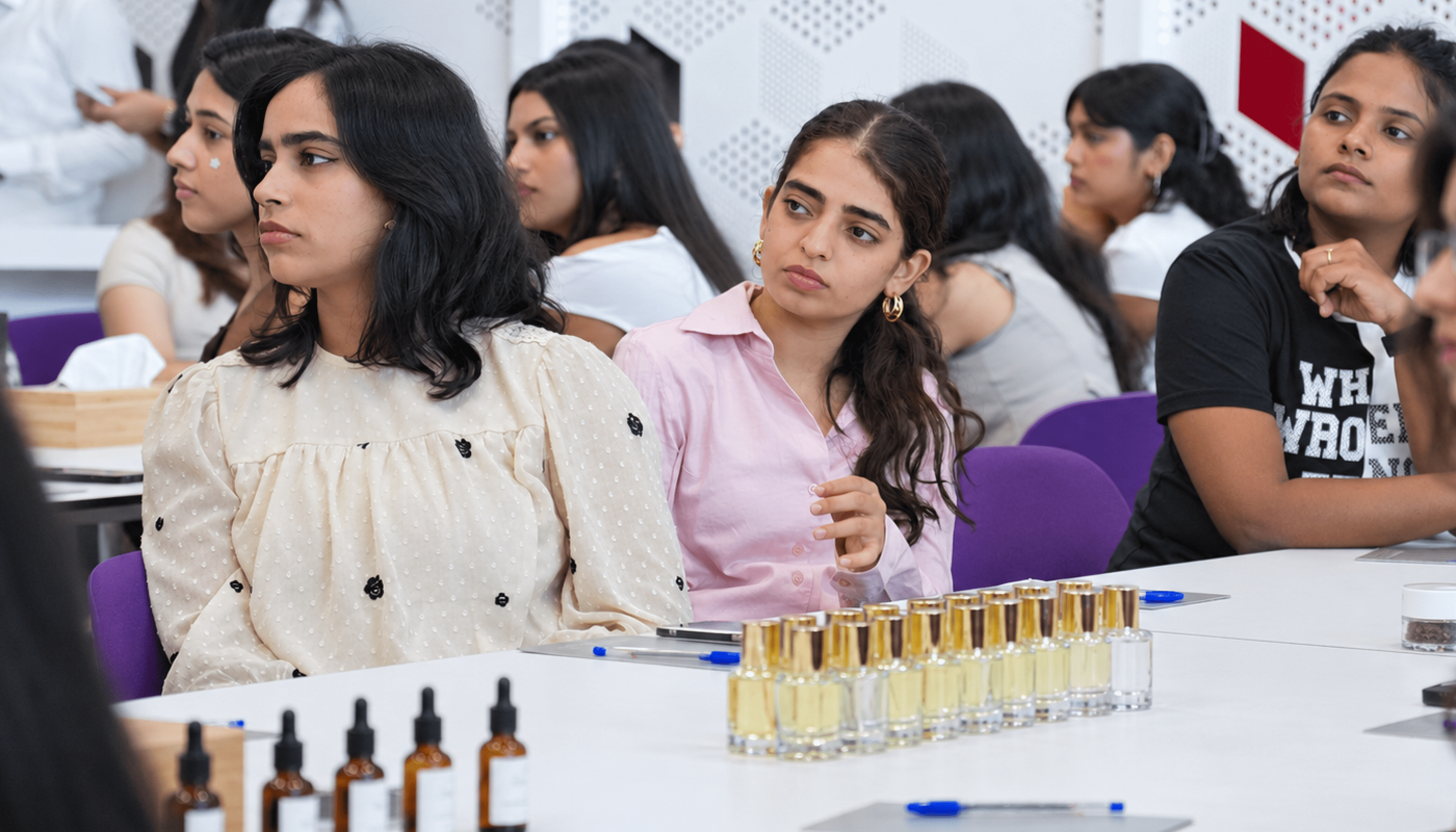
Guided by Keva’s perfumery and technical experts, students explored fragrance materials, experimented with combinations and began translating their ideas into olfactive compositions.
Students were invited to create a flanker, a variation on a well-known fragrance. Choosing a single direction, rose, fruity or marine, each smelled the ingredients available, noted the personality and emotion they suggested, and added drops until the idea took shape. The guidance from the Keva team was simple: there is no right or wrong, only a point of view.
The exercise brought together everything they had encountered during the session: creative direction, sensory observation, technical understanding and personal expression.
Students discovered that even subtle adjustments to a composition could transform its character.
A change in balance could make a fragrance feel softer, brighter, warmer or more expressive. Each decision became part of the creative journey.
The activity also revealed something fundamental about both design and perfumery: there is rarely only one way to interpret an idea.
Different students approached the same creative possibilities with their own perspectives, preferences and imagination.
The result was not simply an exercise in fragrance making, but an exploration of individuality and the relationship between intention, experimentation and expression. Behind every fragrance, however, stands more than a single creator.
The Art, Science and People Behind Perfumery
The workshop also offered students an opportunity to understand the collaborative expertise involved in bringing a fragrance to life. It was a reminder that how perfume is made depends as much on people as on process.
While the perfumer remains central to the creation, fragrance development brings together a wider range of disciplines, including fragrance design, evaluation, application technology, marketing and commercial understanding.
So what does a perfumer do? Students learned that a perfumer turns a brief into a formula, while evaluators interpret the brief, marketing teams shape the story and formulation specialists make sure the fragrance performs in everything from body lotion to fabric care.
They also heard from Keva’s perfumers, evaluators, marketing and formulation colleagues about their own paths into the industry.
Matthieu Meneuvrier led the olfactive learning and practical creation experience, sharing insights into the perfumer’s craft. The workshop demonstrated how perfumery combines individual creativity with collective expertise, bringing artistic imagination and scientific precision into a shared creative process. It also pointed to something larger: the experience a creation leaves behind.
Designing Experiences Beyond the Visual
As fashion, beauty and luxury continue to evolve, the relationship between products and the experiences they create is becoming increasingly significant.
Design today is not only about appearance or functionality. It is also about how people experience, interpret and emotionally connect with what is created.
Fragrance offers a particularly interesting dimension to this conversation.
It can complement a visual identity, evoke a sense of place, reinforce a brand’s character or create an association that remains in memory.
For students preparing to enter creative industries, understanding the relationship between sensory perception, storytelling and design can broaden the possibilities of their work.
The workshop encouraged them to think beyond individual products and consider the fuller human experience surrounding a creative idea.
It also highlighted the value of connecting creative education with industry practice, allowing students to encounter different perspectives, engage with professionals and discover how ideas evolve in the working world. Taken together, the lessons of the day were both practical and creative.
What Students Walked Away With
The workshop gave students a foundation in:
- Understanding perfumery: what the craft involves and how far it reaches beyond fine fragrance.
- Seeing how perfume is made: how a creative brief becomes a finished formula.
- Reading fragrance families: recognizing citrus, watery, floral and other families, and how notes unfold over time.
- Connecting scent and memory: why the same fragrance means something different to each person.
- Linking fashion and fragrance: using scent to extend the story behind a design.
A Shared Curiosity for What Comes Next
For Istituto Marangoni Mumbai, the collaboration with Keva Fragrances went beyond a single workshop. It reflected the importance of connecting classroom learning with contemporary industry expertise. For Keva, it offered an opportunity to share the knowledge and artistry of perfumery with a new generation of creative minds, while encouraging fresh perspectives and curiosity. The exchange also opened possibilities for continued dialogue between fragrance, fashion, design and creative opportunities to take them to market. The session closed with certificates for students.
As Matthieu Meneuvrier reflected:
“Perfumery is a continuous journey of curiosity and discovery. There is science and technique behind every composition, but there is also imagination and personal interpretation. It was exciting to see students approach fragrance with their own creative perspectives and discover how an idea can begin to take shape through scent.”
The workshop concluded with students taking away more than an introduction to the fragrance industry. They had experienced a different way of thinking, creating and expressing themselves. For Istituto Marangoni Mumbai and Keva Fragrances, the collaboration demonstrated how bringing different creative worlds together can inspire new perspectives and possibilities. Because sometimes, the most memorable design is not simply what we see. It is what we feel. For those inspired to take it further, there is a path that begins in the classroom.
Want to Explore a Career in Fragrance at Istituto Marangoni Mumbai?
Experiences like this reflect the hands-on, industry-facing learning Istituto Marangoni Mumbai builds into its programmes, connecting classroom ideas with the professionals who shape the field. For students who wish to explore fragrance further, the Fragrances and Cosmetics Management course offers a deeper look into the product lifecycle of luxury beauty.
Newsroom

 GET IN TOUCH VIA WHATSAPP