I’M CONSCIOUS 2026 • HYPE-CYCLING
Together with Fondazione Sozzani for a more conscious fashion.
I’M Conscious 2026 explores reuse as a creative and cultural gesture, transforming existing materials, objects and imaginaries into new visions for a more conscious approach to fashion.
HYPE-CYCLING: REUSE AS A NEW IMAGINARY
How can designers today generate new imaginaries without producing waste? Hype Cycling, the theme of the third edition of I'M Conscious, the project developed by Istituto Marangoni Milano in collaboration with Fondazione Sozzani, stems from this question. An invitation to rethink the value of objects, challenge throwaway culture and rediscover the creative potential of what already exists. At a time marked by overproduction and increasingly accelerated consumption, I'M Conscious continues to serve as a research laboratory dedicated to the most urgent challenges currently shaping fashion, beauty and design. The Hype Cycling theme shifts the focus from the concept of novelty to that of transformation. Reuse is no longer simply a production choice, but represents an authentic cultural approach that suggests new aesthetics and perspectives for the luxury and creative industries.
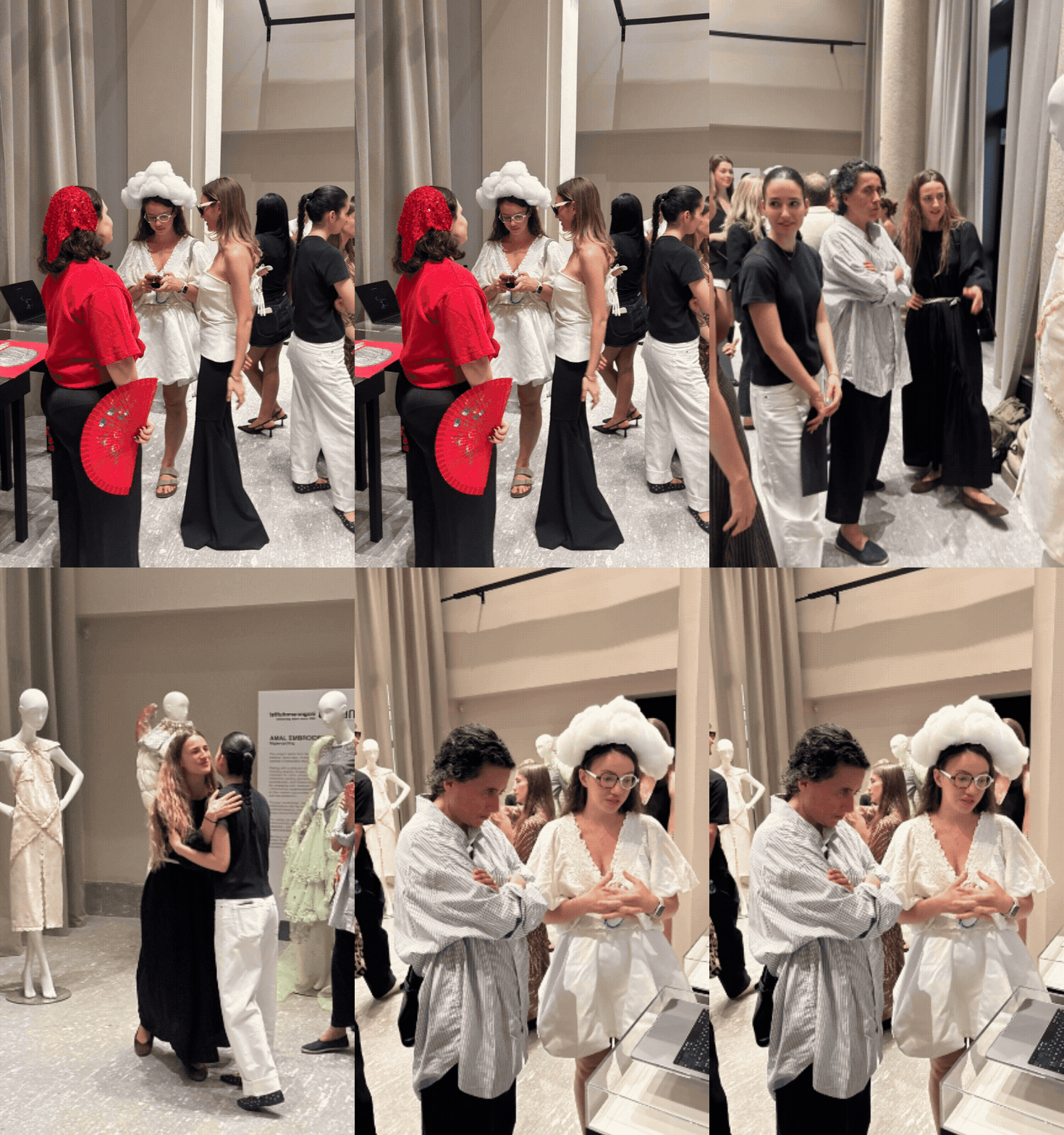
FONDAZIONE SOZZANI: A CULTURE OF RESPONSIBILITY
The collaboration with Fondazione Sozzani strengthens the cultural dimension of the project. For over thirty years, the Foundation has promoted dialogue between fashion, photography, art and design, supporting research as a tool for interpreting the present and understanding the evolution of the industry. In this context, the role of Sara Sozzani Maino, Creative Director of the Foundation, is fundamental in supporting emerging talent, with the aim of educating professionals capable not only of responding to the needs of the industry, but also of questioning its models and proposing new design perspectives.
“The I'M Conscious project was born from the belief that today it is extremely important to educate new generations to be more responsible” – explains Sara Sozzani Maino – “I believe that this stage of their lives, during their education and training, is the right time to introduce them to the themes of responsibility and awareness of the challenges they will have to face in the future.”
.gif)
THE WINNING PROJECTS
The selected works demonstrate how sustainability can become a field for experimentation. Across the winning projects, reuse becomes a way to question the fashion system and the dynamics that fuel the desire for consumption. Some projects focus on reinterpreting materials, others on redefining the meaning of objects, while others explore the communication of sustainability through a perspective that is both critical and creative. One key word emerges and connects these different visions: transformation.
REPLAY by Lara Lacchinelli (Fashion Communication & Image)
Replay takes shape within small neighbourhood shops, where objects intended for sale are temporarily removed from their original function and transformed into garments and tools for visual storytelling. Through styling and upcycling, the project restores value to places and objects that often go unnoticed, transforming the shop into a photographic set and local retail into a reflection on the relationship between commodities, identity and desire. The influences of Marcel Duchamp, Barbara Kruger, Banksy and Virgil Abloh contribute to a narrative in which fashion becomes a critical language before an aesthetic one, while developing a reflection on the relationship between commodities, images and desire.
.gif)
AFTER THE OUTDOORS by Natalia Walton (Fashion Design & Accessories)
Natalia Walton transforms discarded tents, sleeping bags, backpacks and other outdoor equipment into a contemporary collection. After the Outdoors deliberately preserves straps, seams, buckles and traces of previous use, making the memory embedded in the material a design element. The aesthetic draws on the language of outdoor clothing and gorpcore, currently a major trend, but its message goes beyond fashion: the project challenges the idea that newness always represents added value and demonstrates how fashion can generate quality by reinterpreting what already exists.
.gif)
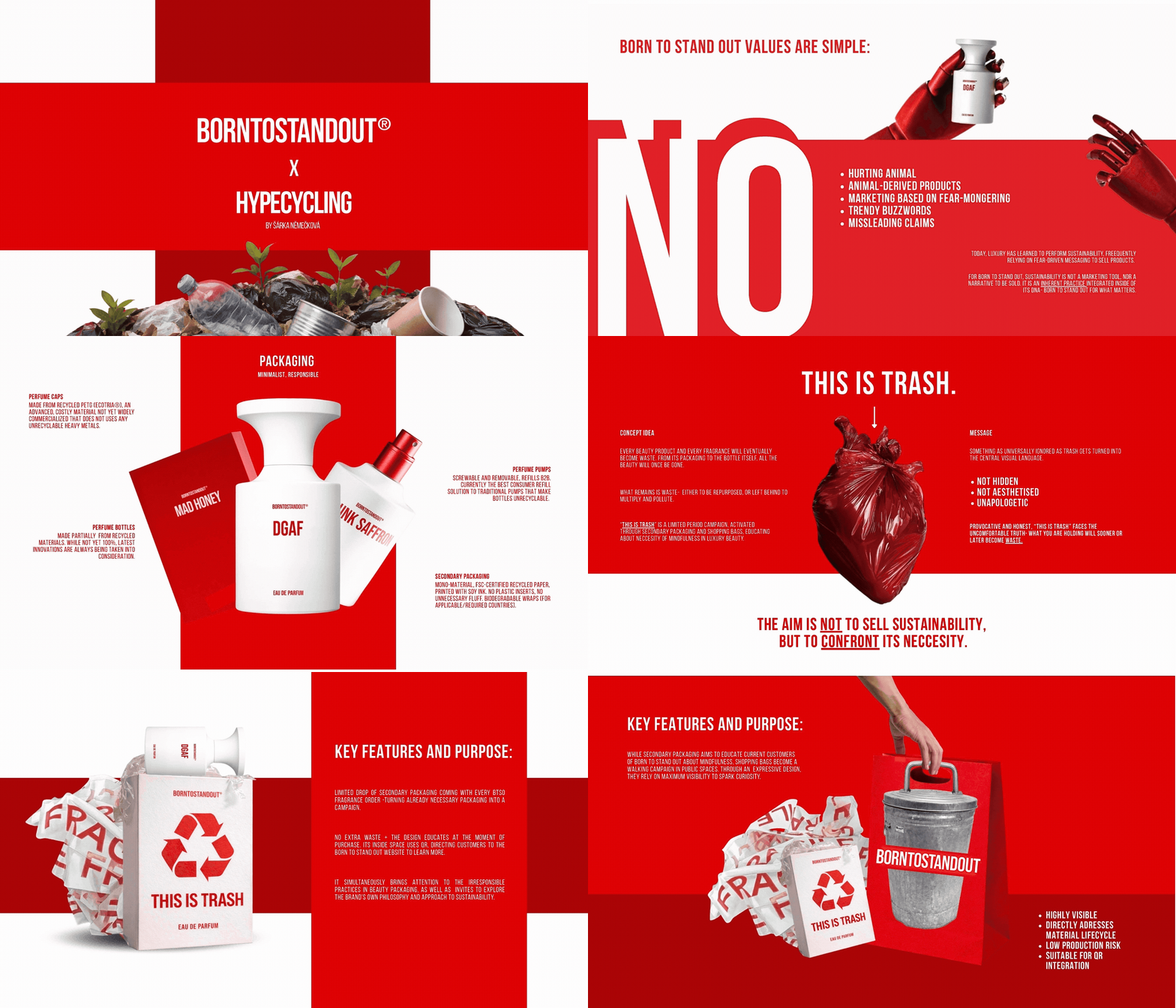
THIS IS TRASH by Šárka Němečková (Fragrances & Cosmetics Product and Communication)
For Šárka Němečková, transformation begins with communication. Developed for the Korean fragrance house Born to Stand Out, This is Trash rethinks the way a beauty brand communicates sustainability, moving beyond greenwashing narratives and the overuse of reassuring slogans. Through a system of limited-edition packaging and shopping bags, the project adopts a direct and provocative visual language: the packaging does not conceal its eventual fate as waste, but openly acknowledges it, transforming it into a tool for raising awareness. The result is a shift in perspective that does not intervene in the product itself, but in the imagery through which luxury communicates environmental responsibility, demonstrating how branding and visual identity can also contribute to building a culture of sustainability.