

Corteiz x Nike’s Shox R419: Why make an advert about making an advert?
The Corteiz x Nike Shox R419 advert turns a brainstorm into a joke about sneaker marketing. What does the Swoosh gain from its partner’s standing in British street culture?
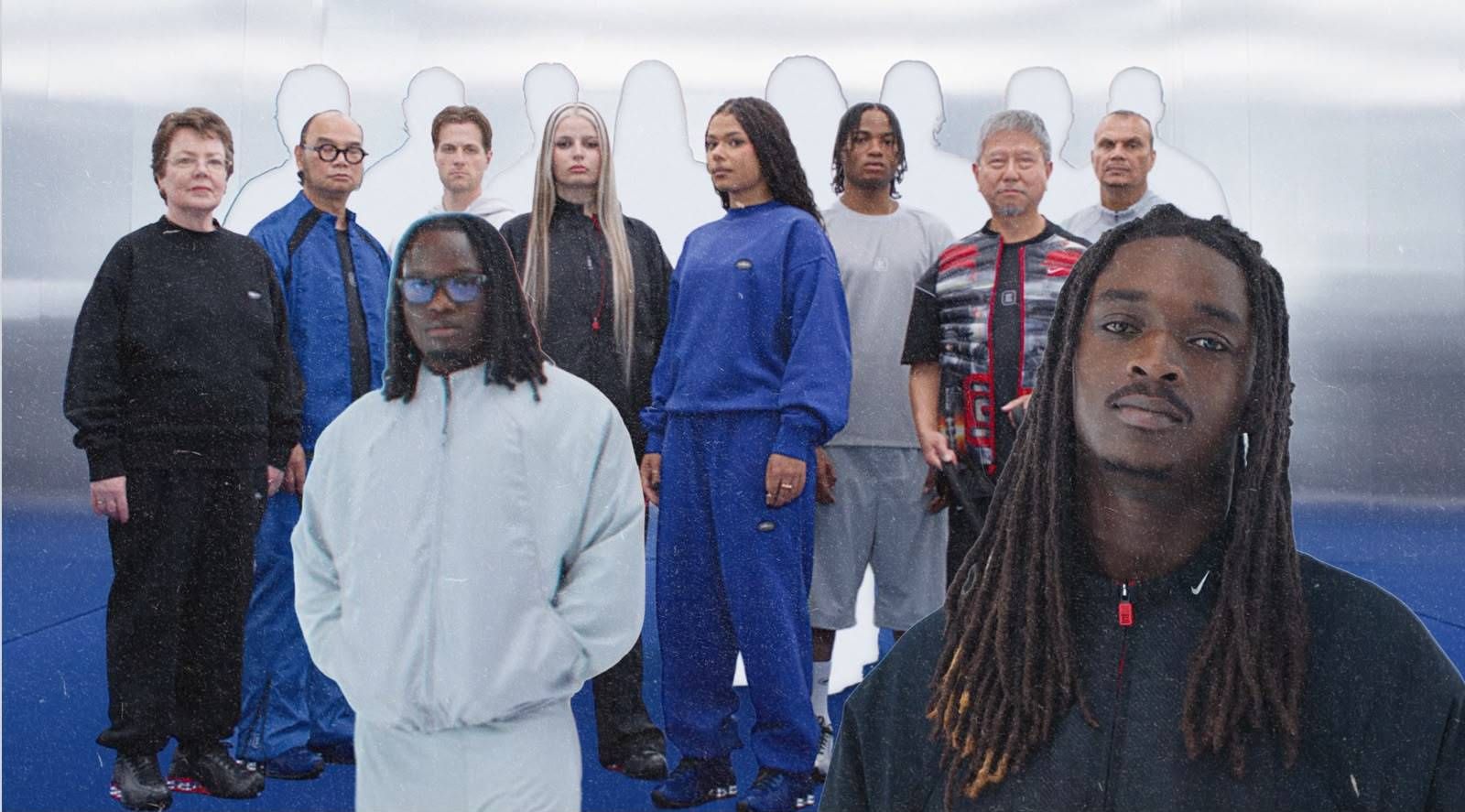
“They just want to see the creps.” Maya Jama gets the final line in Corteiz and Nike’s Shox R419 campaign film. This tongue-in-cheek, behind-the-scenes mockumentary follows a brainstorming session that veers from the obvious to the absurd, making the process of dreaming up a sneaker advert part of the joke. Edoardo Passacantando, an expert in street culture, subcultures, and underground scenes, explores what the ad reveals about Corteiz’s authority, and what Nike gains from the partnership.
My best marketing advice these days? If an advert can stop me mid-doomscroll, it’s doing something right. Corteiz did exactly that last week. Teaming up once again with Nike, the London-based brand has delivered a striking campaign for its upcoming collaboration. This time, Corteiz puts its own spin on a legendary piece from Nike’s Shox series: the R4, cleverly rebranded as the R419. The name combines the model number with founder Clint419’s handle, also nodding to his Nigerian heritage.
Visualizza questo post su Instagram
What Is the Corteiz x Nike Shox R419 Advert Making Fun Of?
Directed and edited by creative duo UNCANNY, the campaign film takes “How to Make an Advert” as its premise, parodying a brainstorming session where ideas spiral from obvious to absurd. In doing so, it pokes fun at the conventions of fashion advertising while showing how Corteiz does things differently, cutting through industry norms without losing its raw, unfiltered identity. It’s essentially industry versus culture.
An off-camera voice walks us through the making of the advert, gradually revealing the new silver R419, the common thread running through an increasingly chaotic brainstorming session. The two young directors’ ideas are punctuated by a deconstructed instrumental of Dizzee Rascal’s I Luv U, a grime classic that sets the tone for the entire film.
Bringing together an endless roster of high-profile personalities, the spot gives the brand room to flex its “PR muscles:” musicians such as Niko B and Finesse Kid, Manchester United midfielder Kobbie Mainoo, and creative figures including Gabriel Moses and Kwollem. To cap it off, the video clip closes with Maya Jama delivering her verdict on the final cut: “They just want to see the creps”.
Visualizza questo post su Instagram
What Does “Creps” Mean in British Slang?
The script is raw, the soundtrack leans on a grime classic, and the dialogue is packed with slang: “creps” is British slang for trainers. Everything about the film screams London. Corteiz does what it does best: it speaks from within the culture.
How Does Corteiz Use Street Culture in Its Marketing?
The brand continues to rely on culture as its ultimate branding asset, infusing street-culture codes into an advertising industry that has often left those communities out of the conversation. This is where culture marketing comes in: a strategy that aligns a brand’s output with the values, behaviours and interests of a particular cultural community or broader societal trends, drawing on deeper cultural currents rather than focusing solely on product features or benefits.
The campaign operates on two levels. It keeps Corteiz in the cultural conversation, generating organic attention and giving social media something worth talking about. It also builds a relationship with customers on shared cultural ground: Corteiz speaks their language, shares their references, and likes what they like.
Visualizza questo post su Instagram
What Does Nike Gain from the Corteiz Partnership?
The most intriguing part of the equation is what Nike stands to gain. The cultural credibility that brands like Corteiz bring to the table is precisely what continues to fuel the mystique around the Swoosh.
This collaboration places Nike within British youth and street culture—not as a distant corporate sponsor, but as a partner working with a label that has its own authority in that space. In other words, Nike is not merely an endorser; it is an enabler.
How Did Nike Become Part of British Street Culture?
There’s history behind that relationship. From grime’s early days, Nike has been woven into the visual identity of multicultural, working-class Britain. Silhouettes such as the Air Max and Air Force 1 became staples of everyday streetwear, worn by young people across London’s estates, pirate-radio scenes and local communities long before street culture became a cornerstone of luxury marketing.
In that sense, the Corteiz collaboration isn’t Nike’s first step into a new cultural space, but a return to one the Swoosh helped shape. That’s the partnership’s real strength: Corteiz brings the cultural authority, Nike brings the heritage, and neither needs to pretend the relationship started yesterday.
Visualizza questo post su Instagram
Why the Corteiz x Nike Advert Doesn’t Feel Like an Advert
Ultimately, the Corteiz x Nike partnership shows that relevance cannot simply be bought overnight. It takes years of shared references, lived experiences, and genuine relationships with the communities pushing culture forward. Corteiz has built its identity around this idea, and Nike understands the value of being part of it.
As the fashion industry increasingly performs authenticity rather than truly embodying it, Corteiz flips the script: its most effective pitch barely looks like a pitch.
Edoardo Passacantando
Editor and Author, London










 FASHION STYLING 1950s Fashion and Rockabilly: How Japanese street style reinvented the Fifties 10/09/2025


