
We want Jane Austen’s dresses, not her world: The Regency fashion revival in Sense and Sensibility
Jane Austen’s dresses are back in fashion. The newly released Sense and Sensibility reveals the romance—and social rules—behind Regency style
Marianne Dashwood can easily set aside her pink sash after heartbreak. Escaping the rules that govern her life, however, is much more difficult. The Regency fashion revival thrives on this ambivalence: Jane Austen’s dresses promise romance, while the lives of the women who wore them were bound by money, class and marriage. In Georgia Oakley’s newly released Sense and Sensibility, a young communications specialist examines Grace Snell’s costumes to uncover what they reveal about the Dashwood sisters, asking why these dresses still appeal and how their allure continues to fuel Regencycore.
The long-awaited new adaptation of Sense and Sensibility has just been released, bringing Jane Austen’s beloved world back to the big screen. Naturally, our attention is firmly on the costumes: the Regency silhouettes, delicate fabrics, and romantic details that continue to inspire fashion today.
Perhaps we never wanted to live in Jane Austen’s world; we just wanted to dress as they did.
Fashion enthusiasts have long romanticised the Regency era, but are we really fascinated by the period itself, or by the idealised version crafted by literature, cinema and fashion?
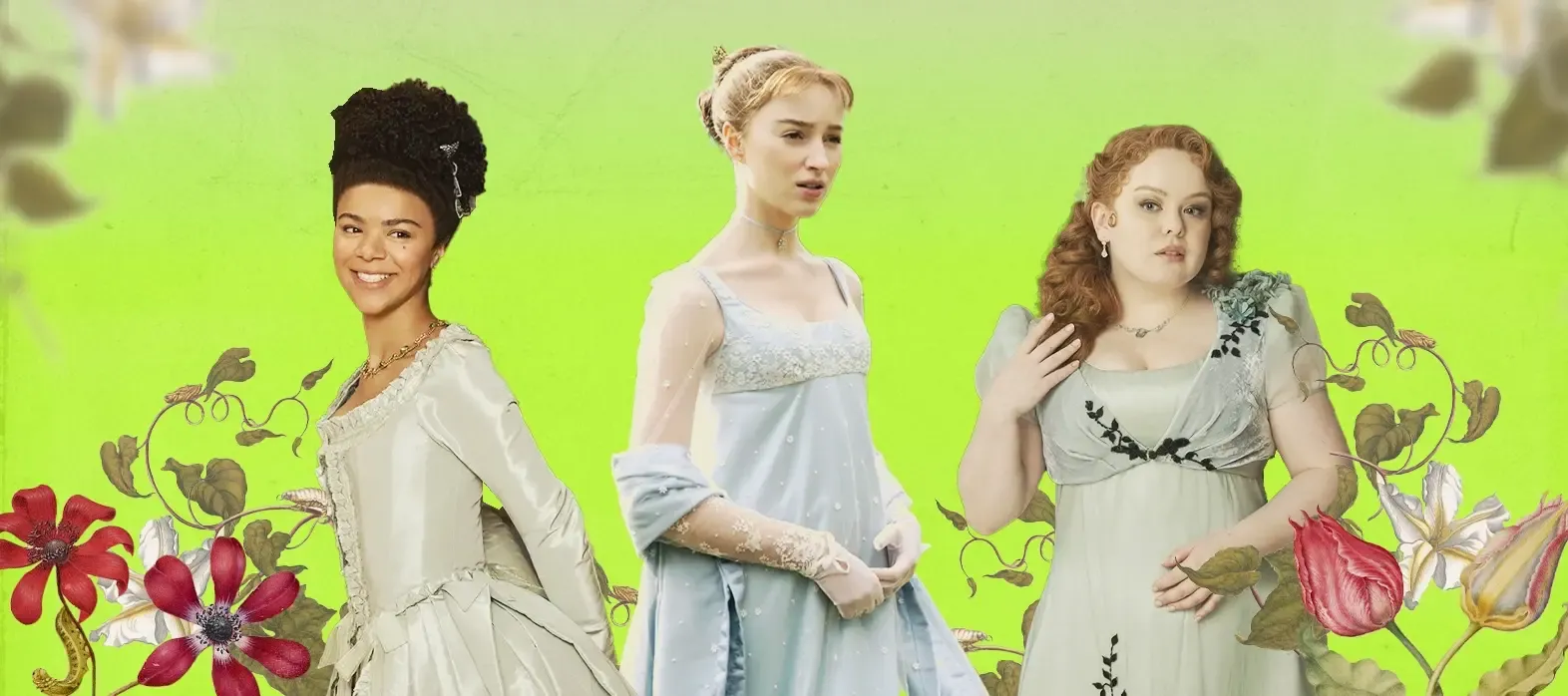
It’s easy to imagine ourselves as Elizabeth Bennet when Mr Darcy falls in love with her, or Daphne Bridgerton when she is crowned the season’s diamond by the Queen herself. And what were they wearing? After all, who wouldn’t want to wear an Empire-waist gown on their very own happily ever after?
Visualizza questo post su Instagram
What Did Jane Austen’s Heroines Wear?
Before there was Regencycore, there was the Regency wardrobe. Empire waistlines, delicate muslins, silk ribbons, and elaborate bonnets once belonged to a world where dressing mattered as much for social standing as for personal expression. More than two centuries later, these same elements are finding their way back into contemporary fashion, making the arrival of Georgia Oakley’s new adaptation of Sense and Sensibility all the more exciting.
Starring Daisy Edgar-Jones and Esmé Creed-Miles as Jane Austen’s Dashwood sisters, the film takes us back to 1795-1799, a transitional period when Georgian fashion gradually yielded to the neoclassical silhouettes that would come to define the Regency era. Through costume designer Grace Snell’s thoughtfully curated wardrobe, fabrics, accessories, and the emerging Empire silhouette become more than historical details: they create a visual language through which class, character, and emotion are vividly conveyed.
Yet behind the romantic allure of these delicate garments lies a striking contradiction: as women’s wardrobes embraced a new sense of lightness, their lives remained constrained by rigid social expectations. Silhouettes grew softer, but the rules governing women’s lives didn’t.
What Is an Empire-Waist Dress?
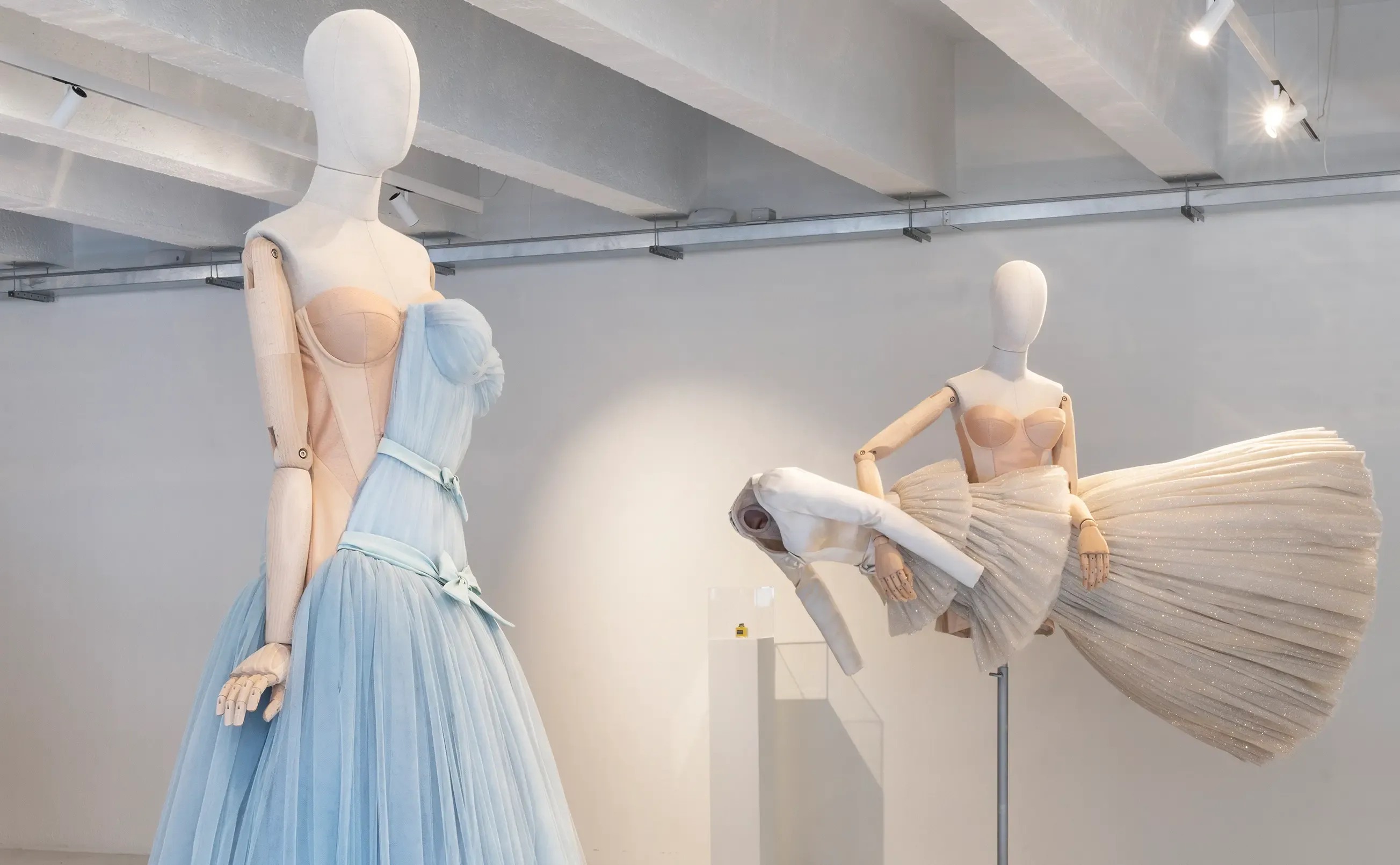
Between 1795 and 1799, British women’s fashion underwent a substantial transformation. The structured silhouettes of the late Georgian era gradually gave way to softer, more fluid, vertical lines, inspired by ancient Greek and Roman dress. Waistlines rose to just beneath the bust, while skirts began to fall more freely towards the floor. This emerging Empire silhouette would become one of the defining features of Regency fashion.
Snell’s costumes in Sense and Sensibility not only represent the historical period, but also express the contrasting personalities of the two sisters. Elinor, portrayed by Daisy Edgar-Jones, wears more practical, understated garments, her wardrobe reflecting her sense of responsibility towards her family. In contrast, Marianne, portrayed by Esmé Creed-Miles, favours a more romantic, spontaneous and delicate style, with lighter fabrics and softer details.
Visualizza questo post su Instagram
Why Is Regency Fashion Back?
Perhaps contemporary fashion is borrowing from the Regency era not only its silhouette, but also its promise of romance. As Empire waistlines and flowing dresses return to modern wardrobes, their appeal seems to extend beyond aesthetics.
There’s something undeniably romantic about the delicacy of these garments, as though they belonged to a world of handwritten letters, elaborate courtships, and grand declarations of love. This idealised world stands in stark contrast to the immediacy of modern romance. In revisiting these silhouettes, fashion seems less nostalgic for the past itself than for the romantic ideals it embodies.
Why Was Muslin So Coveted in Regency Fashion?
If the Empire silhouette introduced a new sense of lightness, the fabrics truly brought it to life. Muslin, in particular, became one of the period’s defining textiles, prized for its delicate texture, almost weightless appearance, and subtle transparency. Often imported from India, the finest varieties were coveted as luxury items, proving that simplicity did not necessarily mean affordability.
Alongside cotton, wool, and taffeta, these textiles shaped wardrobes in which elegance was expressed not only through embellishment, but also through texture, movement, and craftsmanship.
Visualizza questo post su Instagram
What Do the Dashwood Sisters’ Costumes Reveal About Class?
In Sense and Sensibility, Grace Snell embraces this understated elegance while deliberately avoiding an overly polished take on period dressing. Fabrics appear natural, sometimes slightly worn, mirroring the Dashwood family’s everyday lives and shifting financial circumstances. Colour is equally significant: the dark, muted tones of mourning gradually give way to warmer shades as the story unfolds.
Perhaps one of Snell’s most fascinating references is John Galliano’s 1986 Fallen Angels collection, particularly the way wet muslin clings to the body. The inspiration resonates with Marianne, whose romantic temperament is reflected in her delicate garments and rain-soaked appearances. It is a striking example of fashion coming full circle: historical dress inspiring a designer, whose work, decades later, inspires its reinterpretation on screen.
What Did Regency Accessories Say About a Woman’s Status?
If fabrics and silhouettes define the Regency wardrobe, accessories give it personality. Silk ribbons, shawls, gloves, bonnets, and delicate jewellery were far more than decorative additions: they communicated social standing, personal taste, and sometimes emotions that could not be openly expressed. In Sense and Sensibility, Grace Snell transforms these seemingly minor details into essential elements of storytelling.
A particularly touching example is Marianne’s pink sash, inspired by Thomas Lawrence’s 1794 painting Pinkie. Following her heartbreak, Marianne abandons the ribbon, which is later passed down to her younger sister Margaret. What once symbolised Marianne’s innocence becomes a marker of Margaret’s coming of age. Even the smallest accessory can carry an entire emotional journey.
Snell also challenges the conventional image of Regency dressing through her approach to headwear. Rather than relying solely on traditional bonnets, she introduces mourning caps and distinctive hoods, while reserving more elaborate accessories for wealthier characters. The contrast is subtle but revealing: in a society where appearances were closely tied to status, what a woman wore could speak volumes about her place in the world.
Today, the enduring appeal of ribbons, romantic headpieces and delicate accessories suggests that fashion is still drawn to their expressive potential. Perhaps their charm lies in their simplicity—the power to make even the smallest detail feel meaningful.
Why Do Jane Austen’s Dresses Still Appeal Today?
Ultimately, the resurgence of Regency-inspired fashion may have less to do with a longing for the past than with a desire to rediscover the romance it evokes. Through delicate fabrics, flowing silhouettes, and carefully chosen accessories, Sense and Sensibility reminds us that fashion has always been a language of its own, capable of expressing everything from social expectations to our most intimate emotions. While we may not wish to live by the rules that governed the Dashwood sisters’ world, there is something undeniably appealing about borrowing a little of its beauty. After all, who says we need to live in a Jane Austen novel to dress like its heroines?
Benedetta Barbaro
Alumna, communications expert and business growth strategist, London