

Inside MAURI: The new independent fashion magazine created by disabled and neurodivergent creatives
Can fashion become truly inclusive without disabled creatives in editorial leadership? MAURI explores a new model for independent fashion publishing
Fashion has made progress in representing disability. But who gets to write, style, photograph, and direct the stories we see?
Disabled creatives remain dramatically underrepresented in fashion’s editorial leadership, despite years of industry campaigns celebrating diversity. While disabled models and neurodivergent talent are becoming increasingly visible on runways and in advertising, editors, publishers, creative directors, and journalists with first-hand experience are still rare.
Launching this September, MAURI is a new independent fashion magazine led by disabled and neurodivergent creatives. Instead of treating disability as a subject, the publication places these perspectives at the centre of every editorial decision, creating a platform where contributors develop the stories they want to tell on their own terms.
Now officially open for pre-order with its debut Issue 00, MAURI is more than just another independent publication. It proposes a different model for fashion publishing—one in which the people whose lived experiences shape the conversation also influence the editorial decisions behind it.
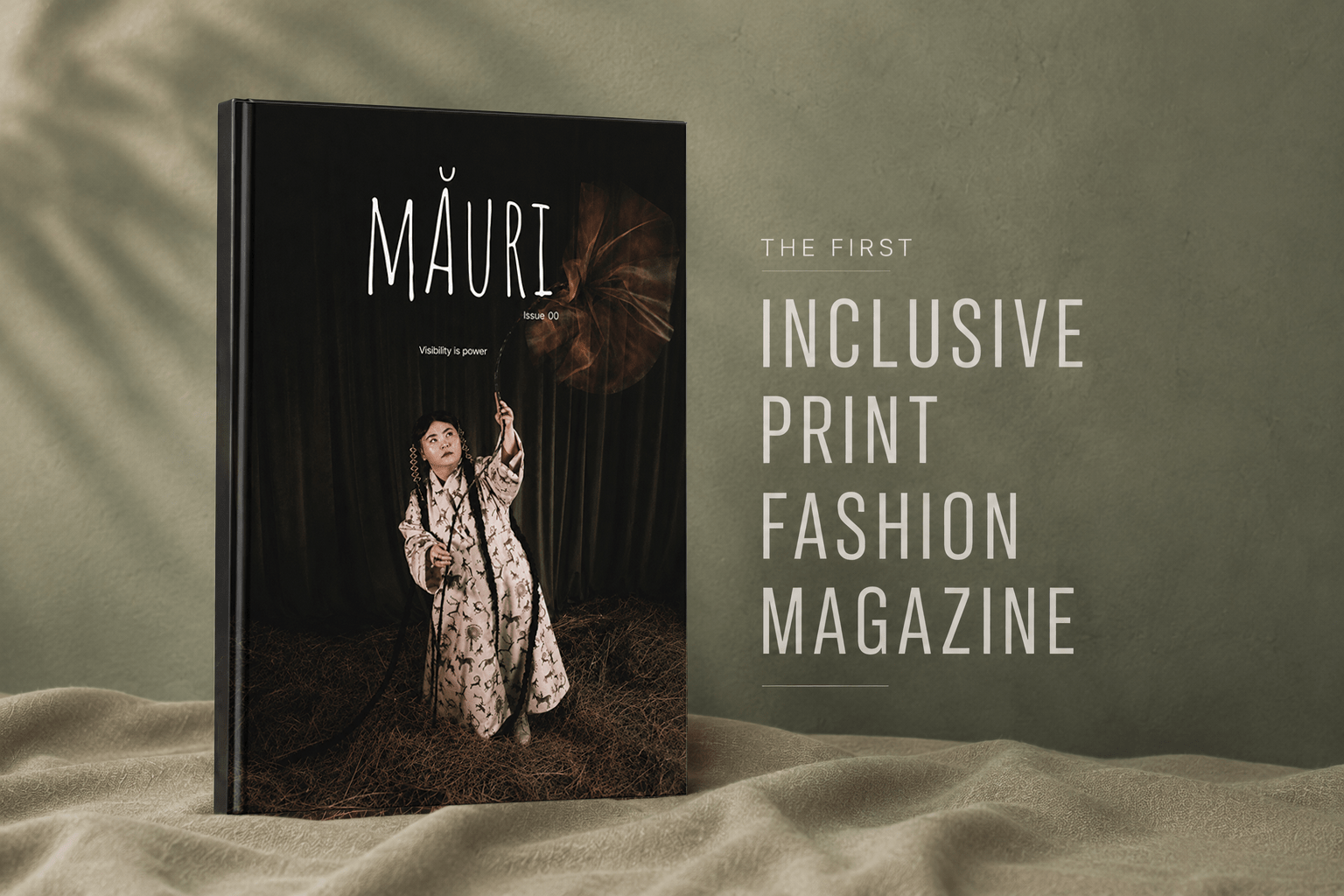
MAURI Issue 00 cover introducing an independent fashion magazine shaped by inclusive storytelling and disabled leadership. Courtesy of Mauri Magazine.
Why MAURI Is Rethinking What an Independent Fashion Magazine Can Be
The project was founded by Iulianna Shilova, an autistic fashion stylist and student at Istituto Marangoni Milano. What initially began as a fashion styling exam project quickly revealed a much larger purpose.
Shilova recognised a gap that many in the industry had overlooked. Fashion was becoming increasingly comfortable showcasing diversity as an image, but was far less willing to invest in diverse creative leadership behind the scenes. Rather than waiting for the industry to create opportunities, she decided to build one herself.
Today, MAURI is developed by an international team of disabled and neurodivergent people who collectively shape the publication from within the very communities it represents. Recently, another Istituto Marangoni student joined the team: Polina Petrova, a Business Management student who serves as Communications & Partnerships Lead. As a full-time wheelchair user, Petrova further strengthens the publication’s community-led approach. That distinction is fundamental. The magazine doesn’t speak about disability from an external perspective, nor does it approach neurodivergence as a trend or a marketing narrative. Every editorial decision is informed by lived experience, grounding the publication in the community it represents.
“Too often, disabled and neurodivergent people become the face of a campaign while the lasting value remains with the brand. At MAURI, we develop stories with them and build creative connections that extend beyond a single feature” – Iulianna Shilova, Founder and Editor-in-Chief of MAURI magazine, currently studying Fashion Styling & Creative Direction at Istituto Marangoni Milano
It is a philosophy that shifts the conversation away from mere visibility and toward creative ownership: a far more meaningful form of inclusion.
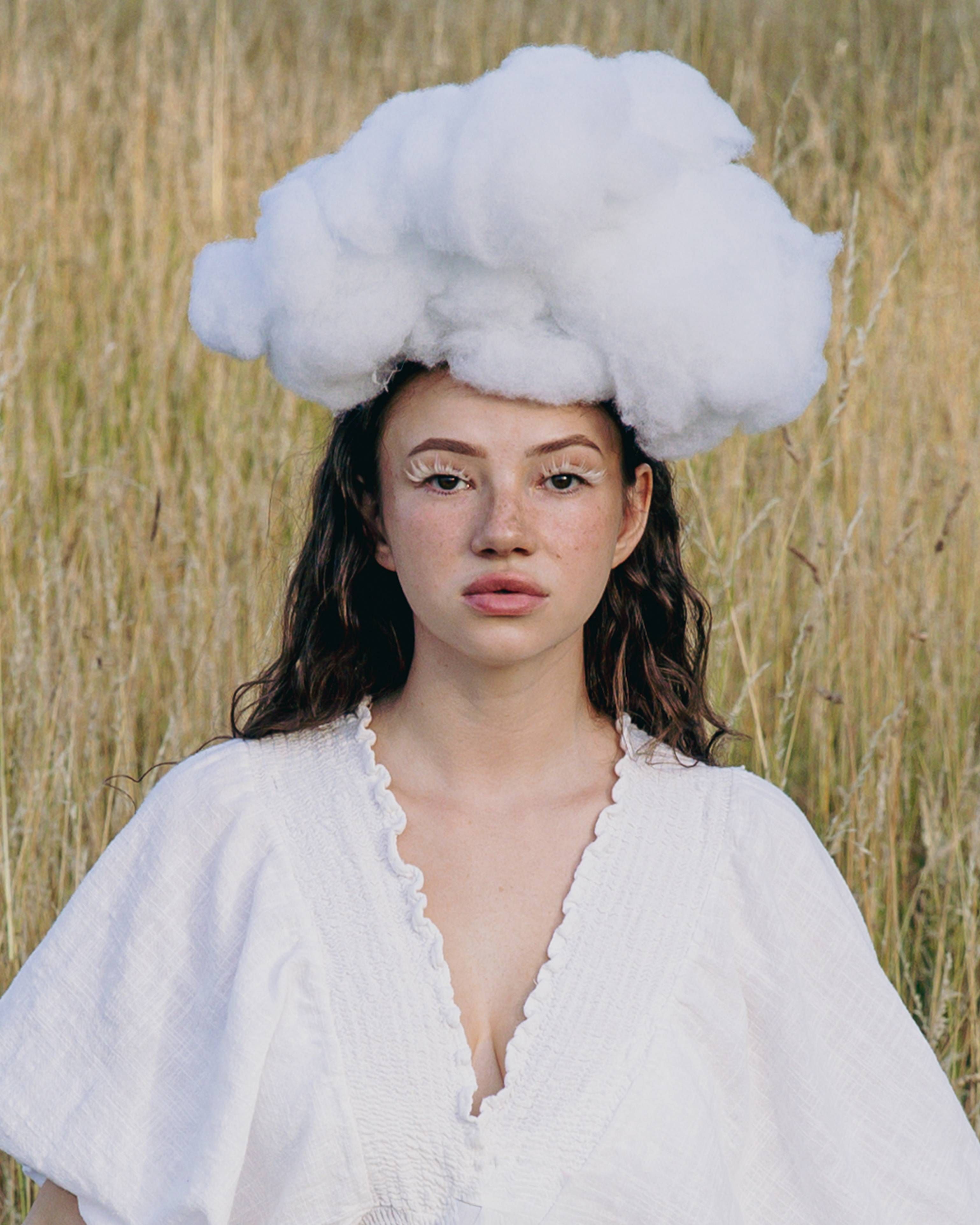
Portrait of MAURI founder Iulianna Shilova, reflecting the magazine’s vision of visibility, creative authorship and inclusive fashion storytelling. Courtesy of Mauri Magazine.
Why Disability Representation in Fashion Still Falls Short
Representation has become one of fashion’s favourite words, but without participation, it only goes so far.
According to the World Health Organisation, about 1.3 billion people worldwide—roughly one in six—live with a significant disability. Yet despite being one of the world’s largest communities, disabled people are still significantly underrepresented in leadership roles across creative industries, including fashion, media and publishing.
This imbalance isn’t simply a question of fairness. It directly influences which stories get told, how beauty is defined, and who sets the tone for cultural conversations. Fashion has always been about more than clothing; it reflects social values, identity, and aspiration. When entire communities are left out, the industry’s vision inevitably narrows.
MAURI takes a different approach to inclusion. Instead of temporarily inviting disabled creatives into existing spaces, it builds an entirely new platform where they can develop long-term collaborations, build networks, and have real creative authority. The difference may seem subtle, but its impact could be transformative.
Sustainable inclusion isn’t measured by how many faces appear in campaigns. It is measured by who gets the editorial credit, who signs creative contracts, and who ultimately influences where the industry is headed.
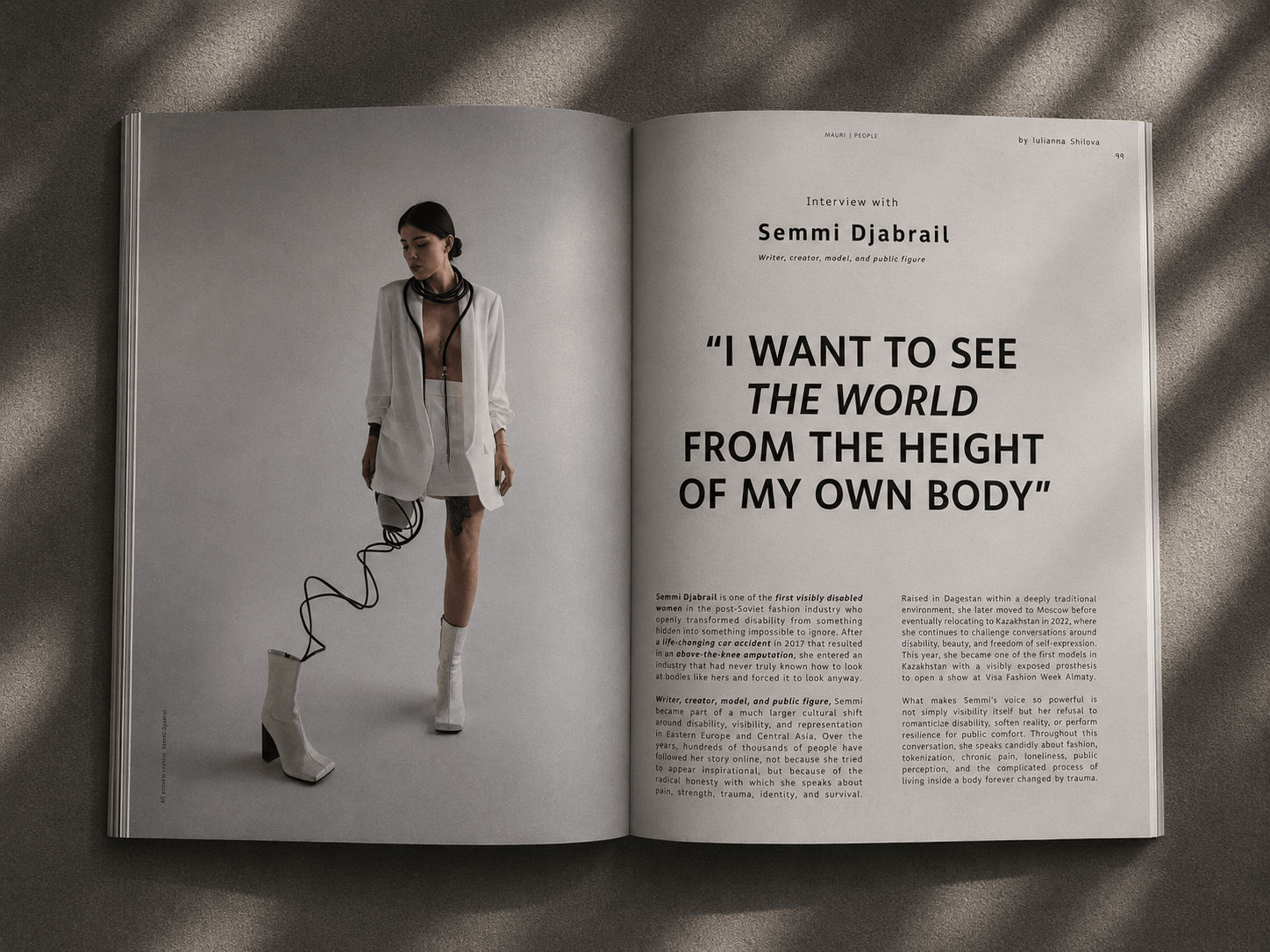
MAURI editorial spread exploring visibility, self-representation and bodily autonomy through intimate portraiture and reflective fashion storytelling. Courtesy of Mauri Magazine.
How Disabled Creatives Are Expanding Fashion’s Editorial Landscape
Issue 00 immediately demonstrates the magazine’s editorial ambition. Spanning more than 200 pages, the debut edition features 48 original articles alongside six exclusive fashion editorials, bringing together journalism, photography, visual storytelling, and personal reflection. Contributors explore disability, identity, creativity, and contemporary culture through perspectives that rarely make it into mainstream fashion media.
Rather than treating disability as a niche topic, MAURI weaves it into broader conversations about art, design, self-expression, and innovation. The publication encourages readers to rethink old assumptions about who creates fashion and whose experiences deserve editorial attention. It also highlights a new generation of creatives whose work has often gone unseen—not for lack of talent, but because traditional industry structures have historically limited access to opportunities.
This editorial approach feels particularly relevant at a time when independent publishing is gaining new cultural momentum. With more readers craving authentic voices over polished corporate messaging, magazines with a clear point of view are becoming some of fashion’s most compelling platforms. MAURI enters this landscape with a perspective that feels both urgent and long overdue.
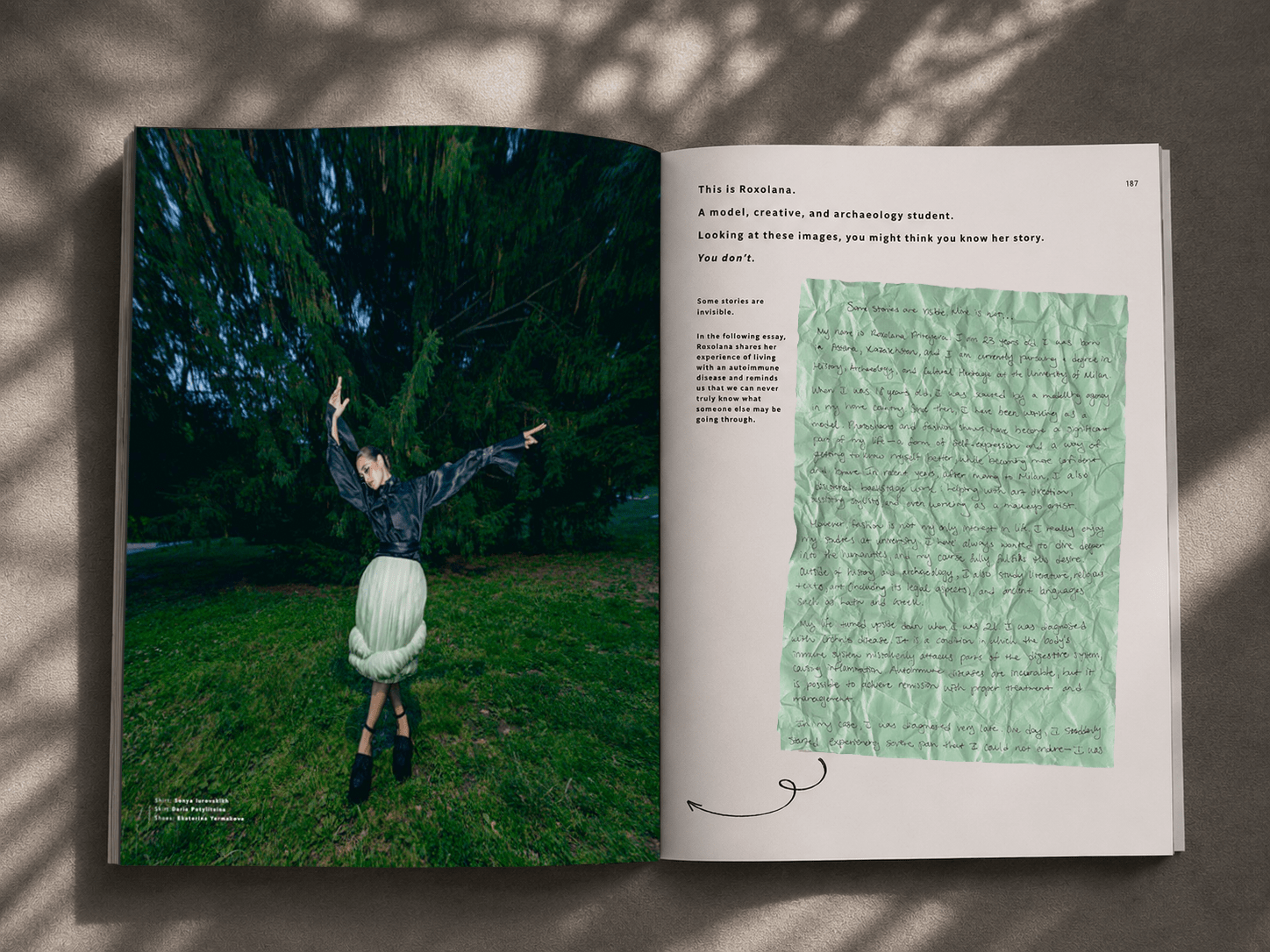
A magazine spread blending fashion imagery and personal testimony, expanding narratives around identity and lived experience. Courtesy of Mauri Magazine.
Beyond the Magazine: How MAURI Is Creating Opportunities for Disabled and Neurodivergent Creatives
Although publishing sits at the heart of the project, the magazine’s ambitions extend well beyond printed pages. The long-term vision includes collaborations with brands, educational initiatives, cultural events, and partnerships designed to create lasting opportunities for disabled and neurodivergent creatives. In other words, MAURI isn’t just about launching a successful issue: it’s about building a system that supports careers for the long run.
That broader mission reflects an important truth about diversity in creative industries: visibility alone rarely changes career outcomes. True progress happens when people gain access to education, mentorship, leadership positions, commissions, and lasting networks. Fashion has often celebrated symbolic milestones but missed structural change. MAURI seeks to flip that script by investing in opportunities that continue long after a magazine issue reaches readers.
The magazine also arrives at a time when consumers want more accountability from the brands and media they support. Audiences know the difference between performative inclusion and genuine collaboration. They want stories that feel honest, contributors whose voices are authentic, and creative projects that make a real impact beyond marketing campaigns. MAURI is speaking directly to that cultural shift.

.jpg)
.jpg)
.jpg)