
Is etiquette outdated? Why luxury hospitality still depends on human connection
Etiquette consultant Elisa Motterle on AI manners, face-to-face confidence and the human details that make luxury hospitality memorable
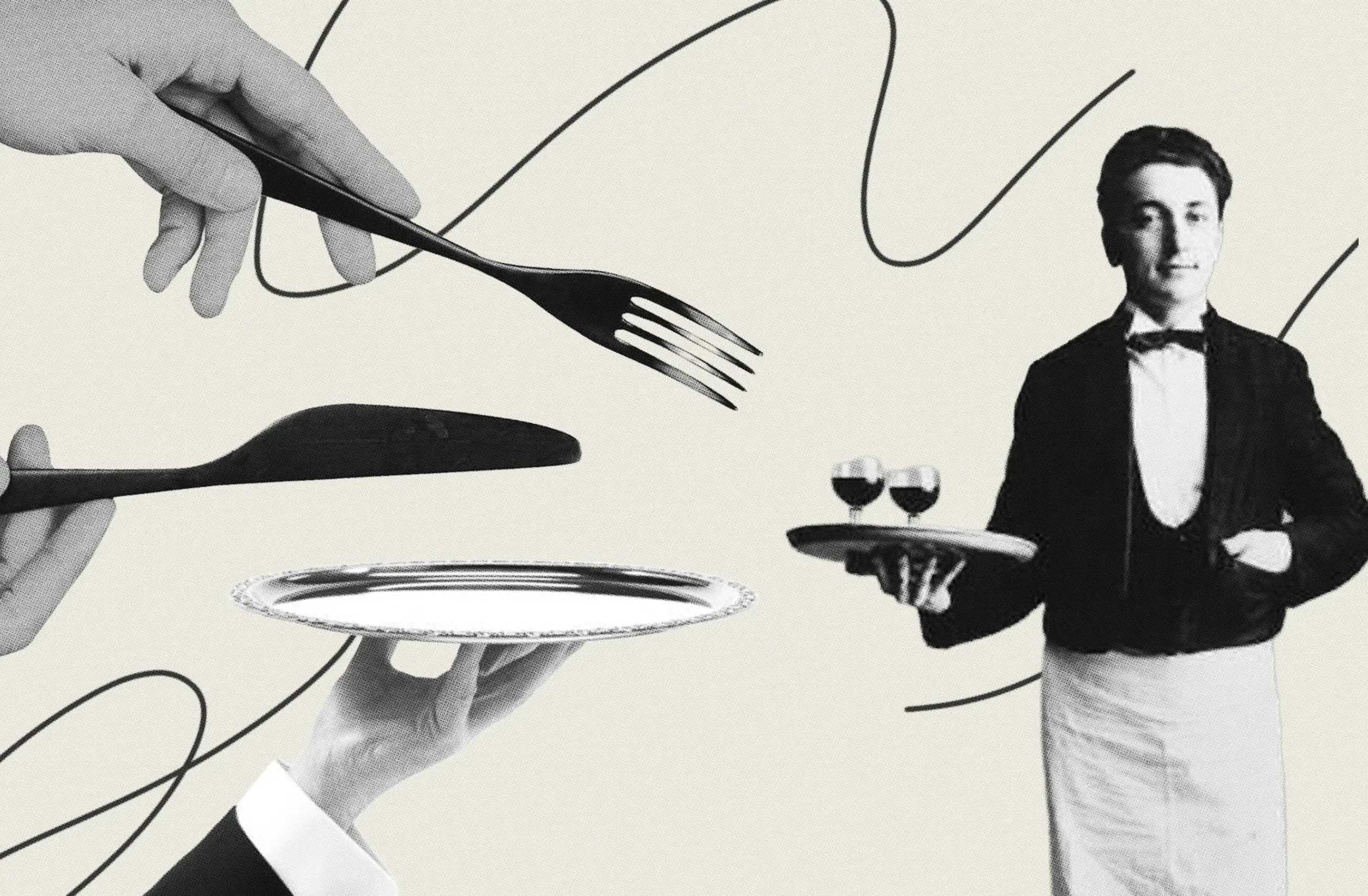
Should you be polite to AI? It’s a dilemma most of us have probably wrestled with at least once, and it prompts a deeper reflection: what are good manners for? While many people still mistakenly associate etiquette with the rules of formal dining and outdated social conventions, etiquette is now crucial in our professional lives, particularly in industries where human interaction is at the heart of the experience. Luxury hospitality is a telling example: while efficiency matters, guests expect it to go hand in hand with elegance, exceptional service, attention to detail, and the ability to make them feel truly welcome.
So, what are luxury brands doing to preserve the human touch while ensuring their service meets guests’ expectations? Increasingly, they turn to etiquette consultants to refine their service standards and help teams better understand the deeper meaning of courtesy and hospitality.
Few people have helped redefine modern etiquette as profoundly as Elisa Motterle, Italy’s first certified International and Business Etiquette Consultant and founder of the Italian Etiquette Society—the country’s first organisation dedicated to etiquette education, consultancy, and public engagement, bon ton, and soft skills. She is also the only Italian professional to hold an Etiquette Trainer certification from the International Protocol and Etiquette Academy in London, with additional credentials from The British Butler Institute and the Institut Villa Pierrefeu in Montreux.
Motterle’s work combines cross-cultural protocol, luxury client experience, and relationship-building. For years, she has guided companies, brands, and individuals to recognise how courtesy, communication, and human connection shape interactions.
Asked if we still need etiquette in our professional and everyday lives, Motterle makes the point boldly:
“Good manners will save the world” – Elisa Motterle, Business Etiquette Trainer
It’s a striking claim, but one worth keeping in mind as automation, digital communication, and ever-changing social dynamics continue to shape how we work and interact. Here’s what she had to say.
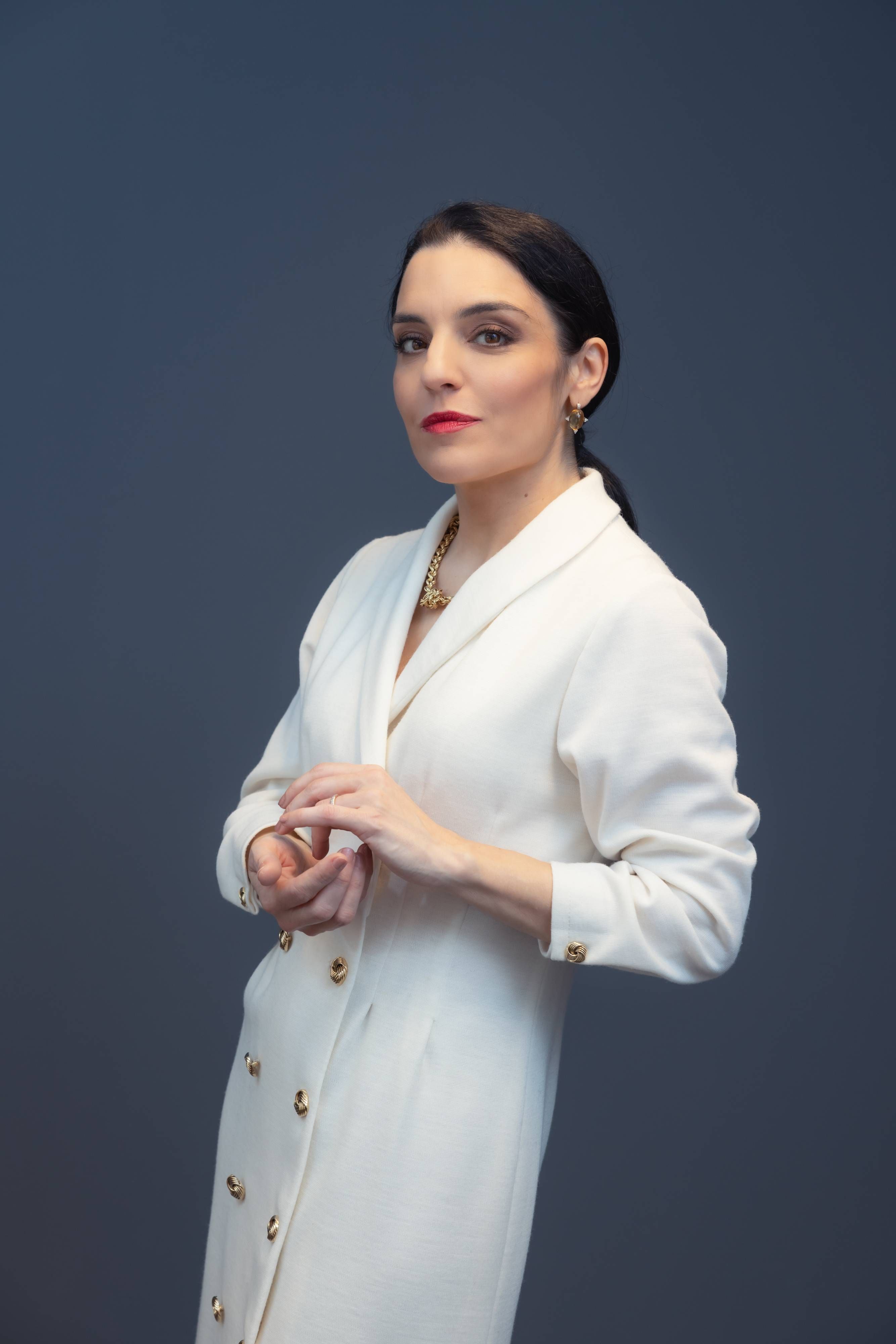
Elisa Motterle, Italy’s first certified International and Business Etiquette Consultant and founder of the Italian Etiquette Society. Portrait by Ph. Paola Saia.
Gen Z, Etiquette and Face-to-Face Communication
Many young people see etiquette as rigid and outdated. What do they actually misunderstand about it?
Elisa Motterle: I don’t think etiquette itself is the problem; the real challenge is human connection. Young people spend much of their time communicating through screens, and many have fewer opportunities to build confidence in face-to-face interactions. Loneliness is becoming increasingly common, despite how connected we all seem.
Does that make etiquette just a set of old-fashioned rules?
Elisa Motterle: Not at all. Etiquette has always evolved alongside society and how we communicate. When the telephone was introduced, for example, many principles of telephone etiquette were adapted from those already established for letter writing. The same happened with email, social media and online communication, which eventually led to what we now call “netiquette.”
Digital Etiquette in the Age of AI
How has etiquette adapted to voice notes, social media, and video calls?
Elisa Motterle: Every generation develops its own ways of communicating, but respect, awareness, and consideration for others remain fundamental. That’s why the principles haven’t changed as much as we might think. Digital platforms are simply the latest in a long line of communication tools, from the telephone and email to social media. What’s particularly interesting today is the conversation around AI.
Should we say “please” and “thank you” to AI?
Elisa Motterle: Many people ask what good etiquette looks like when interacting with artificial intelligence, and whether it’s necessary to be polite. My answer is yes, because the way we communicate shapes our habits and influences how we interact with the world around us.
Modern Etiquette and Social Responsibility
What is etiquette today?
Elisa Motterle: Ultimately, etiquette is a tool that helps us relate to other people, navigate social situations, and build stronger relationships.
“Etiquette is ultimately a science of human relationships” – Elisa Motterle
Which rule of etiquette would you bring back?
Elisa Motterle: Rather than a specific rule, I’d like to bring back a stronger sense of personal responsibility and decorum. Today, we’re losing sight of the fact that our actions, words, and even the way we present ourselves can affect those around us. We often see more extreme behaviour, especially online, with little awareness of its consequences.
Which assumptions should we leave behind?
Elisa Motterle: Society is far more diverse than it once was, so we cannot assume that everyone shares the same experiences, references, or perspectives. Good etiquette today starts with recognising and respecting those differences.
Human Interaction in Luxury Hospitality
What does luxury mean to you today?
Elisa Motterle: For me, luxury is becoming something surprisingly simple: human interaction. In a world where so many services are increasingly automated, genuine person-to-person contact is growing rarer and, as a result, more valuable. We book online, shop online, check in online, and communicate more with machines than with people. Many of the small interactions that once punctuated our routines are disappearing. We withdraw cash from ATMs instead of speaking with bank clerks, use self-service checkouts instead of chatting with cashiers, and complete tasks that once required human contact entirely on our own.
“As human interaction becomes less common, it also becomes more valuable. That’s why I believe luxury today lies in the opportunity to connect with another human being” – Elisa Motterle
What makes a luxury experience memorable?
Elisa Motterle: It’s exactly those moments of connection. In hospitality especially, guests may appreciate beautiful spaces, exclusive products, and impeccable service, but what truly leaves a lasting impression is how they were made to feel. Human attention, empathy, and the ability to create a genuine connection are among the most valuable elements of a luxury experience.
The Evolving Role of the Modern Butler
How close is the modern butler’s role to its film and TV image?
Elisa Motterle: The reality is much more modern than people assume. Discretion remains at the heart of the profession—a butler sees and hears a great deal, and confidentiality is non-negotiable. Beyond that, however, the role has evolved significantly. Today’s butlers often combine skills that range from property management and event coordination to personal assistance and household operations. Depending on the client, they may oversee wine collections, manage valuable assets, coordinate suppliers, or organise entire residences. It’s an incredibly versatile profession that requires flexibility and a deep understanding of service.
What skills do you need to become a butler?
Elisa Motterle: The profession requires a broad skill set and adaptability that goes far beyond the traditional stereotypes associated with the role.
How Do You Start a Career in Luxury Hospitality?
What is the most important first step towards a career in luxury hospitality?
Elisa Motterle: Start from the bottom and gain experience wherever you can. Hospitality is something you learn by doing. It means being willing to roll up your sleeves, work hard and understand what happens behind the scenes. These jobs are often physically demanding, with you constantly on your feet and keeping track of multiple things at once. Even a summer job can teach lessons that become invaluable later in your career.
What separates good service from exceptional service?
Elisa Motterle: People often think luxury is about exclusivity, but at its core it is an obsession with detail. The difference between good service and exceptional service lies in noticing things before anyone else does and anticipating needs before they are even expressed
“Luxury service begins when you are able to anticipate a guest’s needs before they realise they need them” – Elisa Motterle
Which skills should you develop first for a career in hospitality?
Elisa Motterle: Learning how to observe, listen and anticipate is one of the best investments anyone can make if they want to build a career in hospitality.