

In Conversation with Matthew Rhoades
In Conversation with Matthew Rhoades
 SHARE
In Conversation with Matthew Rhoades, Former Creative Director • Nike
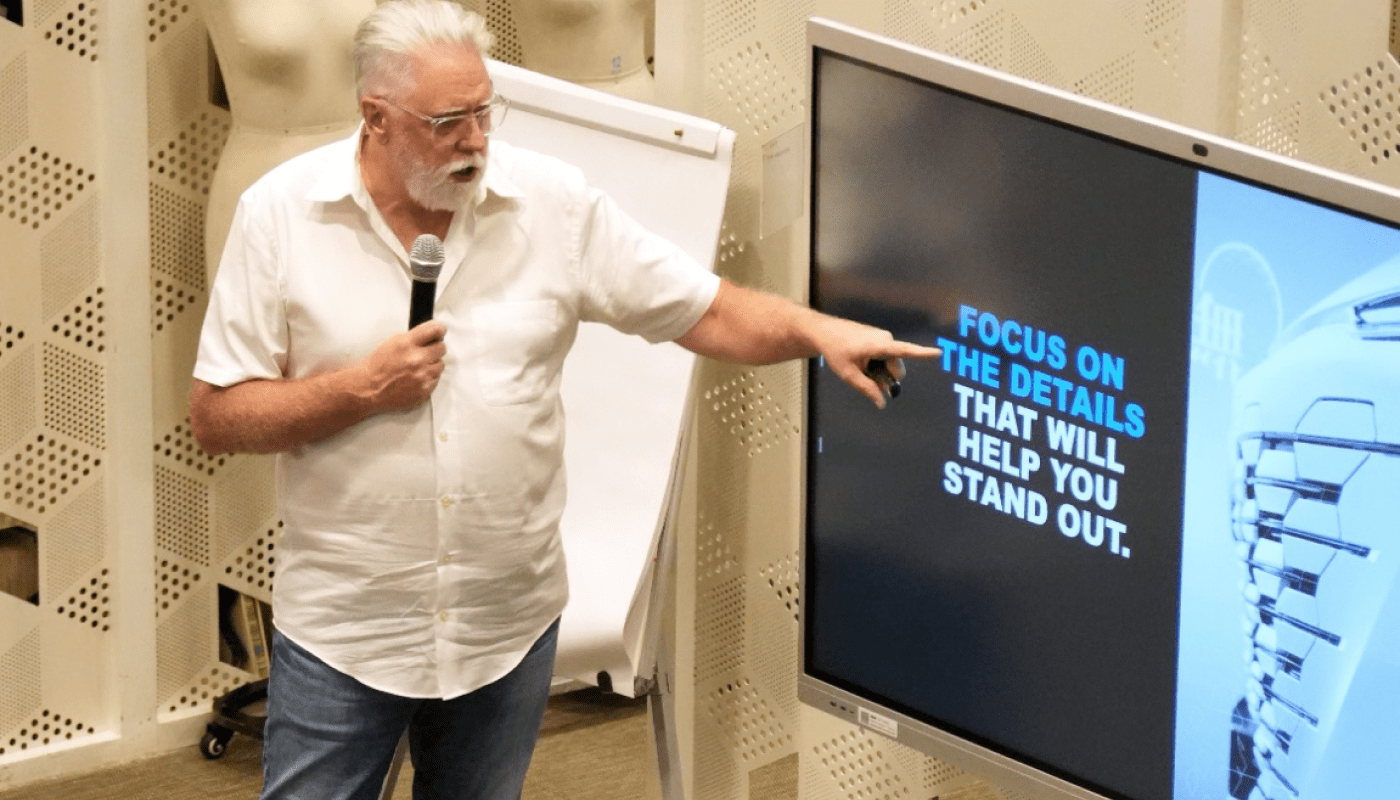
As part of Design Week, Istituto Marangoni Mumbai hosted an In Conversation between Matthew Rhoades, IM Mentor of Product Design programme and Kristian Steinberg, Director of Education at Istituto Marangoni Mumbai campus. An evening where the industrial designer and former Creative Director of Nike shared lessons from a 35-year career and what it takes to build a career in product design.
From being the first designer at Trek Bicycles and working on Tour de France bikes to 11 years at Nike, where he led product categories from eyewear and watches to bags and yoga equipment, Matthew has collected more than 30 patents along the way.
Drawing on those experiences, Matthew spoke to students about the choices that shape a career, from finding the right first job and building a portfolio that reflects who they are, to staying curious, working with AI and knowing when to build a brand of their own.
This guide brings those lessons together for anyone considering a product design career.
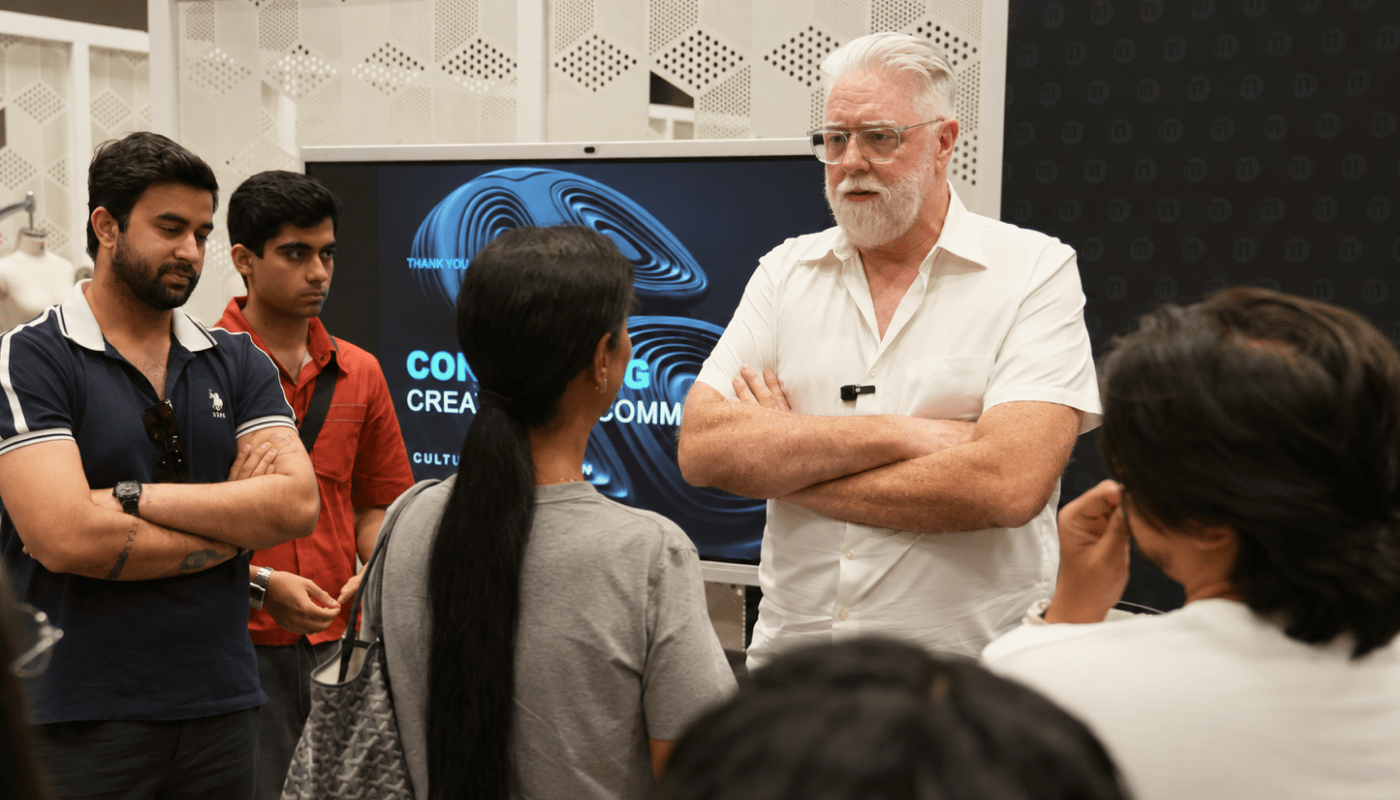
From Trek Bicycles to Nike: How Matthew Rhoades Built His Design Career
Learning to Design With Your Hands
Matthew grew up outside Seattle, the youngest of four brothers, in a family of designers: an architect father, a fashion-designer mother, a brother who designs cars. By ten he had built a go-kart that hit almost 90 km/h with a bigger motor, and his parents never told him to stop.
That curiosity took him to the highest level of cycling. His first bike ended up in the Museum of Modern Art, and a later design was banned from the Tour de France twice, which he takes as a compliment: too good for the old rules.
Finding the Work That Makes You Happy
When Matthew graduated in the early 1990s, the internet boom pulled most classmates towards technology. He followed, spent time in San Francisco on startups, and it became the least happy chapter of his career. He was drawn back to sport and to Nike, where his best work began, and later ran a design school programme in China for about ten years.
"If I am not happy, I am not going to create anything remotely close to what I have created in my career."
His advice: look for a brand that reflects their own values, even under pressure to accept any job.
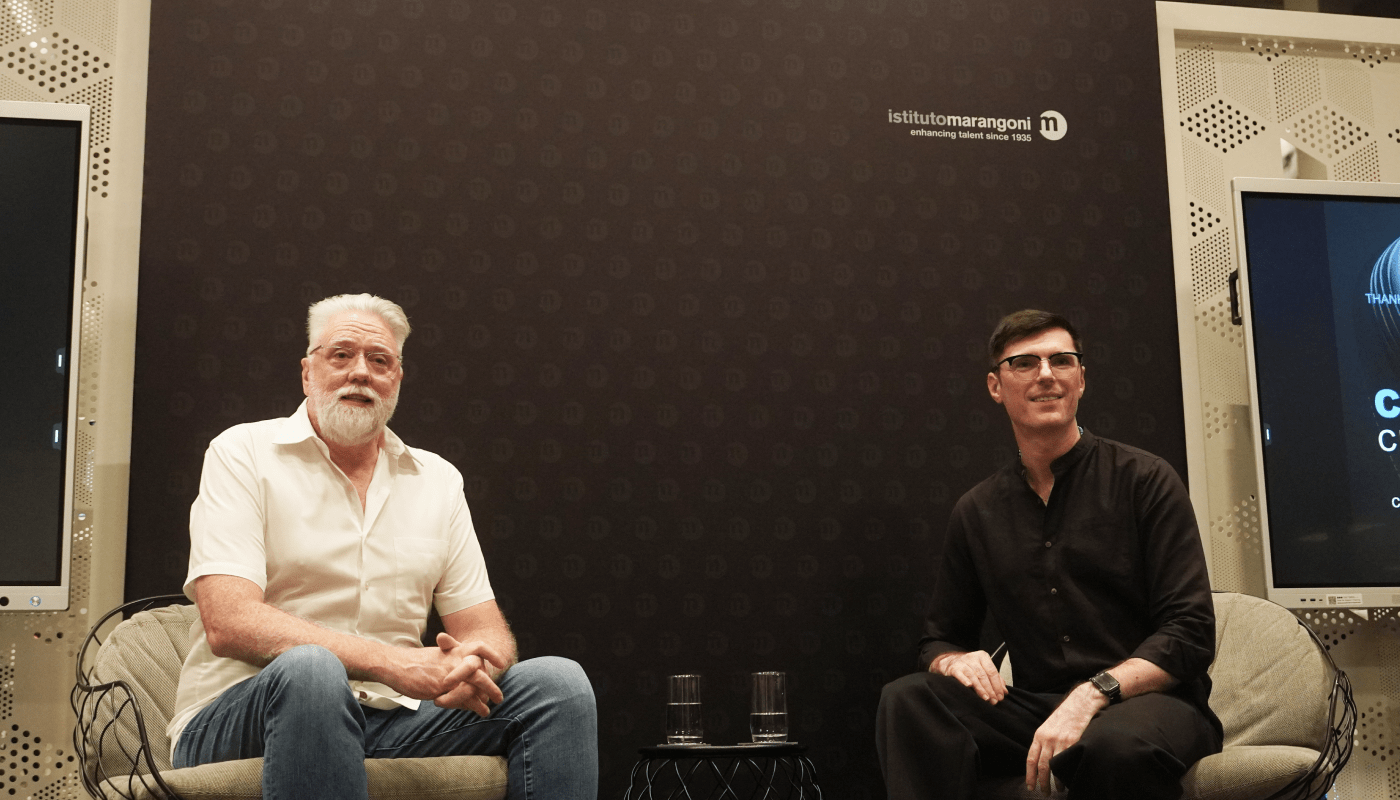
What You Should Know Before Starting a Product Design Career
It's About the Story, Not Just the Product
The power of design, Matthew says, starts with a story. In 2005, he sat in a Nike boardroom as executives announced the company would stop selling products and start selling experiences, story first, product second. Retail interiors, displays, and even the mannequins were redesigned to match.
The results, by his account: Nike sells roughly 50 pairs of shoes every second, with margins of 70 per cent or more against 8 to 13 per cent for a typical consumer product, because people are not paying for a shoe, they are paying for what it means. For a young designer, the lesson is practical: a great jacket on a table will not persuade anyone on its own, but the story behind it might.
"It is not just about what you do. It has more to do with why you do it."
Why Originality Matters More Than Trends
Matthew is not fond of the word trend, since it suggests something temporary; he'd rather students aim for work that is iconic and made to last, which is also better for sustainability and for business.
His clearest example is the Nike Air Max: by his estimate, the original air-bag technology generated 40 to 50 billion dollars, while lookalikes earned a fraction of that. To get there, take a risk on a new silhouette, proportion or material, and bring your own world into the work, the way Matthew's love of music finds its way into stitching.
"You cannot be original without trying to be original."
How to Land Your First Job in Product Design
The first job sets the direction for a career in product design, so Matthew's advice starts there.
Start at a Consultancy to Build Range
Matthew recommends a consultancy, which exposes young designers to many brands and briefs so a portfolio grows faster, whereas joining a single brand can lead to a narrow label: a designer who only does trims for a large retailer will become exactly that. He speaks from experience: around 25 years ago, Apple wanted him as a CAD modeller rather than a designer. He declined.
Stay 3 to 5 Years in Your First Role
Matthew suggests staying three to five years in a role, long enough to master the process before it risks becoming formulaic.
Gap Year, Internship or Job: Which Is Right for You?
Matthew himself took five years between high school and university, working in Alaska, travelling Europe and spending nine months as a florist, before enrolling knowing exactly what he wanted. His caution: tools change fast, so a long absence can leave a designer behind. To keep learning while earning, try work close to the field, whether retail, a café, a part-time design role, or a job abroad.
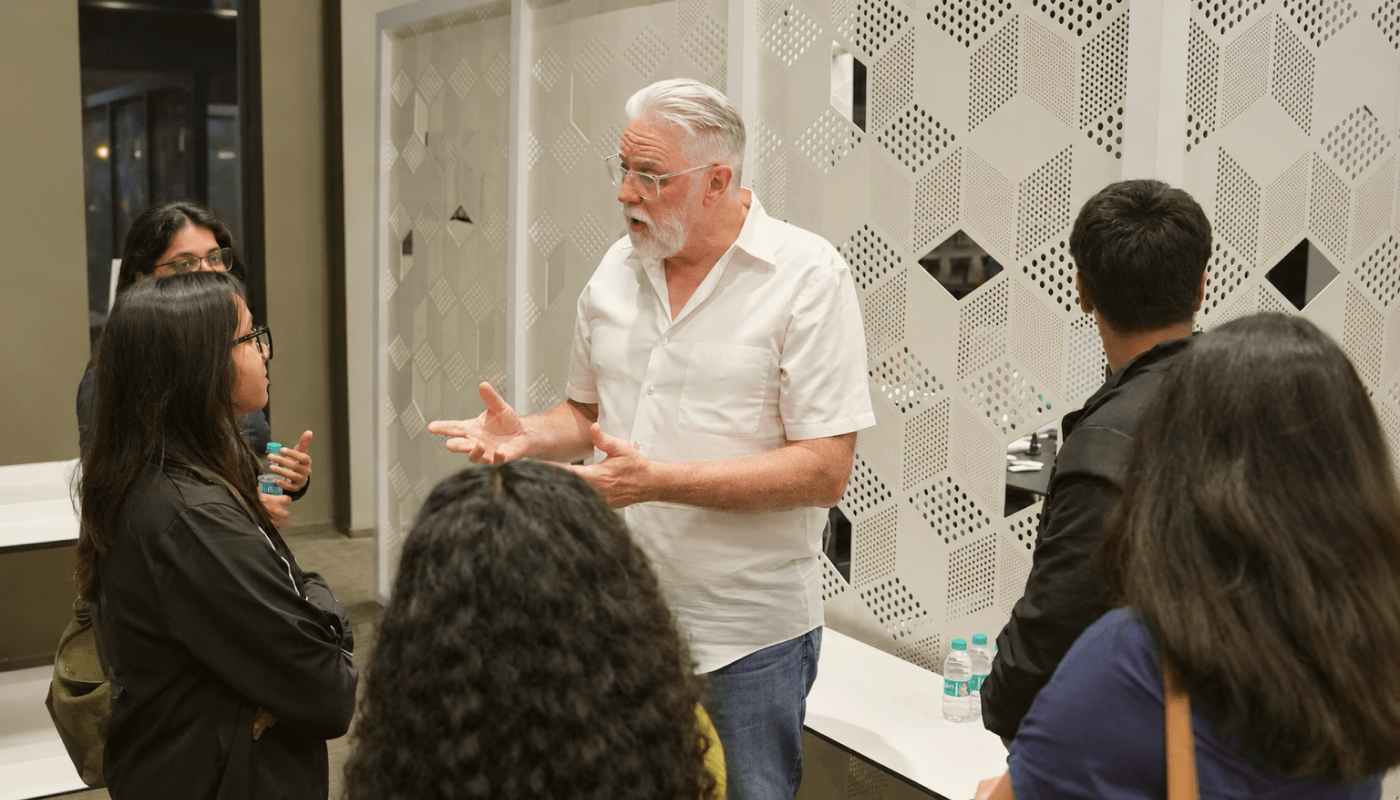
How to Stand Out in a Product Design Career
Build a Portfolio That Shows Who You Are
At Nike, Matthew reviewed around 7,000 résumés a month and hired perhaps two people. Skills are common; voice is what separates a candidate.
"You get a job by being original, by being yourself, and by playing to your strengths."
In practice, let the portfolio say what you're good at, whether that's CAD or an inspiration drawn from music or upbringing. A portfolio by someone who doesn't know who they are blends into the crowd.
Tell the Story Behind Every Project
Matthew encourages two projects when a brief deserves it: the one asked for, and one that shows the potential.
"The object should be a manifestation of the story."
Grow Your Network and Protect Your Reputation
Matthew's rule is simple: be nice to everyone, even when it is difficult. Classmates and colleagues resurface years later; the day before his talk, he received a message from someone he had last spoken to 20 years earlier. A network built on goodwill is worth more than any keyword in a résumé.
Kindness is not passivity; it means choosing which battles are worth fighting, and having a calm conversation when something matters. It's also a hiring criterion: at Nike he chose candidates for attitude over skills, since skills can be taught.
"I can train them. I cannot train them to be happy."

Will AI Change a Career in Product Design?
Use AI as a Tool, Not a Replacement
Few questions worry students more than AI. Matthew's view: technology must remain human. AI without direction from a person produces poor results, but AI shaped by a user, with clear intent, becomes an extension of that person's own creativity.
"Play with it, dabble with it, learn how to manipulate it, and do not let it manipulate you."
He encourages designers to form their own opinion of it.
Stay Curious and Flexible
Matthew trained in an analogue world, then watched Photoshop, Illustrator and 3D CAD become essential almost overnight. Asked what harms good design most, his answer was stagnation: try new things before dismissing them, and understand why when something doesn't work.
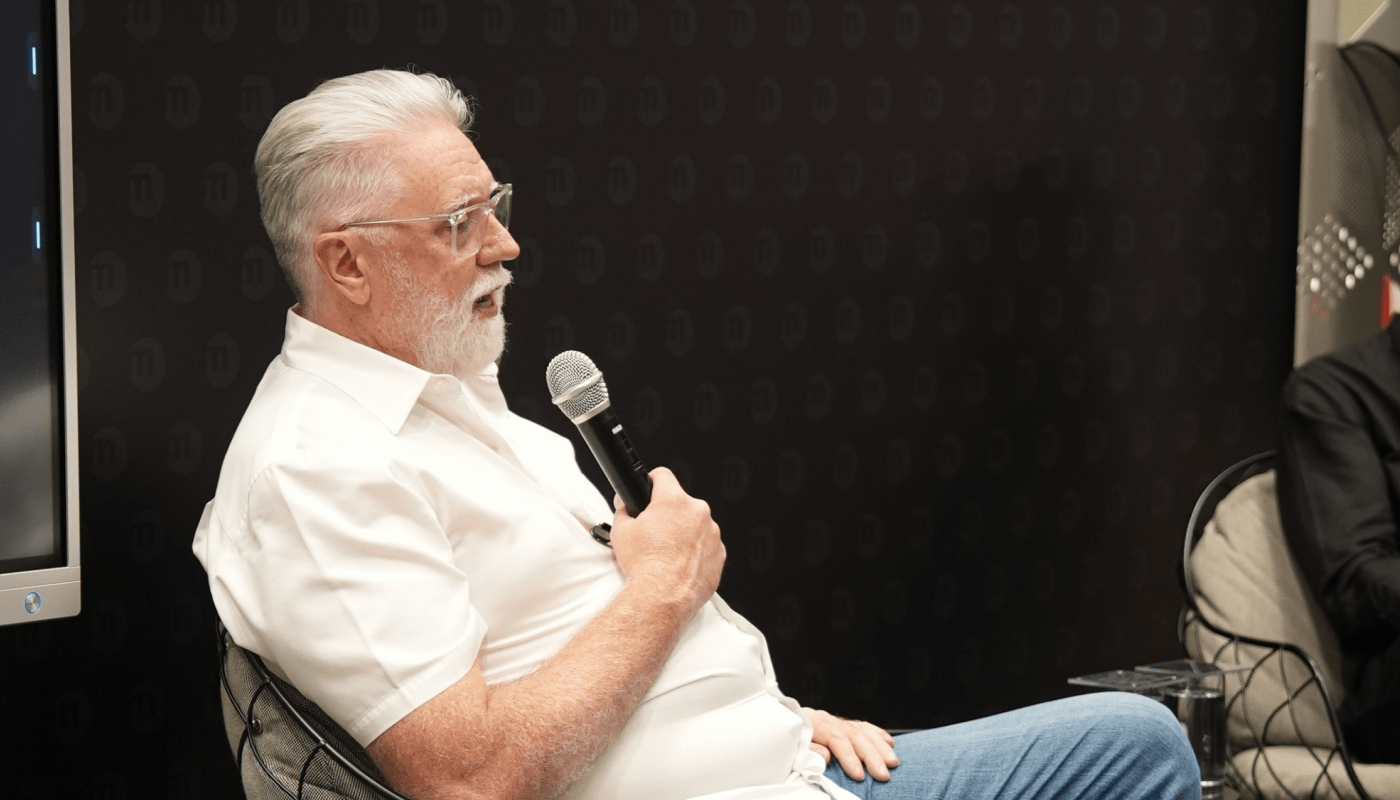
Dreaming of Your Own Brand? Advice for Future Founders
Find a Business Partner Early
When Matthew asked how many students wanted their own label, half the room raised a hand. His advice: do not do it alone. Behind many great companies stands a creative and a business partner: Steve Jobs had Steve Wozniak, Nike had Phil Knight and Bill Bowerman. Look for a business mind of your own.
Test Your Idea Before You Produce It
A designer might create the perfect raincoat, but the worst decision is to rush it into production; share it first with a few trusted people who can say honestly whether they love it too. The discussion recalled Chuck Jordan of General Motors, who liked to say he saw with his eyes, not his ears: an idea remains words until it has been made and worn.
What Students and Parents Asked
Is a Design Career Stable Enough?
During 'In Conversation with Matthew Rhoades', a career counsellor asked how families who value stability can support a child drawn to design. Matthew leans towards trusting young adults who have already committed, noting his own daughter is a hairstylist, a profession where building a business takes about ten years. His suggestion: an honest conversation about what stability really means.
"There is stability, but you have to earn it."
A student can ask for three to five years to reach a professional level in a field they love, and parents can then step back.
Why Doesn't India Have Its Own Nike?
Another question asked why India, with its wealth of craft and storytelling, has not produced its own global sportswear brand. Matthew was candid he was still learning after a week in the country, but pointed to the entrepreneurial ecosystem in the US, with angel investors and pitch events almost every weekend. His suggestion for designers facing headwinds at home: start elsewhere, then bring the brand back.
Key Takeaways for Starting a Career in Product Design
- Choose a brand that reflects your values.
- Remember the power of design: put the story first, and let the product be its proof.
- Start at a consultancy, and give your first role three to five years.
- Build a portfolio around your own strengths and a clear voice.
- Treat reputation and community as part of your craft.
- Use AI as a tool you steer, and stay curious.
- If you plan to launch a brand, find a business partner and test your idea first.
Istituto Marangoni Mumbai believes in connecting with industry leaders like Matthew Rhoades to give students a first-hand view of how a product design career is built. Different sessions hosted as part of Design Week, let students hear directly from experienced professionals about the choices that shape a career, from finding a first job and building a portfolio to working with AI and launching a brand.
Want to begin a career in Product Design at Istituto Marangoni Mumbai?
For those looking to build a career in design, learning from experienced industry professionals can provide valuable insight into both the creative and practical aspects of the field. At Istituto Marangoni Mumbai, students can explore these opportunities through programmes such as the Undergraduate Programme in Product Design with guidance from industry mentors. The programme offers an opportunity to develop design skills while gaining a deeper understanding of the industry and its evolving practices.


 GET IN TOUCH VIA WHATSAPP