
How does Haute Couture make money today?
Hermès, Fendi and Versace are investing in haute couture again. Here’s why couture has become luxury’s most powerful strategic asset
Haute couture dresses may be among fashion’s least scalable products, yet they have never been more valuable. That is precisely why the world’s leading luxury houses are investing in them more than ever. The latest Haute Couture Fashion Week in Paris made one thing clear: couture is not only the ultimate expression of creativity, but also a powerful strategic asset.
As the global population of ultra-high-net-worth individuals continues to grow, heritage maisons are strengthening their commitment to the industry’s most exclusive segment, while new players are entering the arena for the first time.
Beyond the runway spectacle, haute couture has become a branding powerhouse: elevating desirability, showcasing exceptional craftsmanship and reinforcing a house’s position at the pinnacle of luxury, all while serving a clientele with both the means and the appetite for exceptional made-to-measure creations.
Why Fendi Took Haute Couture Back to Rome
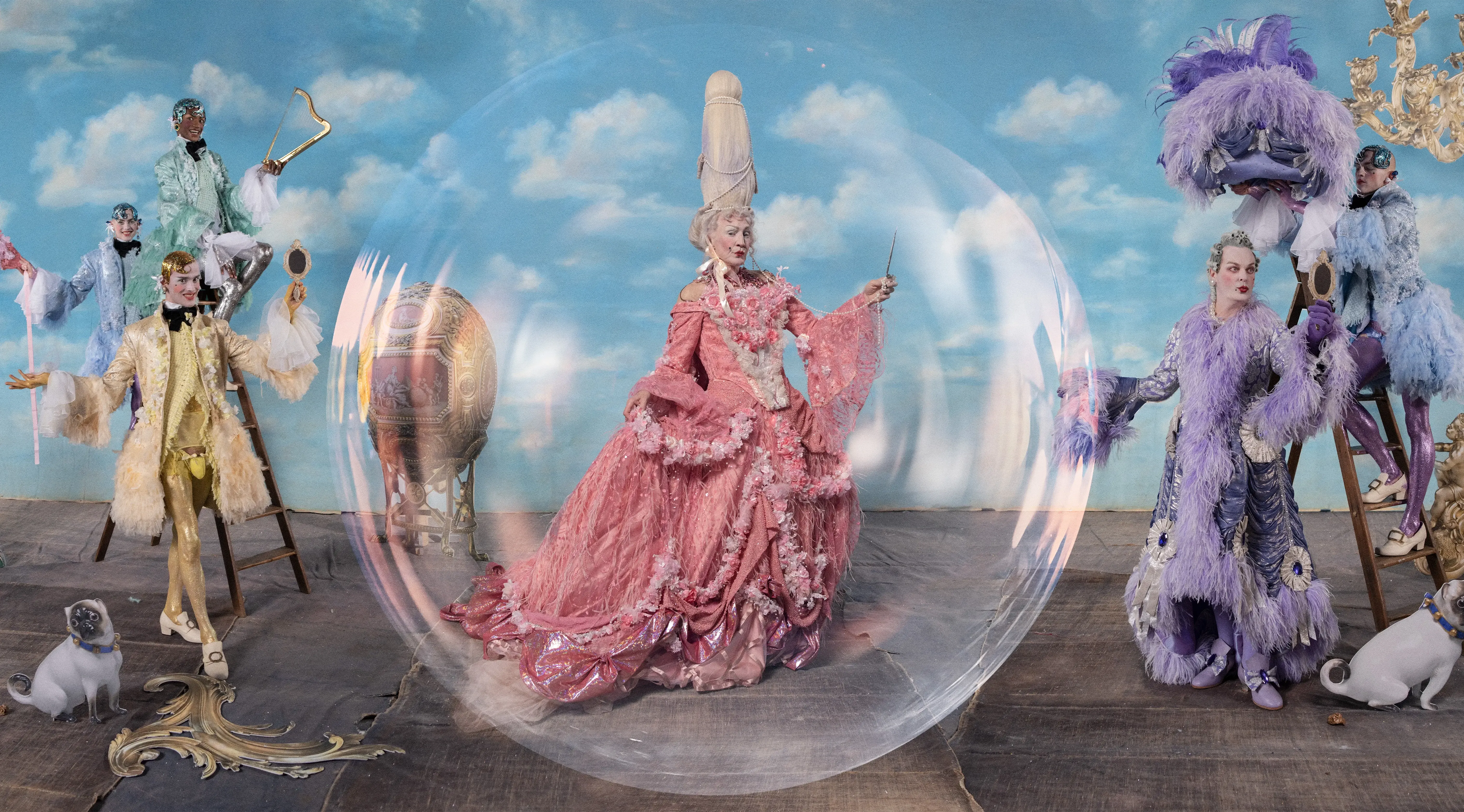
Fendi is a prime example of haute couture’s revival. Rather than presenting its couture collection in Paris, Maria Grazia Chiuri chose Rome, honouring the maison’s heritage at the Galleria Nazionale d’Arte Moderna e Contemporanea.
The Fendi haute couture FW26 show coincided with the exhibition After Un percorso di lavoro. Fendi / Karl Lagerfeld 1985, curated by Maria Luisa Frisa. The exhibition revisits the landmark display first hosted by the museum in 1985 to celebrate the first twenty years of collaboration between Fendi and Karl Lagerfeld. Open until 25 October, it offers visitors an immersive journey through the couture process, from early sketches and prototypes to finished garments, showcasing archival creations displayed almost like theatrical performances.
Visualizza questo post su Instagram
How Atelier Versace Signals Couture’s Return
Versace is among the latest brands to reaffirm couture’s strategic role. Lorenzo Bertelli, executive chairman of the maison, has confirmed that special projects such as Atelier Versace will return to the spotlight.
The historic couture line last staged a runway show during Paris Couture Week in 2016 before shifting to private lookbooks, with its most recent collection dating back to Spring-Summer 2023.
Until now, Atelier Versace has primarily focused on custom creations for celebrities and elite private clients. Now, under renewed creative direction, Bertelli describes the couture division as a pillar of Versace’s future, signalling a broader ambition to restore its influence at the highest tier of luxury fashion.
Visualizza questo post su Instagram
Why Hermès Is Entering Haute Couture for the First Time
Hermès is also preparing for one of the most anticipated debuts in recent memory. After months of subtle hints, the French house has confirmed that its first-ever haute couture collection, designed by Nadège Vanhée, will be unveiled during Paris Couture Week in January 2027.
The move follows comments made earlier this year by CEO Axel Dumas, who revealed that Hermès is building a dedicated couture atelier inside its Pantin headquarters, just outside Paris.
Around twenty highly specialised artisans are expected to work exclusively on the project, reinforcing the company’s long-standing commitment to exceptional craftsmanship. Industry reports also note the arrival of French designer Léa Peckre, formerly womenswear design director at Celine, as part of the new creative team.
Visualizza questo post su Instagram
Haute Couture Has Become Luxury’s Most Powerful Branding Tool
The renewed momentum behind haute couture reflects a profound shift in luxury consumption. Although couture collections have generated relatively limited direct revenue compared with ready-to-wear or leather goods in recent years, they have continued to serve a clientele whose wealth has steadily increased, translating into greater investment in exceptional made-to-measure creations.
At the same time, couture has become one of the industry’s most effective branding tools. As consumers increasingly expect luxury houses to justify the value of their products, haute couture provides the ultimate demonstration of craftsmanship, technical expertise, and savoir-faire. Every couture show fuels social media conversations, enhances brand prestige, and reinforces the perception of rarity and excellence, ultimately supporting sales across all product categories, from handbags to fragrances.
How Haute Couture Keeps Centuries of Craftsmanship Alive
Beyond its commercial and branding value, haute couture serves another essential purpose: preserving techniques that might otherwise disappear, and providing a platform for artisans whose expertise takes years, sometimes decades, to master.
Haute couture also gives designers complete creative freedom, allowing them to experiment without the commercial constraints of mass production. Many innovations introduced on couture runways eventually inspire ready-to-wear collections, creating a halo effect throughout the entire business.
Visualizza questo post su Instagram
Can Haute Couture Still Be Profitable?
However, couture also comes with significant challenges. Producing handmade garments requires extraordinary investments of time, talent, and highly skilled artisans, making profitability a delicate equation. With an extremely limited customer base, maintaining exclusivity while attracting a new generation of wealthy clients requires a careful balance.
In addition, growing attention toward sustainability raises questions about the environmental impact of international fashion shows and resource-intensive production processes, even if couture’s made-to-order model naturally avoids overproduction.
What Haute Couture Offers That Nothing Else Can
Despite these hurdles, the outlook for haute couture remains remarkably strong. Today, it offers something few sectors can replicate: true scarcity, unmatched craftsmanship, and lasting emotional value.
As brands like Versace, Hermès, and Fendi reaffirm their commitment to the pinnacle of fashion, couture is proving to be one of luxury’s most powerful strategic assets: a celebration of creativity that demonstrates how, in a world saturated with products, the rarest experiences are often the most valuable.


.jpg)