
How to become a digital editor: Lessons from Vogue Arabia's Leen Al Saadi
From Istituto Marangoni to Vogue Arabia, Leen Al Saadi shares the training, skills and editorial judgement behind her career in digital media
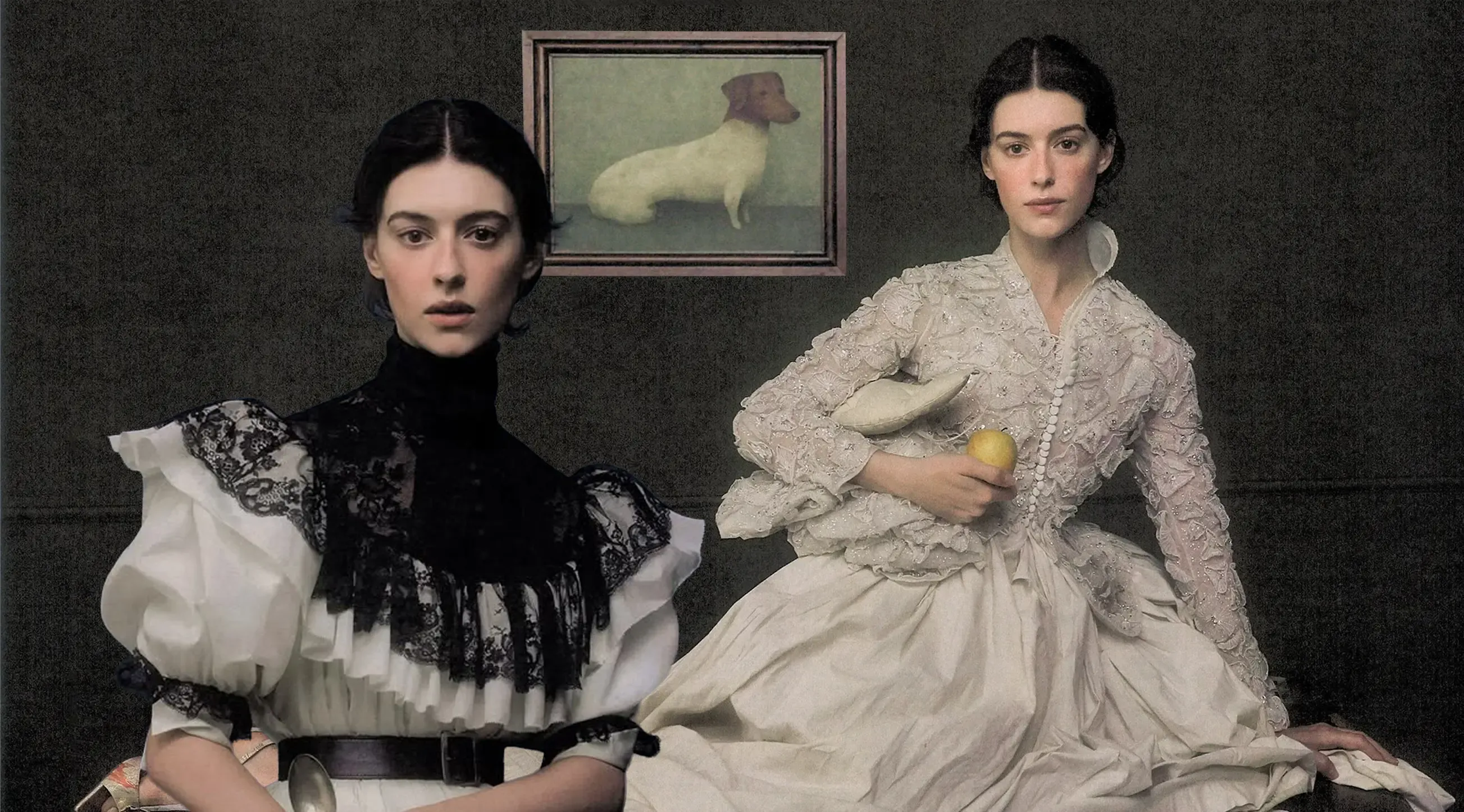
Vogue Arabia June/July 2026 digital cover, cover story by Leen Al Saadi, Digital Editor at Vogue Arabia. Photo credit: Adrienne Raquel.
What does it really take to become a digital editor? It starts with recognising what matters, deciding how a story should be told, understanding where it belongs, and imagining what will make an audience stop, read, and share. For Gen Z—a generation raised on screens, social platforms, and constantly shifting online habits—digital editing is the meeting point of storytelling and strategy.
The role demands a keen eye for what deserves attention, together with an instinct for what people crave to see. It also requires the ability to respond to the speed of online publishing without losing purpose, accuracy, or a distinctive editorial voice.
We spoke to Leen Al Saadi, a Palestinian-Jordanian journalist and editor raised in Saudi Arabia. After earning a degree in Fashion Business from Istituto Marangoni London and a Master’s in Fashion Journalism and Media Practice from Vogue College of Fashion and Design in London, she launched her career in digital media, later moving into brand communications before transitioning into digital editorial. Her writing has appeared across leading regional and international publications. In 2024, she became the Digital Editor at Vogue Arabia.
At Vogue Arabia, Leen covers fashion, culture, and current affairs across the Middle East, a diverse region spanning more than 22 countries, for a bilingual title with a culturally diverse readership. The interview explores the intersection of fashion, media, and digital storytelling, as well as the education, skills, and mindset needed to build a successful career and create work that resonates across platforms.

Leen Al Saadi, Palestinian-Jordanian journalist and editor raised in Saudi Arabia. Portrait by Constanza Coscia, Senior Art Director of Maze35.
From Fashion Business to Vogue Arabia: A Digital Editor’s Career Path
How did you become a Digital Editor at Vogue Arabia? What were the key steps along the way?
Leen Al Saadi: My path has been driven by a genuine love for storytelling and digital media. Studying Fashion Business at Istituto Marangoni was the first major step towards that dream, and later completing a Master's in Fashion Journalism at Vogue College further cemented my passion for editorial. At 21, I achieved a lifelong goal when my first article was published in Vogue, and just a year later I became an editor at another magazine – an opportunity that accelerated my growth in the industry. Since then, I've had the privilege of writing cover stories across multiple publications before ultimately joining Vogue Arabia. It had been my dream since I was a little girl collecting copies of Vogue to one day see my byline in its pages – let alone become one of its editors. Every interview, cover launch and exclusive feature has reinforced the importance of meaningful storytelling in today's fast-moving media landscape.
View this post on Instagram
What Does a Digital Editor Do? Balancing Speed and Storytelling
In a fast-paced digital landscape, how do you balance strong editorial storytelling with the demands of real-time content and audience engagement?
Leen Al Saadi: Speed is important, but quality should never be sacrificed. My approach is to stay responsive to the news cycle while ensuring every story has a clear purpose, accuracy and a distinctive editorial voice. Audience data helps us understand what resonates, but it doesn't replace editorial instinct. The goal is always to create content that people want to read, share, and return to, rather than simply chasing trends.
“Audience data helps us understand what resonates, but it doesn’t replace editorial instinct” – Leen Al Saadi, Digital Editor at Vogue Arabia and an Istituto Marangoni London alumna
How Vogue Arabia Creates Stories for a Diverse Regional Audience
How do you create stories for Vogue Arabia’s diverse regional audience?
Leen Al Saadi: It's one of the most rewarding aspects of my role. Vogue Arabia is unique because we're the only edition of Vogue that serves an entire region spanning more than 22 countries. We're also bilingual, with our print edition published in both English and Arabic, while reaching readers across the globe. Now that Vogue Arabia operates under Condé Nast's owned portfolio in the region, we're also in an even stronger position to showcase the Middle East's extraordinary talent, creativity and cultural influence on a global stage. That means every story has to resonate with a culturally diverse audience while remaining authentic to the region. I always look for opportunities to spotlight Middle Eastern creatives alongside international voices, ensuring our coverage reflects the diversity, ambition and creativity that define the region today.
“Vogue Arabia is unique because it serves an entire region spanning more than 22 countries. We’re also bilingual and always look for opportunities to spotlight Middle Eastern creatives alongside international voices” – Leen Al Saadi
View this post on Instagram
How Does Fashion Business Help You Become a Digital Editor?
How did studying Fashion Business prepare you for a career in digital media?
Leen Al Saadi: Studying Fashion Business gave me a broader understanding of the industry beyond the runway. It helped me appreciate how branding, marketing, consumer behaviour and media all work together to shape fashion today. That perspective has been invaluable as an editor, allowing me to approach stories with both creative and commercial awareness while understanding what makes a brand or designer relevant in today's landscape.
How Fashion Stories Find an Audience Online
What makes a fashion story resonate across digital platforms?
Leen Al Saadi: The strongest fashion stories go beyond trends or products – they connect with people on a human level. Whether it's an inspiring designer, a cultural moment or an exclusive behind-the-scenes perspective, audiences are drawn to stories that feel authentic, timely and emotionally engaging. Digital audiences also value originality, so offering a fresh angle is more important than ever.
“The strongest fashion stories go beyond trends or products: they connect with people on a human level” – Leen Al Saadi
View this post on Instagram
Which Skills Do You Need to Become a Digital Editor?
What advice would you give to students aspiring to build a career at the intersection of fashion, media, and digital innovation?
Leen Al Saadi: Stay curious and never stop learning. Curiosity is, in fact, the most important characteristic of any journalist. Fashion and digital media evolve constantly, so adaptability is equally one of the most valuable skills you can develop. Read widely, build practical experience through internships or personal projects, and don't be afraid to experiment with new formats and platforms. Most importantly, develop your own point of view. One of the greatest compliments you can receive as a journalist is when someone instantly recognises your writing and connects with your unique perspective. Technology and platforms will continue to evolve, but an authentic voice and strong storytelling will always set you apart.
“One of the greatest compliments you can receive as a journalist is when someone instantly recognises your writing and connects with your unique perspective” – Leen Al Saadi
Silvia Tarini
Editor, Milano