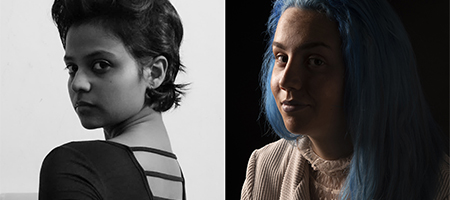

How does fashion make a Fairy? Inside Tim Walker’s Fairyland
At London’s National Portrait Gallery, Tim Walker’s Fairyland asks whether clothes, make-up and performance can help us shape who we are
“Fairy” has always held a double meaning: the fantastical creature of folklore and, historically, a derogatory term directed at queer men. This collision of fantasy and slur is precisely why Walker has chosen to reclaim the word “fairy” in his exhibition. Tim Walker’s Fairyland: Love and Legends opened at the National Portrait Gallery on 9 October 2026.
Walker’s project is the result of five years of work and comprises 250 portraits of both unsung heroes and established giants in queer history. He envisioned Fairyland as a journey that begins with protest and outrage and ends in joy, with fashion, make-up, and performance emerging along the way as powerful tools of transformation.
If “fairy” has been historically linked to how a person appeared, and Tim Walker uses fashion, make-up and performance to imagine Fairyland, what role has fashion played in transforming identity from something you feel to something you can become?
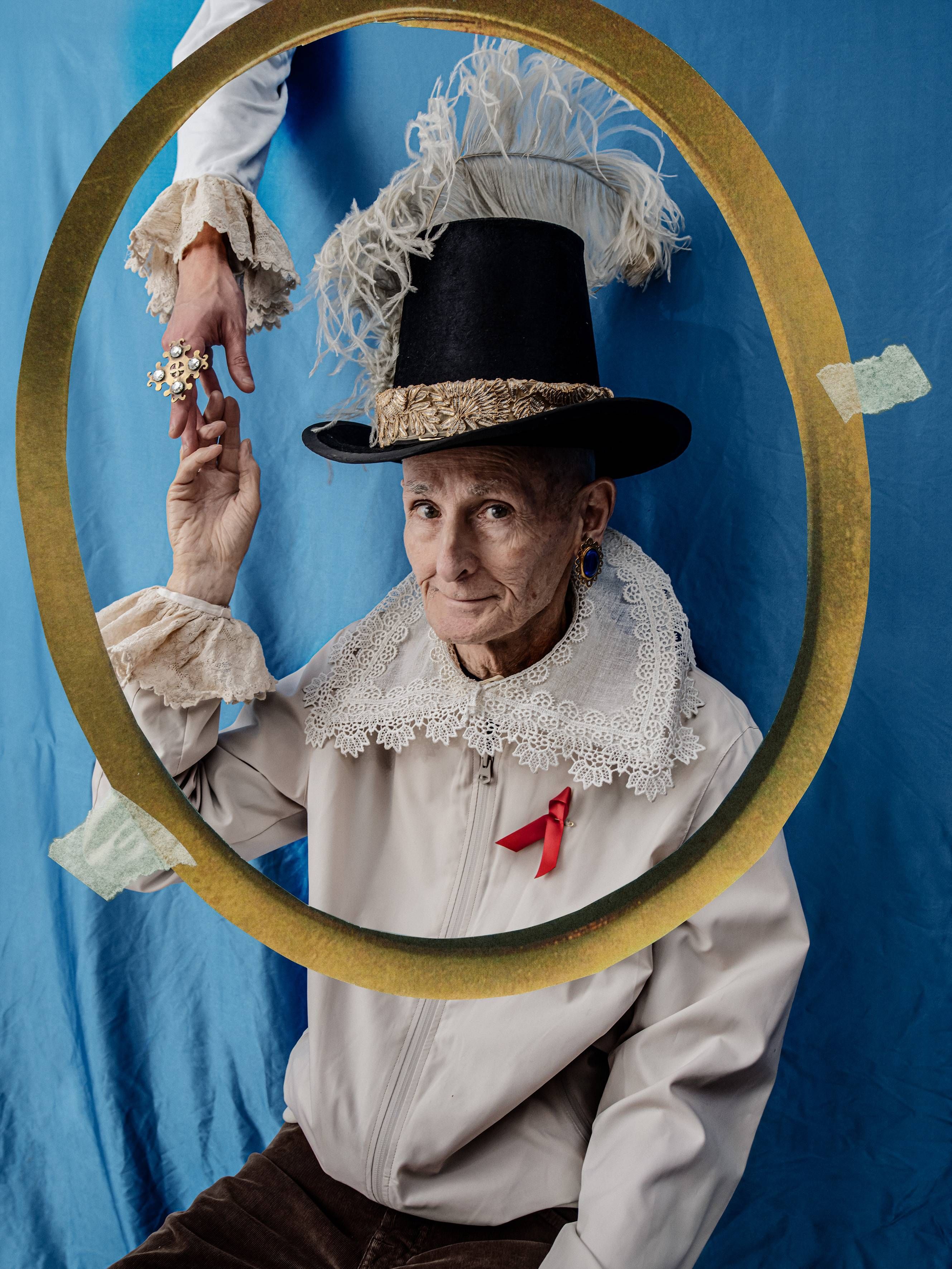
Andrew Lumsden (1941–2023) (after Nicholas Hilliard), London, 2023, by Tim Walker © Tim Walker
What Is Self-Fashioning? How Clothes Help Construct Identity
Clothing has long been a way to express something beyond covering the body—sometimes intentionally, and other times because society assigns meaning to different styles of dress. For centuries, appearance has served as a means to interpret identity, though it has not always reflected a person’s true self. The Museum at FIT’s A Queer History of Fashion: From the Closet to the Catwalk traced the relationship between identity and dress, exploring how clothing has been used to negotiate, challenge, and reshape conventions.
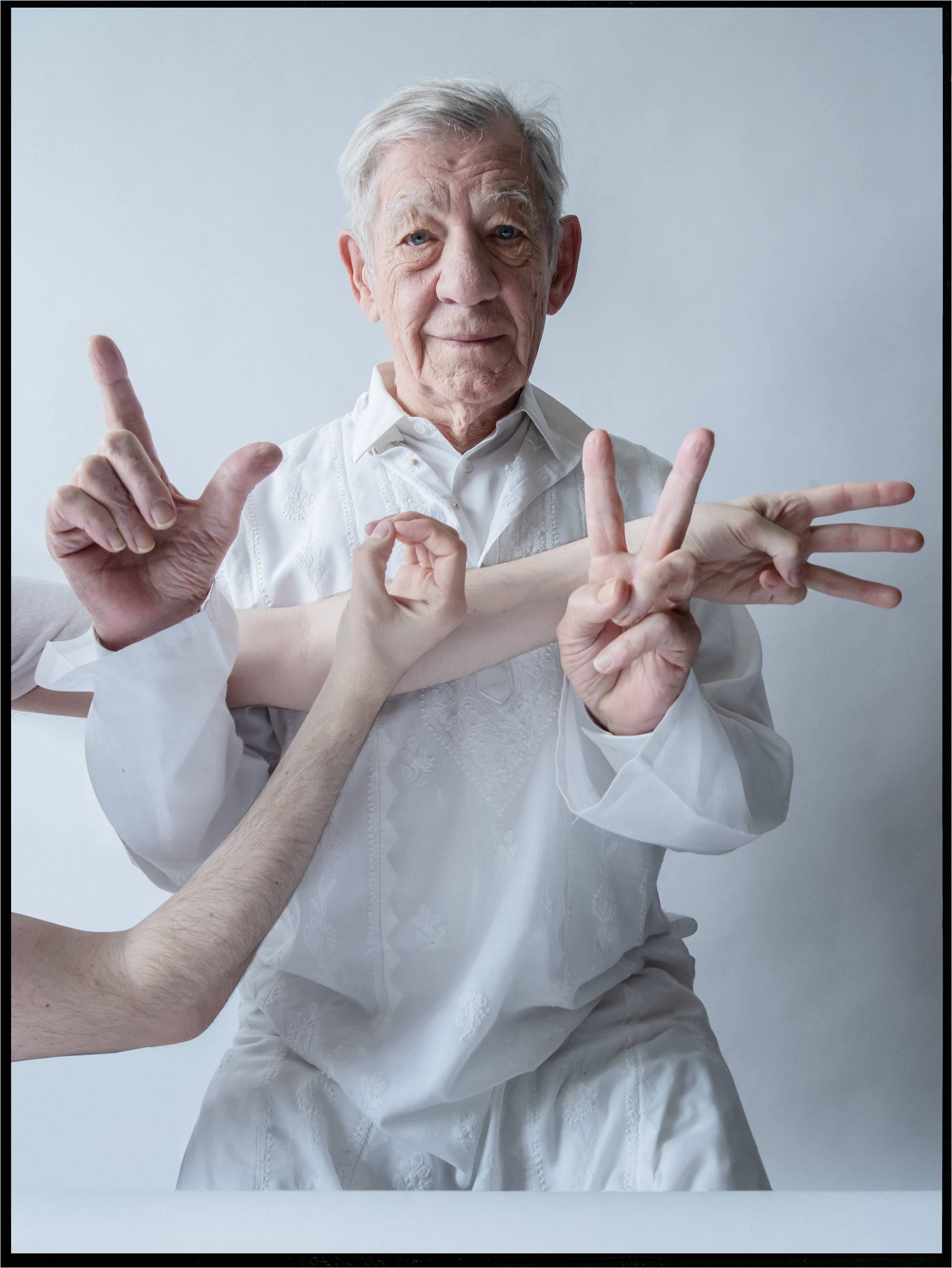
Ian McKellen, Love, London, 2023, by Tim Walker © Tim Walker However, fashion does not only signal identity; it can also let us experiment with it. That is why the concept of self-fashioning exists: dressing up can become a way to play with codes, challenge those assigned to us, and intentionally shape how our bodies are perceived.
So, fashion isn’t just about showing the world who we already are; it can also be a tool for self-invention. Through what we wear, we can explore who we might want to become.
When clothing, make-up, silhouette, gesture and performance come together, the body can become a site of transformation. It’s not just about hiding the self underneath the costume: the costume can allow a self to emerge that otherwise might never have taken shape. And if fashion can both make identity visible and help create it, then fantasy allows us to imagine what that identity could become.
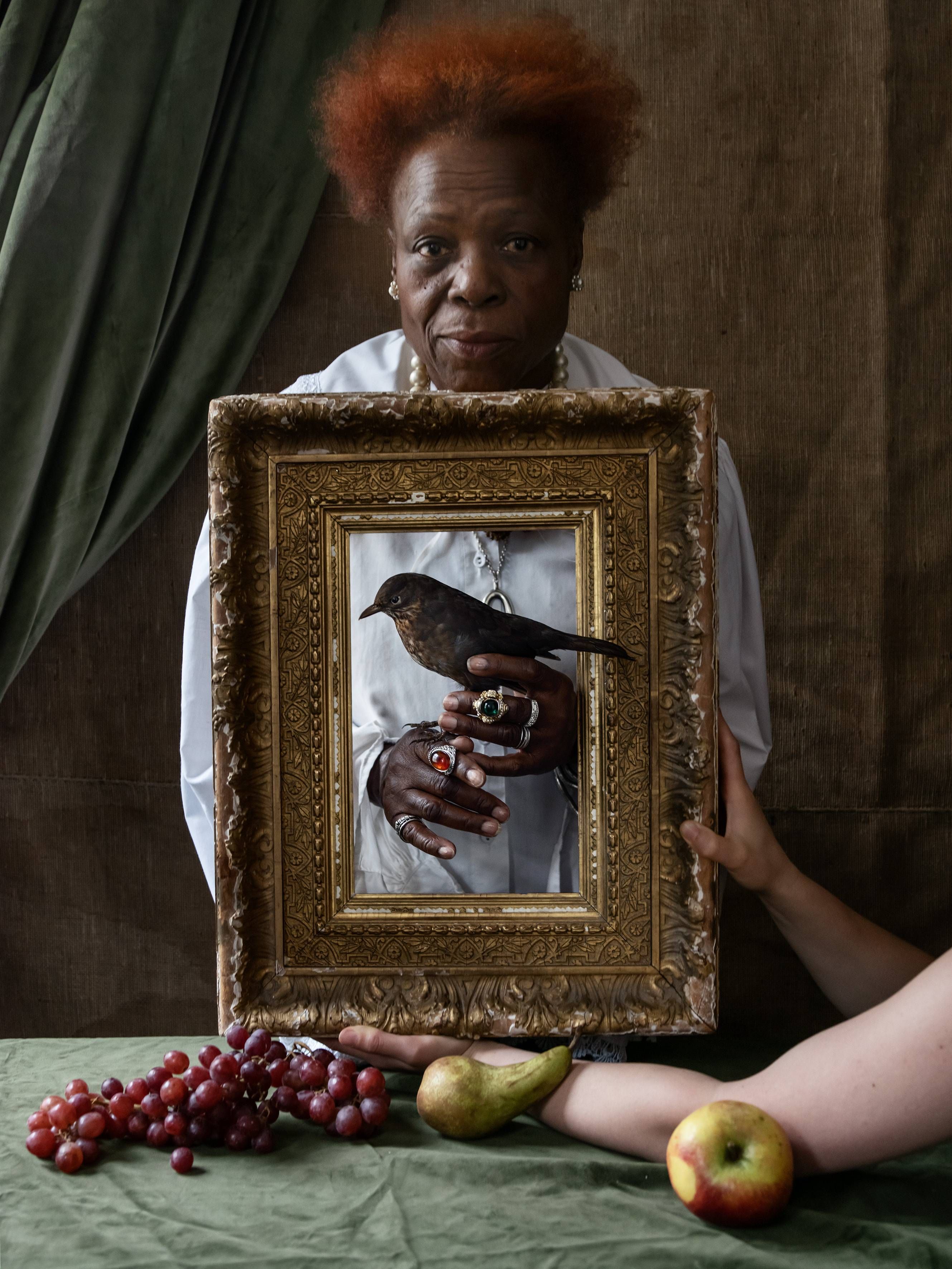
Olivette Cole–Wilson and Blackbird, London, 2025, by Tim Walker © Tim Walker
Why Does Tim Walker’s Fashion Photography Feel Like Fantasy?
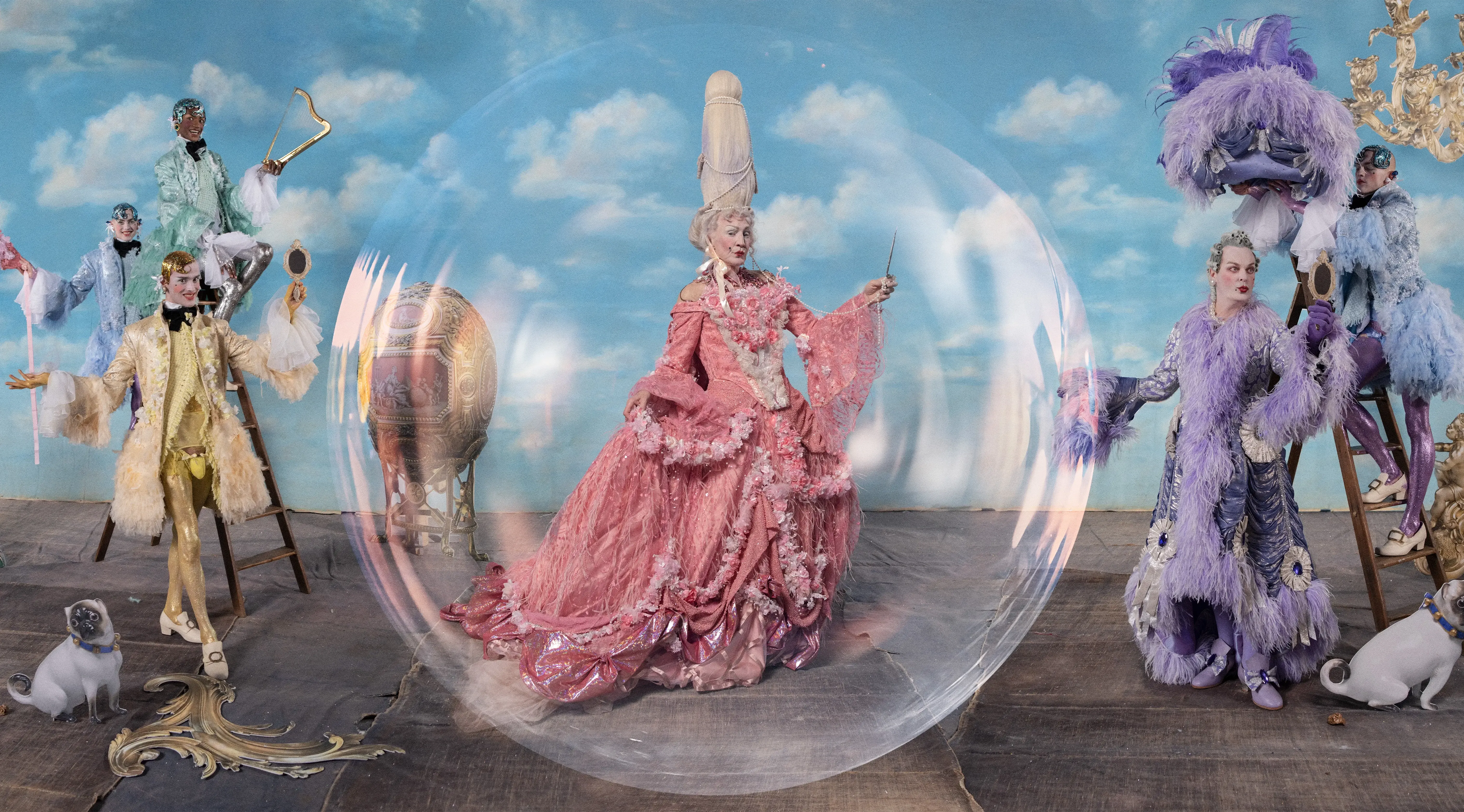
Fantasy didn’t begin with Fairyland. It has always been at the centre of Tim Walker’s work. After working in the Cecil Beaton archive at the Condé Nast Library, Walker moved to New York to assist Richard Avedon, before shooting his first fashion story for Vogue at 25. Since then, fashion photography has allowed him to create worlds rather than simply document clothes. His images turn models into characters, with garments becoming part of a greater fantasy where exaggerated proportions, elaborate sets, props, and performance constantly blur the line between what is real and what could be.
In Tim Walker’s photographs, fashion rarely exists on its own—it helps create the people who inhabit his imagined worlds.
This makes Fairyland a natural continuation of Walker’s work and a departure from it. The exhibition comes after five years spent connecting with queer people and allies in Britain and beyond, and the National Portrait Gallery describes it as a “decisive shift” in his artistic focus. This time, the fantasy is personal.
“The Fairyland exhibition is me finally placing myself in the queer realm with confidence,” Tim Walker explains. Throughout his career, he has used fashion to imagine other worlds; in Fairyland, that same language becomes a way to imagine a world in which identity can take whatever shape it wants.
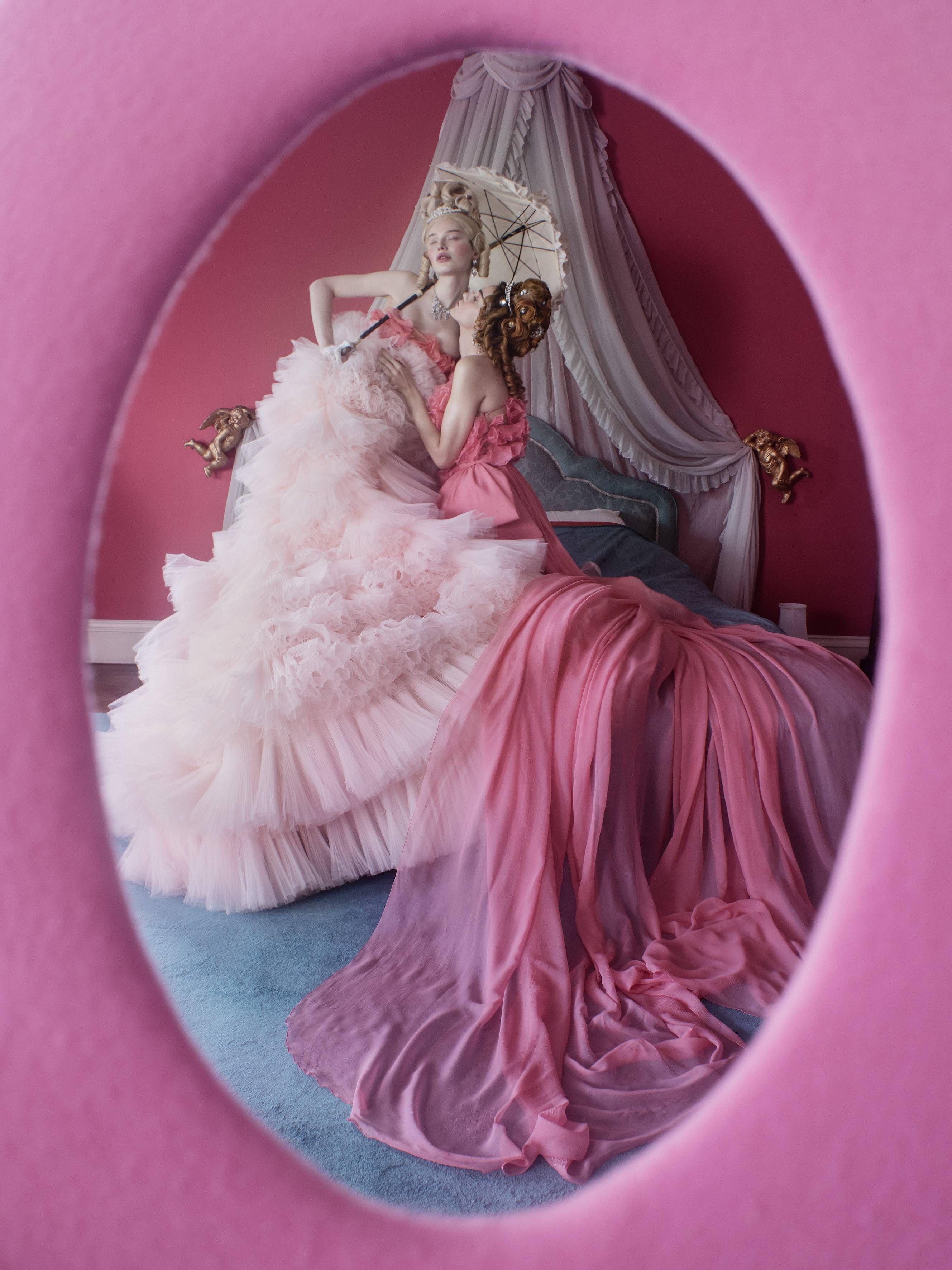
Maartje Convens and Marin Céleste, Camfield Place, Hertfordshire, 2022, by Tim Walker © Tim Walker
Can Fashion Help Us Become Who We Want to Be?
Yet Fairyland does not begin with fantasy. It begins with the people who fought for the right to exist and love openly. The first half looks back at activism from the 1970s and 1980s, and the communities that transformed visibility into resistance. Only in the second half does fashion truly come to the fore, as Walker explores what the exhibition calls the transformative power that fashion, make-up, and performance have long held for queer people. The sequence matters: before identity can be freely invented, it must first be allowed to exist.
Here, getting dressed is more than just an aesthetic choice. Fashion, make-up, and performance offer Walker’s sitters the chance to exaggerate, disrupt, or completely reinvent the codes that usually define our bodies. The fairy is no longer defined from the outside—it can now be created from within.
Near the end of the exhibition, Tim Walker describes queerness as “a place where you can be whoever you want to be.” Perhaps this is ultimately how fashion makes a fairy: not by dressing up an identity that already exists, but by giving it a shape that makes it possible.
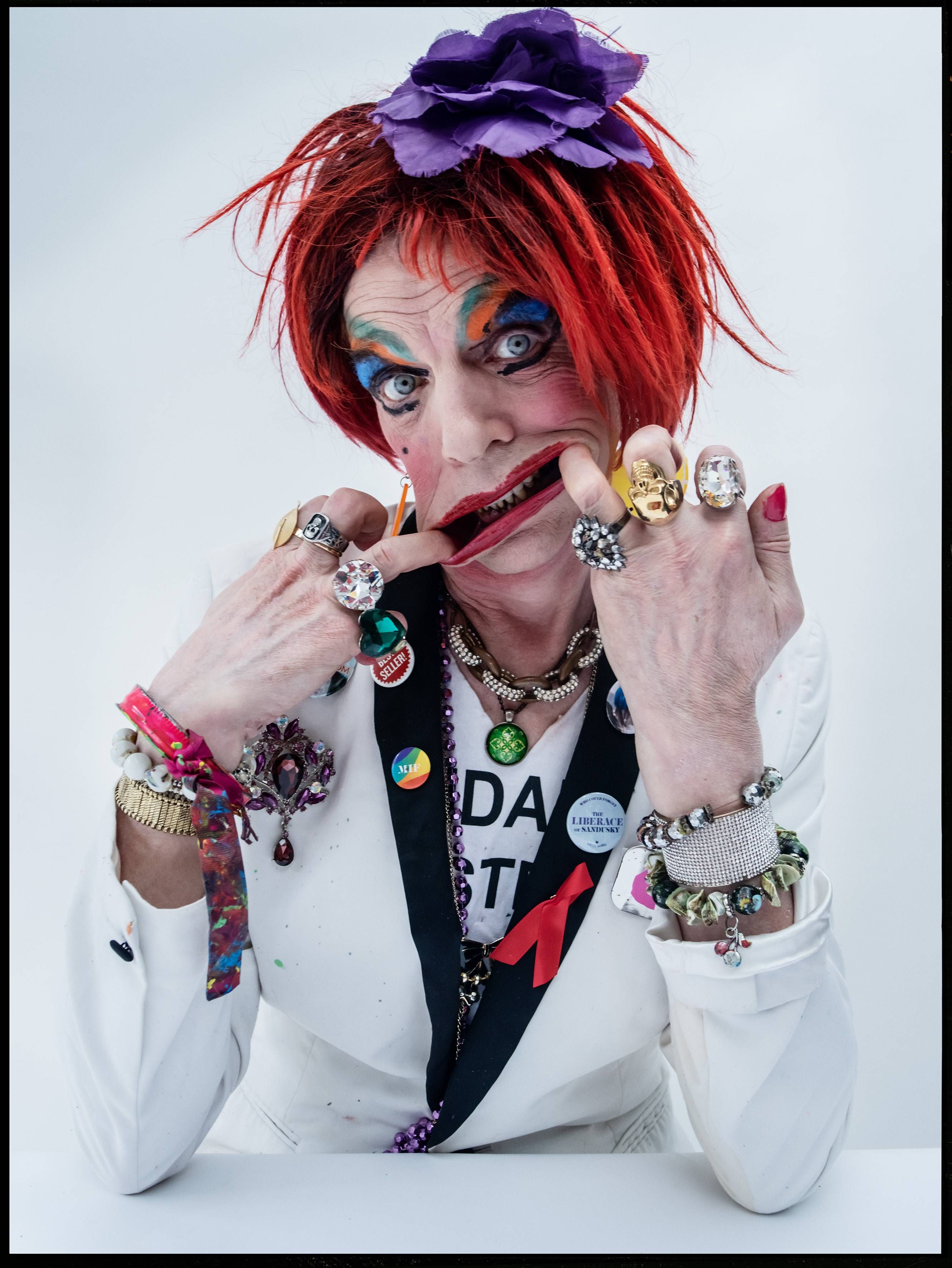
David Hoyle, Prawn Cocktailed, London, 2023, by Tim Walker © Tim Walker Ultimately, Fairyland is as much about becoming as about being. By reclaiming a word once used to define queer people from the outside, Walker turns the fairy into something that can instead be imagined from within. Across the exhibition, identity moves from something that had to fight to be seen to something that can be played with, exaggerated and reinvented.
Fashion, make-up, and performance become part of that process not because they reveal one definitive version of the self, but because they make room for all the possible versions. After more than 30 years spent using fashion to transform reality into fantasy, Tim Walker, in Fairyland, uses that same language to transform identity into something that can take shape before our eyes.
Fashion doesn’t dress the fairy—it helps make the fairy. Fantasy doesn’t have to be an escape from reality; it can help us imagine a new one.


.gif)