
What should you ask before starting a fashion brand? Alessandro Maria Ferreri has three questions
Luxury consultant Alessandro Maria Ferreri shares three questions before you launch a fashion brand: who needs it, who will buy it, and are you ready to build a business?
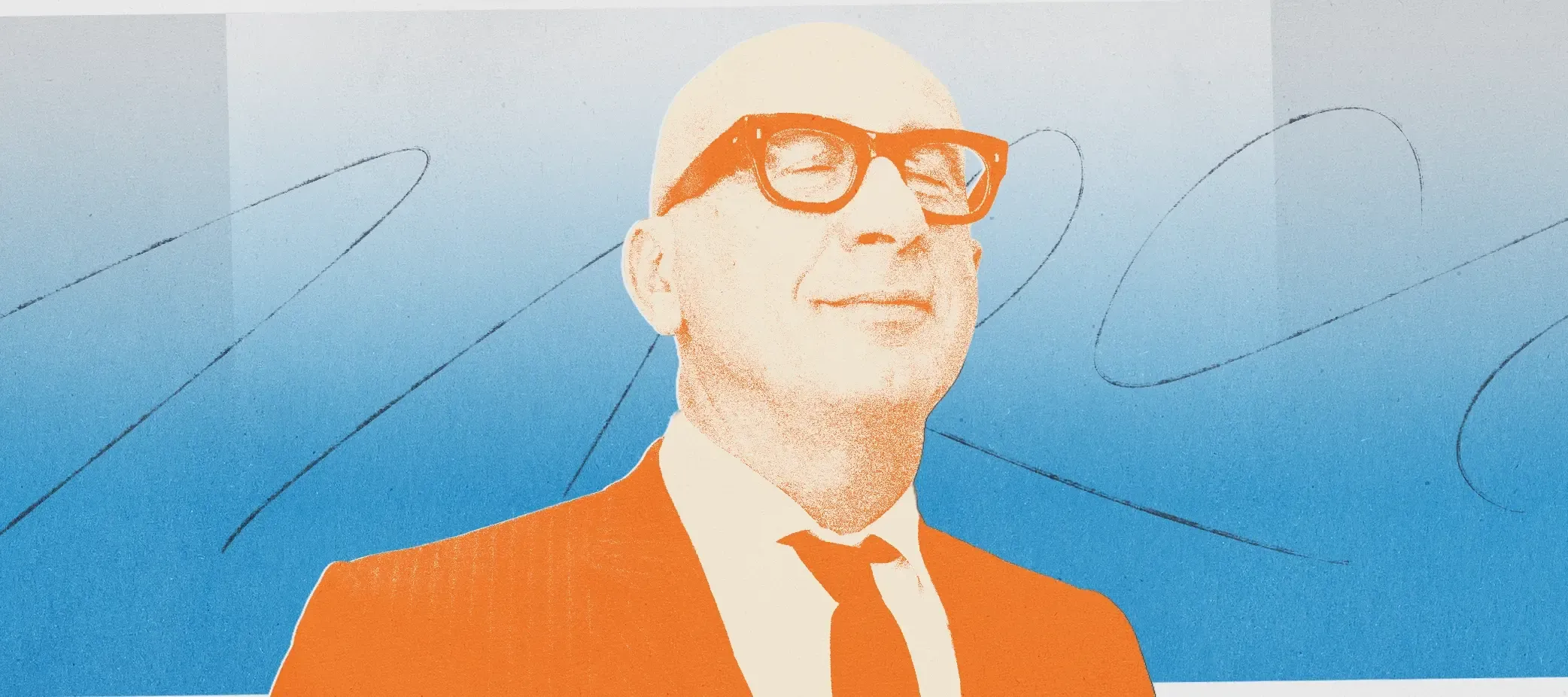
What do fashion advisors, luxury consultants, and decision-makers actually do? Alessandro Maria Ferreri, founder of The Style Gate, takes us behind the scenes of high fashion, where creative vision meets commercial reality. He explains how his work connects style with sales, and what emerging designers should consider before turning an idea into a brand.
When we think about working in fashion, certain images immediately come to mind: designers sketching their next collection, creative directors preparing runway shows, photographers on set, and stylists putting together the perfect look. But behind every successful fashion brand lies an entire world of professionals whose names rarely appear in the spotlight, even though their decisions can deeply shape the industry’s future.
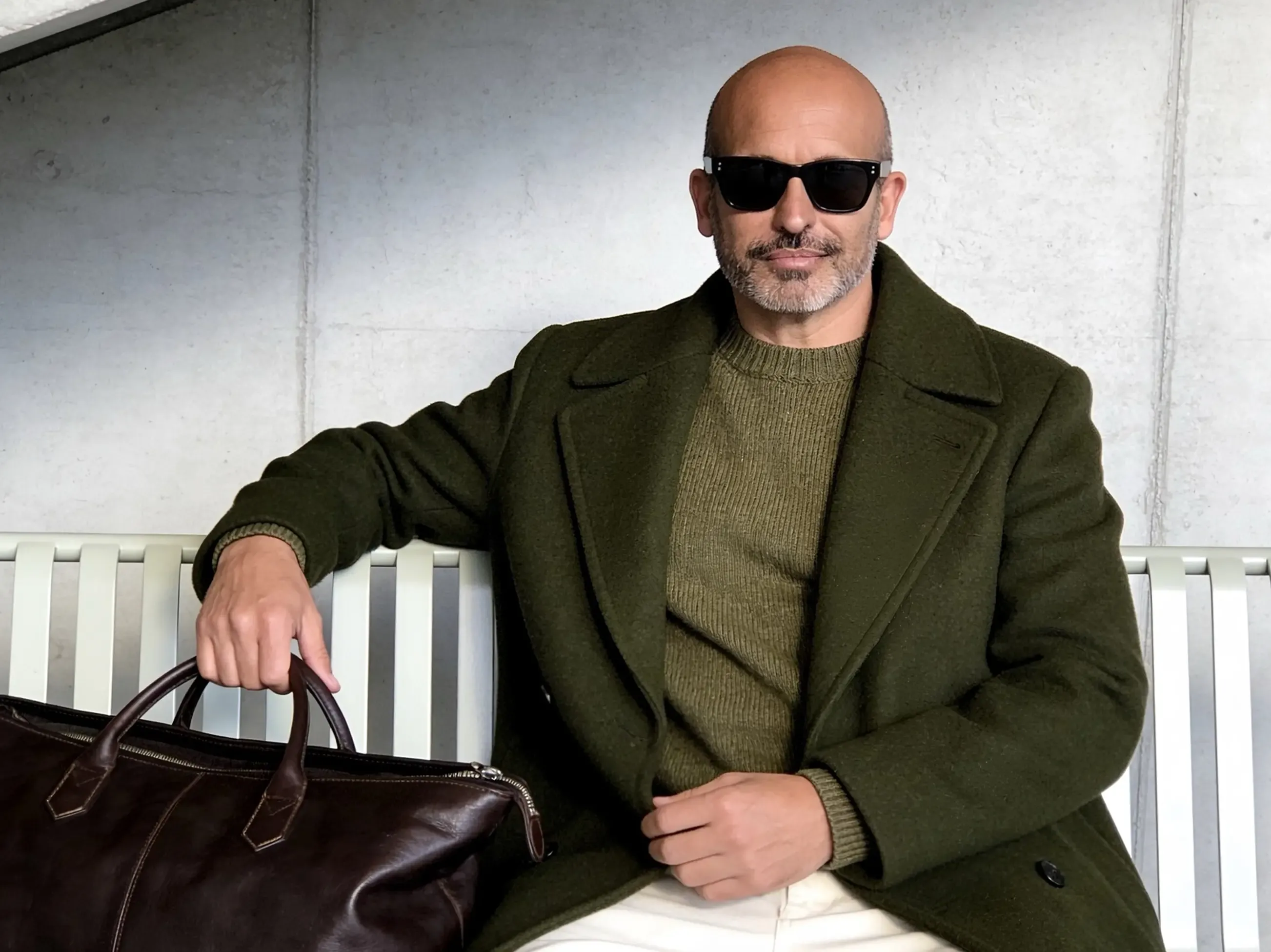
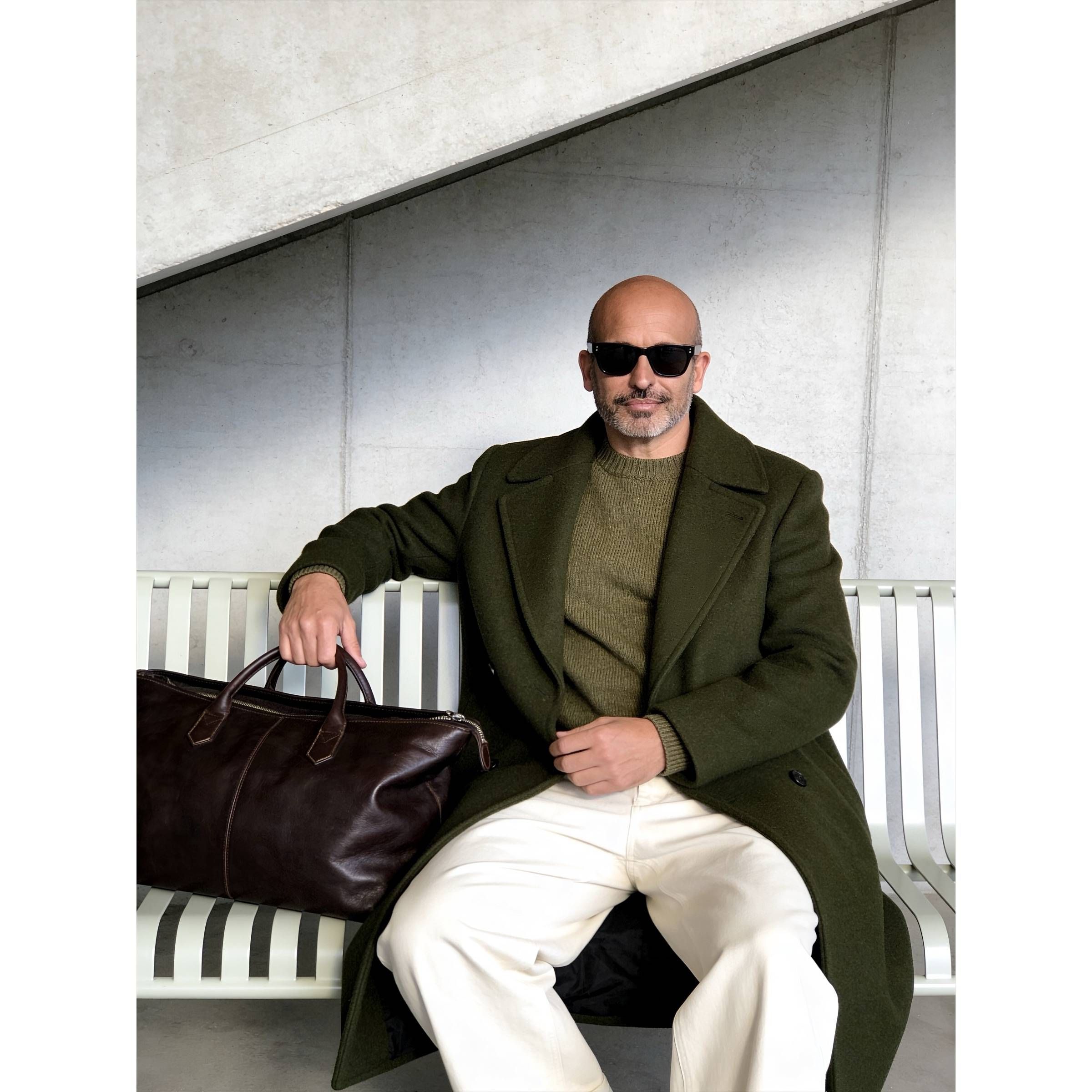
Alessandro Maria Ferreri is one of them. After building his career in the international luxury industry, he founded The Style Gate in 2015, a consulting company that helps fashion brands navigate everything from creative strategy to product development and international growth. His work involves collaborating with CEOs, shareholders, and creative directors, connecting the creative side of fashion with the realities of running a business. And while luxury consulting might sound like an established profession today, Ferreri remembers a time when people weren’t quite sure what to make of it.

Why Do Fashion Brands Hire Independent Advisers?
For years, particularly in Italy, professional success was measured by your position within a company, your place on the organisational chart and, ideally, the number of people reporting to you. Choosing a different path was not always considered a particularly promising career move.
As Ferreri recalls, “Anyone who chose consulting was considered someone who ‘hadn’t made it in the corporate world’.” And the perception of the profession itself wasn’t much better. “When I started working in advisory, the role of a fashion consultant was still rather nebulous: being a consultant sounded like someone who rents you a garage or wants to sell you an insurance policy.”
When he founded The Style Gate in 2015, he faced two challenges: “Giving the word ‘consultant’ a new sense of authority and, consequently, promoting myself.” Fortunately, much has changed since then, partly because the industry itself has become more complex. Luxury companies now operate across increasingly fragmented markets, with less predictable consumers, constantly evolving distribution models, and growing pressure to deliver results. In this context, an independent perspective can be particularly valuable. But for Ferreri, consulting also brings what he calls “an extraordinary intellectual responsibility.”
“A consultant shouldn’t be paid to confirm what management wants to hear. They should be paid to identify what management can sometimes no longer see.” That, he explains, requires not only expertise, but also independence of judgment and a certain amount of courage. Far from seeing consulting as an alternative to a corporate career, Ferreri considers it a natural evolution of his professional journey, allowing him to contribute to the decisions of different companies without belonging exclusively to any one of them.
What Does a Luxury Consultant Do Day to Day?
“The simplest answer is that I help companies make better decisions. More specifically, I connect elements that are still too often managed separately within organisations: creativity, product, positioning, distribution, communication, and financial results.” Through The Style Gate, Ferreri works at the intersection of these areas, whether redefining a brand’s positioning, developing a collection, identifying new market opportunities, or reviewing commercial strategies and internal priorities.
His work requires constantly shifting between the big picture and the smallest details. “I believe the real skill of an advisor lies in moving seamlessly from overall vision to specifics. You might discuss an international expansion strategy in the morning and, in the afternoon, find yourself evaluating the structure of a collection, the balance between product categories or the price of a single product. I don’t consider the second activity any less strategic than the former.” In luxury, he points out, it is often precisely the details that determine whether a vision is credible.
As for his typical working day, Ferreri is quick to dispel a few illusions. “I’m afraid I’ll have to disappoint anyone who imagines a life filled exclusively with fashion shows, events, and glamorous meetings. Most of my time is devoted to analysis, research, meetings and, above all, decisions.” He travels extensively, moves between companies and works with people from diverse cultures, perspectives, and priorities. As he describes it, the work is a continuous intellectual exercise requiring considerable adaptability. Yet the most fascinating part remains “helping transform a good intuition into an industrial project capable of generating value over time.”

What Turns a Fashion Product into a Brand?
For students dreaming of launching their own fashion label, Ferreri offers an important warning: creating something beautiful and building a successful brand are not the same. “One of the most widespread misconceptions is confusing the creation of a brand with the creation of a product. They are two profoundly different things. A product can be beautiful, original, even revolutionary, but that doesn’t automatically mean there’s a market willing to buy it, let alone an economic model capable of supporting it.”
He often sees young talents investing enormous energy in aesthetics, visual identity, and storytelling, while paying far less attention to what he describes as less romantic but far more decisive matters: cost structures, margins, distribution, production capacity, financial management, and understanding the consumer.
Social media can amplify this misunderstanding. “Today, digital communication has made it relatively easy to build visibility, but it has also created the illusion that visibility equals success. That’s not the case. Having an audience doesn’t necessarily mean having customers. And having customers doesn’t necessarily mean having a profitable business.”
View this post on Instagram
For Ferreri, many aspiring entrepreneurs simply start with the wrong question. They ask what they would like to create, rather than why someone might actually need it. This isn’t about sacrificing creativity to commercial logic. “It’s about giving creativity the chance to survive. Fashion needs new ideas, new languages and even a certain irreverence. But originality alone does not make a business model.”
The same applies to the relationship between creativity and business, often portrayed as a clash of opposites. Ferreri finds this view overly simplistic. “I always find it rather curious that creativity and business are still represented as naturally opposing forces. It’s a fascinating narrative, certainly, but also an oversimplification.” A creative director may focus on a brand’s aesthetic and cultural evolution, while a CEO must also consider its economic sustainability. Neither perspective is necessarily wrong, but neither alone gives the complete picture.
“Not everything that sells is necessarily right for a brand. And not everything that is creatively interesting automatically contributes to its growth.” The challenge is to protect a brand’s identity while allowing it to evolve, surprise and sometimes even contradict its own established codes. As Ferreri puts it, a brand’s identity should be “a strategic reference point, not a nostalgic constraint.”
What Should Emerging Designers Ask Before Their First Collection?
Imagine walking into Ferreri’s office with an idea for your own fashion label. You have sketches, a moodboard and perhaps even a name. What would he want to know before discussing your first collection?
Why Does the World Need Your Brand?
“The first question would be: why should the world need your brand? I wouldn’t ask what you want to design, what aesthetic you intend to propose, or which brands inspire you. I’d want to understand the place you think you can occupy in people’s lives, and what concrete reason would lead a consumer to choose you over someone else.” After all, as Ferreri points out, the fashion market certainly doesn’t suffer from a shortage of products. If anything, it suffers from an excess of proposals with no real reason to exist.
Who Will Pay for Your Fashion Idea?
His second question would be: “Who’s willing to pay for your idea, and why?” Understanding your potential customer means knowing their habits, aspirations, spending power and, above all, the alternatives already available to them. “A brand doesn’t compete only with similar brands. It competes for a limited share of people’s attention, desire and money.”
Are You Ready to Build a Business Around Your Fashion Idea?
The third question is perhaps the most difficult: “Are you in love with your idea, or are you willing to build a business?” The two can coexist, of course, but they require very different attitudes. Building a company means making unpopular decisions, accepting intelligent compromises, managing people, resources, risks, and responsibilities. It also means recognising when an intuition, however brilliant, simply doesn’t work.
What Makes a Fashion Brand Last?
Ferreri regularly works with students and young creatives whose talent and sensitivity he greatly admires. But he insists on an important distinction: “Talent is a starting point, not a guarantee of success.” Perhaps his final observation is the most important to remember: “Entrepreneurship isn’t about convincing the world to love your idea, but about building something the world can choose to love, and continue choosing, over time.”
View this post on Instagram
This perspective goes far beyond launching a fashion label. Whether you want to become a designer, work for an established maison, or pursue one of the many less visible professions behind the industry, Ferreri’s experience reminds us that creativity and business aren’t competing ambitions. Understanding how they work together is what gives a good idea the chance to become something that lasts.
Paola Toia
Editor, Milano