
What is Grindin Coffee really selling? Pusha T, Pharrell and “Locking in”
Pusha T, Pharrell and Lavazza turn “Grindin’” into Grindin Coffee, linking hip-hop’s hustle to Gen Z’s “locking in” trend
The coffee is the least surprising thing about Grindin Coffee. Edoardo Passacantando reads the Lavazza collaboration between Pusha T and Pharrell Williams as an attempt to turn the memory of Grindin’—hip-hop shorthand for the relentless effort behind success—into a daily discipline, close to what Gen Z now calls “locking in.” A Gen Z author and expert in subcultures, sport, street culture and DJing, Passacantando offers a deliberately unfashionable reading of the launch: the celebrity names are the proof, not the product. What Grindin Coffee is selling is the work ethic those artists have spent decades making visible.
How Did Pusha T and Pharrell Turn “Grindin’” Into a Coffee Brand?
Tuesday night. 3:32 AM. Work tomorrow. Still doomscrolling, you stumble on a Lavazza Reel starring Pusha T and Pharrell Williams. First reaction? What the hell is going on?
They’re in Turin, flaunting tuxedos and fur coats as they meet grim-faced old-guard businessmen. A few walk-and-talks later, the boot of a shiny Bentley opens, and packs of coffee start coming out. Grindin Coffee has arrived.
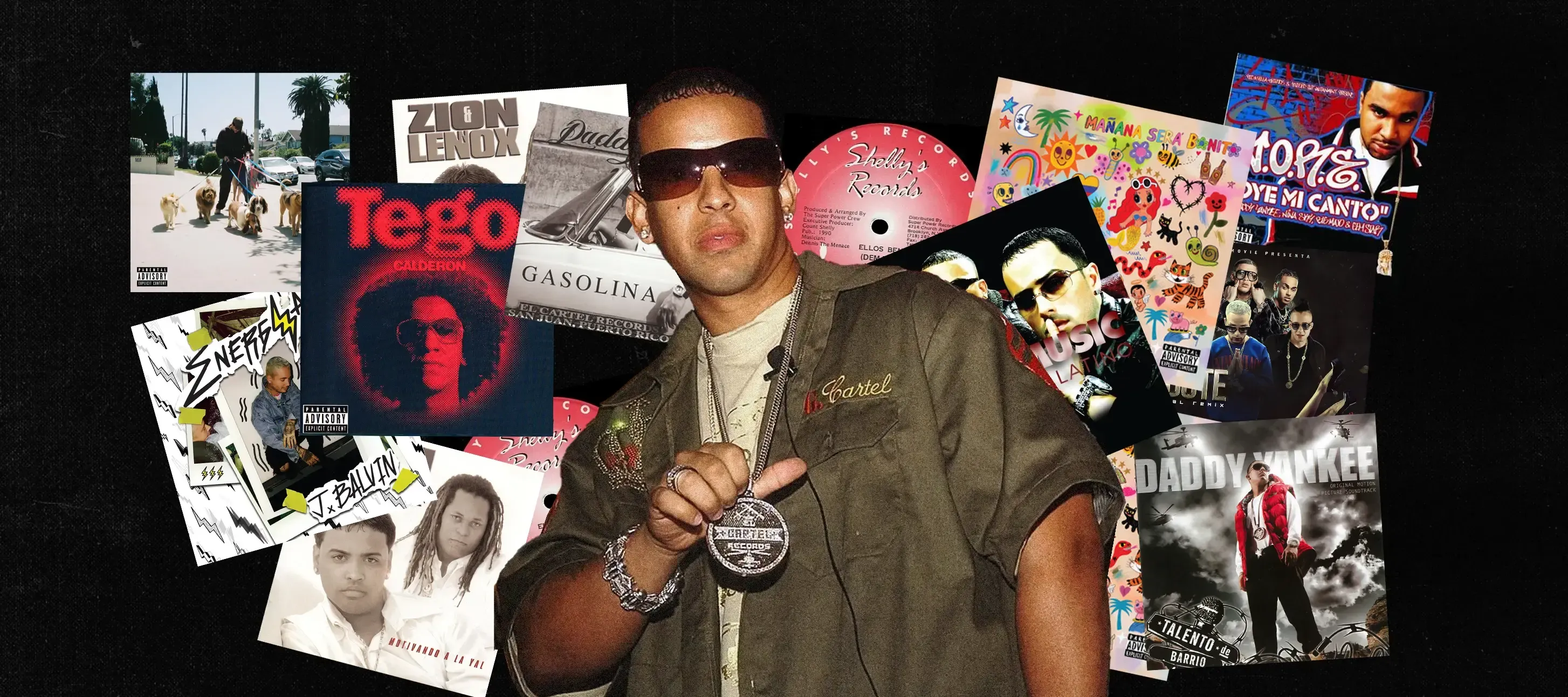
The brand is the latest business venture from Pharrell Williams, who continues to lead Louis Vuitton Menswear while executive-producing Quavo’s forthcoming album, Qrömelife, due on 2 October. This time, he has teamed up with longtime friend Pusha T, fresh from another major Clipse chapter, to pay homage to their first collaboration: “Grindin’,” the 2002 Neptunes-produced track that helped turn the Virginia duo into one of rap’s most distinctive acts.
Twenty-four years later, the beat has become a beverage. Developed in partnership with Lavazza, Grindin Coffee launches with two blends: a medium roast sourced in South America, with notes of bittersweet chocolate, caramel and roasted hazelnut, and a darker blend sourced in Central and South America and Southeast Asia, with cocoa, caramel and brown spices.
But Grindin Coffee is trying to sell something bigger than coffee.
Visualizza questo post su Instagram
Why Is Coffee Part of Pusha T and Pharrell’s Creative Routine?
Grindin Coffee is selling the mentality behind it. The idea reportedly came out of the Miami sessions for Pusha T’s It’s Almost Dry during the pandemic, when long days in the studio started with strong black coffee.
Pusha has described those sessions as early-morning, all-day affairs. For Pharrell, coffee is a staple in the creative spaces where their partnership developed.
Now, the branding turns an ordinary habit into mythology. Grindin Coffee channels the same language that has surrounded both artists for decades: obsession, consistency, focus, and repetition. Even the company’s own manifesto revolves around the invisible hours before success—rewriting a verse, arriving before everyone else, putting in work while no one is watching.
Visualizza questo post su Instagram
What Does “Grinding” Mean in Hip-Hop Slang?
Some of you may still wonder what “grindin’” really means. Before it became a coffee brand, grindin’ described the side of ambition that never makes the highlight reel. In hip-hop slang, it means putting in the hours, repeating the process, and finding a way forward when the obvious route is closed.
It is close to what Gen Z now calls “locking in,” but it carries more history and friction: hustle, self-invention, and the pressure to turn effort into economic mobility. That’s why it travels so easily from rap into business: it was already a business philosophy, just without the boardroom language.
How Did “The Grind” Move from Hip-Hop into Business?
The idea of “grinding” has always held a particular place in hip-hop storytelling because rap emerged from communities where conventional routes towards economic mobility were often limited—and repeatedly turned hustling into both a narrative and a survival strategy: work harder, move smarter, create your own opportunity.
Over time, that mentality moved beyond music and became part of the mythology surrounding streetwear founders, producers, athletes, and creative entrepreneurs.
Pusha and Pharrell embody that transition: one built a decades-long career from uncompromising coke rap, spanning music, fashion, and business; the other moved from producing some of the most disruptive records of the early 2000s to working across music, luxury, design, and hospitality.
Coffee, then, becomes an unusually precise product for them—not the reward at the end of the grind, but the fuel before it. There’s also something distinctly 2026 about that proposition.
What Is the “Great Lock-In” Trend?
The internet has become obsessed with the language of “locking in”: gym routines, reading lists, meal prep, career goals, reduced screen time, and self-improvement systems.
The “Great Lock-In” trend is another iteration of internet-driven self-optimisation, with users publicly reorganising their lives around discipline and productivity. Even the expression itself has become part of the appeal: giving an ordinary behaviour a name turns it into an identity, a challenge, and eventually a community.
Grindin Coffee fits that mood almost perfectly, but with twenty years of credibility behind it.
Visualizza questo post su Instagram
How Does Grindin Coffee Turn Hip-Hop History Into a Brand?
That is what separates the project from the endless stream of celebrity beverages. Pusha T and Pharrell are not attaching their faces to coffee and hoping relevance follows. They already carry the history the product draws on.
The smartest thing about Grindin Coffee is the reversal: celebrity becomes proof of the work, not the product itself. They are turning a piece of hip-hop history into a brand.
Edoardo Passacantando
Author and editor, Milano

.jpg)
.jpg)