


Discover the next Open Days Milano · Firenze · London · Paris · Dubai Register nowDiscover the next Open Days
loader
FIND YOUR COURSE
⌄

Milano The School of Design

The School of Design

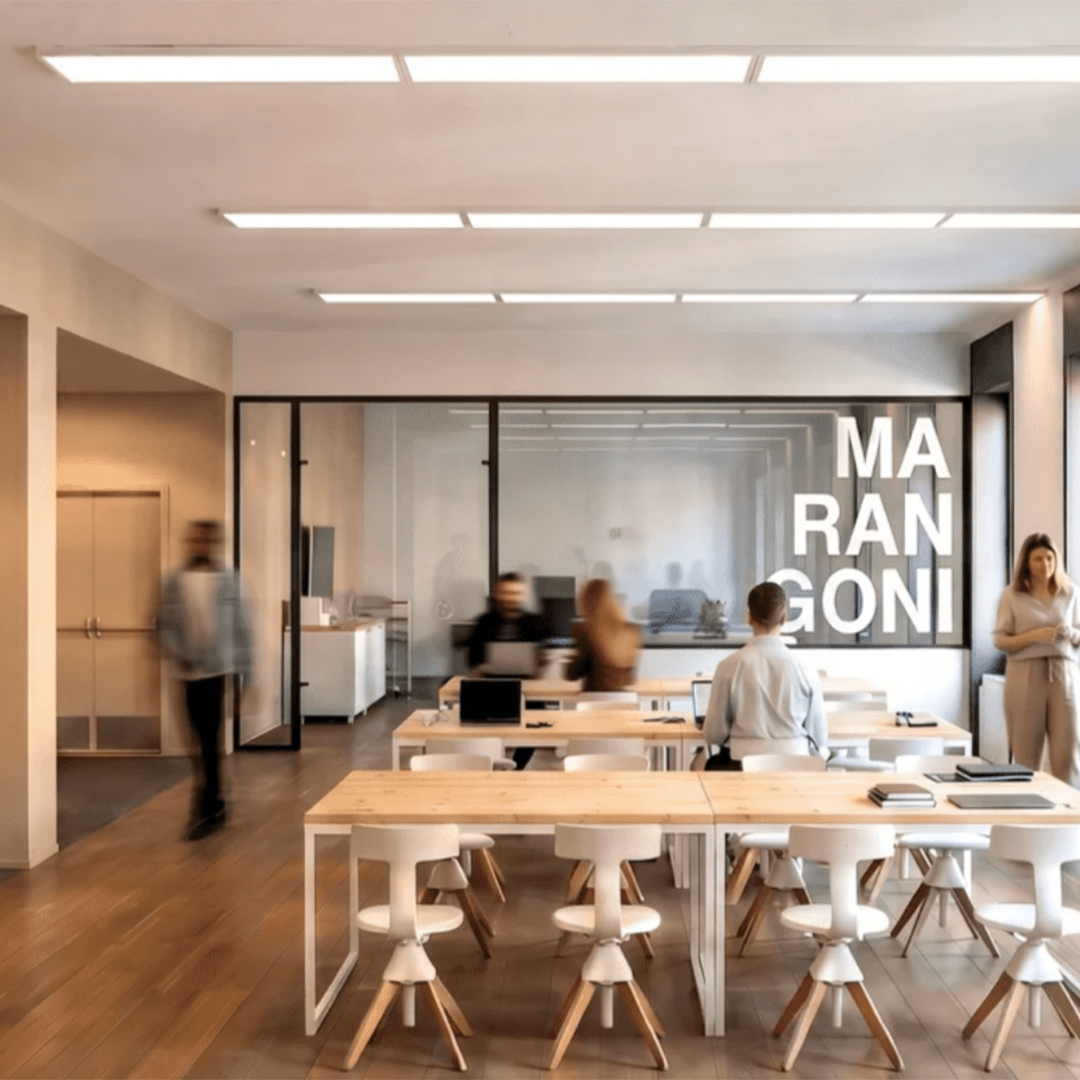
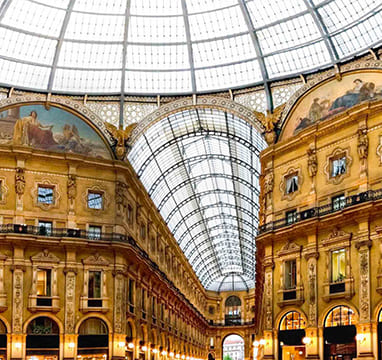
Milan is synonymous with design, and no wonder. It unites a rich history with a continued vital role in the global design landscape that is always respectful of the past but has an eye towards the future. This unique approach to research and experimentation is also reflected in the Milano Design School, where participants will be challenged with projects from artisanal furniture to high-end inspirational design for interiors, products, and visual graphics. All courses at Istituto Marangoni Milano Design School are underpinned by a contemporary aesthetic approach, and a heavy dose of fashion cross-pollination, thanks to the luxury and fashion found around every corner. This design culture is closely linked with the city’s design district and the community of creative designers who are drawn to study, work and live in this fertile environment, leading to an exclusive mix of cutting-edge design paired with new technologies, and an eye for commerce that successfully combines theory with practice.


Design Week 2026

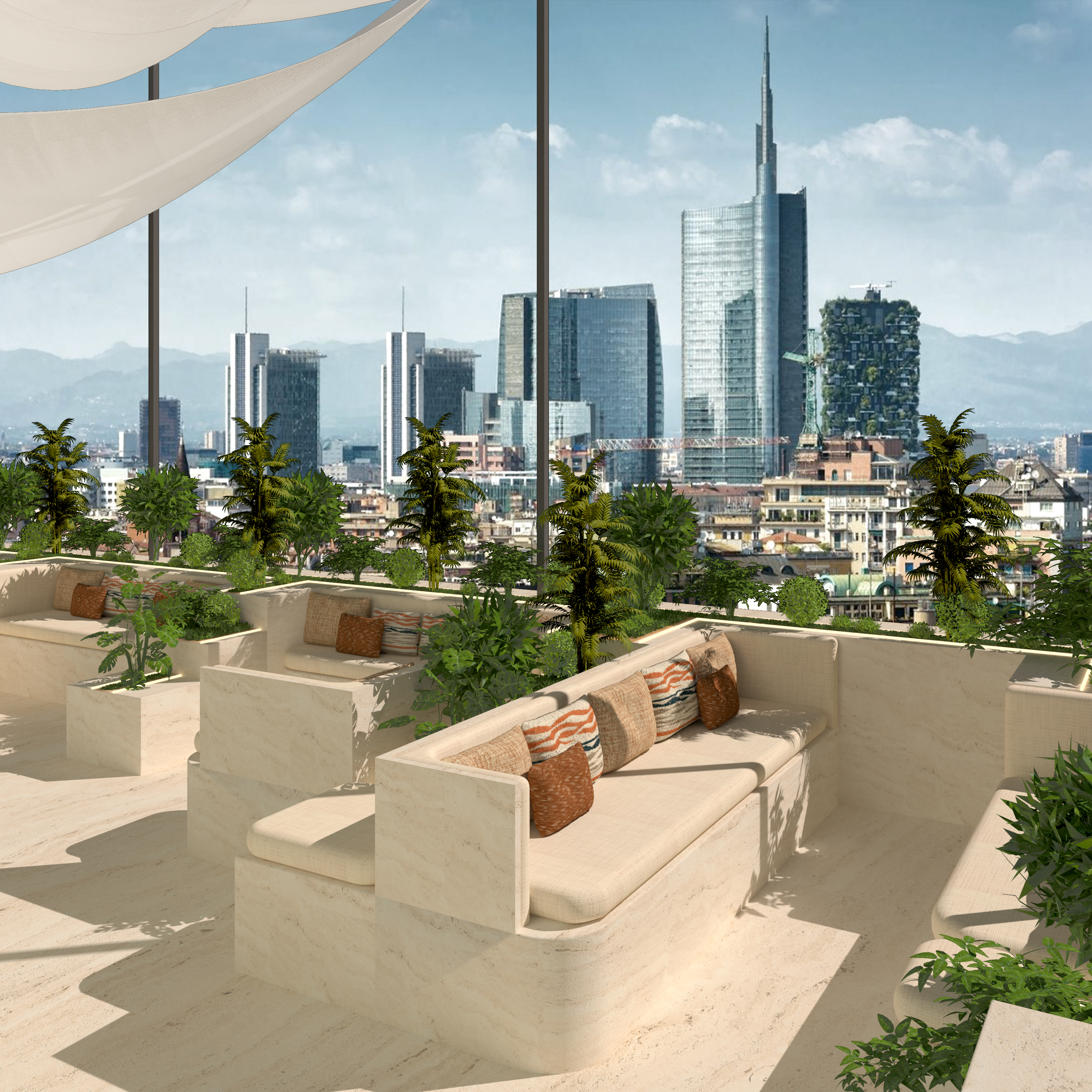
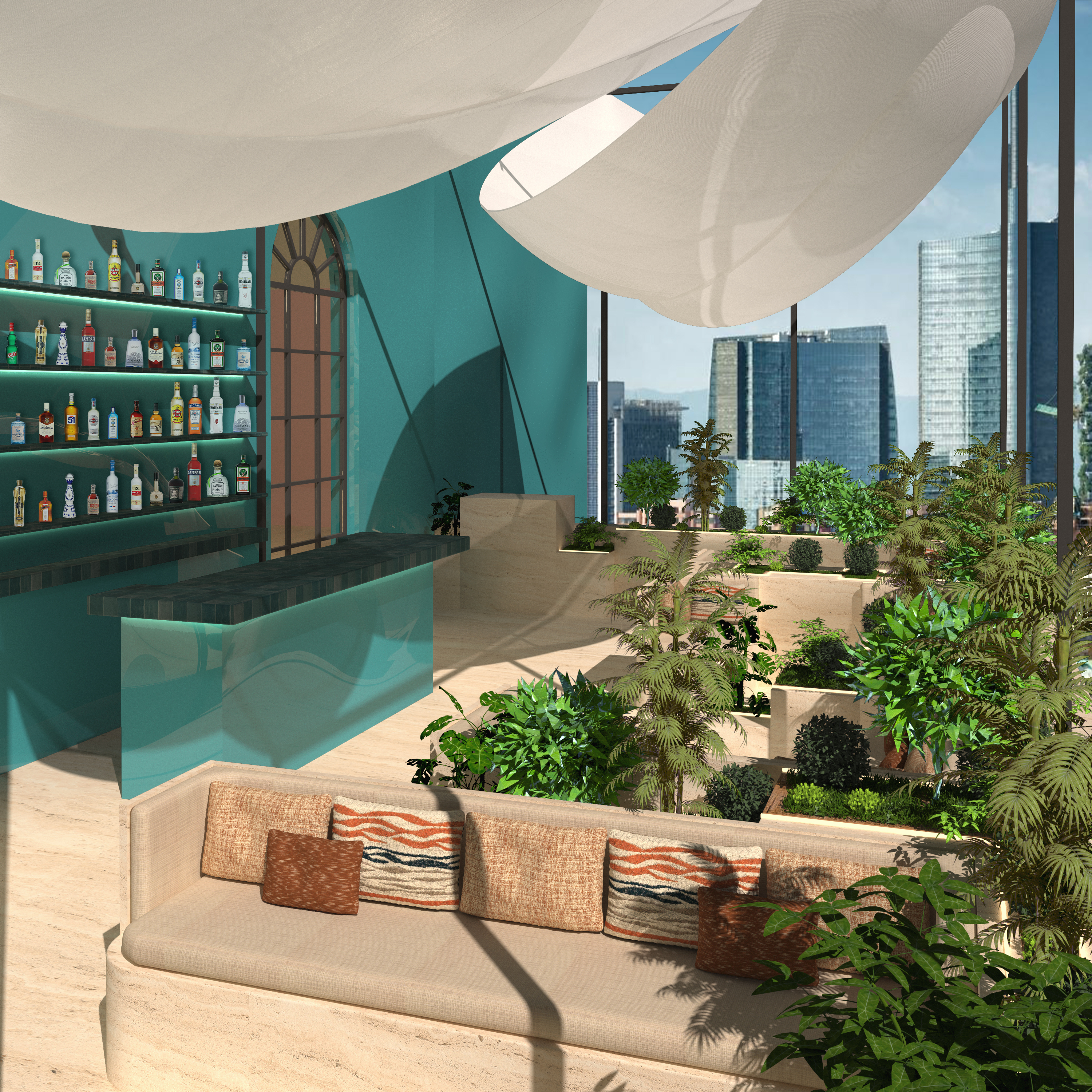
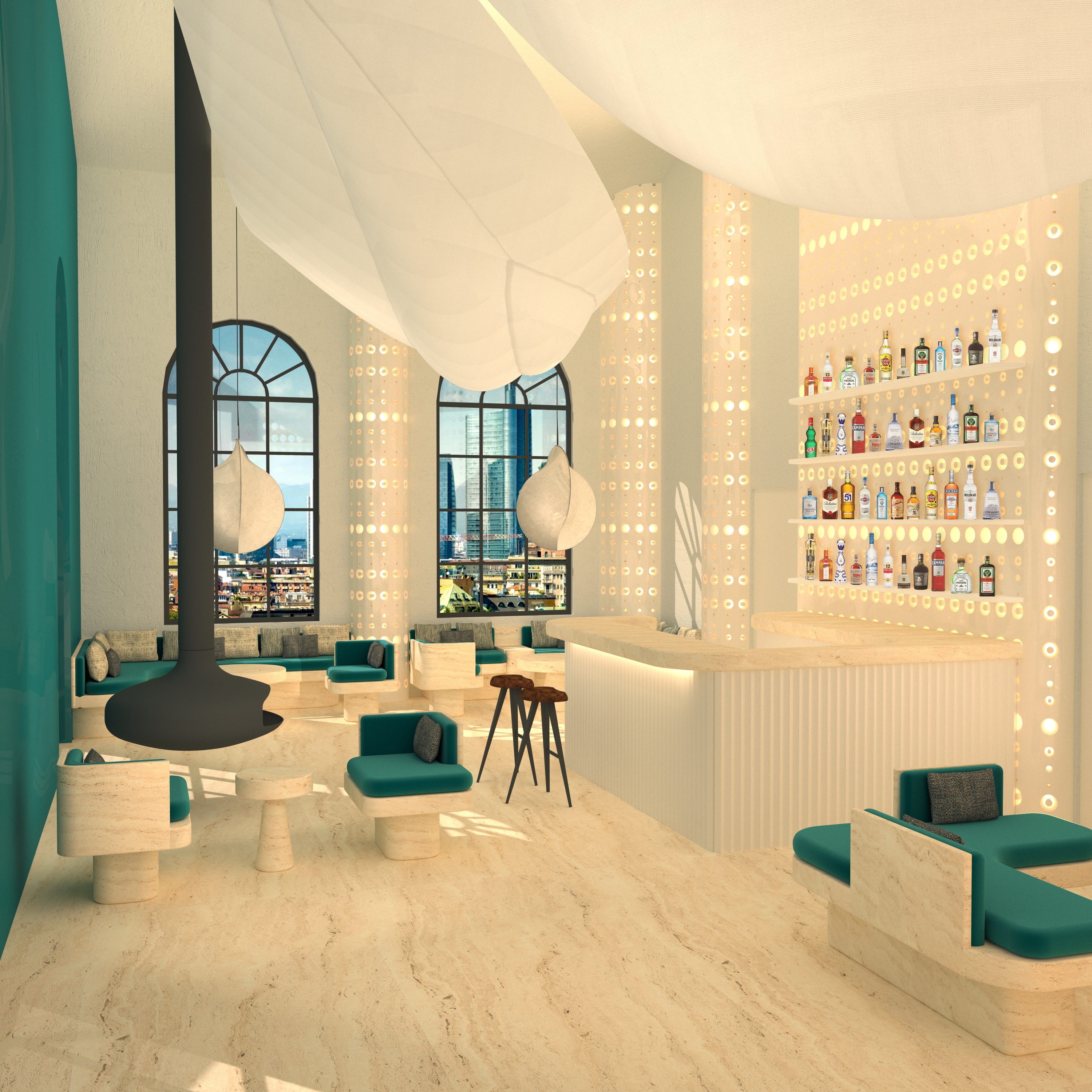
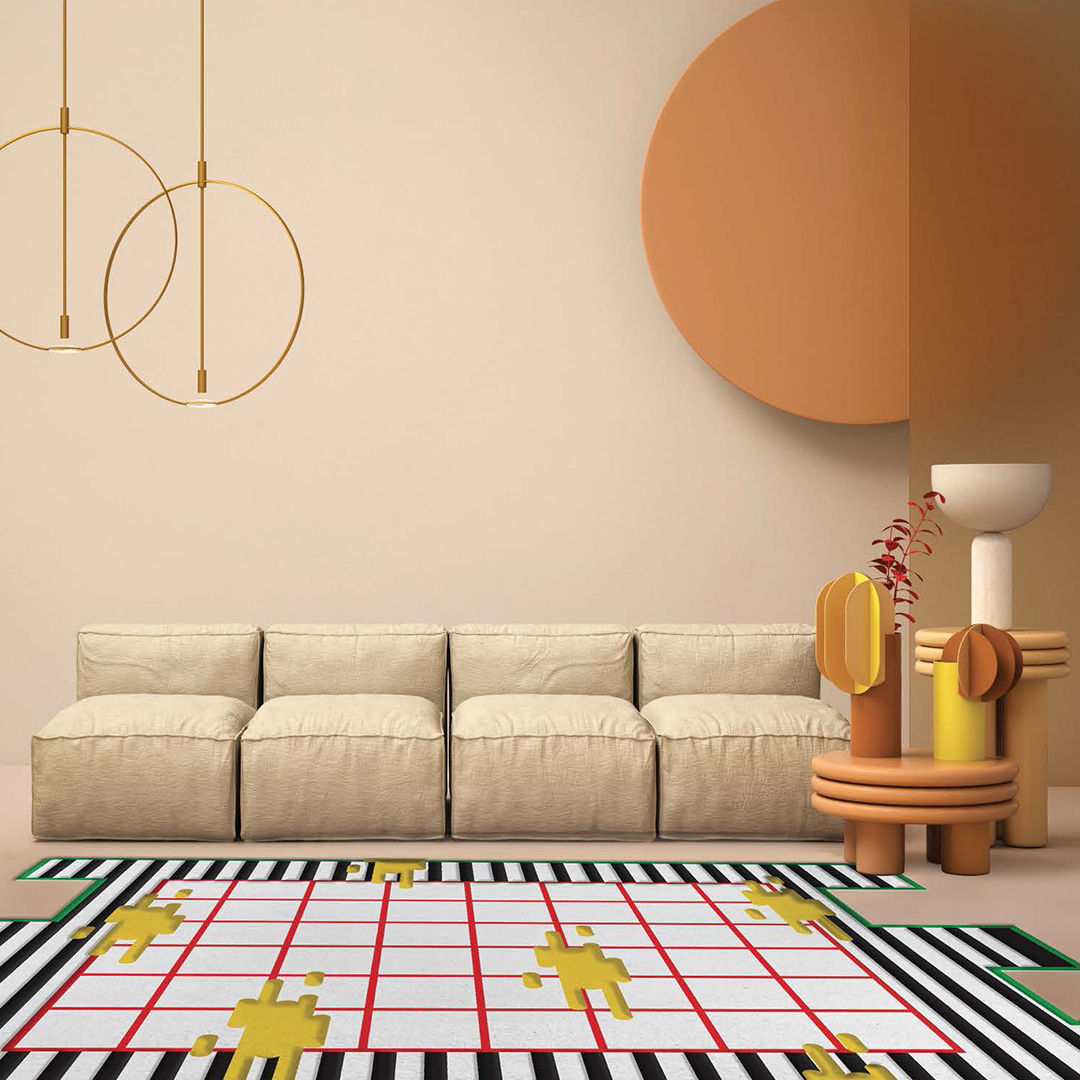
For Milano Design Week 2026, Istituto Marangoni presents Design Awakens, an activation exploring a new phase in contemporary design where objects, spaces and digital systems evolve into responsive, interconnected environments shaped by the convergence of technology, human experience and nature.

DESIGN AWAKENS
fhd

ACADEMIC COURSES & GUIDANCE
FIELDS OF STUDY

Discover a world of creative possibilities at Istituto Marangoni Milano, where a fusion of creativity and expertise awaits in the fields of Interior design, Product Design and Visual Design.

ENTRY REQUIREMENTS, VALIDATIONS & SCHOLARSHIPS
Latest Updates
square
Emil Gasanov Wins an Award at MERGE Film Festival 2026 with KIBAЛ / HOME

A new achievement for Istituto Marangoni Milano Design in the fields of creative innovation and artificial intelligence. Emil Gasanov, who graduated in Visual Communication Design in September 2026, has won the Audience Award at MERGE Film Festival 2026, held in Switzerland from October 1 to 4, with his short film KIBAЛ / HOME.

Presented in the Hybrid category, dedicated to productions combining traditional footage and artificial intelligence, the film received the highest audience rating among 36 competing works.

The award recognises a project that demonstrates how generative technologies can become powerful tools for artistic expression, bringing memories to life and giving shape to deeply human stories.

KIBAЛ / HOME: A Journey Through Memory, Identity and Belonging

Originally from Dagestan, a republic of the Russian Federation located in the North Caucasus, Emil Gasanov drew inspiration from his own family history to explore the meaning of home, cultural roots and belonging.

The title KIBAЛ, meaning "home" in the Lezgi language, captures the central theme of the short film: the idea that home is not simply a physical place, but a collection of memories, relationships, traditions and emotions that remain with us even when we move away from our origins.

The project began with a VHS recording from 1998, preserving footage of Emil's parents' wedding. Through generative artificial intelligence, this family archive became the starting point for a visual narrative that moves between past and present.

By digitally reconstructing locations, atmospheres and symbolic elements, the young creative reinterpreted these memories, establishing a dialogue between authentic archival footage and artificially generated sequences.

The short film explores the emotional complexity of reconnecting with one's origins and the experience, familiar to those living between different cultures, of recognising oneself in places and traditions that can feel both familiar and distant.

Adding an even more personal dimension to the project is its dedication to Emil's late cousin, Ruslan Gasanov. Ruslan had expressed his wish to visit Europe with Emil, a journey they never had the opportunity to make together. By creating the film in Europe, Emil found a way to symbolically carry his cousin's memory with him, transforming the project into an act of remembrance and affection.

The Creative Process: When AI Brings Memories to Life

From a visual perspective, KIBAЛ / HOME emerges from the intersection of cinematic influences, cultural traditions and digital experimentation.

Emil drew inspiration from the filmmaking styles of Claire Denis, Sergei Parajanov and Sedaget Kerimova, developing an aesthetic in which symbolic imagery and evocative atmospheres accompany an intimate, personal narrative.

To create the AI-generated sequences, he used several artificial intelligence tools, including Flora, Higgsfield, Sora 2, Seedance and Nano Banana Pro, integrating them with the original footage of his parents' wedding.

The creative process also involved sound design developed using Flora, an original voice recording of his mother, and illustrations and animations personally created by the filmmaker using Procreate.

The result is a short film that goes beyond technological experimentation. Artificial intelligence is not used to replace the filmmaker's memory or artistic sensitivity, but to expand his expressive possibilities, making visible emotions and atmospheres that would otherwise remain preserved in personal memories and family archives.

From Milano Film Fest to MERGE Film Festival

The recognition received at MERGE Film Festival, a Swiss event dedicated to emerging approaches to audiovisual production and artificial intelligence, represents another milestone in Emil Gasanov's creative journey.

Held for the first time in 2026, the festival brought together works exploring the potential of emerging technologies in filmmaking, creating a space for dialogue between visual experimentation and new forms of storytelling.

KIBAЛ / HOME had already gained visibility through its selection for Milano Film Fest in June 2026 and as part of the collaboration between Istituto Marangoni Milano Design and RED-EYE, an international editorial platform dedicated to contemporary visual culture.

The project was among eight short films created by Visual Communication Design students during a masterclass directed by Ced Pakusevskij, director and art director, as part of the educational programme led by Paola Rolli, Programme Leader of the department.

The experience encouraged students to explore emerging audiovisual languages by combining filmmaking, animation, CGI and generative artificial intelligence, while keeping their individual creative vision at the heart of the process.

Technological Innovation and Human Sensitivity

For Istituto Marangoni Milano Design, Emil Gasanov's achievement is a concrete example of the value of an educational approach that combines advanced technological skills, artistic research, critical thinking and storytelling.

The project demonstrates how artificial intelligence can become an integral part of the creative process without replacing the role of the filmmaker, instead opening up new possibilities for interpreting reality, revisiting memories and giving shape to personal stories.

In an audiovisual landscape undergoing constant transformation, KIBAЛ / HOME reminds us that the future of visual communication depends not only on the technologies available, but above all on the sensitivity, cultural awareness and creative vision of those who use them to give meaning to images.

Read More
square
Istituto Marangoni Milano Design and RED-EYE: New Perspectives on AI, Cinema and Storytelling

How do we tell stories in the age of artificial intelligence? And what new possibilities emerge when cinema, animation, CGI and digital technologies become tools for shaping memories, emotions and personal imaginaries?

These are some of the questions at the heart of the collaboration between Istituto Marangoni Milano Design and RED-EYE, an international editorial platform dedicated to contemporary visual culture, exploring the connections between art, fashion, design and technological innovation.

The project involved students from the Visual Communication Design department in an experimental journey focused on emerging audiovisual languages, encouraging them to explore the potential of generative artificial intelligence and develop their own creative vision.

The initiative is part of the educational programme led by Paola Rolli, Programme Leader of the Visual Communication Design department at Istituto Marangoni Milano Design, and involved Gloria Maria Cappelletti, Editor-in-Chief and Creative Director of RED-EYE, and Ced Pakusevskij, director and art director, who guided students through the development of their projects during a masterclass dedicated to the new frontiers of filmmaking.

Visualizza questo post su Instagram

Un post condiviso da RED-EYE Metazine (@red.eye.world)

From Personal Experience to Visual Experimentation

A childhood memory, a meaningful place, a family story or an unspoken thought. The starting point of the project was deliberately personal: students were invited to identify an element of their own experience and transform it into the opening frame of a narrative capable of venturing into entirely new visual territories.

Guided by Ced Pakusevskij throughout every stage of the process, participants experimented with combining traditional filmmaking, AI-generated imagery, CGI, motion design, animation, compositing and sound design, selecting the tools best suited to their individual storytelling needs.

The aim was not simply to acquire technical skills or explore the features of new software, but to understand how technology can expand an author's expressive possibilities. Artificial intelligence thus became a tool for reinterpreting memories, creating atmospheres, imagining alternative scenarios and making visible emotions and thoughts that are difficult to convey through traditional cinematic languages.

This approach reflects one of the most significant transformations taking place in contemporary creativity: the gradual blurring of boundaries between cinema, animation, gaming and digital production, giving rise to increasingly hybrid and experimental forms of storytelling.

Eight Short Films Exploring Identity, Memory and the Future

Among the works developed during the programme, projects by Ada Pachon, Ayleen Shaker, Chu Tran Bao Linh, Emil Gasanov, Laura Medina, Maximilian Gatev, Oskar Knoph Bruun and Polina Khaybullina were selected, bringing together eight young creatives who interpreted the theme through different visual languages and individual perspectives.

The short films address deeply contemporary issues, ranging from identity and cultural belonging to the influence of technology on personal choices, from family memories to the perception of the body, and the increasingly blurred boundaries between reality and imagination.

In LINGUAL, Ada Pachon transforms the language barrier into a science-fiction narrative reflecting on the social pressure to adapt and the importance of preserving one's identity. With HALO, Ayleen Shaker imagines a future in which an AI-powered neural implant promises to simplify every decision, raising questions about the relationship between personal autonomy and technological dependence.

Cultural identity takes centre stage in Teeth Blackening, Chu Tran Bao Linh's project, which revisits an ancient Vietnamese beauty tradition to question the influence of Western aesthetic standards and the loss of cultural roots. In KIBAЛ / HOME, Emil Gasanov draws on footage from his parents' 1998 wedding in distant Dagestan to create an intimate narrative about memory, family and the meaning of belonging.

In The Edge, Laura Medina uses artificial intelligence to explore the desire to escape the repetitive nature of everyday life, while Maximilian Gatev imagines a surreal world affected by an insomnia pandemic in The Vigil. With NESBYEN 2042, Oskar Knoph Bruun transforms an unusual childhood memory into a futuristic vision of sport and the limits of the human body. Finally, in Boullerina, Polina Khaybullina explores the relationship between dance, memory and emotions, bringing movement and digital depth to paintings she created by hand.

espite their differences, all eight projects share a fundamental element: the desire to use emerging technologies not merely as production tools, but as an integral part of a personal creative process in which the author's vision remains central.

A Collaboration Bridging Education and the Creative Industry

The project is a concrete example of Istituto Marangoni Milano Design's educational approach, which promotes dialogue between research, experimentation and professional practice, offering students opportunities to engage with the transformations shaping the creative industry.

The collaboration with RED-EYE enabled participants to develop projects that engage with the languages of international visual communication, while benefiting from direct exchanges with professionals working across cinema, creative direction, publishing and digital innovation.

In this context, Gloria Maria Cappelletti, a leading figure in exploring the relationship between visual culture and emerging technologies, played an active role in selecting the most outstanding projects and featuring them across RED-EYE's channels, helping bring the students' work to a wider audience beyond the academic environment.

From the D&AD Awards to Milano Film Fest: Talent Beyond the Classroom

The RED-EYE experience is part of a broader educational journey that sees Visual Communication Design students at Istituto Marangoni Milano Design engaging with the international creative landscape through projects, collaborations and initiatives promoted and supported by Programme Leader Paola Rolli.

Among the most significant achievements of 2026 is the Wood Pencil at the D&AD New Blood Awards, won by Maximilian Gatev, Laura Medina and Oskar Knoph Bruun for The Bench Marks. Developed under the guidance of tutor Andrea Bomentre in response to a brief by Affinity and Canva, the project reimagines the public bench as a space for connection, interaction and shared experiences.

Further demonstrating the school's commitment to emerging audiovisual languages was its participation in Milano Film Fest 2026, featuring screenings of short films created by Visual Communication Design students and the masterclass Slipping Past. Beyond the Screen, dedicated to the evolution of cinema in the age of artificial intelligence and immersive media. The session featured Ced Pakusevskij, Francesco Briganti and Selim Unlusoy.

These different experiences share a common purpose: to offer students meaningful opportunities to engage with the professional world, develop their own creative identity and take their ideas beyond the boundaries of the classroom.

Read More
MILANO DESIGN WEEK
Ready to fully immerse yourself in the world of design?
Step into a unique creative journey and discover the exhibitions developed by our best talents, in collaboration with leading industry players.

CONTACTS

Enrolment information for new students

design@istitutomarangoni.com
+39 02 3858 5247


Student Service Office

academicservices.design@istitutomarangoni.com
+39 02 7631 6680

Istituto Marangoni Milano

Via Pietro Verri, 4, 20121 Milano MI