

You can’t pin your way to an interior design concept. Look at the pavement
How does an interior design concept begin? A walk through Milan turns façades, shop windows and a pavement grid into design references
How does a designer find an idea worth pursuing? Before making a mood board, look down. In Milan, Sıla Naz Orkut traces the process from noticing a small detail to choosing resonant references, then testing the emerging concept through sketches and real spaces.
October 2026, Milan. During a walk, I stopped to photograph a metal grid embedded in the pavement. I didn’t yet know what to do with its lines and repetition; I only knew I had been compelled to stop and observe.
How Does an Interior Design Idea Begin?
The curious thing about ideas is that they often start changing what I notice before I consciously decide to develop one. Since moving to Milan, I’ve realised a theme may already be taking shape in my mind, even without a clear direction. At that stage, I’m not necessarily seeking answers; I’m simply more receptive to what surrounds me. My thoughts can circle for a while without knowing what I’m searching for. Along the way, a small spark of inspiration appears, like a flicker of light, offering a first sense of direction.
Where Do Interior Designers Find Inspiration in Milan?
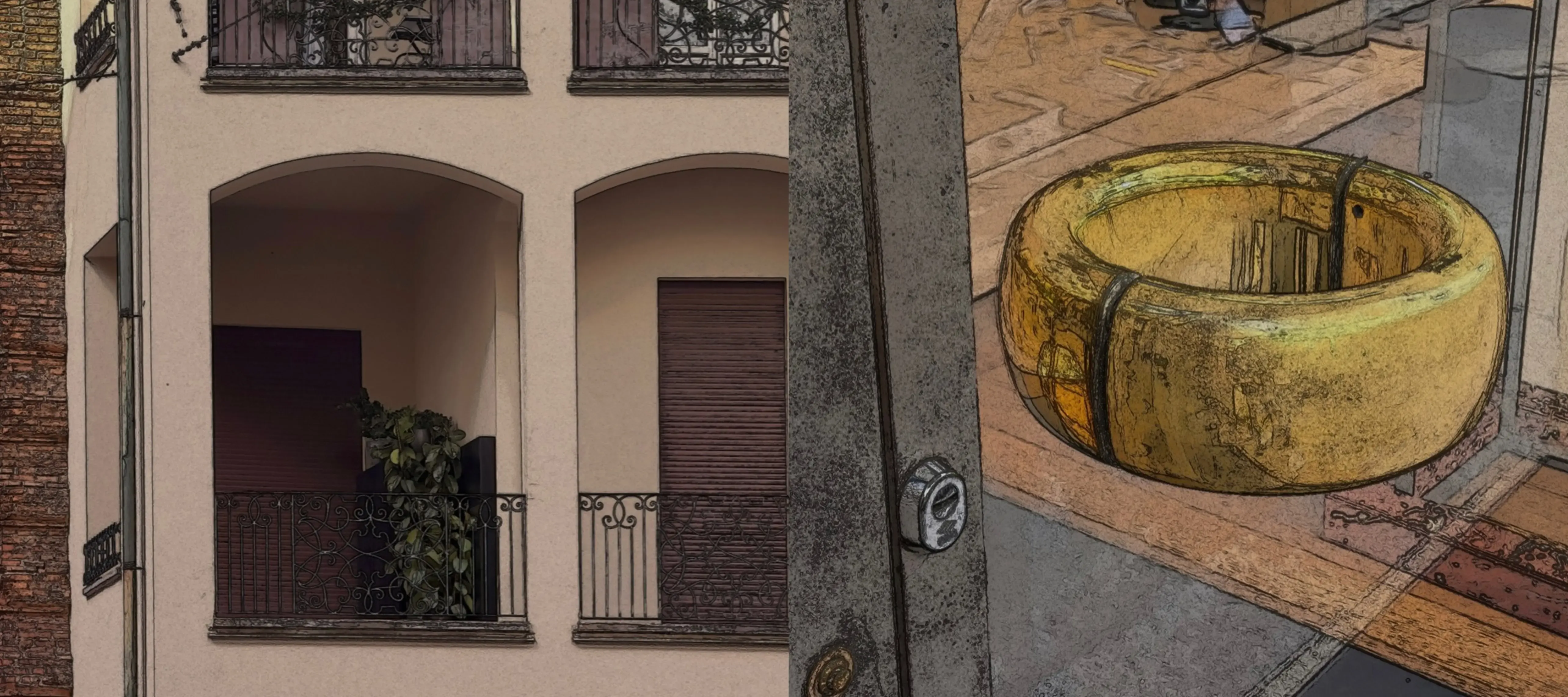
Once a direction takes shape in my mind, my attention shifts. Living in Brera has made this especially clear. A short walk for coffee or an everyday errand can mean passing historic façades, inner courtyards, weathered stone, iron balconies and repeating arches. Suddenly, things that might normally go unnoticed catch my attention.
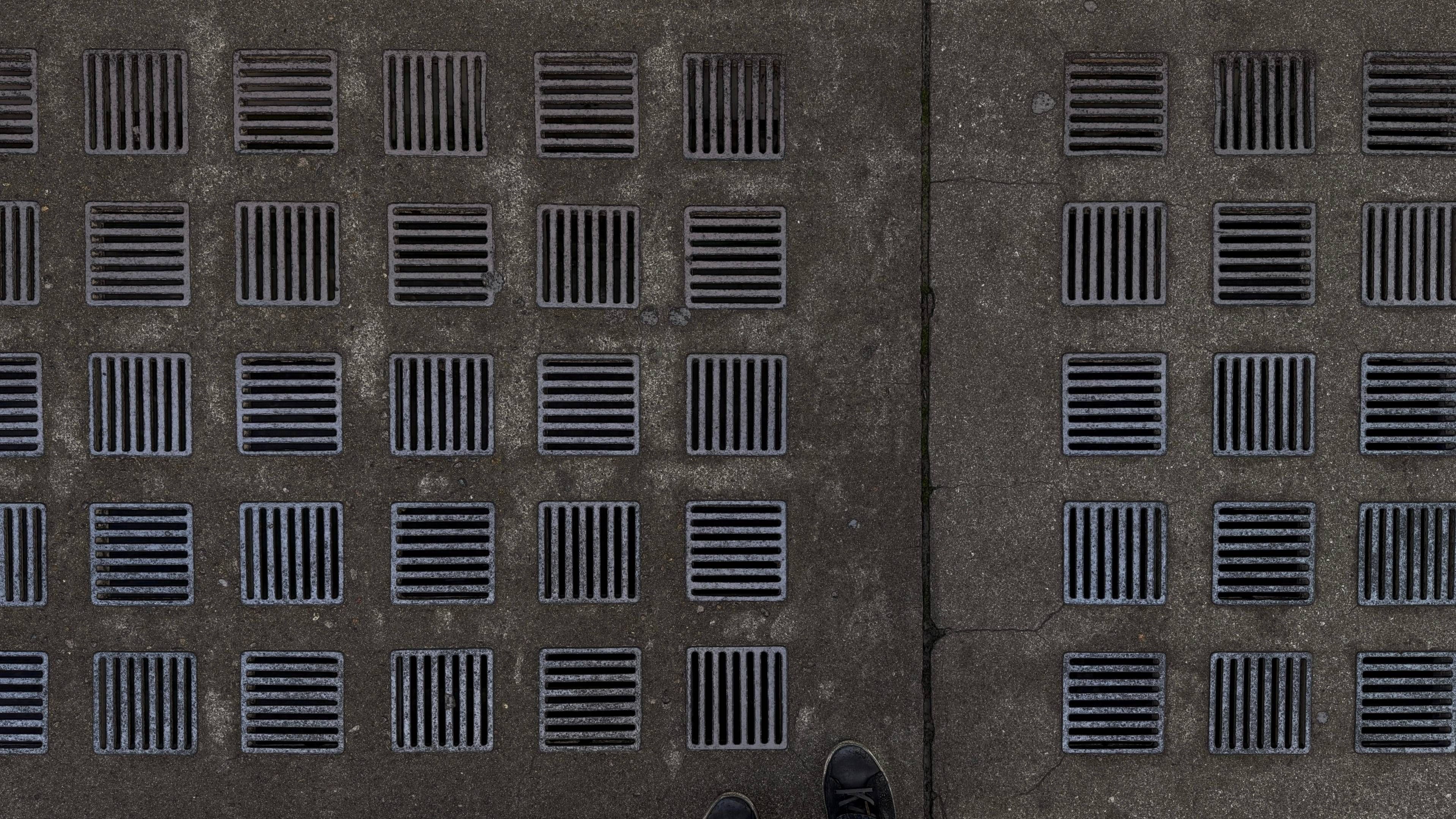
I draw inspiration from Milan’s architecture. The city’s details gradually reveal themselves: brass accents set against stone, glass interrupting the grain of wood, and shop windows choreographing their displays with their own rhythm. Learning to read that rhythm allows me to translate it into my own design language. I notice it in unexpected places too, including the gridded patterns of the pavement beneath my feet. Arches begin to suggest waves, while repetition creates a pattern. Without realising it, I’ve already planted the first seeds of a concept in the impressions I gather during an ordinary day in the city.
Shop Windows as Interior Design References
Inspiration rarely comes from a single place. Once I know what to look for, even the walk to school becomes part of the process. Since starting at Istituto Marangoni, I’ve found myself moving through central Milan—past historic buildings, squares, pavements, fashion, furniture, and materials—before I even reach the classroom.
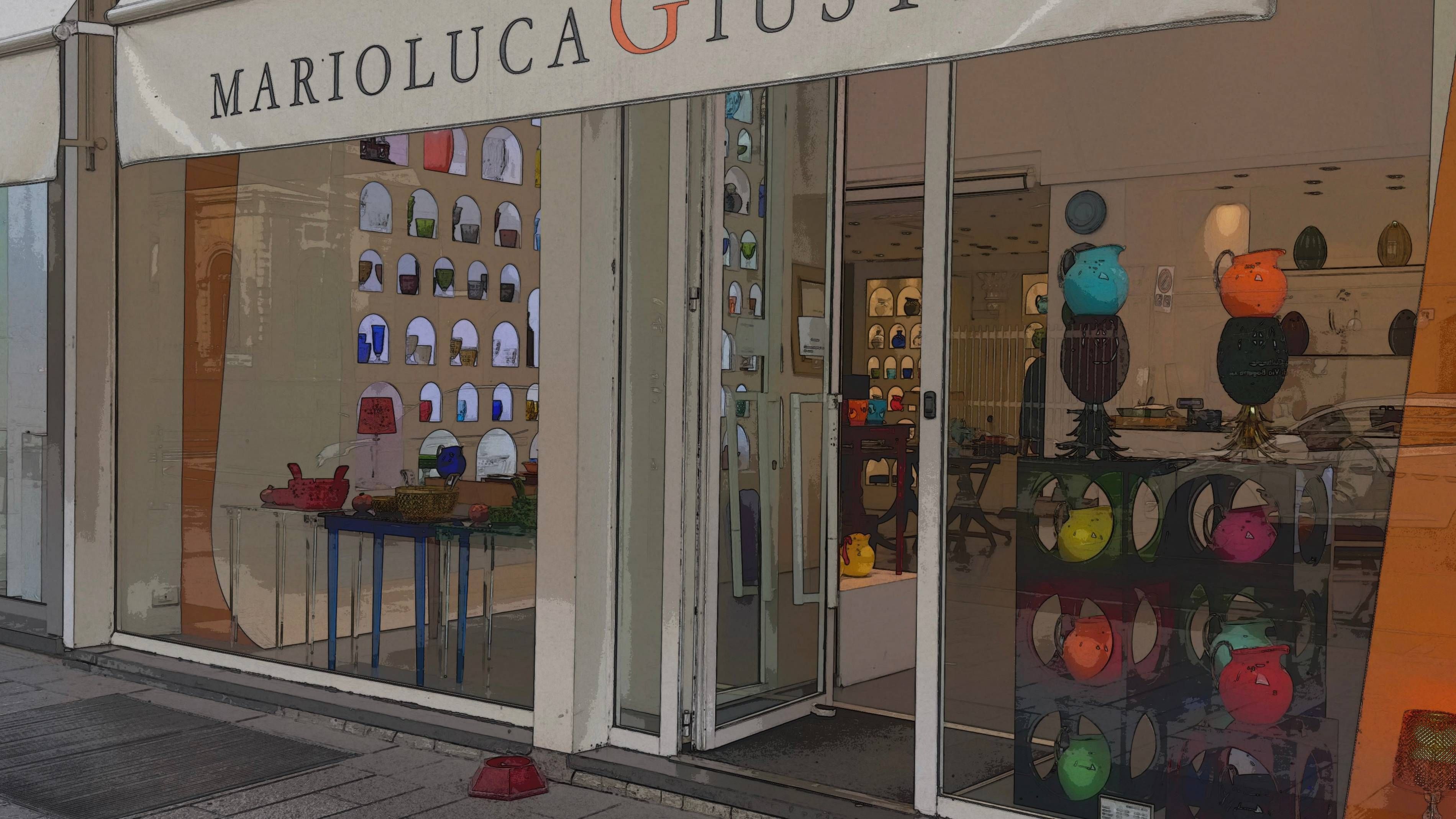
I begin collecting visuals, ideas, and forms. I have started looking at shop windows as small compositions. The palette may catch my attention first; elsewhere, it is a silhouette or the placement of a single object within the space. I notice the distance between things and how colour or material changes the whole composition.
Everyday exposure to design around Istituto Marangoni has shifted my research process from searching for a direct answer to recognising connections in the things around me.
Which References Belong in an Interior Design Concept?
Noticing something doesn’t automatically make it useful. My camera roll can quickly fill with details that seemed important in the moment: this is where the editing process begins.
Milan offers countless references, but the challenge is deciding which ones belong in my process. Some references, shades, or images stand out, while others fade into the background. Slowly, the collection develops its own character.
When Do References Start to Connect?
At this point, the selected references are no longer random, but they haven’t yet become a cohesive concept. The fascinating part is watching them interact and inform each other. A material combination from a shop interior might resonate with an architectural detail I photographed earlier. A pattern found in the street can sit beside an entirely different reference. Even if some mean little on their own, together they begin to create meaning.
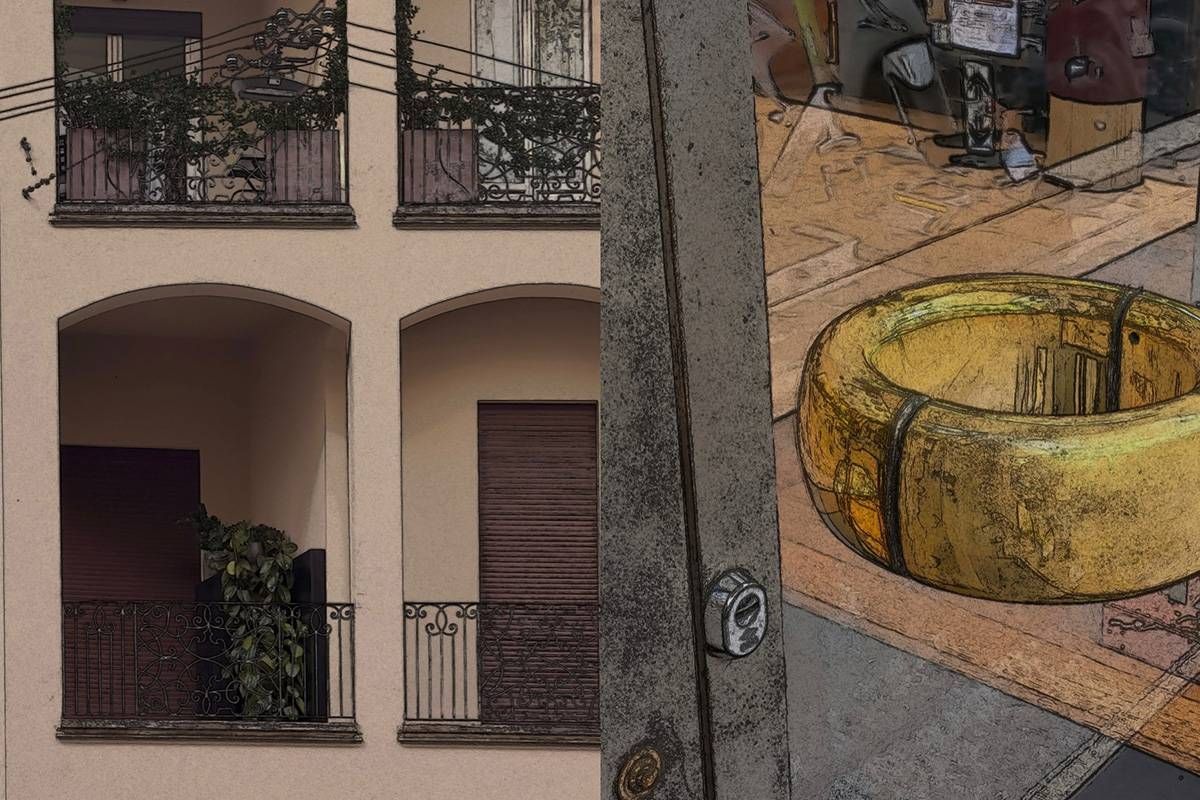
A repeated arch might connect to an object I photographed on a different day. Looking at them together, I notice that it is not only the curve that links them but also how both forms are defined by the space they surround. I hadn’t intended for these images to relate; the connection revealed itself only later, when I looked back and realised that both use a solid edge to frame the emptiness within.
How Do Design References Become Design Decisions?
Eventually, the references stop being mere collections and start to inform real design decisions. I return to them with a different eye. A line in a façade, the junction of two surfaces, or a shape I photographed earlier might prompt an experiment in a plan or a sketch. My goal isn’t to copy the reference, but to explore the relationship I noticed and see how it evolves in my own design.
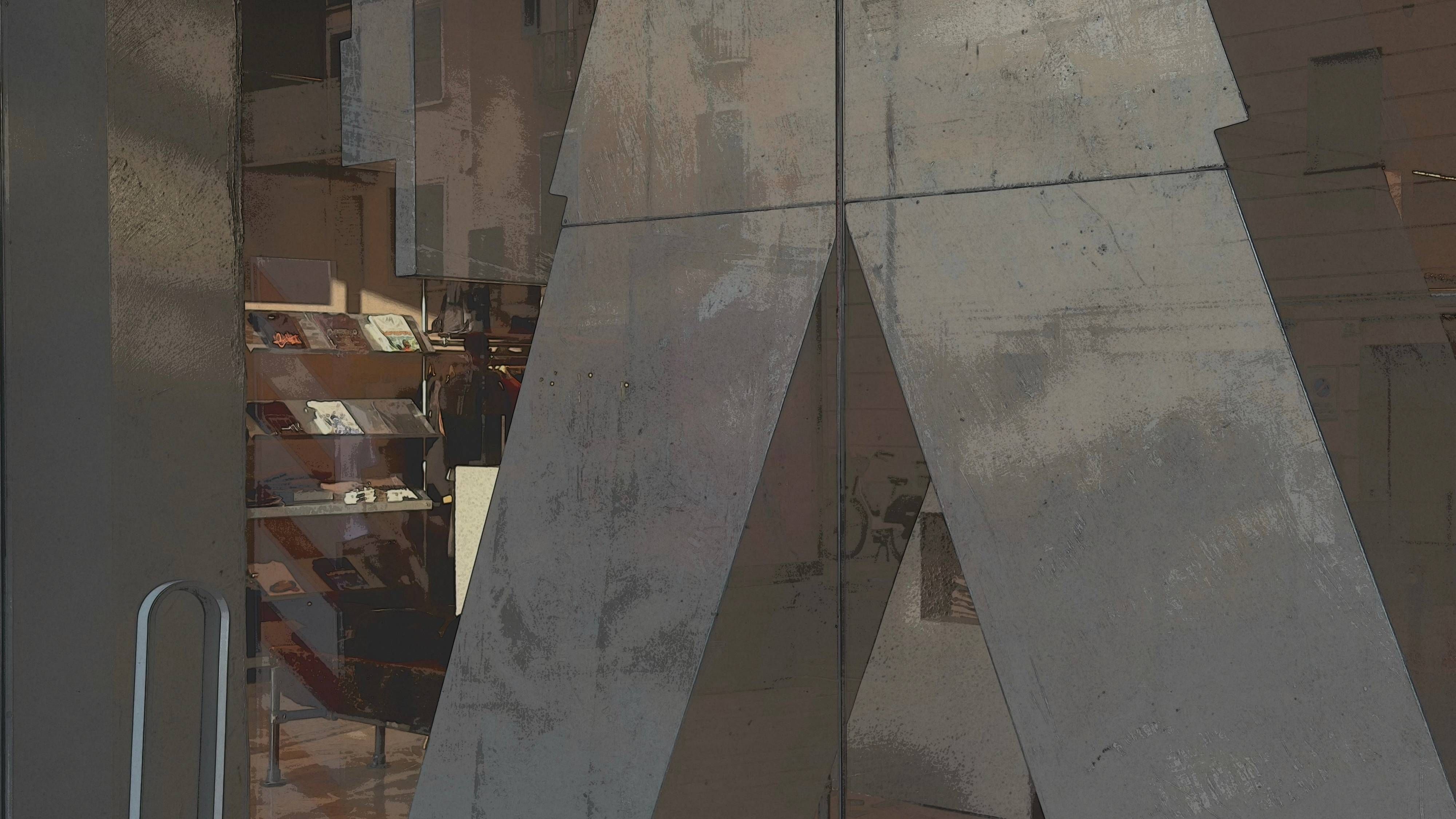
At this stage, I test the curves and layouts that have emerged from my sketches. Some ideas disappear, while others gain strength.
Certain relationships become more solid than others. What made sense on a mood board now has to hold its ground in three-dimensional space. The area’s interior and intended purpose also start to guide the concept. Although I already had certain materials and design intentions in mind, they begin to shape one another as the concept develops. This direction gives the process an axis to follow. The idea isn’t complete, but it begins to reveal the path ahead.
When Is an Interior Design Concept Ready to Be Named?
At some point, scattered references, keywords, and relationships become clear enough to express in words. I usually find it difficult to name a concept beforehand. Until then, any name sounds forced because I’m still working out what ties my gathered references to my initial ideas.
When the same ideas, materials, and forms keep recurring, a name gradually emerges. It feels less like inventing a concept and more like articulating something that has already started to make sense.
How Does an Interior Design Concept Change in a Real Space?
A concept can be resolved without being fixed. Even once I understand the concept, I rarely consider it finished: it keeps evolving as I apply it. Once I start drawing in more detail or working through a model, I often realise that something I imagined one way must adapt to fit the actual space. As drawing, modelling, material choices, scale, and technical constraints come into play, certain decisions may need to shift. The concept remains the guiding idea while still allowing the project to respond to reality.
I don’t see rethinking aspects of the idea as abandoning the concept. Instead, it often helps me understand more clearly what is essential to retain. Once these elements come together, the process becomes cumulative: what came before gradually shapes what comes after.
Sıla Naz Orkut
Student of the Master of Interior Design, Milano








 EMERGING DESIGNER What makes Pineapples Don’t Have Sleeves the Colombian fashion brand to Know? Meet Johanna Nodier 30/09/2026

 EMERGING DESIGNER Meet the 10 emerging fashion designers bringing innovation to Milano Fashion Week 01/10/2025 EMERGING DESIGNER Fashion Graduate Italia 2026: Why should the industry listen to emerging designers? 04/11/2026