
10 Emerging designers at Istituto Marangoni Milano: What do clothes say about identity?
DYSFLEXION at Palazzo Turati: a review of Istituto Marangoni Milano’s 2026 graduate fashion show, where ten designers explore identity through memory, materials and form
For emerging designers, a collection is where a point of view becomes public and private research takes on material form. At DYSFLEXION, ten designers selected from more than 200 third-year Fashion Design & Accessories students brought their work to the runway at Istituto Marangoni Milano’s 2026 graduate fashion show. Identity emerged in pleats, worn surfaces, geometric forms, music, and hand-finished details. Memory, perception, and personal vision recurred throughout the event, with each proposal finding its own register. Angelo Ruggeri, Journalist and Tutor for Styling, Business and Design Courses and Master’s Programmes in Milan, reviewed the show, closely examining the ideas behind each collection. The review builds on an earlier preview of DYSFLEXION, which introduced the mirrors, lighting, and an AI-assisted soundtrack.
On 21 September, at Palazzo Turati—the new home of Istituto Marangoni Milano—DYSFLEXION showcased the ten selected third-year Fashion Design & Accessories students on the runway. The show’s most compelling statement came through the clothes: reflection and deflection became tools to transform silhouette, texture, and gesture.
The selection began with more than 200 third-year students, narrowed down to 30 finalists, and ended with ten designers chosen by a jury including Marco Rambaldi, Galib Gassanoff, Satoshi Kuwata, Gregory de la Hogue Moran, and Youwie Roes. The jury evaluated research, methodology, critical thinking, product quality, and the ability to develop a distinctive personal vision. The final group represented ten designers testing how a point of view can become a garment.
What Makes a Graduate Fashion Show Stand Out?
A graduate fashion show earns its place in the spotlight when ideas are expressed through the garments themselves, without a written statement to spell it out. This quality is what attracts the press, buyers, and fashion houses eager to discover the next generation of design talent.
DYSFLEXION gave each emerging designer a different answer. The strongest collections allowed concepts to emerge through construction, material, and movement. Identity appeared in the fold of a pleat, the texture of a worn surface, or the tension between a rigid silhouette and an unsettled detail.
What Is Fashion Design Research and How Does It Become a Garment?
For these designers to watch in Milan, research is not a footnote to their clothes. It enters their making process through cinema, photography, found objects, the body, and construction logic.
Pleating and Garment Construction—Alessandro Bonasi’s What’s Hidden Behind a Pleat
Alessandro Bonasi’s What’s Hidden Behind a Pleat uses twisting as a technical device. Hidden functions subtly reshape the silhouette from within, while draping and asymmetry move traditionally feminine codes toward a genderless wardrobe.
The collection asks the viewer to look beyond a garment’s surface. Its pleasure lies in the reveal: each fold withholds information, then discloses it.
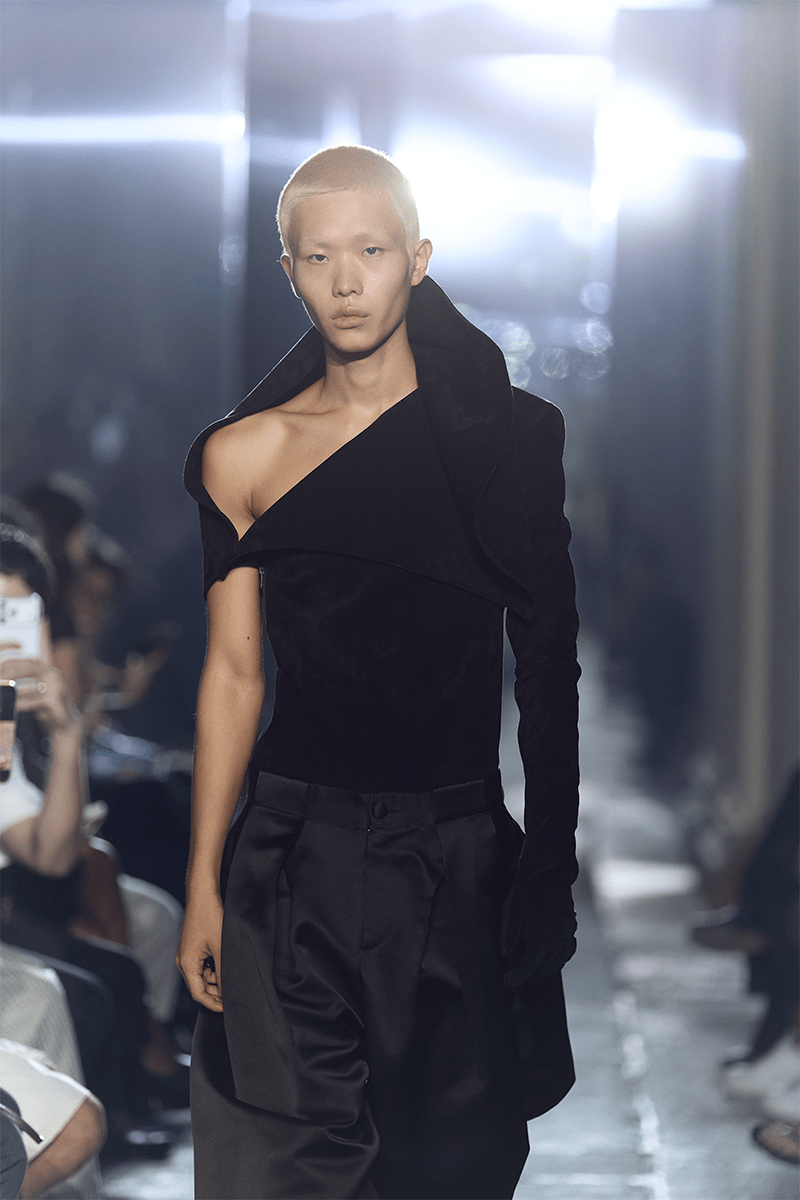
Alessandro Bonasi - What’s Hidden Behind a Pleat. Courtesy of Istituto Marangoni
1960s Italian Cinema and Fashion—Alice Altea Molteni’s mªtto
Alice Altea Molteni takes a different route with mªtto, an homage to elegance liberated from judgement. 1960s Italian cinema and Pino Pascali inform the collection, while irony, hand-finished details, pixel-like elements turned into beads and flashes of pink keep the mood playful.
Its point is clear: uniqueness needs no defence.
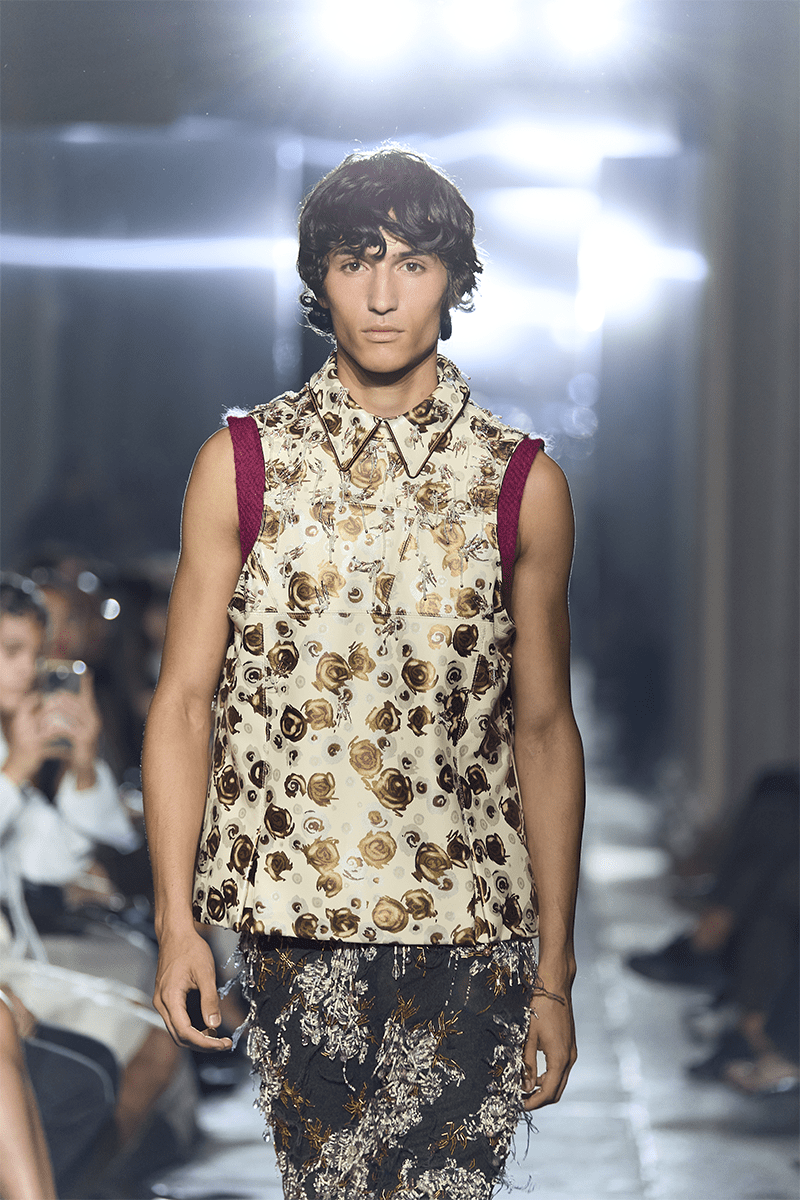
Alice Altea Molteni - mªtto. Courtesy of Istituto Marangoni
Strength and Fragility in Fashion—Antonio Rotolo’s Prima che la materia ceda
Antonio Rotolo’s Prima che la materia ceda inhabits the charged moment when opposites meet. Drawing on the energy of fusion and inspired by Gary Winogrand’s photography, the collection places the female figure between strength and fragility, control and spontaneity.
The tension lends each look a sense of movement. Nothing remains static for long.
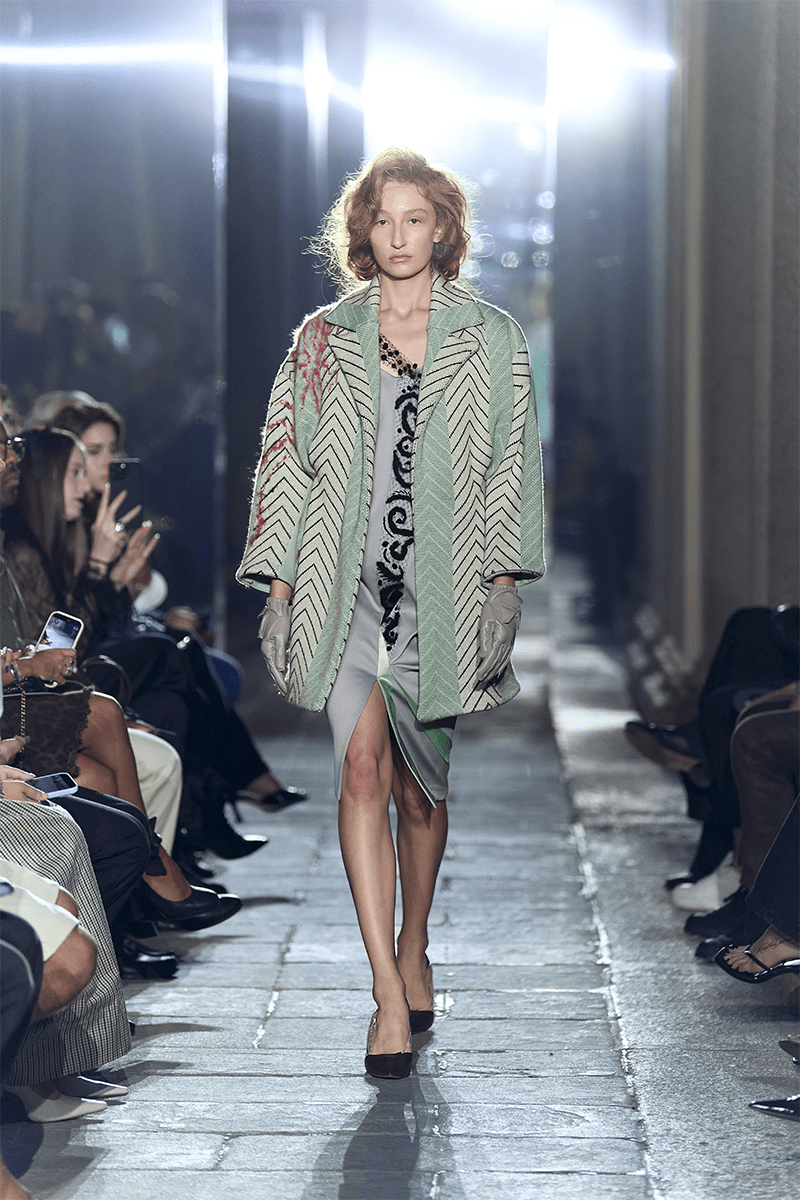

Antonio Rotolo - Prima che la materia ceda. Courtesy of Istituto Marangoni
Deconstruction in Fashion Design—Sara Madella’s Fare e Disfare
Sara Madella’s Fare e Disfare treats fashion as an ongoing process. Ready-made and deconstructivist ideas, along with the work of the Castiglioni brothers, lead the collection toward cuts, folds, and reassembled everyday objects.
Each garment becomes a record of its own construction—something that can be made and unmade without losing its charge.
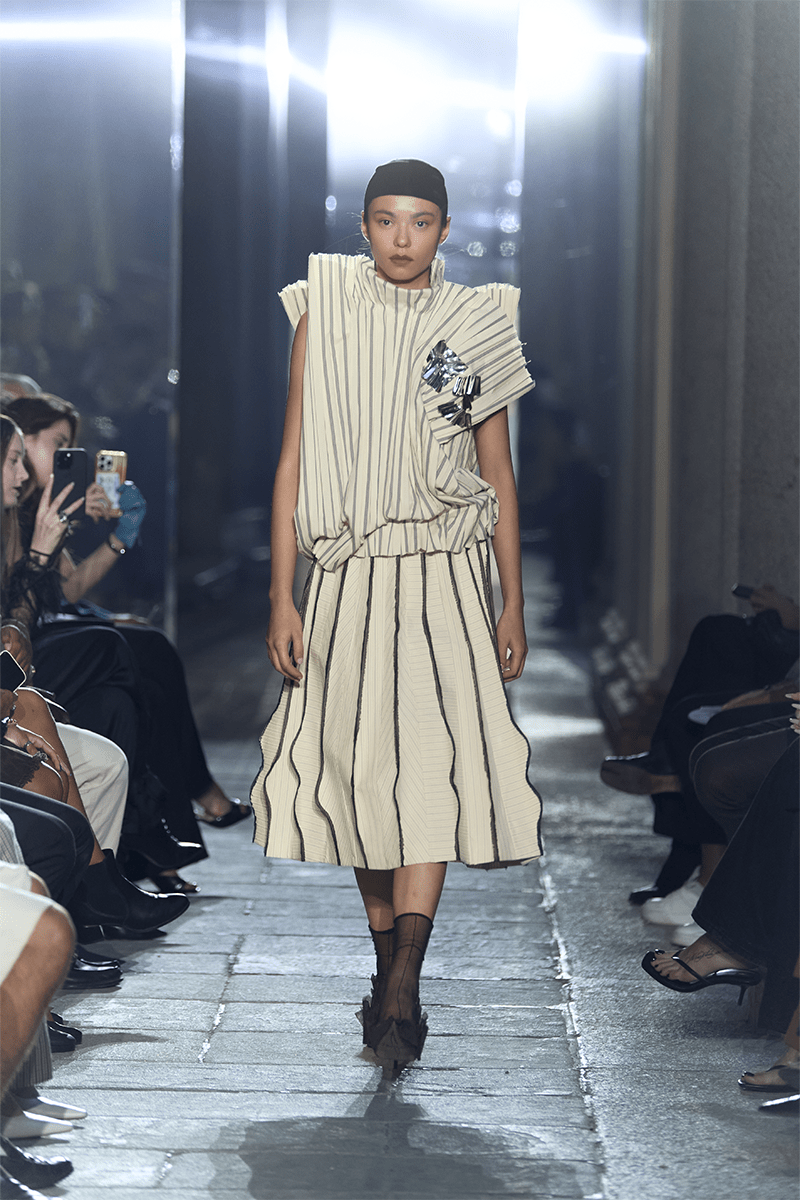
Sara Madella - Fare e Disfare. Courtesy of Istituto Marangoni
How Can Clothes Hold Memory and Personal Experience?
Some of the most intimate ideas arrive through texture and time. Transformation is felt in the aftermath, in waiting, and in the everyday details that linger with us.
Fashion After Trauma—Benedetta Battaglia’s Nature’s Half Life
Benedetta Battaglia’s Nature’s Half Life explores transformation in more challenging territory. Borrowing the idea of half-life, it asks what comes after trauma, when change becomes unavoidable.
Organic volumes and hand-worked techniques elevate imperfection, mutation, and memory into aesthetic values. Damage is visible, but it is not the final subject: the collection reshapes it into something new.
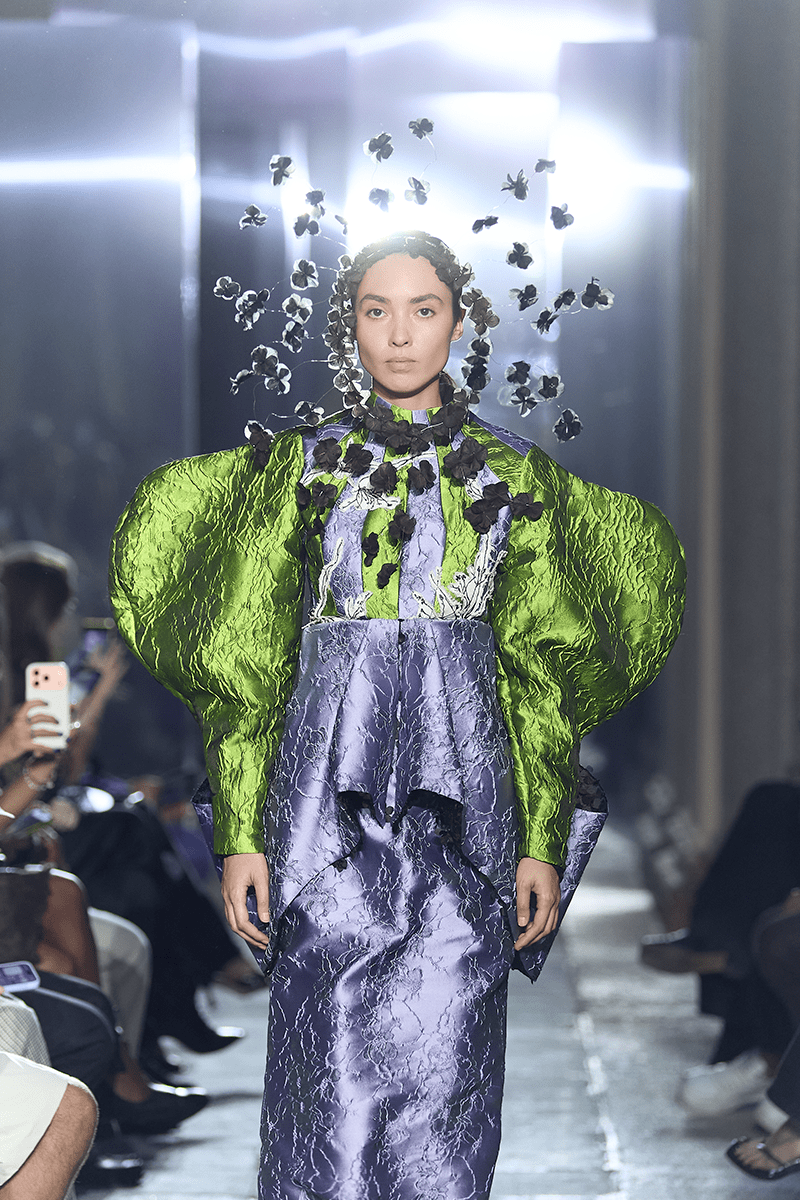
Benedetta Battaglia - Nature’s Half Life. Courtesy of Istituto Marangoni
Clothes, Waiting and Memory—Giulia Travaglini’s Ancora cinque minuti
Giulia Travaglini’s Ancora cinque minuti is built around suspension, anticipation, and ordinary moments one wishes could last a little longer. Worn surfaces sit beside fluid, tactile materials, evoking an intimate sensory experience.
Its beauty exists in the space between a moment happening and a memory taking shape
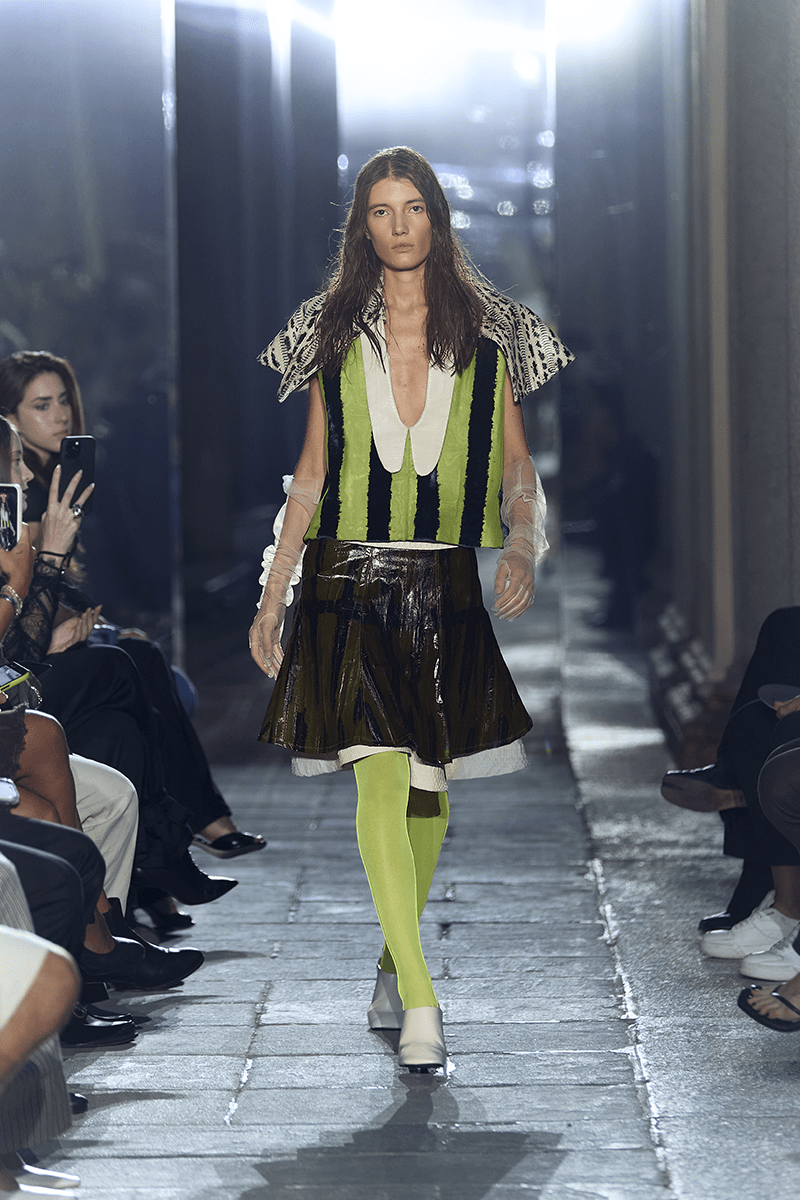
Giulia Travaglini - Ancora cinque minuti. Courtesy of Istituto Marangoni
Fashion and Identity: How Do Clothes Express the Self?
Two proposals turn inward, treating dress as a meeting place between the individual and the world around them.
A Meeting with the Self—Gongyi Guo’s L’Appuntamento
Gongyi Guo’s L’Appuntamento turns inward, considering the encounter with the self and the opposites that coexist within a person. Architecture and gesture, rigour and instinct share the same space.
The garments channel that inner tension into balance without smoothing it away.
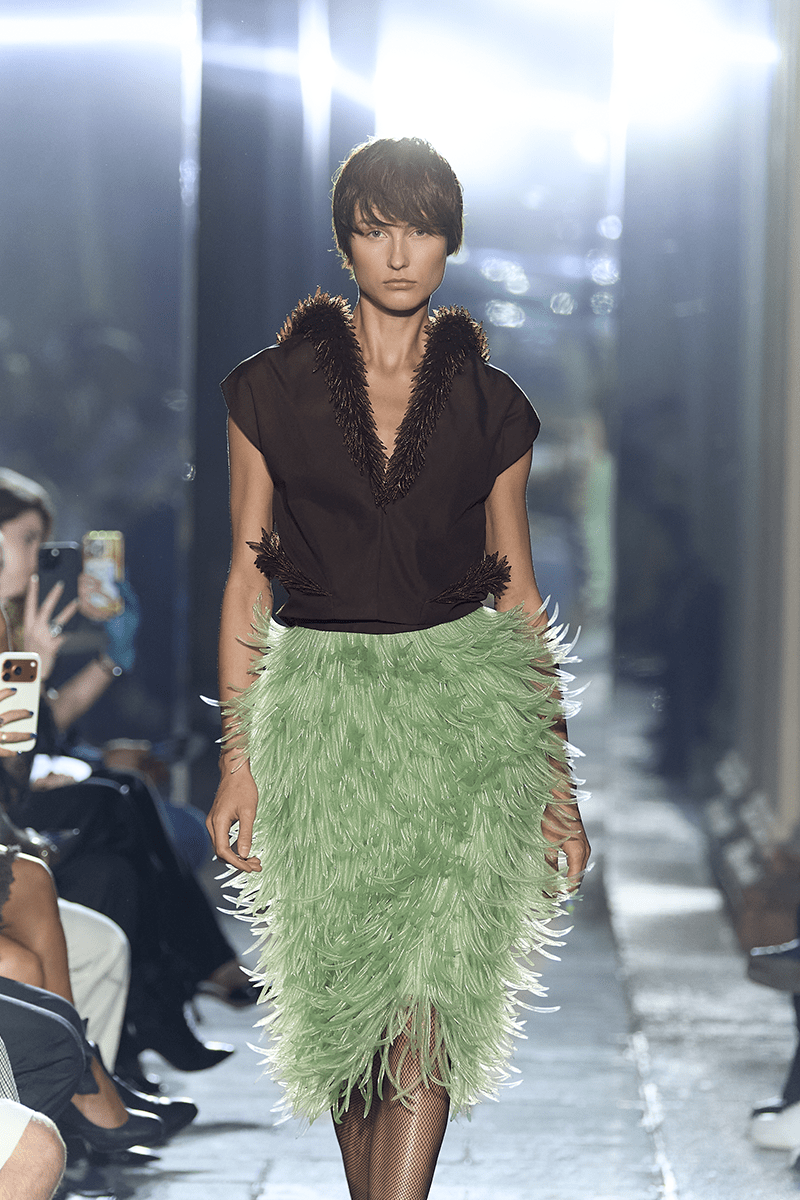
Gongyi Guo - L’Appuntamento. Courtesy of Istituto Marangoni
Domesticity and Freedom in Fashion—Matilde Gonella’s I Gesti Che Non Abiti
With I Gesti Che Non Abiti, Matilde Gonella examines the friction between domestic perfection and inner freedom. Inspired by Miles Aldridge’s photographic imagination, the collection features rigorous silhouettes and disruptive details that shift how the garments are read.
Colour and imagination become tools of emancipation.
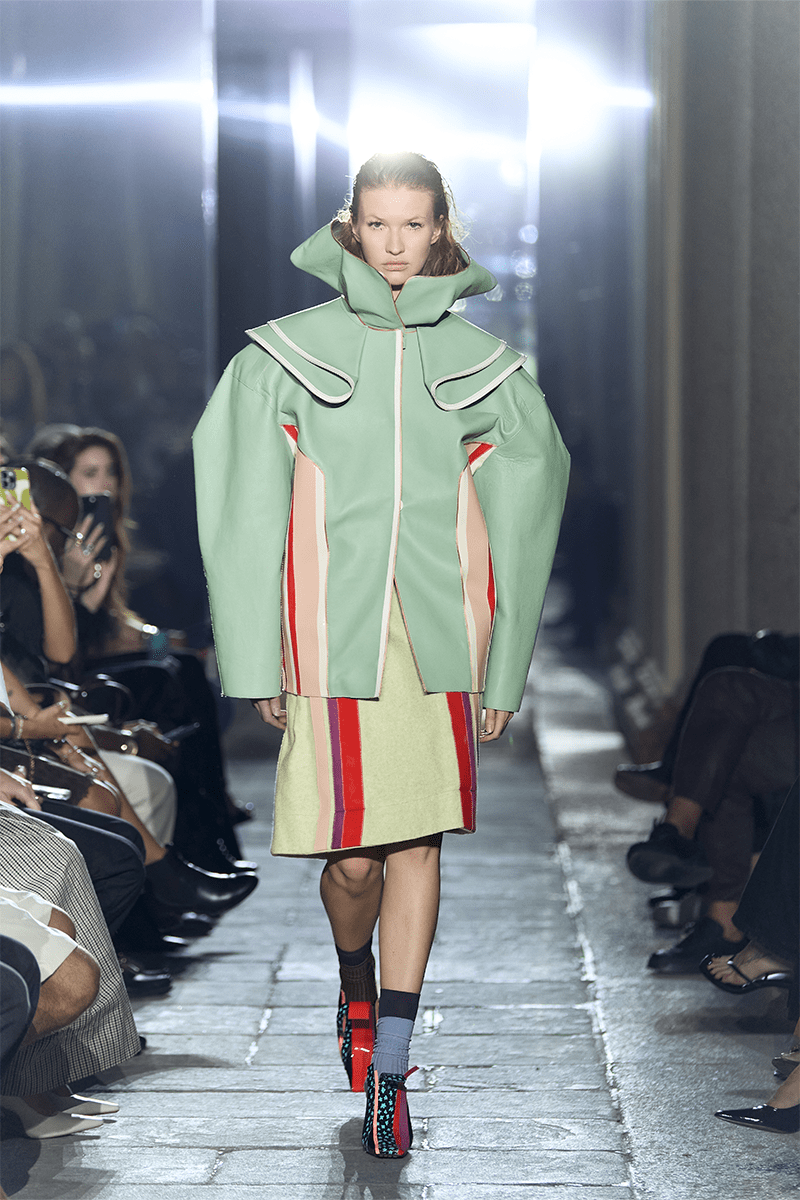
Matilde Gonella - I Gesti Che Non Abiti. Istituto Marangoni
How Can Music Become Fashion?
With Esonia, sound becomes a design principle. Rhythm and emotional charge translate into silhouette, texture, and movement.
Sound, Rhythm and Clothing—Sofiia Jessome’s Esonia
Sofiia Jessome’s Esonia translates music into a visual register, moving fluidly between chaos and harmony.
Nostalgia and perception enter the composition as if the clothes were giving physical form to an inner soundtrack.
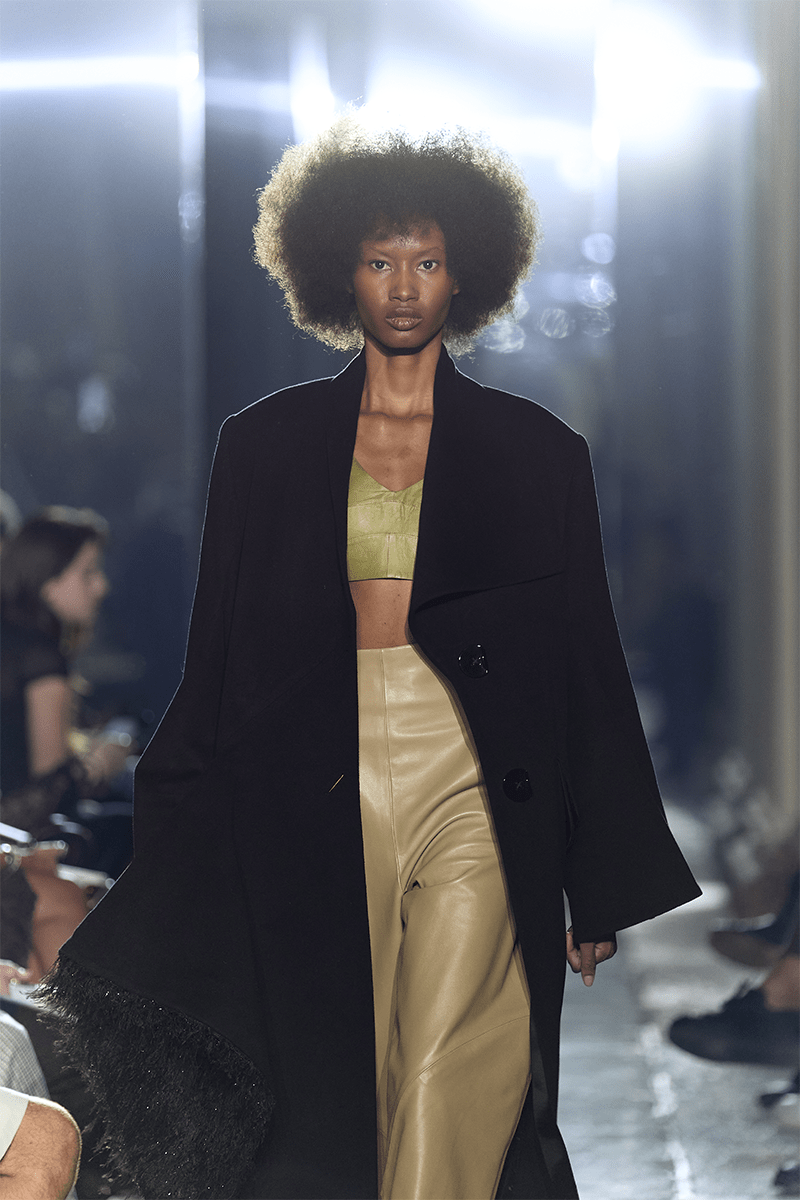
Sofiia Jessome - Esonia. Courtesy of Istituto Marangoni
What Is Surrealist Fashion?
Surrealist fashion can suspend the familiar without abandoning structure. In Ziming Quan’s proposal, precision gives the dream its shape.
1960s Futurism and Surrealist Fashion—Ziming Quan’s Le Paradis Surréaliste
Ziming Quan’s Le Paradis Surréaliste builds a dream world from 1960s futurism, origami techniques and surrealist references. Geometric forms, animal motifs, and a black-and-white palette suspend the collection between discipline and fantasy.
Its precision keeps the dream from dissolving.
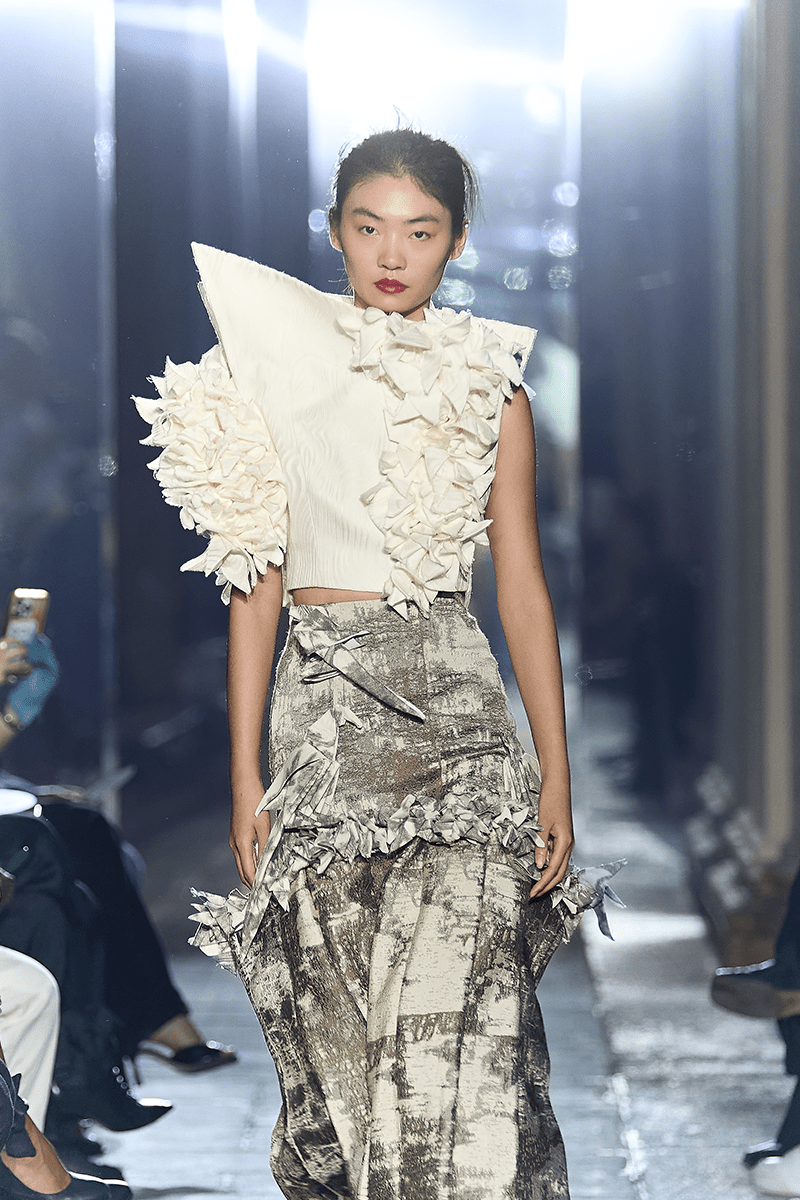
Ziming Quan - Le Paradis Surréaliste. Courtesy of Istituto Marangoni
How Can Clothes Hold Contradictory Ideas?
Taken together, the ten collections read as a conversation about change, not a single school aesthetic. One emerging designer hides a function inside a pleat; another turns pixels into beads; another translates music into movement; yet another folds everyday life into a new object.
Across all ten, the garment’s identity remains open to revision. The show’s clearest idea is that clothes can hold contradiction without seeking resolution.
How Does Fashion Photography Extend a Graduate Show?
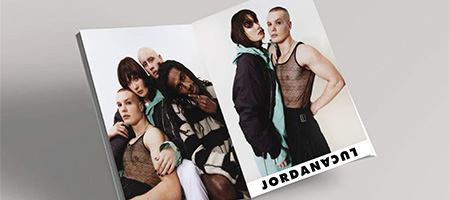
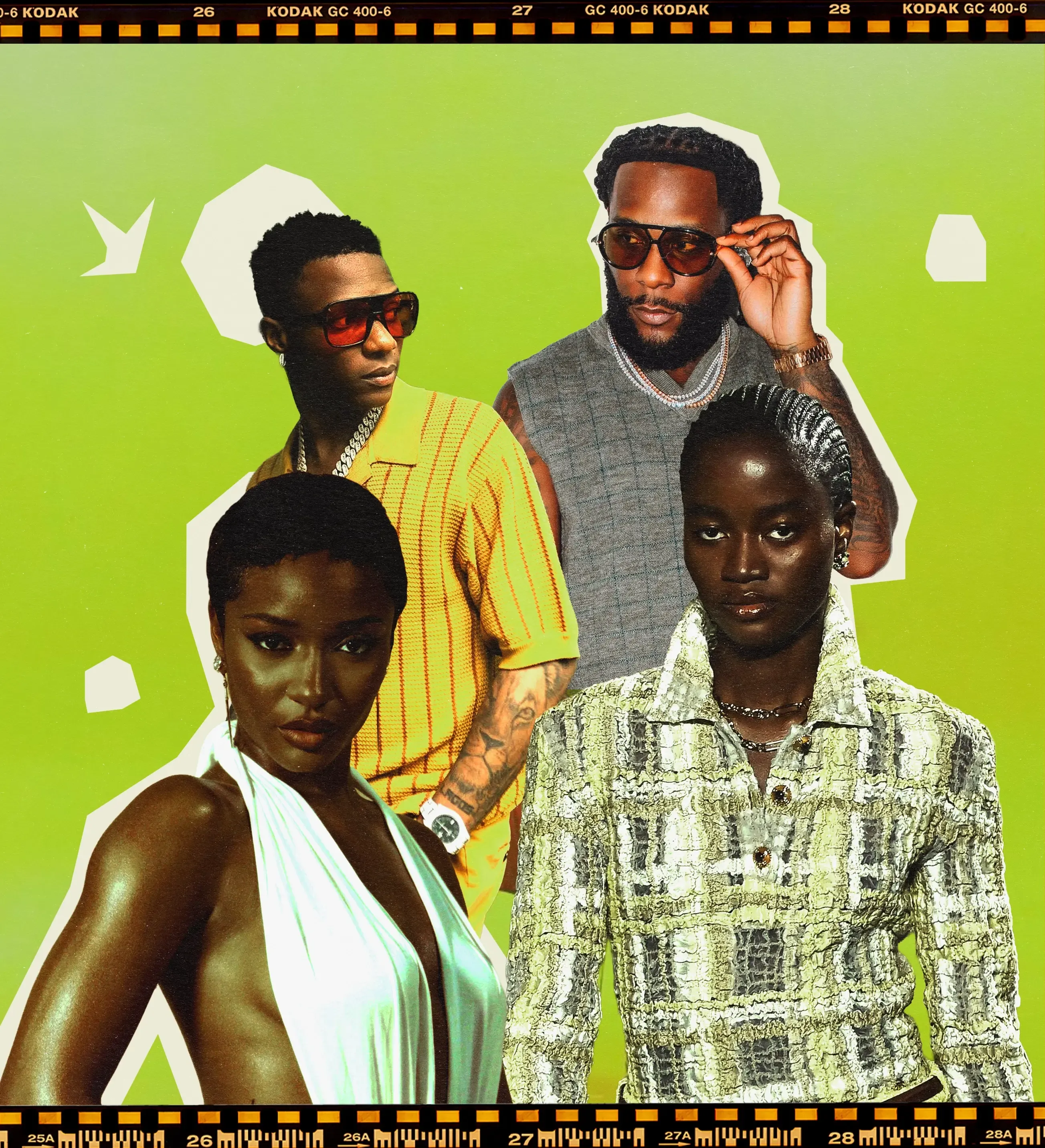
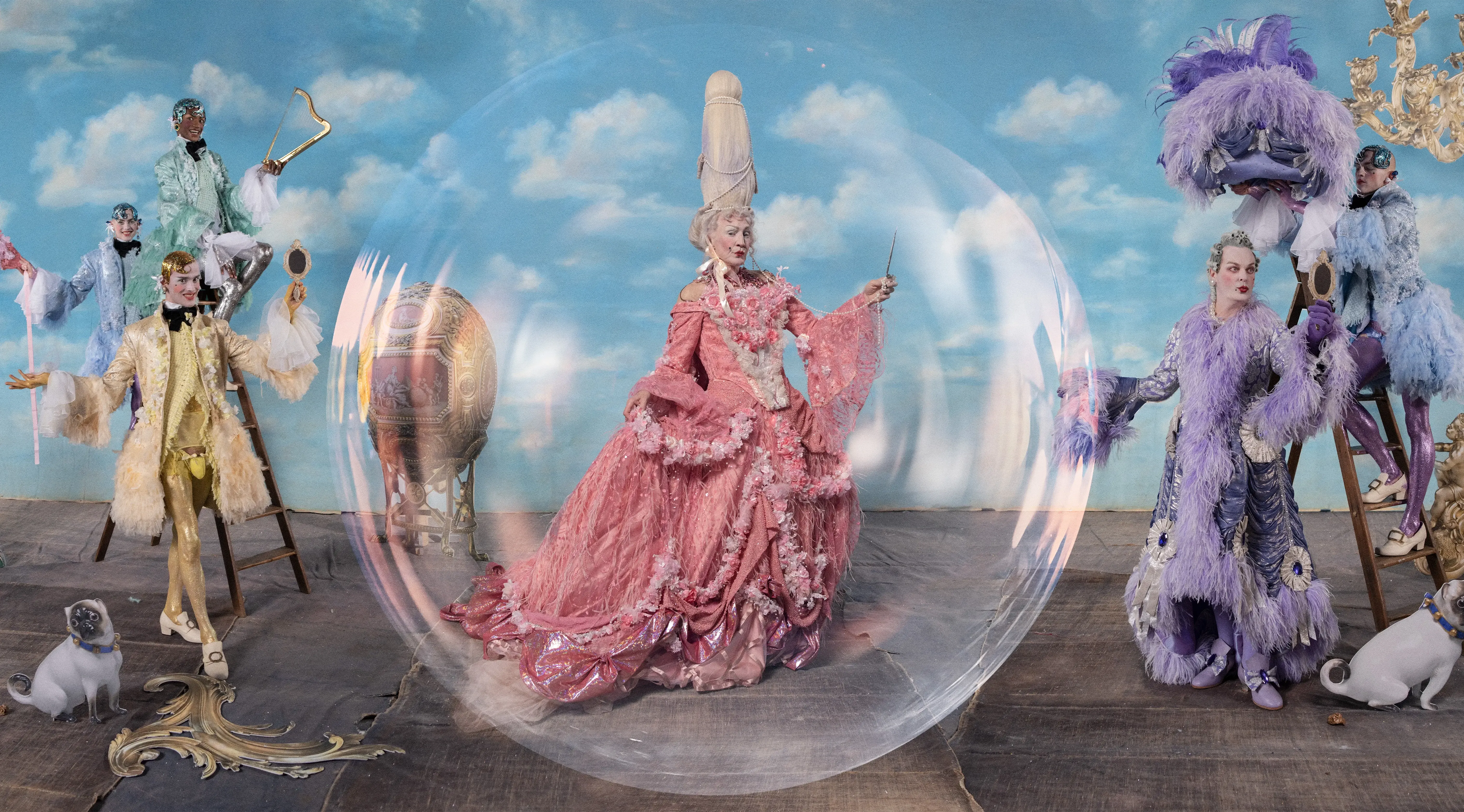
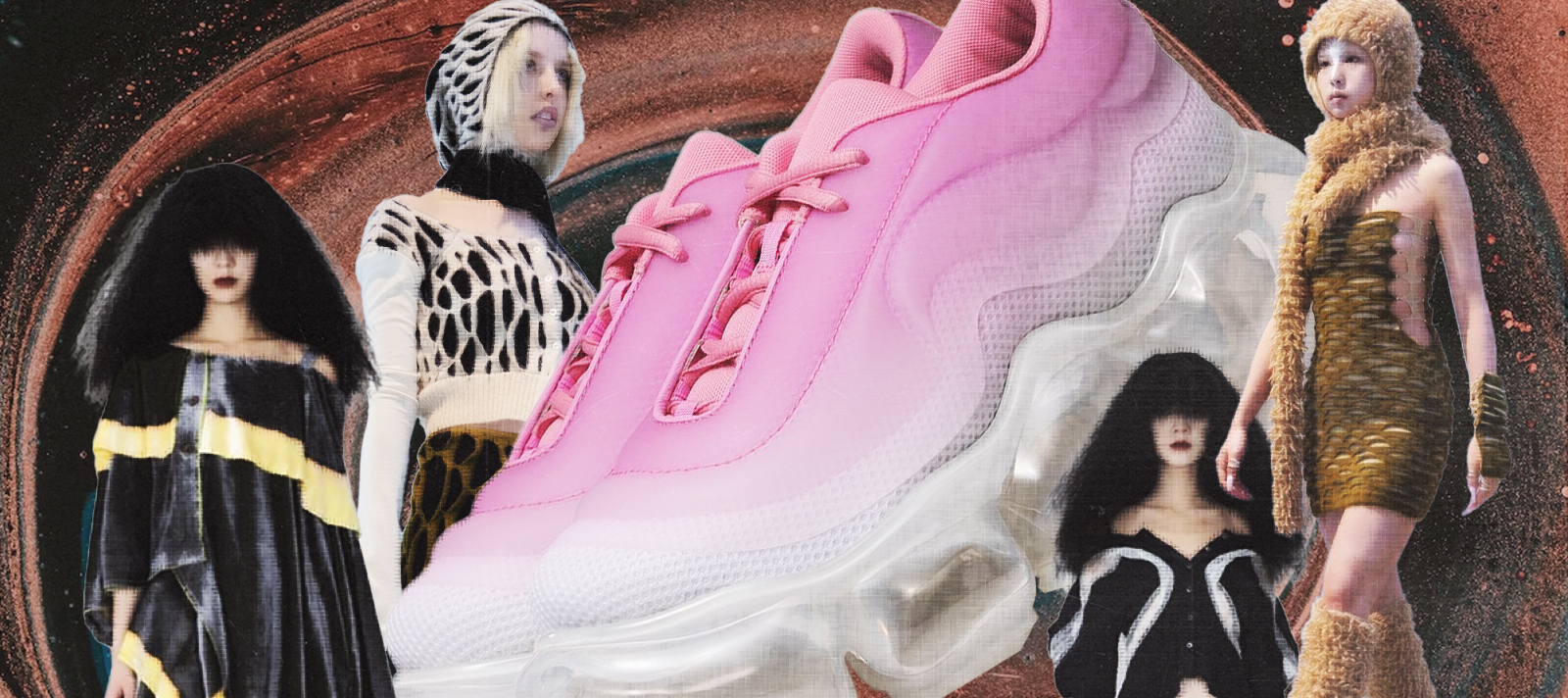
CODEX extends DYSFLEXION beyond the runway. As the project’s editorial and curatorial extension, it reinterprets the ten collections through new styling and combinations, placing separate looks in dialogue.
The photographs give the research a new setting. A collection can appear as garment, proposition, or trace; its ideas continue through the image, remaining open-ended rather than concluded by it.
Angelo Ruggeri
Journalist and Tutor for Styling, Business and Design Courses and Master’s Programmes, Milan



.jpg)
.jpg)