
Milan’s emerging designers ask what comes next for fashion: Inside DYSFLEXION
Istituto Marangoni Milano’s DYSFLEXION fashion show brings ten emerging designers to Palazzo Turati with mirrors, light, sound and AI
At DYSFLEXION, a mirror does more than reflect clothes. Tonight at 7pm, Palazzo Turati transforms into a stage for Istituto Marangoni Milano’s 2026 fashion show, where ten emerging designers explore what comes next for fashion through clothes, mirror installations, choreographed light and an AI-assisted soundtrack. Conceived by Diana Marian Murek, Director of Education at Istituto Marangoni Milano and Artistic Director of the show, DYSFLEXION treats identity as something reflected, fractured and remade. Angelo Ruggeri, journalist and tutor for Styling, Business and Design Courses and Master’s Programmes in Milan, previews the collections and asks: what can a new generation make possible for fashion?
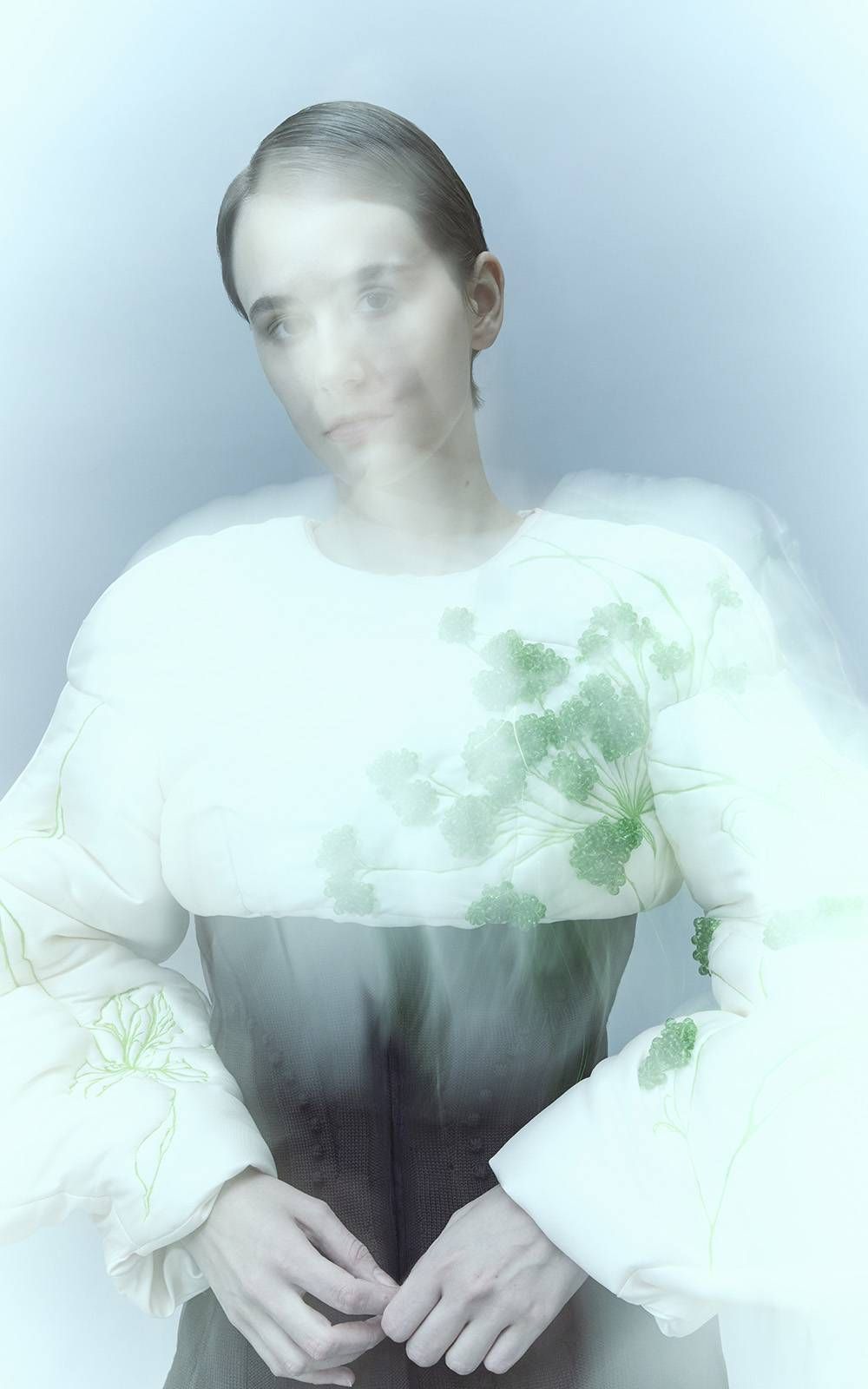
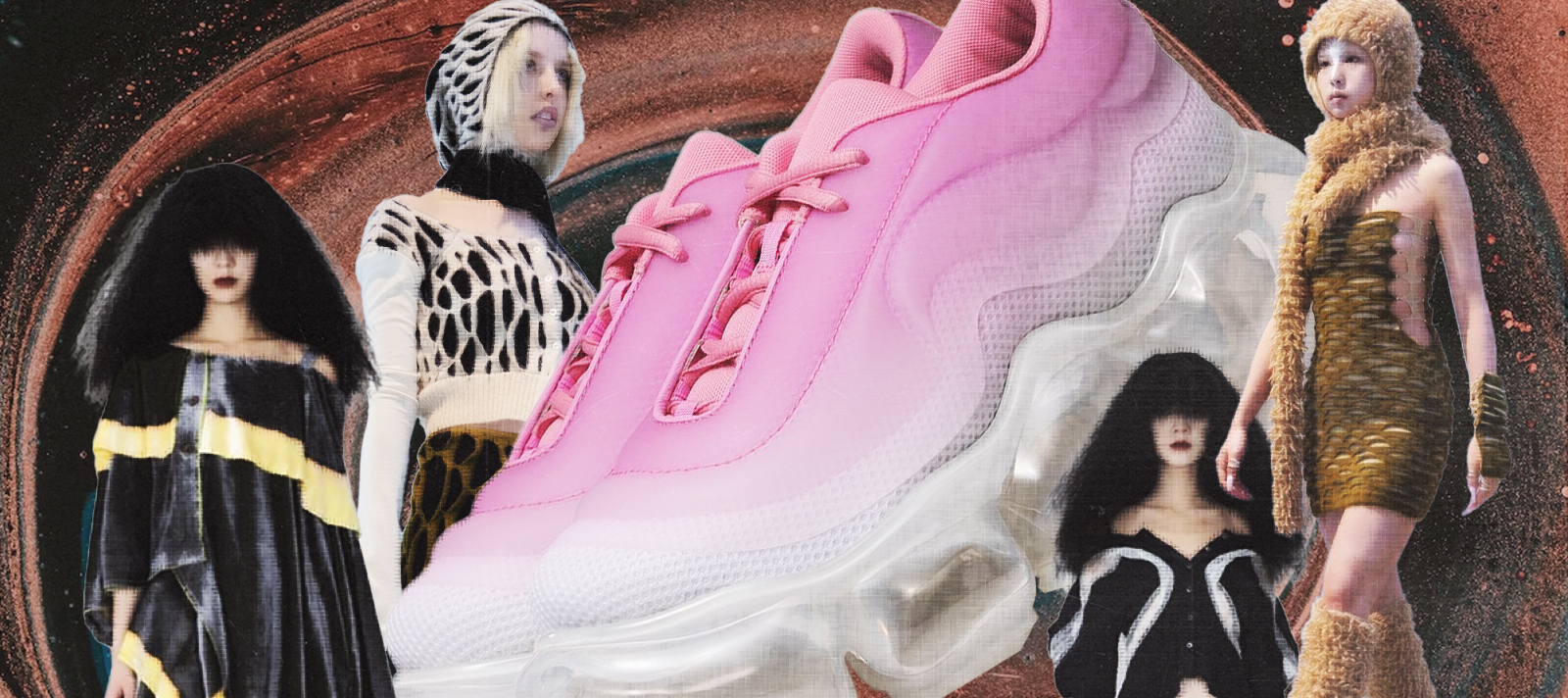
CODEX is the editorial and curatorial extension of DYSFLEXION: a photographic reinterpretation of the students’ collections, in which looks are mixed and placed in dialogue through new styling and combinations. This image brings together elements from Benedetta Battaglia’s Nature’s Half Life and Antonio Rotolo’s Prima che la materia ceda. Courtesy CODEX
Who are we becoming? DYSFLEXION leaves the question open. Istituto Marangoni Milano’s 2026 graduate fashion show approaches identity as a process altered by perception, memory, experience and time.
“DYSFLEXION is a reflection on identity as a fluid, evolving, and continually redefined process,” explains Diana Marian Murek. “Inspired by the idea of reflection, the name suggests a condition of transformation rather than a fixed state, where perception, memory, and experience constantly reshape who we are.”
How Do Emerging Designers at Istituto Marangoni Milano Use Clothes to Question Identity?
The conceptual roots of DYSFLEXION lie in contemporary thinking about identity and perception, including Maurice Merleau-Ponty’s understanding of perception as lived experience. In fashion, this becomes a field of experimentation: clothes move with the body, change under light, look different from different angles and can reveal, conceal or reinvent the person wearing them. These designers work with that instability instead of resolving it.
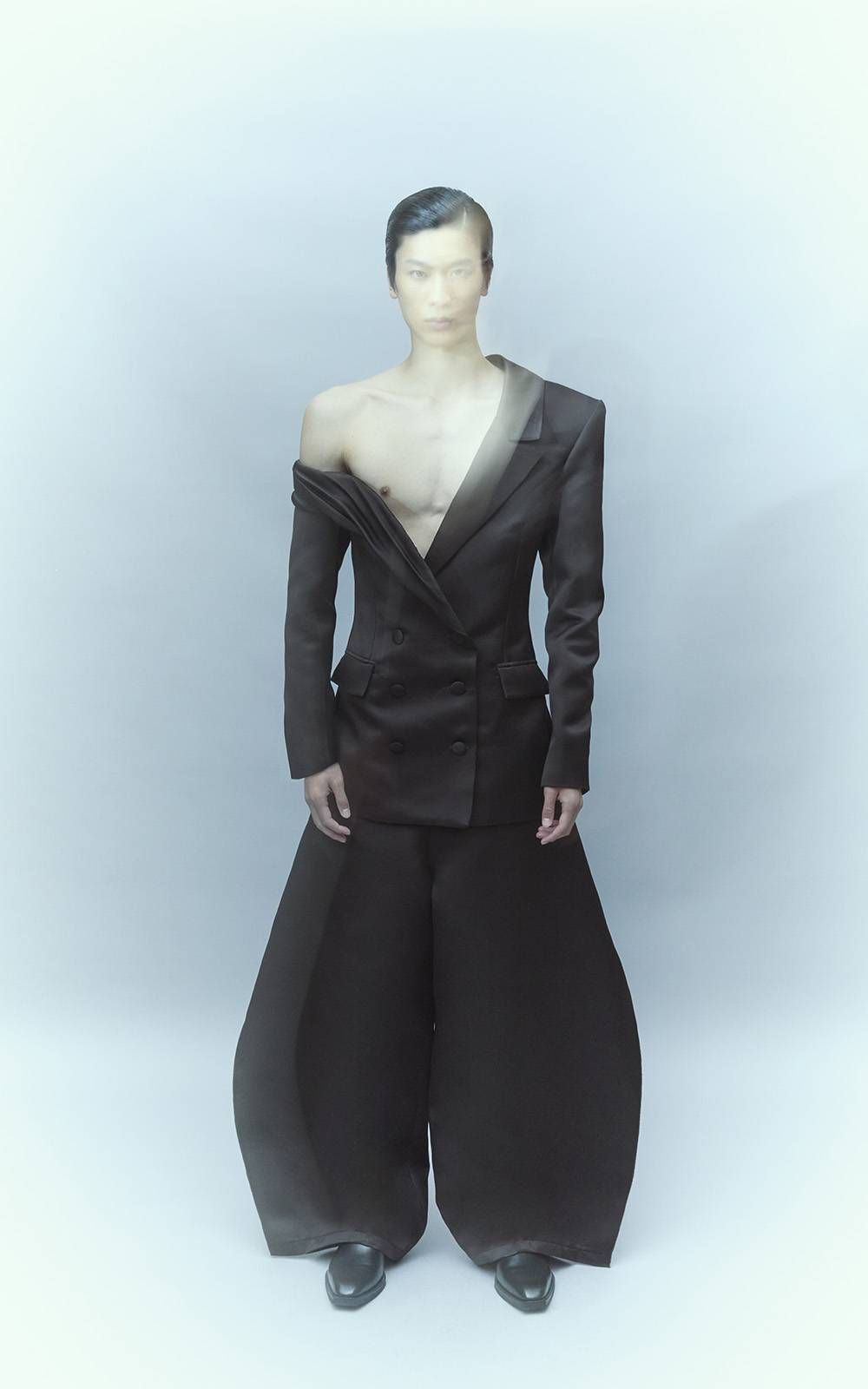
Alessandro Bonasi, What’s Hidden Behind a Pleat. Courtesy CODEX
“Rather than affirming a singular identity, DYSFLEXION embraces plurality, contradiction and becoming,” says Murek. “The collections presented by our graduating designers explore the spaces between reality and otherness, individuality and community, tension and harmony. Through research, experimentation and creative innovation, they propose fashion as a tool for imagining new possibilities.”
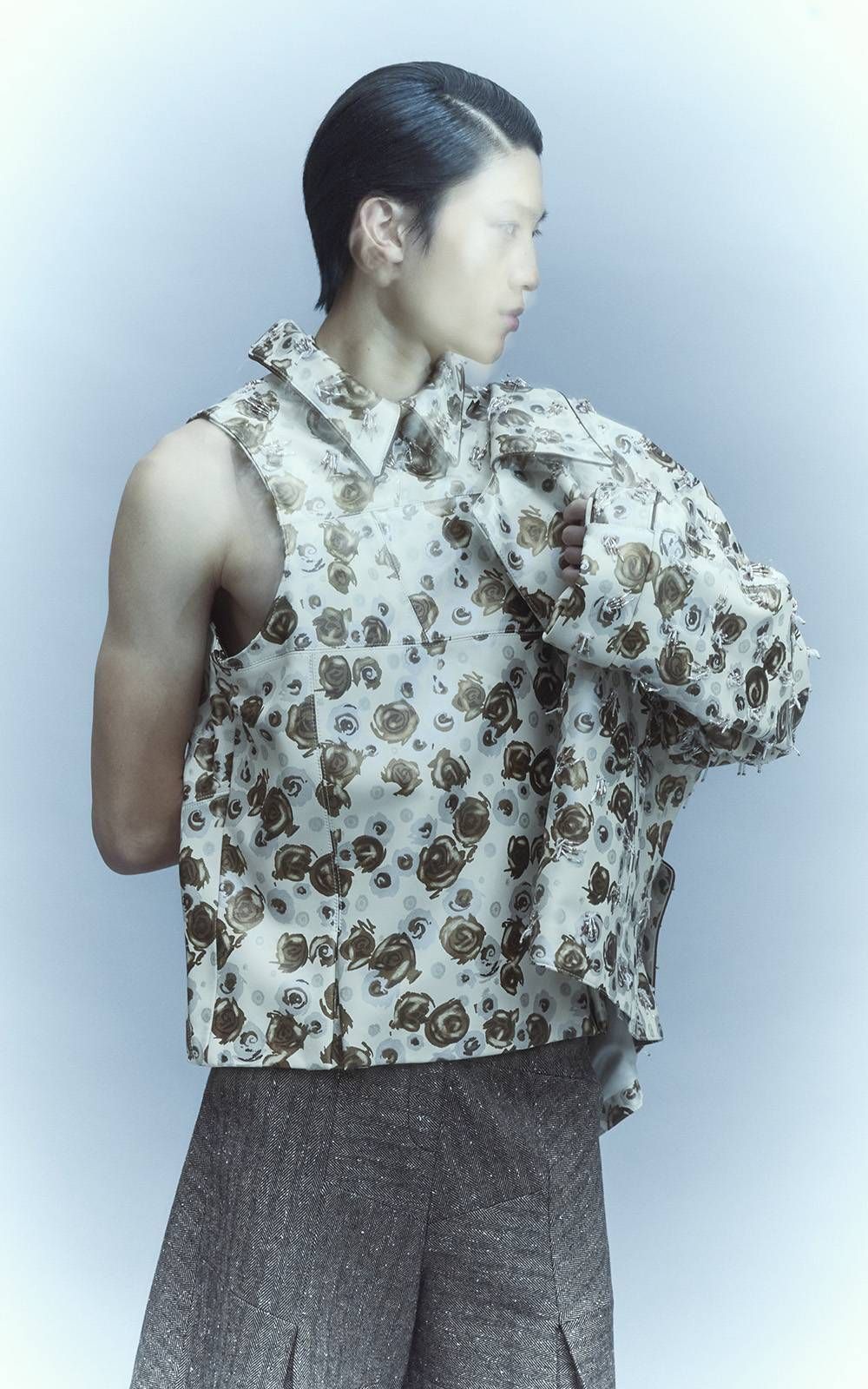
Alice Altea Molteni, mªtto. Courtesy CODEX
In this vision, fashion becomes a way to reimagine the world.
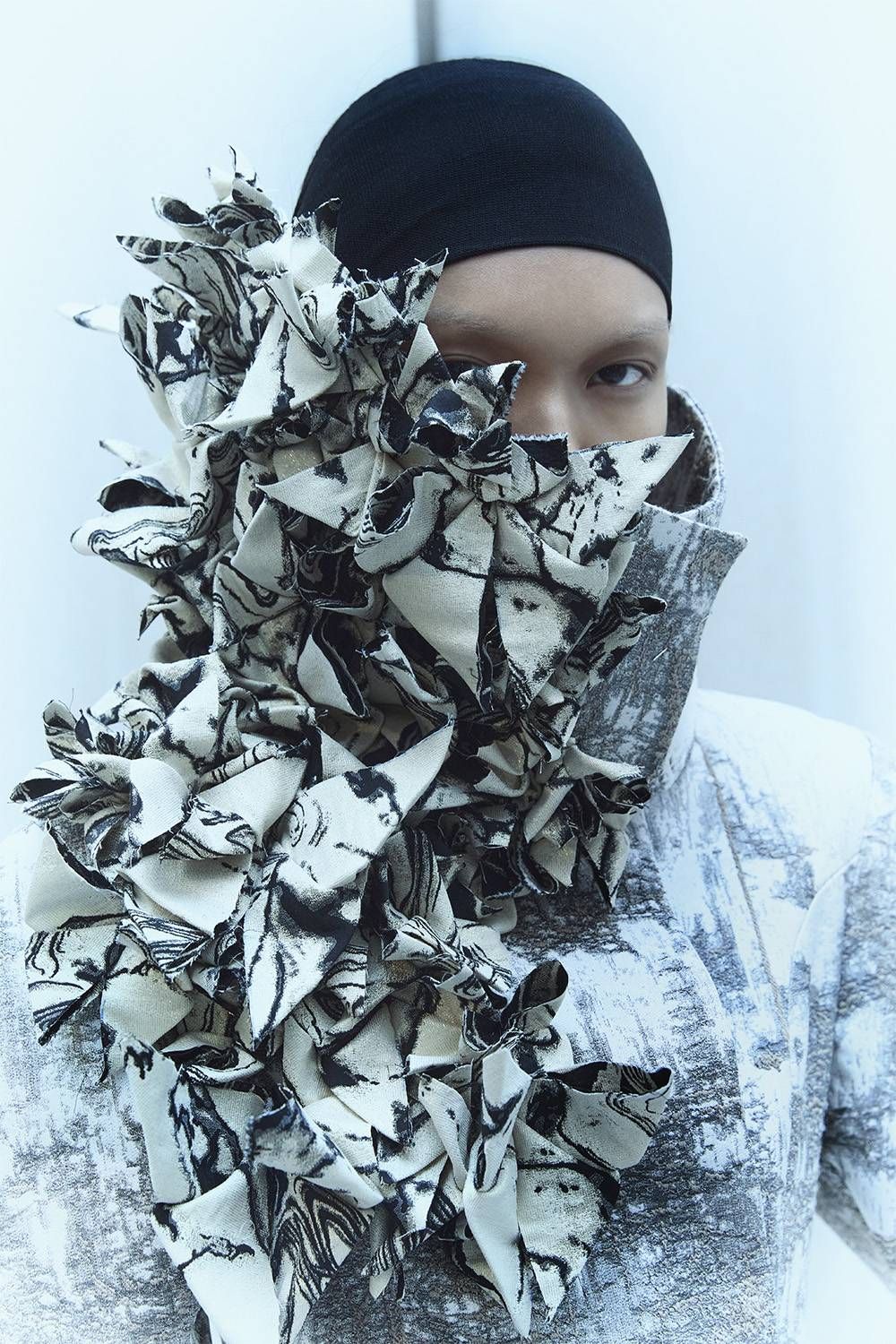
Ziming Quan, Le Paradis Surréaliste. Courtesy CODEX
Fashion Show Set Design at Palazzo Turati: Mirrors, Light and DYSFLEXION
The setting plays a central role. At Palazzo Turati, DYSFLEXION brings heritage and contemporary creativity together, making the building itself part of the show.
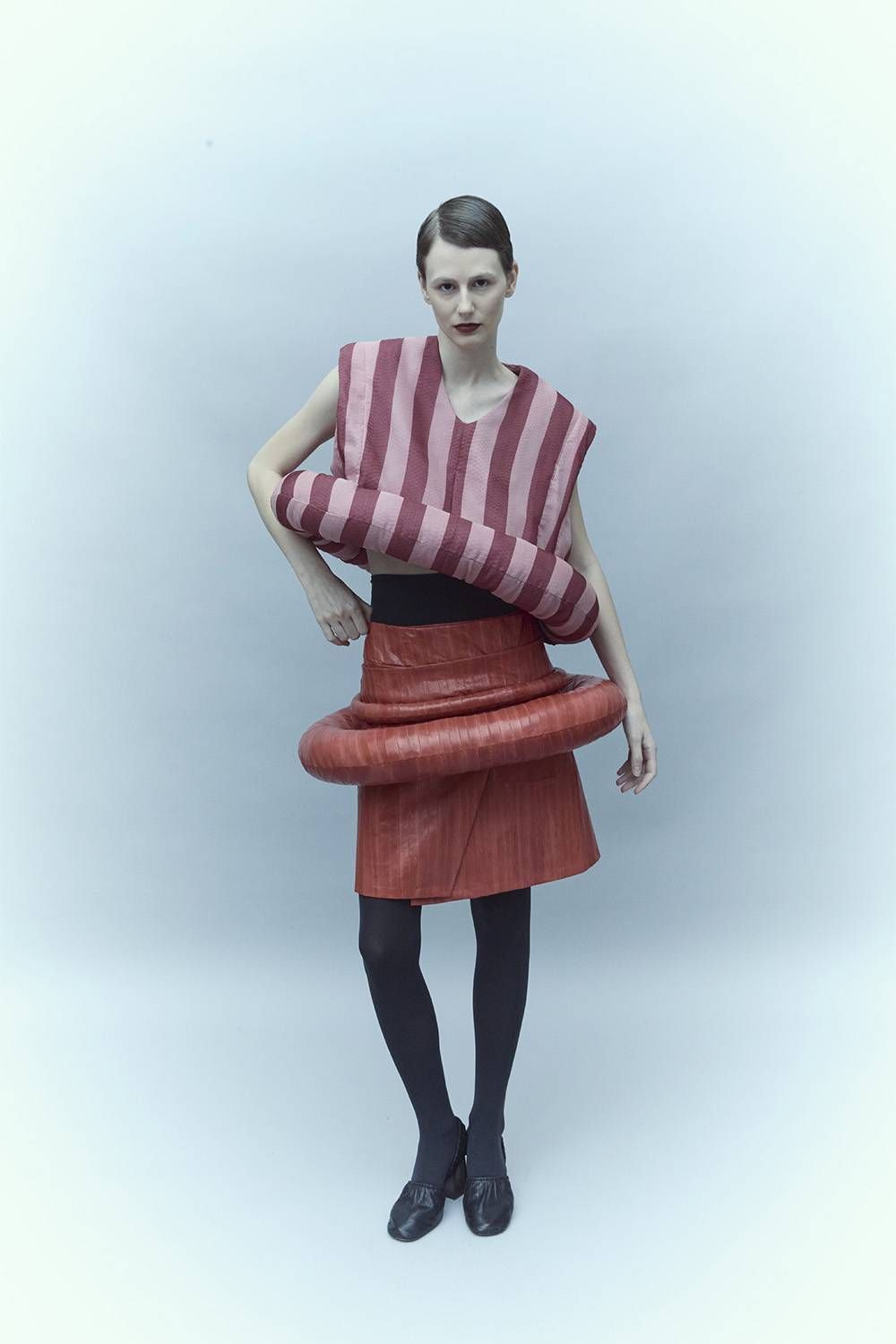
Giulia Travaglini, Ancora cinque minuti. Courtesy CODEX
The set design gives physical form to the show’s focus on reflection and shifting perception, using site-specific mirror installations, carefully choreographed lighting, and visual interventions.
The mirrors multiply and fragment the space, changing how the audience perceives the garments—and themselves. A silhouette may appear completely different in reflection; a body can become an abstract shape; a single image can suddenly become many.

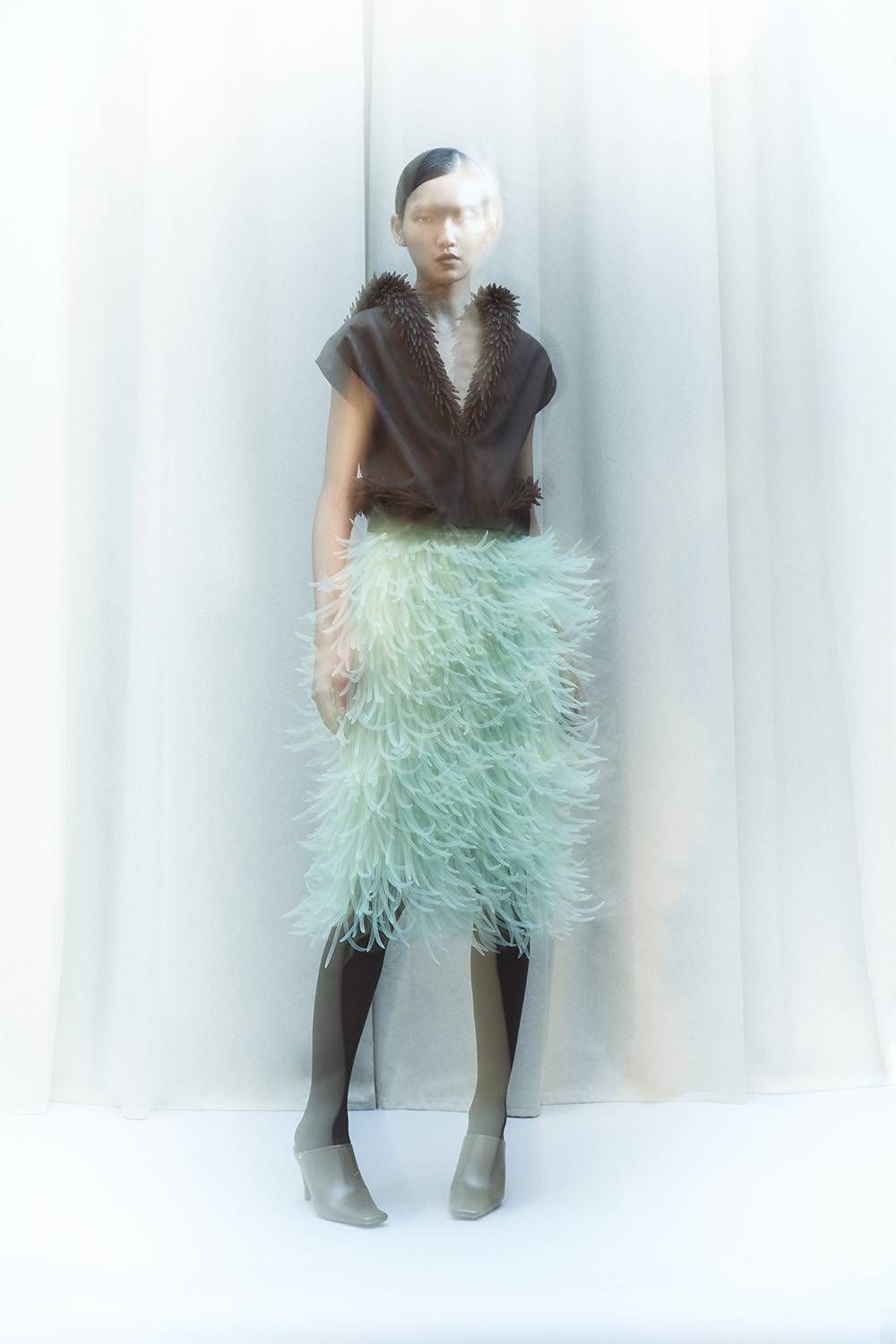
Gongyi Guo, L’Appuntamento. Courtesy CODEX
“During the fashion show, we want the audience to experience a sense of openness and transformation,” Diana Marian Murek says. “Above all, the show celebrates curiosity, freedom of expression, diversity of perspectives, and the courage to embrace change. It is an invitation to see identity not as something we possess, but as something we continuously create.”
AI in Fashion Show Soundtracks: How DYSFLEXION Uses Sound
DYSFLEXION’s emotional world extends beyond the visual. Its soundtrack has been conceived exclusively for the show by sound designer Emiliano Zelada, who has collaborated with Istituto Marangoni Milano on several fashion shows.
Drawing on the atmospheric tension of 1990s alternative music, the score combines grunge references, electronic textures, distorted guitar riffs, dramatic strings, melancholic synthesisers, and emotionally charged vocals. The result is deliberately raw, cinematic and slightly unstable: a sonic counterpart to the show’s exploration of identity.
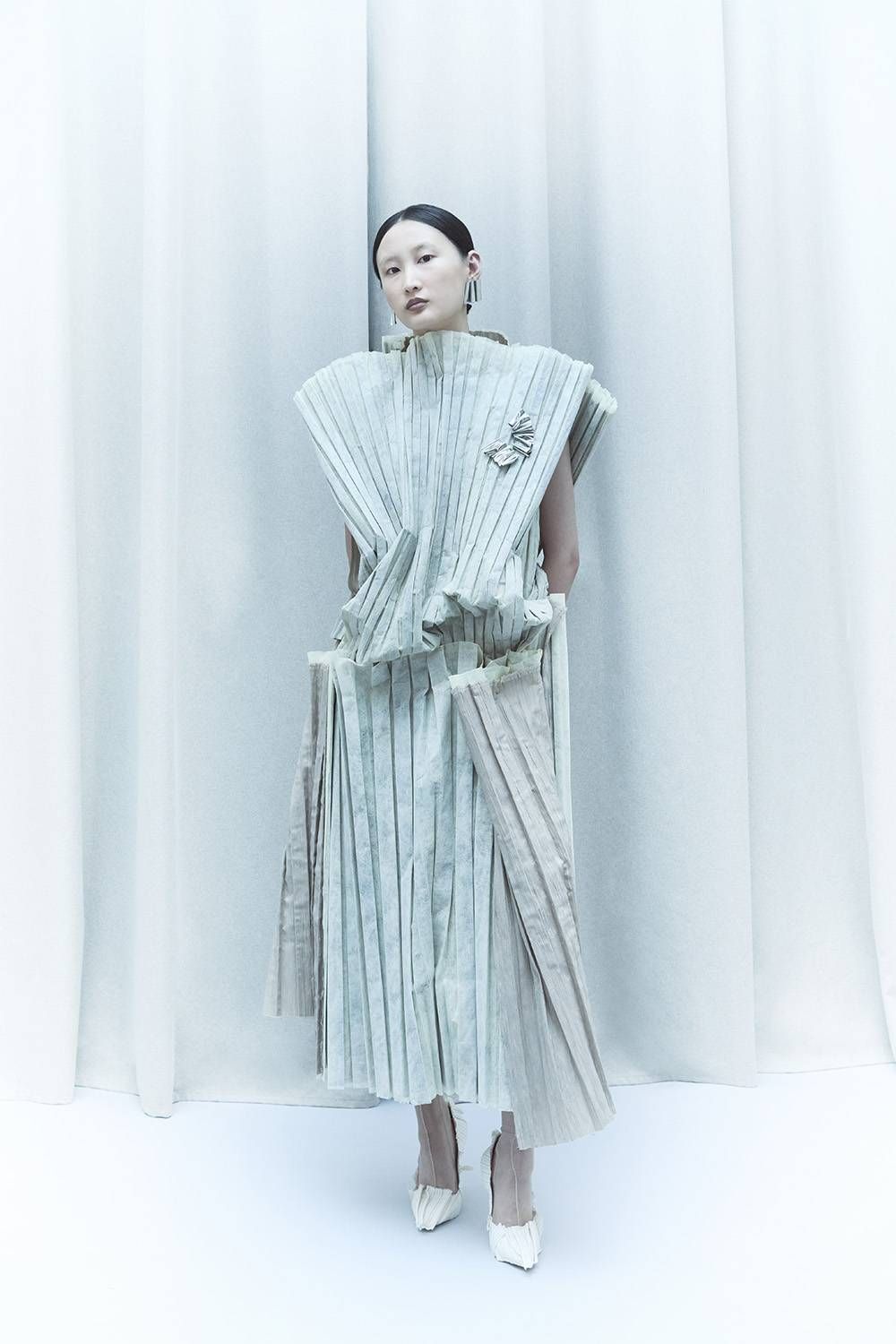
Sara Madella, Fare e disfare. Courtesy CODEX Artificial intelligence is woven into Zelada’s creative process, manipulating musical elements and vocal textures to generate hybrid sounds that blur the boundaries between human and synthetic.
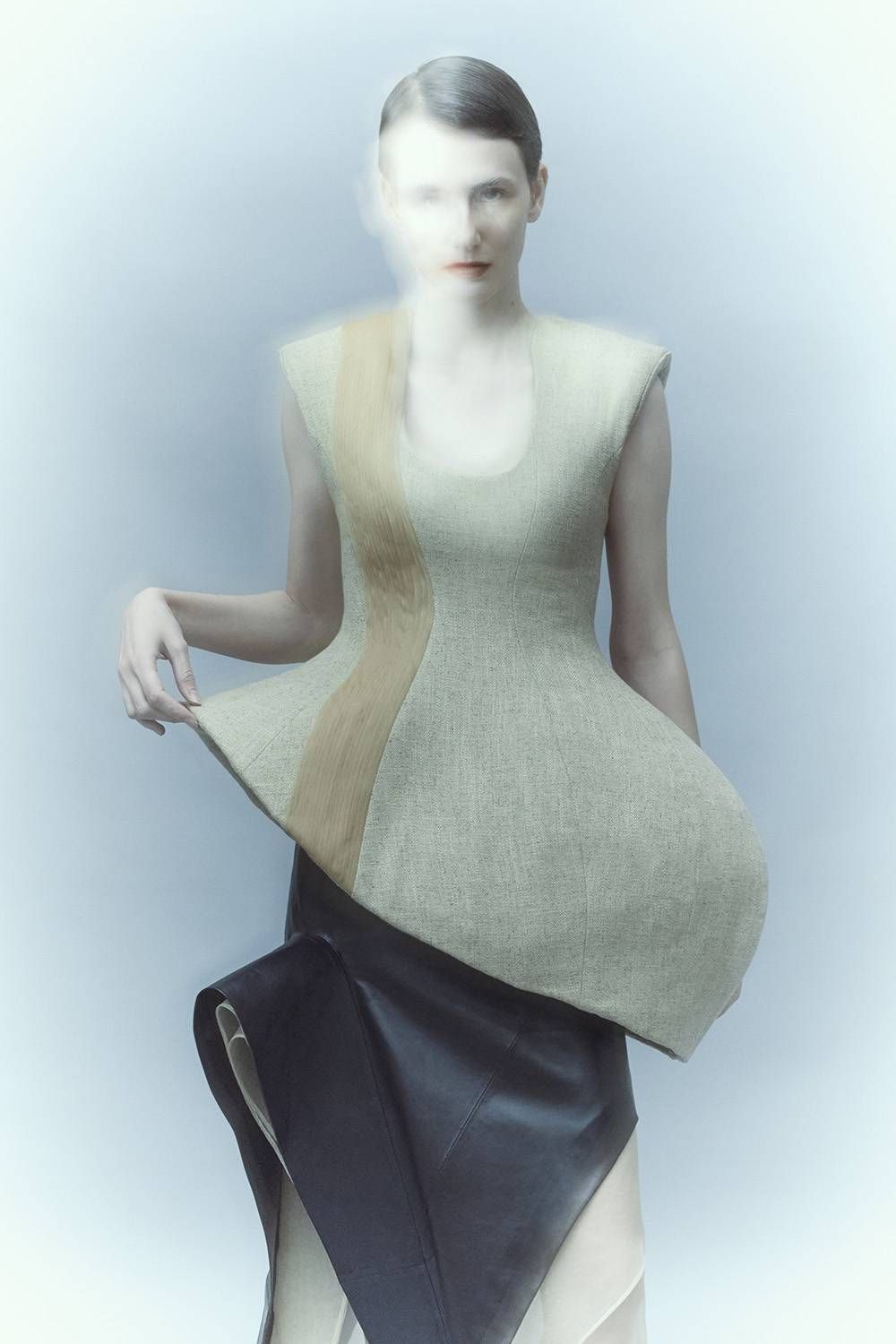
Sofiia Jessome, Esonia. Courtesy CODEX This use of AI gives sonic form to the show’s exploration of transformation: the collections question fixed definitions of identity, while the soundtrack asks where the human ends and the artificial begins.
How Does DYSFLEXION Rethink the Fashion Show?
At DYSFLEXION, clothes remain at the centre, while the runway becomes an environment where architecture, mirrors, light, and sound connect designers and audience. The setting itself becomes part of the work, shaping how the collections are understood.
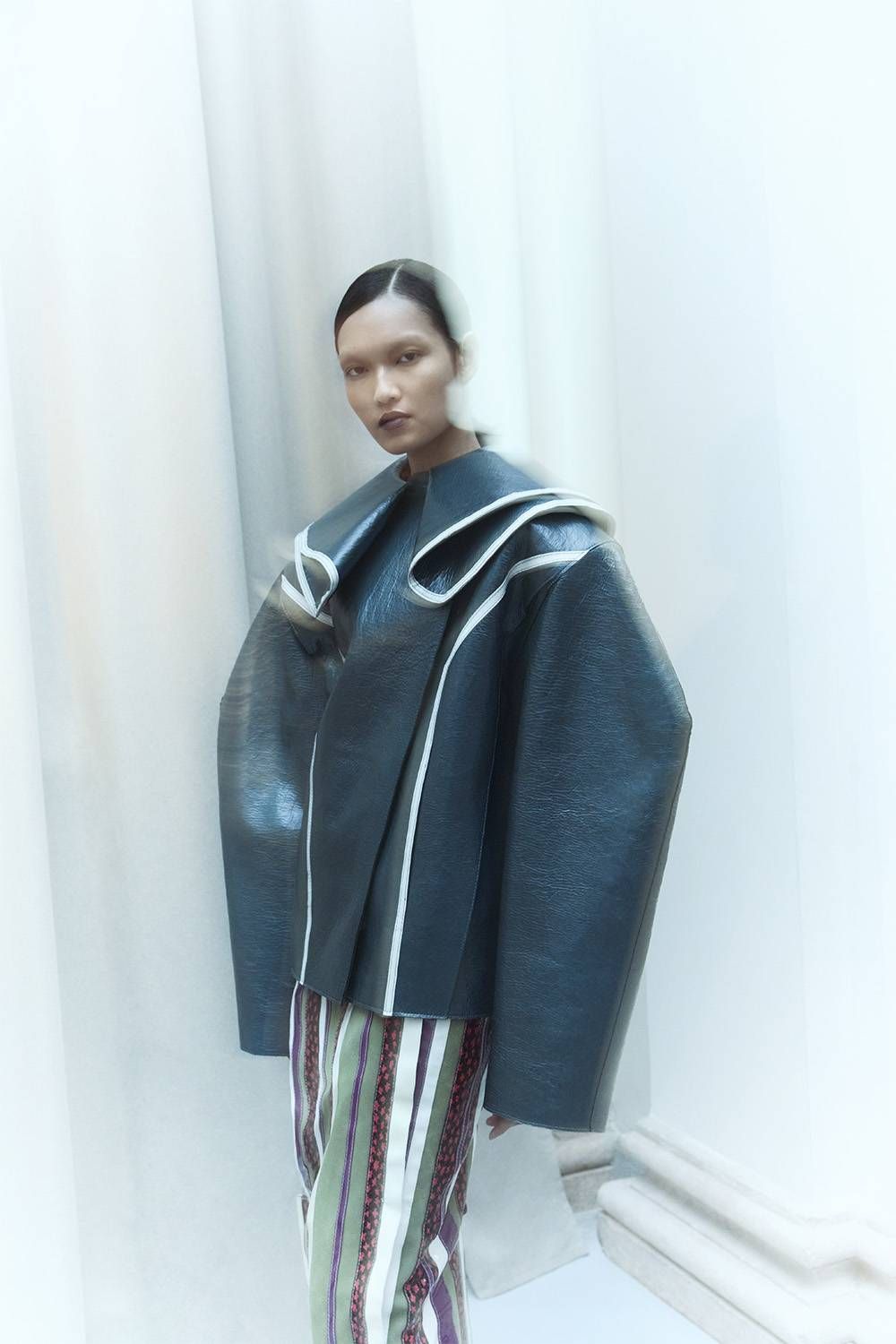
Matilde Gonella, I gesti che non abiti. Courtesy CODEX Here, the emerging designers’ collections defy fixed categories, moving between reality and otherness, individual expression and collective experience, tension and harmony. Identity remains open to interpretation by both the designer and wearer.
This openness lies at the heart of DYSFLEXION. As people are repeatedly asked to define themselves, the show leaves room for incompleteness, contradiction and change.
Inside Palazzo Turati, mirrors will multiply images and sound will shift between the organic and the synthetic, as ten emerging designers turn ambiguity into creative energy. DYSFLEXION leaves open the question of who we are, making space for who we might become.
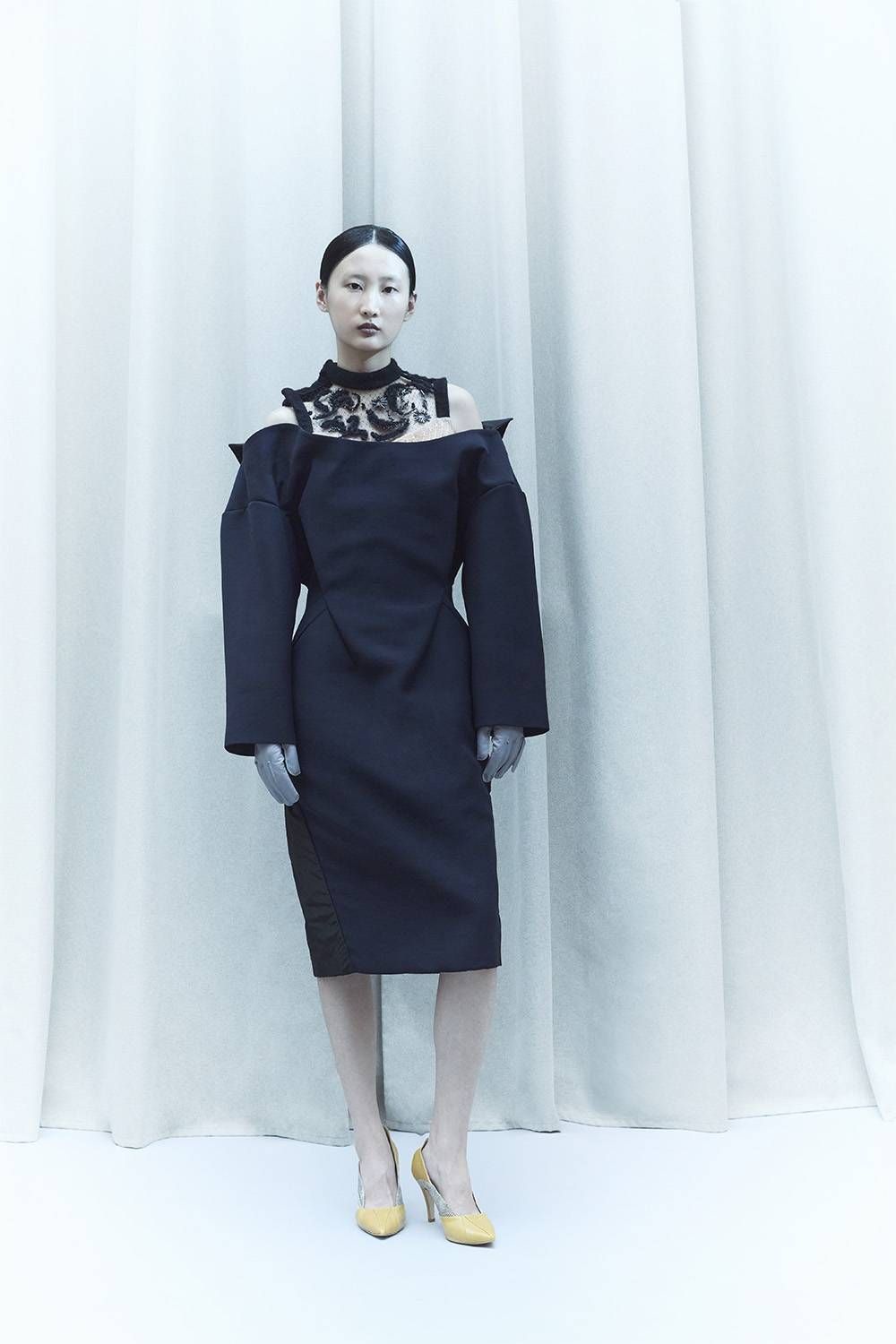
Antonio Rotolo, Prima che la materia ceda. Courtesy CODEX
Angelo Ruggeri
Journalist and Tutor for Styling, Business and Design Courses and Master’s Programmes, Milan



.jpg) EMERGING DESIGNER Jack the Ripper on the runway with aliens: Meet London’s top 10 talents 26/07/2023
EMERGING DESIGNER Jack the Ripper on the runway with aliens: Meet London’s top 10 talents 26/07/2023 
.jpg)