
What makes Pineapples Don’t Have Sleeves the Colombian fashion brand to Know? Meet Johanna Nodier
From Istituto Marangoni’s 2025 tote bag to Pineapples Don’t Have Sleeves’ move into Europe, emerging designer Johanna Nodier discusses pop culture, slow production and identity
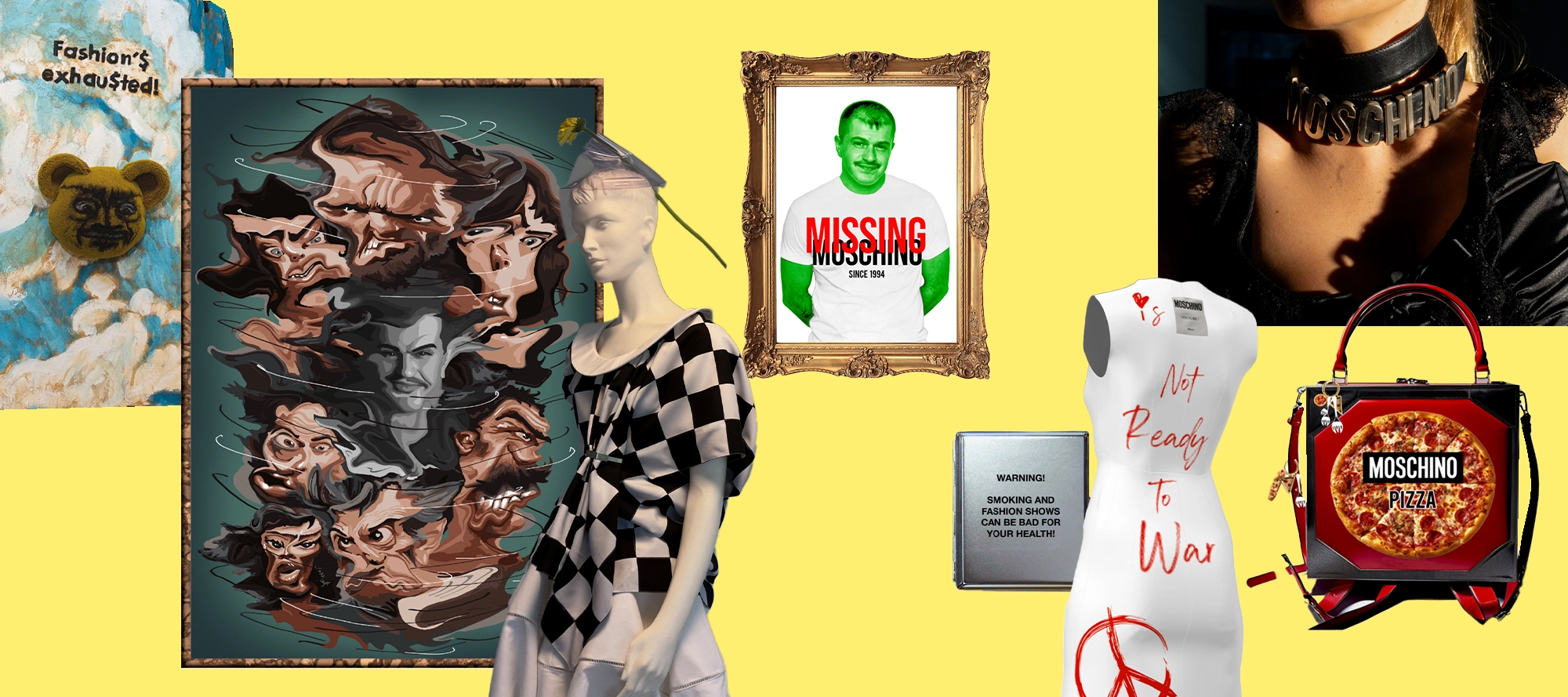
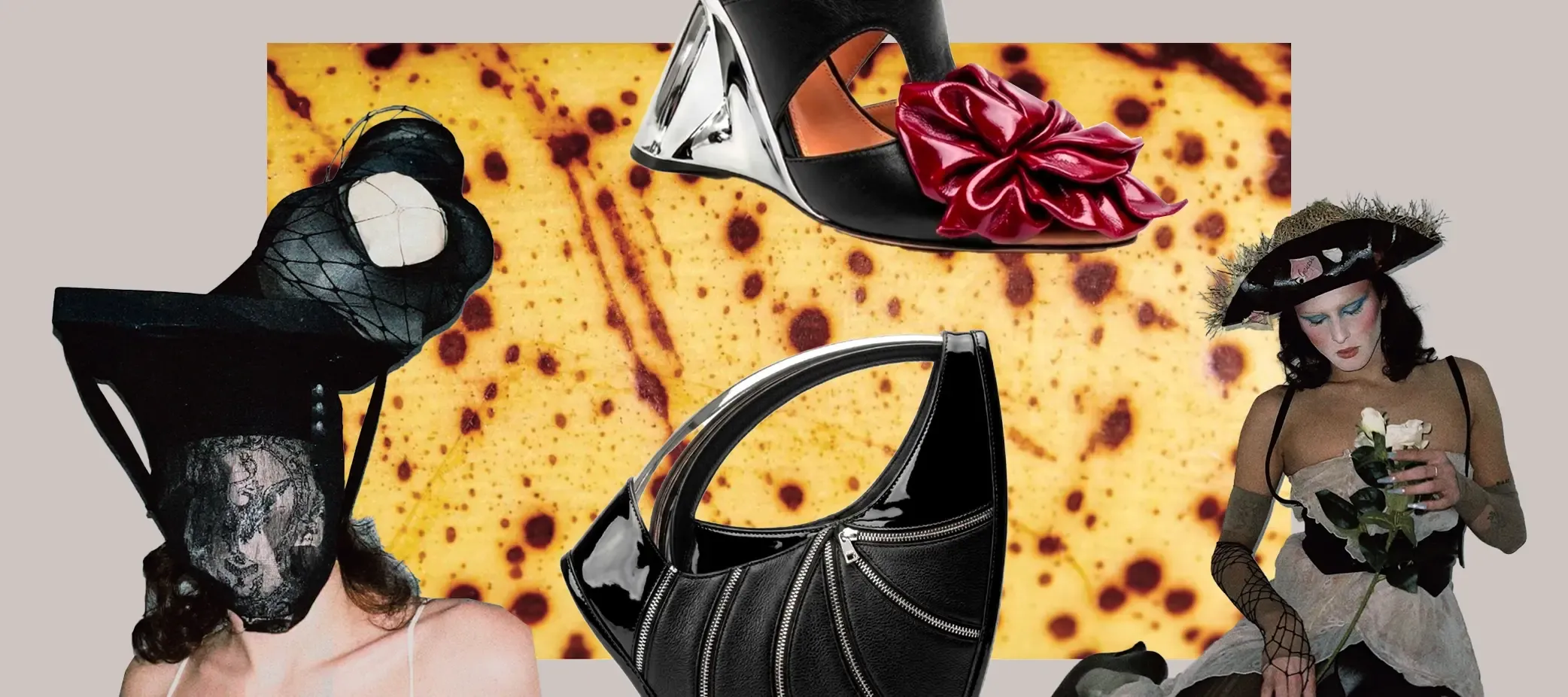
Pineapples Don’t Have Sleeves began as the title of a final project. It became an inside joke, a signature aesthetic of oversized sleeves, and, ultimately, the name of a Colombian fashion brand. Founded by Johanna Nodier, the label is known for its pop-inspired universe, statement sleeves, and a voice that mixes sharp wit with purpose. Since 2016, it has designed clothing for women who embrace colour, daring prints, and the power of self-expression through fashion. Each collection brings together art, pop culture, and irony, telling stories through stitches, fabrics and a hint of rebellion.
Johanna Nodier is an I’M alumna of the Bachelor’s course in Fashion Design at Istituto Marangoni Paris, where she graduated in 2015, and the winner of the 2025 edition of the I’M Tote Bag design contest.
Her relationship with Istituto Marangoni began that same year, when she was selected as one of the designers for the school’s 80th anniversary celebration. This opportunity led to her first collection, which later grew into Pineapples Don’t Have Sleeves, her own fashion brand in Colombia.
Visualizza questo post su Instagram
Each year, the I’M Alumni Community, which brings together more than 45,000 graduates worldwide, is invited to reinterpret the school’s official tote bag. The winning design becomes the IM Tote Bag, a symbol of creativity, innovation and community, gifted to new students as they begin their academic journey. Across the global network, the bag embodies shared values and distinctive details—including branded merchandise—that set its members apart.
After establishing her brand in Colombia, Nodier relocated to Milan to expand into the European market. For her, entering and ultimately winning the contest felt like coming full circle: her journey began at Istituto Marangoni as a student and continues today as an alumna. In the conversation below, she shares insights into the creative process, inspirations, and vision behind Pineapples Don’t Have Sleeves, as well as what lies ahead for the brand.
Who Is Johanna Nodier? From Istituto Marangoni to a Colombian Fashion Brand
How did Pineapples Don’t Have Sleeves get its name?
Johanna Nodier: The answer might surprise you. Pineapples Don’t Have Sleeves was actually the name of my final project during my last year at Istituto Marangoni. When I told one of my teachers in Paris, he jokingly said, “That should be the name of your brand.” Fast forward a few years: I was invited to take part in Bogotá Fashion Week in Colombia. At that point, I hadn’t planned everything in such a structured way, but I couldn’t get the name out of my mind. It represented everything I wanted my brand to be. It reflected how I saw fashion and art: a little surrealist, graphic, playful, and fun. Then it became almost an inside joke, because if you look at our designs, big, puffy, over-the-top sleeves are always part of the story.
Visualizza questo post su Instagram
What Gives a Fashion Brand Its Identity? Pop Culture and Personal Experience
How do Pop Art and Surrealism influence your fashion?
Johanna Nodier: Funny enough, for better or worse, Pineapples Don’t Have Sleeves had a very strong identity even before people thought it could be commercial. The idea was always to bring back the fun in fashion and celebrate an aesthetic that designers like Franco Moschino and Elsa Schiaparelli brought to life in such powerful ways. My inspiration changes with each collection. Sometimes it comes from my own life, like talking about broken hearts. Other times, it comes from questions I ask myself, such as religion, curiosity, or places that fascinate me. Sometimes it is about a period I’m deeply interested in, like the Baroque or Pop Art. I always say designers have to be very attentive to whatever is happening around them. That is fashion, right? A reflection of what the world is going through, or sometimes even a fantasy of what we wish it could be.
What challenges do emerging fashion brands face at launch?
Johanna Nodier: I started Pineapples Don’t Have Sleeves with a very specific idea of what I thought fashion should be. It was never about following trends, but about creating pieces that could represent a whole world. I always wanted people to see a Pineapples Don’t Have Sleeves piece and recognise it straight away. At first, it was difficult. I think that happens with anything new: people can be a little afraid of what feels different. But over time, what some saw as “weird” became what made us recognisable. People started to understand that it wasn’t about looking crazy. It was about feeling unique. What seemed like a challenge at the beginning—having such a particular point of view—later became our signature.
How Does Small-Batch Fashion Production Work?
What does sustainability mean for a small fashion brand?
Johanna Nodier: If I had to describe my brand in three words, I’d say fun, graphic, and sustainable. Whenever I create a campaign, collection, or even an event, it’s very important to me that those three words are present. Fun, because it’s something we are proud of. Fashion should also let us play, enjoy ourselves, and not take everything too seriously. Graphic describes our love language: from the prints to the way we communicate, Pineapples Don’t Have Sleeves has always been about graphic maximalism. And sustainable, because as a Colombian brand, we see sustainability not as a differentiator, but as a responsibility. It’s something every brand should strive for. Our designs are why people connect with us, but sustainability is part of the value we give back—through our packaging, our fabrics, and our slow production process.
Visualizza questo post su Instagram
How does slow production process reduce waste?
Johanna Nodier: Because Pineapples Don’t Have Sleeves pieces are meant to feel special and attract attention, I have always wanted to make sure that our production process is ethical. We believe in slow production. That means we don’t produce thousands of pieces simply to build up inventory. We prefer small production runs so our pieces don’t become part of a cycle of overproduction and unnecessary waste. We use recycled, repurposed, or 100% cotton fabrics, so customers know each piece is made from carefully selected materials. Most importantly, we partner with people who are equally committed to responsible practices in their own production processes.
Who Designed Istituto Marangoni’s 2025 Tote Bag?
What did winning the Istituto Marangoni Tote Bag contest mean to you?
Johanna Nodier: It was truly an honour. Istituto Marangoni has been such a big part of who I am today, so being able to contribute something and share a message with new students who are just beginning their fashion journey meant a lot to me. I hope they see what my brand stands for: sharing your personality with the world. And this time, that expression begins with a tote bag.
Why was the tote bag designed as a blank canvas?
Johanna Nodier: The inspiration came from my own story: who I was when I was a student, what I was thinking at that time, and what I would like to say now, years later, to those who are just starting. For me, attending Istituto Marangoni means that your style, your story, and your identity are just beginning. It’s like a blank canvas. The tote bag reflects that idea: each student can customise it, make it their own, and hopefully do the same with their life and career. I always say that what university really teaches fashion students is to have an opinion, develop a unique sense of style and find their own place in the fashion world.
How Does a Colombian Fashion Brand Expand into Europe?
What are Pineapples Don’t Have Sleeves’ plans for Italy?
Johanna Nodier: After working in Colombia for some time, my main focus is now to grow in Europe, especially in Italy. It feels very special because Italy holds a special place in my journey as a designer, from studying at Istituto Marangoni to introducing my own brand to this market. Here, Pineapples Don’t Have Sleeves began selling through Coin and a few multibrand stores in Rome, marking a very exciting first step. The brand continues to establish itself across the country, with a flagship store in the capital planned as part of our growth in the Italian market.
Silvia Tarini
Author and Editor, Milano


.gif)
-copy-3.gif) EMERGING DESIGNER Meet the 10 emerging fashion designers bringing innovation to Milano Fashion Week 01/10/2025
EMERGING DESIGNER Meet the 10 emerging fashion designers bringing innovation to Milano Fashion Week 01/10/2025 
.jpg)