
What does Indian music sound like today? A Kurta in the EDM Mix
From Nucleya and KSHMR to Jasmine Sandlas and MC Stan, four Indian music artists carry heritage into desi bass, EDM, Punjabi pop, hip-hop and fashion
What does a kurta have to do with EDM? In Indian music, heritage shows up in folk melodies folded into electronic production and in the clothes artists wear onstage. As these sounds travel beyond India, a kurta beneath festival lights or phulkari embroidery paired with streetwear keeps those roots visible.
How India’s Music Scene Moves Between Bollywood, Rap and EDM
Across India, musicians blend traditional sounds with contemporary genres, while pop singers explore increasingly introspective themes. The scene’s diversity is reflected in its live calendar, ranging from major festivals such as Lollapalooza India, NH7 Weekender, VH1 Supersonic and Sunburn to events including Magnetic Fields, Echoes of Earth in Bengaluru, and Goa Sunsplash.
For many young listeners, musical tastes span Bollywood film scores and street rap, as well as genres such as indie pop, hip-hop and EDM. Celebrated artists inspire millions with their powerful voices and original compositions, while India’s rising stars champion the nation’s music scene on digital platforms worldwide. New albums by emerging artists are gaining recognition, blending timeless melodies with fresh styles and giving India’s musical identity on the global stage a new sound and look.
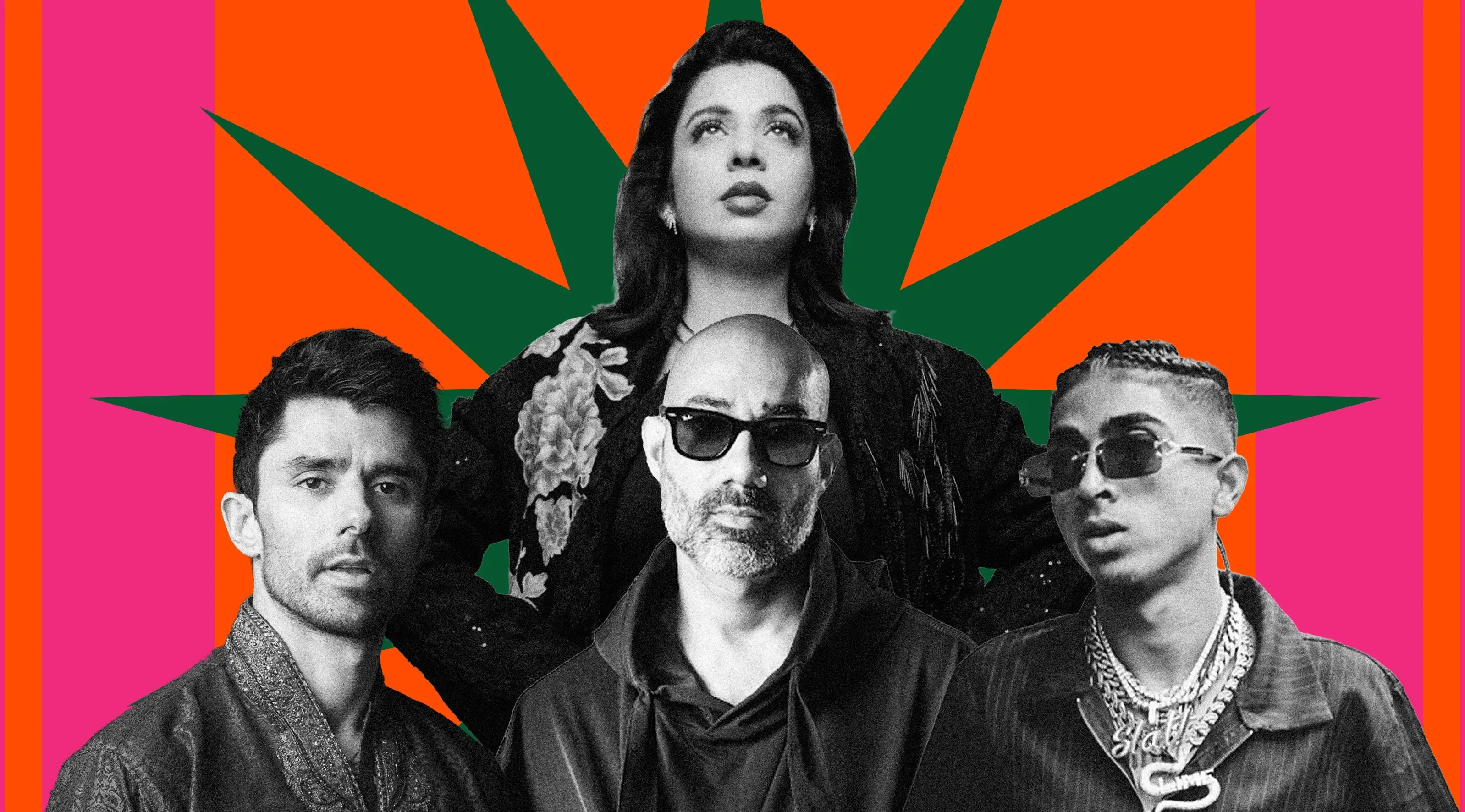
Four artists bring that range into focus: Nucleya, KSHMR, Jasmine Sandlas and MC Stan.
What Is Desi Bass? Nucleya’s Indian Electronic Sound
Visualizza questo post su Instagram
Producer and DJ Nucleya (Udyan Sagar) is recognised as a leading figure in India’s electronic music scene. His signature sound, “desi bass”, fuses folk melodies and pop with global bass genres. He has taken this blend beyond India through performances at events such as EDC Las Vegas and in Mexico City, as well as collaborations with artists including Skrillex, Major Lazer, Diplo, and DJ Snake. Together, these efforts have elevated the profile of India’s electronic music and inspired pride in its distinctive sound.
Desi bass belongs to a broader field that includes bass, dubstep, and other forms of electronic production, each marked by its own regional flavours and followed by international audiences.
Who Is KSHMR? Kashmiri Heritage in Global EDM
Visualizza questo post su Instagram
Niles Hollowell-Dhar, known as KSHMR, draws on his Kashmiri Hindu heritage in his music. An Indian-American based outside India, he transforms traditional melodies into modern compositions that resonate with listeners worldwide.
Major festival appearances have established his international profile, while collaborations with artists from the US, Europe and Africa reflect his interest in bringing different cultures together. Arguably the most prominent Indian-origin artist in EDM, he specialises in big-room progressive electro and cinematic EDM, combining expansive festival sounds with a cinematic sense of emotion and storytelling.
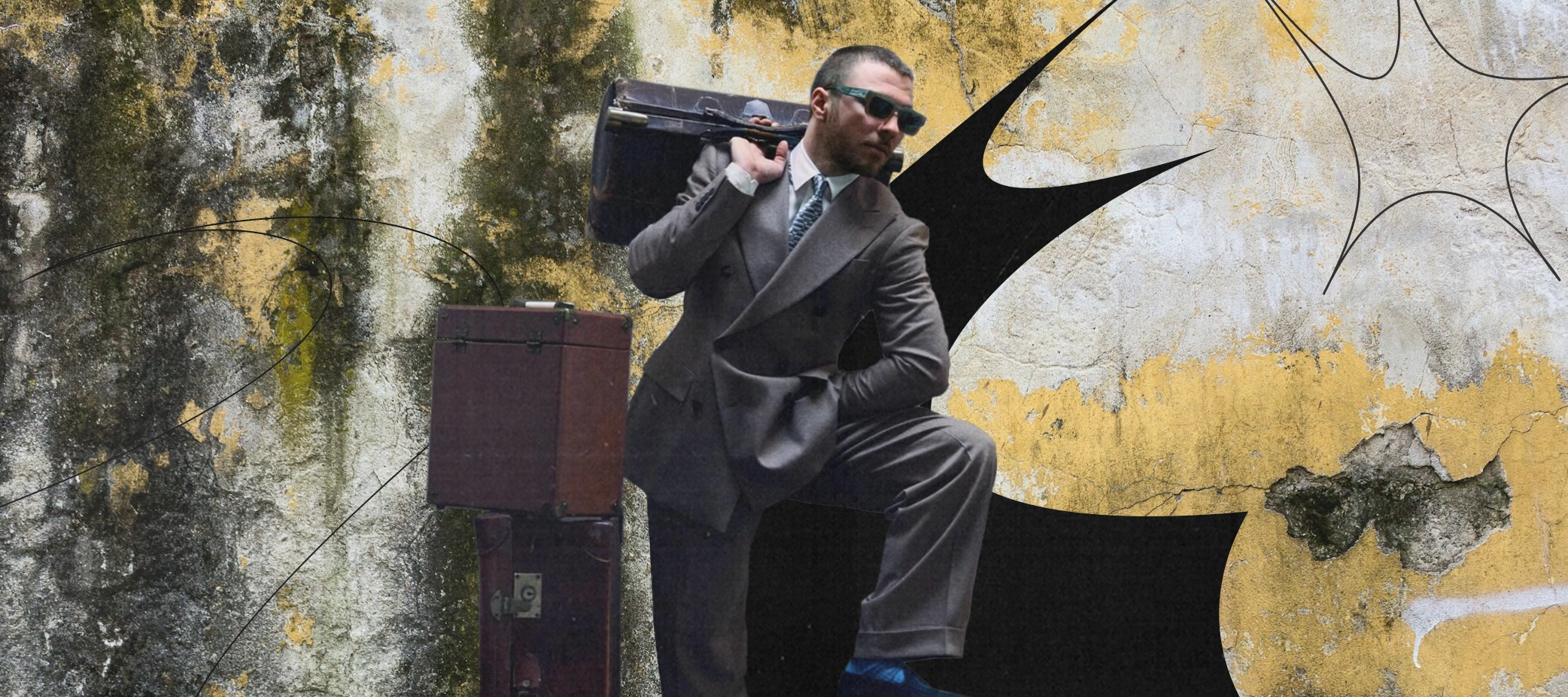
A similar blend of heritage and contemporary expression is evident in KSHMR’s personal style. Offstage, he favours practical, relaxed clothes—tank tops, basketball shorts, flip-flops, and mismatched outfits—that reflect his grounded personality. For performances and public appearances, he opts for open-collared shirts, dark tailored trousers, sunglasses, and pieces inspired by Indian textiles and traditional motifs. Kurtas, in particular, make his connection to his roots visible, lending his stage presence a distinctive character.
Jasmine Sandlas: Dhurandhar, Punjabi Pop and Heritage Craft with a California Edge
Visualizza questo post su Instagram
Jasmine Sandlas, known as the Gulaabi Queen, is an Indian-American singer whose distinctive voice and bold stage image—pink hair and traditional Patiala suits—have made her a prominent figure in Punjabi pop. Born in 1985 in Jalandhar, Punjab, and raised in Stockton, California, she was introduced to singing by her mother at an early age. Influenced by Punjabi folk singers and West Coast hip-hop, she began writing songs at 16.
Her first song, “Muskan”, appeared in 2007. Sony Music released her album Gulabi in 2012, establishing her in indie pop. Its lead single, “Adhi Rati”, featured rapper Bohemia and marked her arrival in the mainstream. Her Bollywood breakthrough followed in 2014 with “Yaar Na Miley” from Kick, a viral hit that earned widespread critical acclaim. Her songwriting also draws on Punjabi roots, giving her work a directness that resonates with listeners.
More recent tracks include “Taras” (2024), “Shararat” and the title track from Dhurandhar (2025), as well as “Main Aur Tu” and “Jaiye Sajana” from Dhurandhar: The Revenge (2026). Over the years, Sandlas has received several awards, including the Most Popular Song of the Year at the 2016 PTC Punjabi Film Awards and a Screen Award for Best Playback Singer (Female). Her work has also featured on TEDx Talks, MTV Coke Studio, and spoken-word platforms.
For Sandlas, fashion carries the imprint of its origins: her wardrobe brings Punjabi craftsmanship together with California streetwear and rock-inspired performance styling. Jewel-toned lehengas and sarees—in crimson, maroon, emerald, and gold—anchor her red-carpet and stage outfits. Shorter hemlines, high slits, and corseted blouses inspired by Western eveningwear create a sharper silhouette, while chunky metallic boots or platform trainers complete the look.
She sets phulkari embroidery against modern basics, pairing oversized black hoodies with silk dupattas or cropped leather jackets with heavily embroidered anarkalis. The contrast in scale and texture gives heritage textiles a different setting. Her accessories extend the mix: sculptural jhumkas, layered chokers bearing industrial hardware, and belt bags slung over sarees, the latter interrupting the fluid drape with a utilitarian note.
Jasmine Sandlas’ colour palette moves between shiny metallics and matte neutrals. She wears gold zari with black denim or sets neon piping against deep burgundy, creating striking contrasts within each look. Slicked-back buns or high ponytails, bold red lips, and graphic eyeliner add a stage-ready, almost editorial edge to her signature styling.
What Is MC Stan’s Style? Indian Hip-Hop and Streetwear
Visualizza questo post su Instagram
MC Stan, whose given name is Altaf Tadavi, is an Indian rapper, songwriter, producer and composer from Pune, Maharashtra. His sound blends street storytelling and distinctive slang with self-produced beats, Auto-Tuned vocals, and elements of trap, drill, lo-fi, and experimental hip-hop. Introduced to rap by his older brother when he was young, Stan wrote his first song, “Bhalti Public”, in seventh grade. The track circulated through WhatsApp groups and local online communities, laying the groundwork for his grassroots following.
His career began to gather pace in 2018 with songs such as “Wata” and “Samajh Meri Baat Ko”. Tracks including “Khuja Mat”, “Lowkey,” and “Astaghfirullah” soon established his name in Indian hip-hop. In 2020, his debut album, Tadipaar, offered an unfiltered account of his life. The following year, he joined Seedhe Maut on “Nanchaku”, from their mixtape Na, which drew praise for its lyrical finesse and energetic delivery. His second album, Insaan (2022), featured introspective lyrics, innovative production and collaborations with Ikka and Raftaar.
In 2023, MC Stan won Bigg Boss 16, and that year his collaboration with KSHMR, “Haath Varthi”, was featured on a Times Square billboard in New York. The track also appeared on KSHMR’s album Karam. Stan also performed the title track for the 2023 film Farrey and delivered a rap segment for Baby John in 2024. Since then, he has contributed to projects including King’s Monopoly Moves, Badshah’s Ek Tha Raja, and Ikka’s Only Love Gets Reply. He was also included in Rolling Stone India’s inaugural Future of Music list. Tracks associated with his announced album Mehfeel include “Kider Manzil”, “911 Porsche”, “Meri Zindagi Rap Se Pan Deep Hai,” and “Numb”.
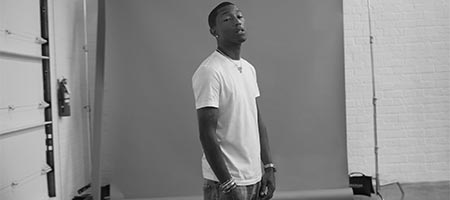
MC Stan’s bold persona is reflected in his fashion, which blends hip-hop streetwear with offbeat accessories. He favours layered, often all-black outfits, including bomber or leather jackets, oversized T-shirts, tapered joggers or cargo trousers, and clean trainers or slides. Custom-looking pieces and accessories—silk scarves tied around the head, skeleton-print backpacks, chunky chains, and championship-style rings—stand out as signature elements. He also combines designer outerwear and high-end trainers, like Off-White and Jordan-inspired styles, with casual basics.
Jasmine Dawda
Fashion journalist and alumna, Mumbai