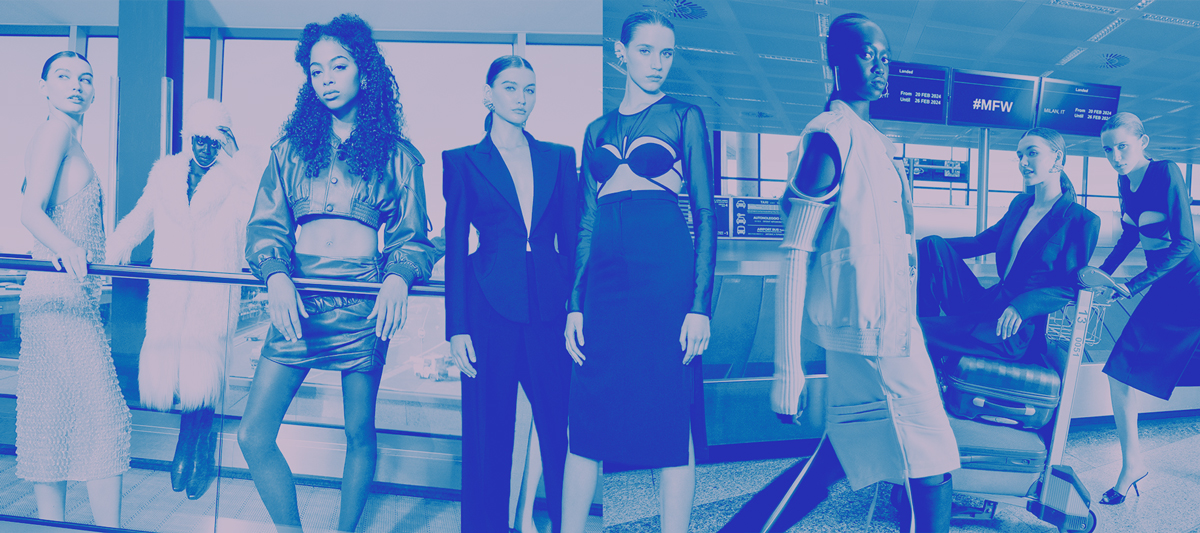

Milan Fashion Week SS27 Trends: Why “wrong” styling looked right
Milan Fashion Week SS27 made corsets, clashing prints, waist-tied jumpers and heels with socks feel wearable. The real trend was styling familiar clothes differently
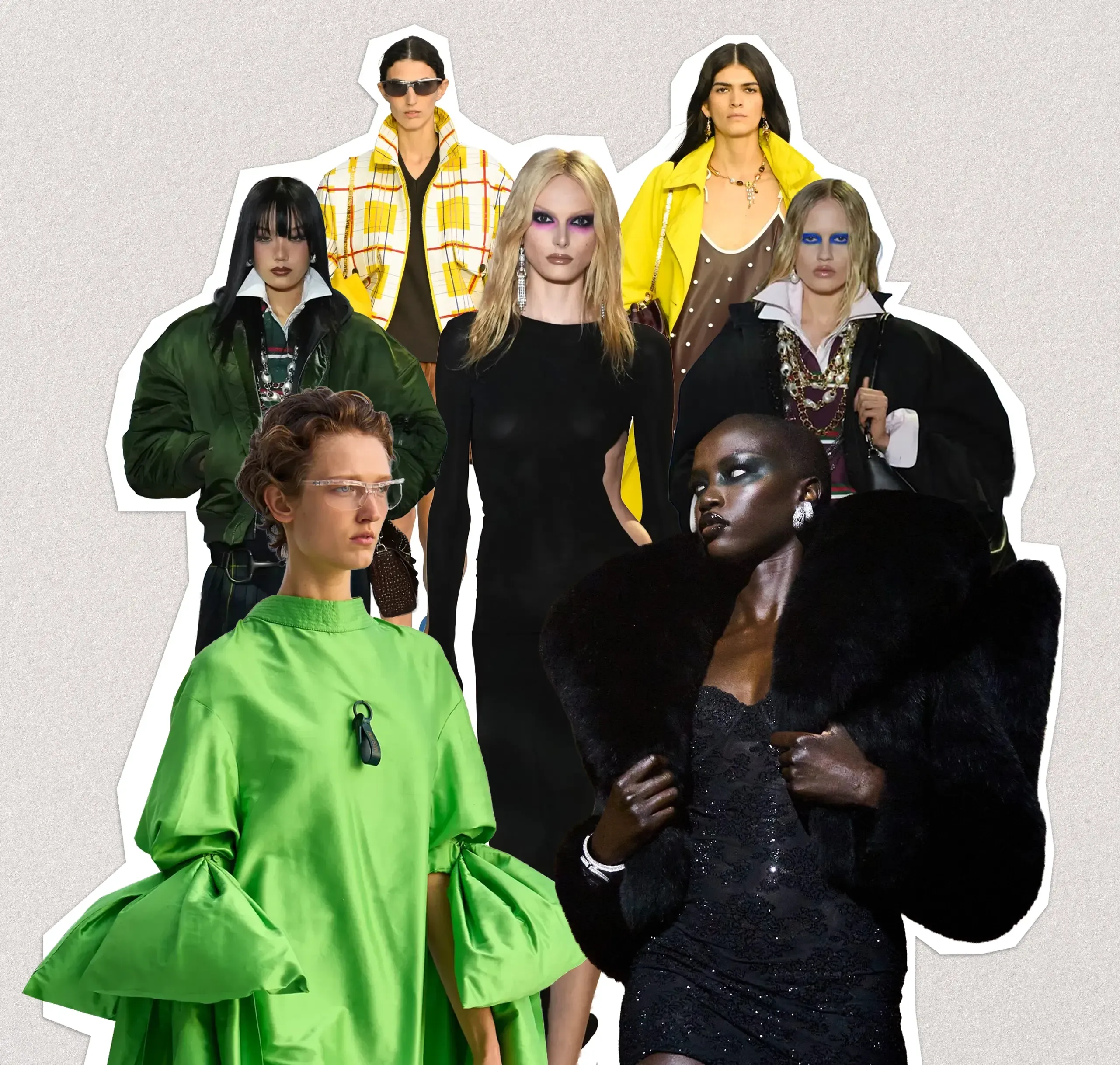
On Milan’s SS27 runways, the most compelling story wasn’t a new garment, but what happened when familiar pieces were put together the “wrong” way. Corsets broke free from lingerie, prints were made to clash, bras stood in for shirts, jumpers were knotted at the waist, and pumps met tube socks. These deliberate breaks from tradition created a new uniform, echoing Gen Z’s spontaneous, liberated approach to dressing. Agnese Pasquinelli looks at five trends and one bonus direction that reveal Milan’s most persuasive idea: the permission to wear clothes differently.
Milan Fashion Week has wrapped its Spring/Summer 2027 womenswear edition, held from 22 to 28 September 2026, amid packed front rows, endless selfie-hunting, and one clear message: fashion is no longer playing it safe.
Beyond the dramatic debuts and signature runway moments, what remains once the week is over? Not a single silhouette, but a series of styling choices. Corsets escaped the bedroom, prints were made to clash, bras replaced shirts, jumpers were tied at the waist, and heels met tube socks. The season’s directive was all about attitude, expressed through inventive pairings of everyday pieces.
How to Wear a Corset Outside the Bedroom
Corsetry is stepping out of the bedroom to become an urban statement. Saman Loira reimagined the corset as an underground sculpture, infusing it with a metallic, razor-sharp edge. At Giorgio Armani, Silvana Armani responded with signature restraint, presenting a plunging black-and-white bustier defined by architectural lines. Meanwhile, Ermanno Scervino pushed the look towards corsair-rock territory, setting hyper-feminine lace corsets against robust masculine tailoring. Here, authority replaced sugary romance.
Visualizza questo post su Instagram
How to Mix Prints When Clashing Is the Point
Matching prints by the book is for beginners. The SS27 rule championed radical contrast: pairing patterns that clash on paper until sheer audacity makes them work. At Etro, paisley and psychedelic motifs merged into a free-spirited, maximalist composition. At Roberto Cavalli, archival animalier prints collided with bold graphics, creating chromatic chaos calibrated to perfection. It was aesthetic overload with control.
Visualizza questo post su Instagram
Can a Bra Top Replace a Shirt?
For those seeking the intersection of skin-baring and cerebral dressing, Miuccia Prada and Raf Simons found it at Prada’s SS27 womenswear show. The house introduced a seasonal uniform that skipped the usual layers: statement skirts paired directly with minimal, visible micro-bras. It was all about proportion, not red-carpet exposure. The bra replaced the basic white T-shirt, while the skirt took centre stage: clean, subversive, sharp.
Visualizza questo post su Instagram
Why Are Jumpers Being Tied Around the Waist Again?
The once-effortless gesture of wrapping a jumper around the hips at dusk has evolved into the season’s most coveted (and expensive) styling move. Bottega Veneta, under Louise Trotter, and Jil Sander, under Simone Bellotti, elevated high-grade knitwear by tying it casually around the hips, disrupting the structure of classic suiting. It was rich-and-careless luxury, underpinned by a decidedly non-casual price tag.
Visualizza questo post su Instagram
Are Heels and Tube Socks the New Styling Mistake?
The pairing was designed to make traditionalists cringe, and street-style photographers reach for their cameras: formal pumps with plush athletic or ribbed cotton socks. At Moschino, Simone Rizzo and Loris Messina presented a tongue-in-cheek take for SS27; at MSGM, Massimo Giorgetti took that combination to the pavement, blending collegiate codes with rave energy. It loosened a formal outfit and signalled that the wearer didn’t take it too seriously.
Visualizza questo post su Instagram
Is Minimalism Back for Spring/Summer 2027?
The bonus direction was neo-minimalism: knife-sharp rigour that needed no sequins to make itself heard. Often mistaken for boredom, minimalism took on two distinct forms at Gucci and Max Mara. Demna distilled the Gucci silhouette into lean lines and precise cuts, while Ian Griffiths brought clarity to practical pieces and relaxed tailoring. Two different wardrobes, both relying on cut, proportion, and fabric for impact. No embellishments, no gimmicks: just razor-focused looks with enough presence to command a room. When the line is this strong, everything else fades away.
Agnese Pasquinelli
Alumna and Editor, Milano




.jpg)