
How AI can support online luxury shopping without leaving customers on their own
AI can support online luxury shoppers from discovery to aftercare. Can maisons make that support feel personal at scale?
A shopper looking for a French luxury handbag under €2,000 can now get a shortlist from an AI assistant in seconds. But when they reach a maison’s official website, does the digital experience make them feel understood? As AI becomes embedded in ever more stages of the luxury customer journey, where can it help—and which moments still need a human touch to maintain trust?
Where Does AI Fit in the Luxury Customer Journey?
Luxury is defined by a highly personal experience: understanding the client, anticipating their needs, creating desire, and making every choice feel meaningful. As the customer journey shifts online, delivering that level of attention at scale has become one of the industry’s biggest challenges.
In just the past two years, the high-end market has been turned upside down by a convergence of factors: different creative directions and ownership structures, mounting economic, political, and social uncertainty, and, more recently, the emergence of AI. As a result, both brands and the way consumers discover, research, evaluate, and ultimately buy luxury have changed.
With several years of e-commerce experience across global premium brands, I find this revolution fascinating from both the brand’s and the customer’s perspective.
I think of this journey as a funnel, from discovery and consideration to experience, conversion, and loyalty. Where I once saw it as relatively straightforward, it is now far more dynamic. The funnel remains a useful framework for understanding changing expectations and the role of technology at each stage, even when customers do not move through it in a straight line.
How Do Shoppers Use AI to Discover Luxury Brands?
Traditionally, brands at the top of the funnel were discovered through TV adverts, billboards, word of mouth, and the old but trusty Google. From there, consumers would reach the brand’s website and start browsing.
Today, that path is incomplete. A consumer might discover a brand through a creator, bounce between TikTok and Instagram, visit the website and eventually enter a boutique. Or they might simply ask AI, “What are the best French luxury handbags under €2,000?”—and instantly receive a selection of brands and products.
The interesting part? They may come across something they weren’t even looking for. AI is becoming a new layer in the shopping journey, disrupting the traditional relationship between luxury brands and consumers: many initial encounters now happen outside the maison’s control. That’s why visibility is only part of the equation: brands must also remain understood and desirable when consumers encounter them elsewhere.
If AI influences what consumers discover, it can also shape what happens next.
How Do Shoppers Compare Luxury Brands Online?
Luxury brands are focused on attracting younger generations. These consumers are digitally fluent, globally connected, highly informed, and often aspirational rather than ultra-wealthy—for now. Being younger does not mean being less interested in luxury; it can mean being more selective about where to spend.
Consider the experience of evaluating a €2,000 handbag. A Gen Z shopper now compares maisons, checks boutiques, explores resale or vintage options, sees what creators are saying and reads reviews—all within a few clicks. By the time they reach a maison’s e-commerce site, they often already know exactly what they want.
The questions move from “What is this?” to “Why do I want it?” and, more importantly, “Why should I buy it from you?”
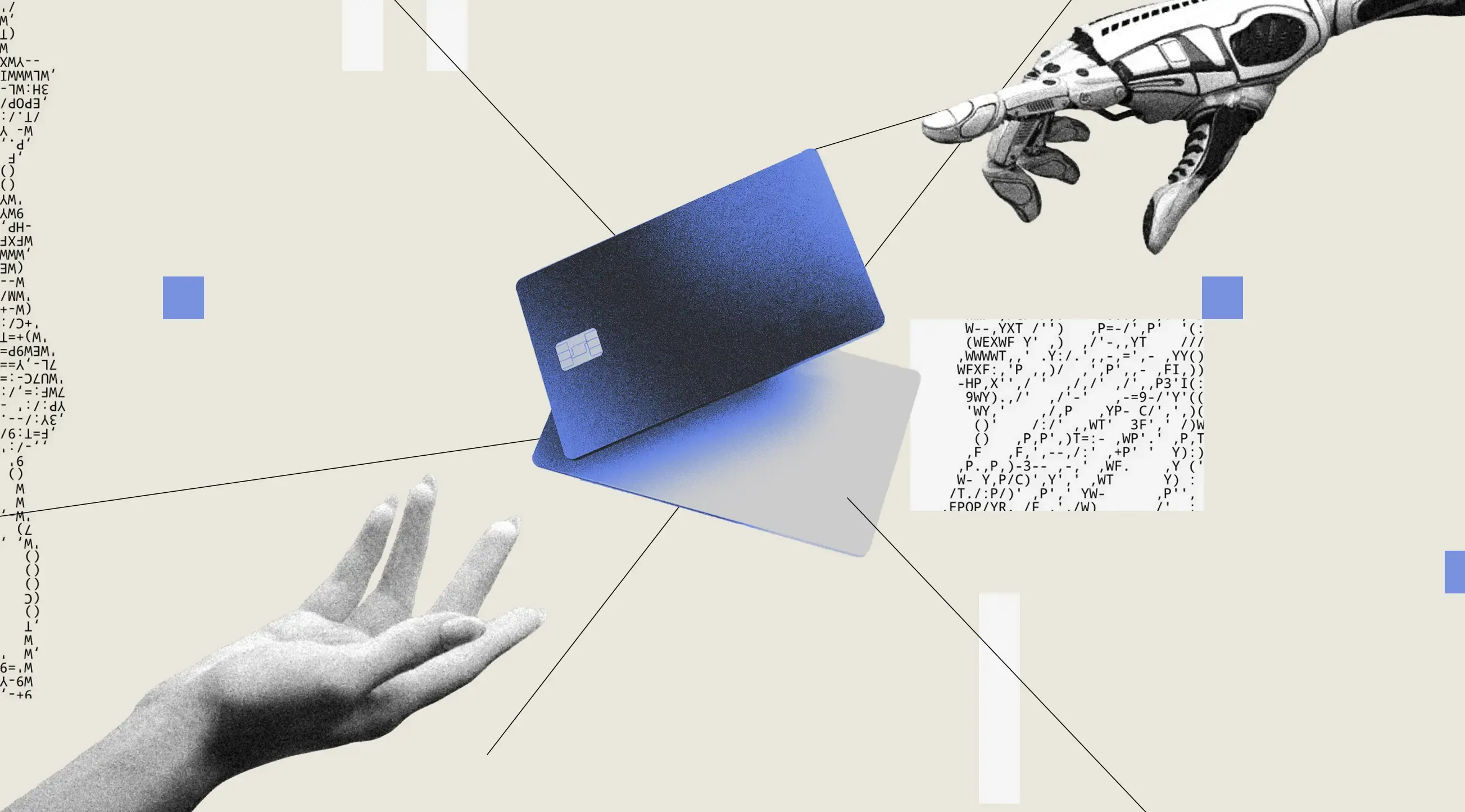
Here, AI can serve as a digital guide. Instead of offering every customer the same search results, recommendations, and product information, Artificial Intelligence can interpret intent and tailor the journey to each individual.
What Makes a Luxury E-Commerce Experience Feel Premium?
You are now on the maison’s e-commerce site. You browse, search, explore the catalogue, click through to a product page, and read the product information. Everything works, but does the experience feel good enough?
Heritage and product excellence are key to luxury; the digital experience must uphold the same standards. A website can be technically proficient and still not feel luxurious.
Navigation, search, product information, visuals, checkout, and delivery are essential, but they are only the baseline. What sets the experience apart is what surrounds the product: storytelling, craftsmanship, emotion, personalisation, service, and continuity with the in-store experience.
AI can make a difference: when used thoughtfully, it can connect the customer to the information, products, and stories most relevant to them, without forcing them to navigate a complex digital ecosystem alone. The aim, however, should not be to automate every interaction.
When you charge a luxury price, every touchpoint is an opportunity to reinforce trust, value and desire. AI should make those touchpoints feel more considered, not simply more efficient.
Can Luxury Brands Use AI Without Losing Customer Trust?
Conversion is one of the most critical moments in the luxury journey. You have researched the handbag, discovered the maison, browsed the site, and decided to buy. Checkout should reinforce the trust built along the way, not disrupt it.
The maison’s responsibility extends beyond payment. Delivery, communication, packaging, and customer service can all confirm that the customer made the right choice. AI can support this continuity by helping brands understand customer behaviour, anticipate needs, and deliver more relevant communication, so long as technology supports the relationship rather than replacing it.
We have all experienced the opposite: you open a website chat with a question, receive a generic automated response, and struggle to reach a real person. A tool designed to make the experience easier becomes an obstacle. In luxury, where service is central to the value proposition, that can quickly undermine trust.
How Can AI Scale Personal Service in Luxury?
This is where I think the real debate about AI in luxury begins. Its biggest opportunity is to make personalisation and responsiveness possible at scale, not merely to speed up existing processes.
Of course, luxury is rooted in craftsmanship, exclusivity, and heritage, which can make “scale” seem contradictory. Personalisation, however, has always been integral to luxury. A client adviser remembers your preferences, knows your purchase history, and anticipates your needs. Their recommendations come from context, not just data. The challenge lies in delivering this consistently across thousands of interactions.
AI can help bridge this gap. It can interpret intent, connect different pieces of information, recommend relevant products and content, support clienteling, and assist teams behind the scenes. The value lies in what the customer feels as a result.
AI should be felt through a more considered experience, not as an additional layer of technology.
Customers should not feel that service has been replaced; instead, they should sense that it has become more relevant, seamless, and personal. That, to me, is the real opportunity.
What Should Stay Human in the Luxury Customer Journey?
This is what interests me most as I transition from premium to luxury. After years of looking at e-commerce through conversion, performance, and operations, my focus has shifted to what happens beyond the click.
The tools will evolve, and the customer journey will become increasingly seamless. AI will play an ever-greater role in how consumers discover, evaluate, and engage with brands. Beneath these changes, the expectation at the heart of luxury endures: make me feel that choosing you was worth it.
For those of us building these experiences, the goal remains clear: make the journey feel more personal at every step.