

London’s ultimate summer culture guide: Art, design and hidden gems
From NIGO to Tate Modern, follow London’s most unexpected cultural itinerary through art, fashion, record shops, flea markets and design
If you’re planning a cultural summer in London, don’t start with a checklist of museums, exhibitions, or festivals. The city’s most interesting places aren’t connected by geography, but by taste. A fashion exhibition can lead you to a record shop. A flea market might change the way you see a museum show. A sneaker boutique belongs in the same conversation as contemporary art. A courtyard concert flows into a late-night gallery opening. When you see London this way, it stops being about ticking off attractions and becomes a place where art, design, fashion, and music constantly feed into one another. That’s the kind of itinerary worth following.
How NIGO Changed the Way We Think About Style
The route starts at the Design Museum with NIGO: From Japan with Love. NIGO is not just a designer, or even a streetwear pioneer. He is a true cultural editor, someone who understood that taste is made by mixing references until they start speaking to each other. Harajuku backstreets, hip-hop videos, vintage Americana, Japanese craft, workwear, pop graphics, camo, toys, denim, architecture, music, luxury.
The exhibition, with more than 700 objects, reads like a physical moodboard for the past thirty years of global style: BAPE, Human Made, Kenzo, Pharrell, Ura-Hara, scarcity before anyone called it a drop.
What makes the show feel so right for London is that it refuses the idea of creativity as clean inspiration. It is messy, collected, second-hand, fanatical. NIGO’s teenage bedroom matters as much as the finished product. The archive is not a dusty afterlife; it’s the engine.
You look at a jacket, a record, a toy, a pair of trainers, and the question is never only “what is this?” but “where did this come from, who saw it first, and how did it become its own language?”
Visualizza questo post su Instagram
Why London’s Independent Record Shops Are Making a Comeback
That same question takes you south to Supertone Records on Acre Lane. Founded as a reggae soundsystem in 1969 before becoming a shop in 1984, Supertone is the kind of place that reminds you music history is stored in sleeves, crates, handwritten labels, and the collective memory of a community.
Reggae, soul, soca, calypso, rhythm and blues, roots and Caribbean music are not filed as genres so much as ways of moving through the city. To dig here is to step out of the frictionless logic of streaming, where everything is available, but nothing is really discovered.
What London’s Flea Markets Can Teach You About Taste
From there, the same digging instinct moves toward Hackney Flea Market. London’s vintage culture can sometimes feel like a sport played by people with very good sunglasses and suspicious amounts of free time, but flea markets still offer one of the city’s most democratic platforms for taste-making. Furniture, clothes, antiques, strange objects with unclear domestic futures.
A good market asks you to edit in real time: What is useful? What is ugly in an interesting way? What feels like someone else’s past but could become your present?
Visualizza questo post su Instagram
When Sneakers Become Design Objects
Footpatrol in Soho is the polished cousin of the same impulse. It is shopping, but also sneaker collecting: Japanese exclusives, rare deadstock, and sought-after collaborations. In another city, this might be just retail. In London, it becomes part of the same map as NIGO, Supertone and Hackney Flea: objects that carry entire scenes within them.
A trainer can mean music, sport, internet forums, resale culture, and a very specific kind of pavement confidence.
The Royal Academy Summer Exhibition Is London’s Great Creative Conversation
Then the map opens up. At the Royal Academy, the Summer Exhibition is almost the opposite of a carefully edited sneaker wall, and that is its charm. First staged in 1769, it remains one of London’s great exercises in cultural overload.
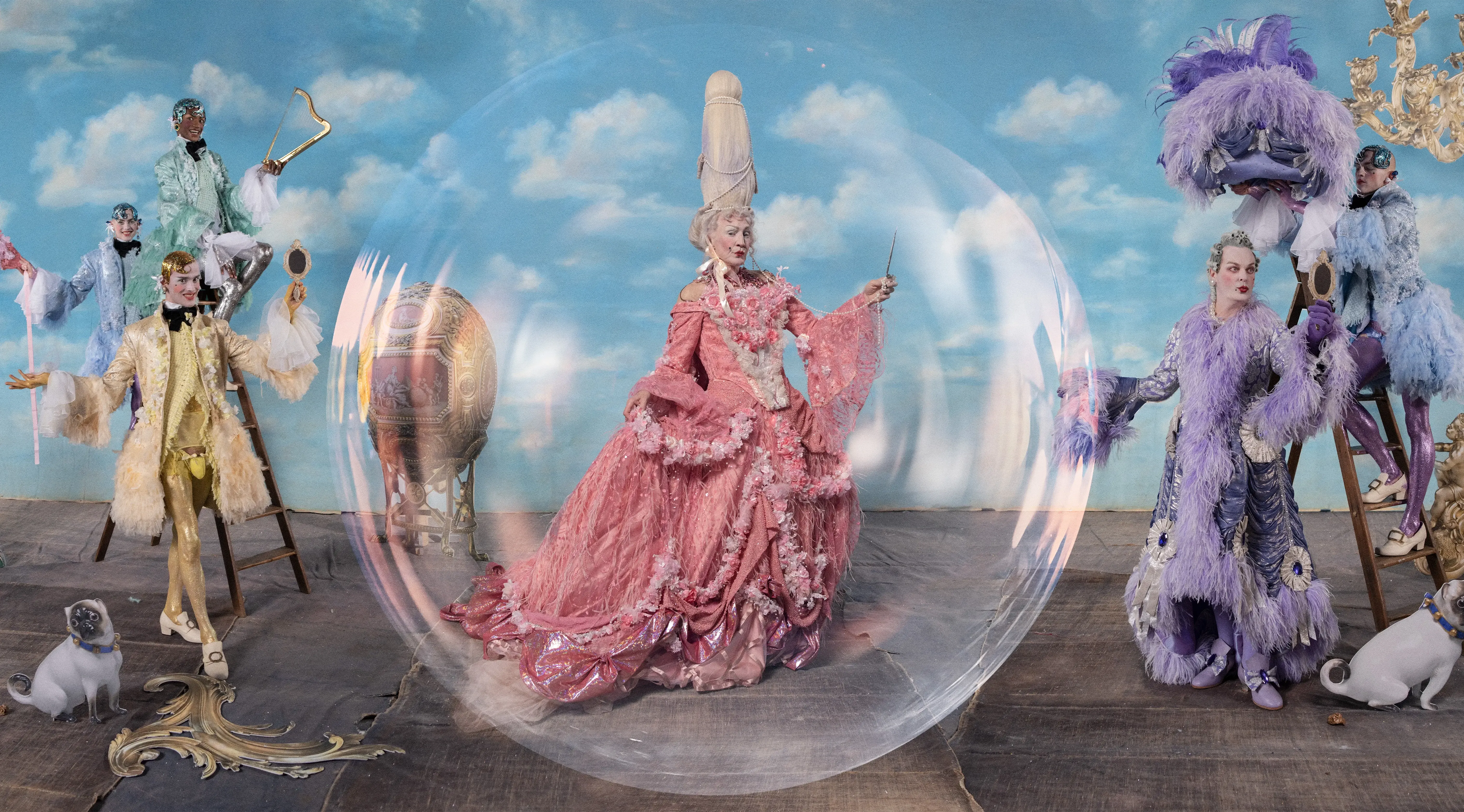
This year, with Ryan Gander steering the exhibition around the theme of “Interconnectedness,” nearly 2,000 works turn the galleries into something closer to a living organism than a clean museum display. Paintings, sculptures, photography, architecture, digital art, famous names, emerging artists, oddities, jokes, political work. It rewards wandering, not efficiency.
The Royal Academy also grasps something crucial about summer: art is only half the picture. Late openings, Friday DJ sets in July, an in-gallery gin bar, the sense of people gathering not for expertise but to share the same cultural weather. This is where the “creative London summer” becomes more than just consumption.
What All Points East Says About Young Taste Today
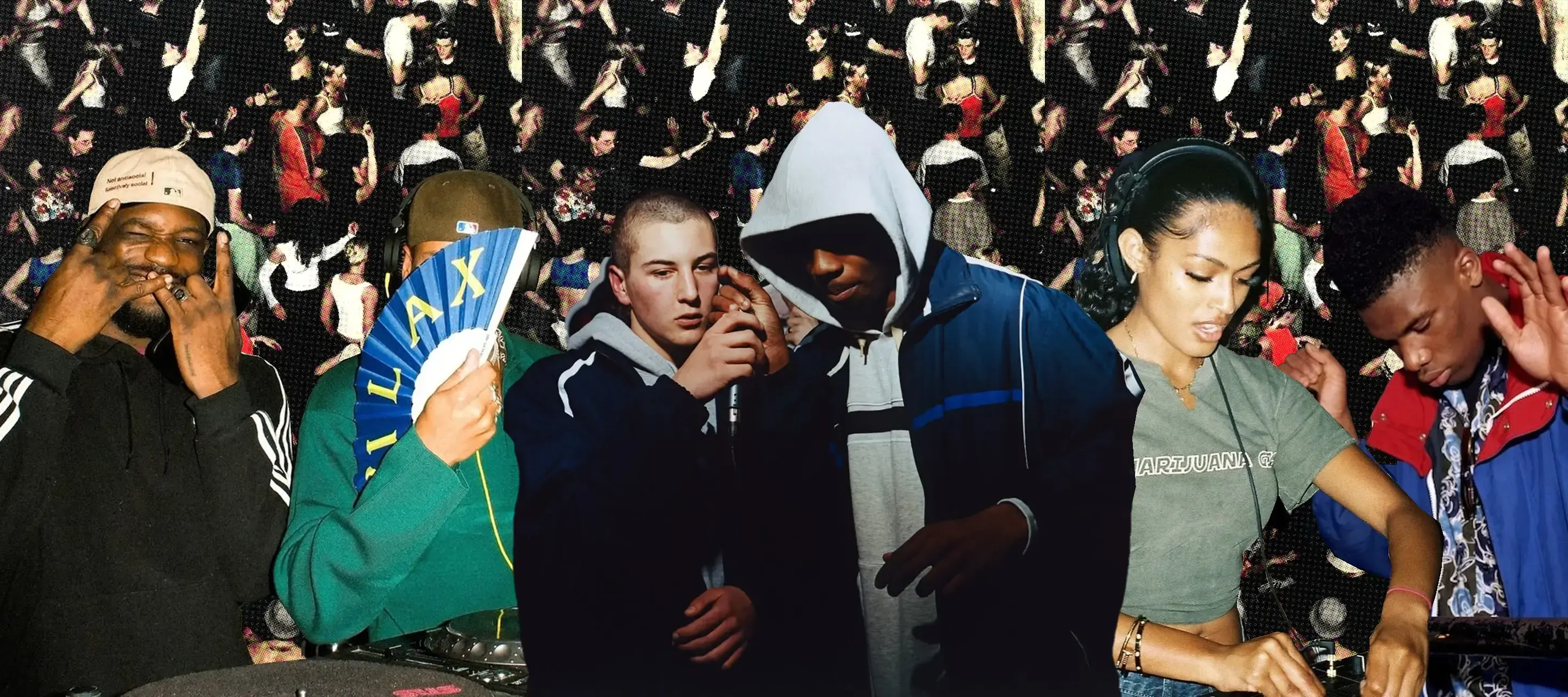
A similar energy pulses at All Points East in Victoria Park, only louder and sweatier. In late August, the festival folds together R&B, pop, hip-hop, rock, and UK underground energy, with names like Jorja Smith, Tems, Lorde, Tyler, The Creator, Deftones, PinkPantheress, Nia Archives, and Ayra Starr forming a lineup that maps where young taste actually lives.
Festivals are often sold as escape, but All Points East works because it is so distinctly London: hybrid and “allergic” to a single lane.
Visualizza questo post su Instagram
How Live Music Became Part of London’s Cultural Calendar
Somerset House Summer Series gives that collective feeling a different rhythm. The courtyard turns live music into an experience that’s both contained and open-air, elegant without becoming stiff.
Its 2026 lineup spans generations and genres, from Naïka to The Cribs, Venna, The Flaming Lips, and Benjamin Clementine, while the accompanying HOLY POP! exhibition on fandom makes the subtext explicit: pop devotion is not frivolous. It shapes identity, values, friendships, clothes, rooms, and memory.
What Ana Mendieta at Tate Modern Reveals About Memory and Belonging
If the route begins with objects, it can end with bodies. Ana Mendieta at Tate Modern offers the summer’s deeper counterpoint. Her earth-body works and Silueta Series, made with fire, water, flowers, earth, and absence, ask what it means to leave a trace rather than own an object.After sneakers, records, markets and crowds, Ana Mendieta shifts the focus: culture is not only what we collect, but also what passes through us, what leaves its mark, what disappears yet somehow remains.
Why London’s Best Cultural Itinerary Isn’t on a Map
That is London at its best in summer: a chain reaction. You go to see NIGO and end up thinking about reggae records. You buy nothing at the flea market but leave with a new idea of colour. You enter the Royal Academy for art and stay for the people-watching. You stand in a festival crowd and remember that taste is also proximity, sweat, timing, bass. The creative summer isn’t exactly hidden. But you do have to dig for it.
Edoardo Passacantando
Editor, London




.jpg)

.gif)