

What is Notting Hill carnival? The Caribbean origins of London’s biggest street festival
Behind the costumes of Notting Hill Carnival lies the story of Caribbean migration, sound system culture and the making of modern London
Notting Hill Carnival is often described as Europe’s biggest street festival. It’s a description that hints at its immense scale, but reveals little about its deeper significance. Beyond the feathers, sound systems, and steelpan, this piece explores the story of Caribbean communities who transformed a London neighbourhood into one of Britain’s most important cultural celebrations, and how music, migration and collective memory continue to sustain Carnival’s enduring spirit today.
You hear Notting Hill Carnival before you ever catch sight of it, as basslines roll through rows of Victorian houses, whistles ricochet across the road, and the bright cry of steelpan rises above the low end, while smoke from jerk grills drifts over the crowd. Suddenly, a mas band comes into view, wrapped in feathers, wirework, and sequins, with flags waving overhead, children riding high on shoulders, and people dancing from balconies.
Unlike a conventional festival with designated entrances or main stages, Notting Hill Carnival turns the neighbourhood into its venue. The parade moves through its streets, static sound systems claim corners, food stalls squeeze between houses, and people gather wherever the rhythm has the strongest pull.
The Caribbean Origins of Notting Hill Carnival
Notting Hill Carnival’s history begins with the Caribbean communities who arrived in Britain after the Second World War and built new forms of belonging in a city that often met them with hostility.
In 1959, Trinidadian activist and newspaper editor Claudia Jones organised an indoor Caribbean carnival at St Pancras Town Hall. Seven years later, Rhaune Laslett invited Trinidadian musician Russell Henderson and his steel band to perform at a neighbourhood festival in Notting Hill. As the band began to march through the streets, local residents followed.
In 1973, organiser Leslie Palmer widened Carnival’s pan-Caribbean identity and officially brought static sound systems into the event, placing Trinidadian mas, calypso and steelpan alongside Jamaican reggae and dub culture.
Visualizza questo post su Instagram
Soca, Dancehall, Calypso and Steelpan: What’s the Difference?
That meeting of traditions still shapes the weekend. Soca owns the road, but dancehall is just as central to Notting Hill Carnival’s soundscape.
Fast, euphoric and made for collective movement, soca drives the mas bands forward. Dancehall pulses from the sound systems: sharper, bass-heavy, built around riddims, rewinds, and the live exchange between MC and crowd. Calypso delivers storytelling and wordplay, while steelpan cuts through with its bright, percussive melodies.
What Is a Sound System? The Jamaican Culture Behind Carnival’s Loudest Tradition
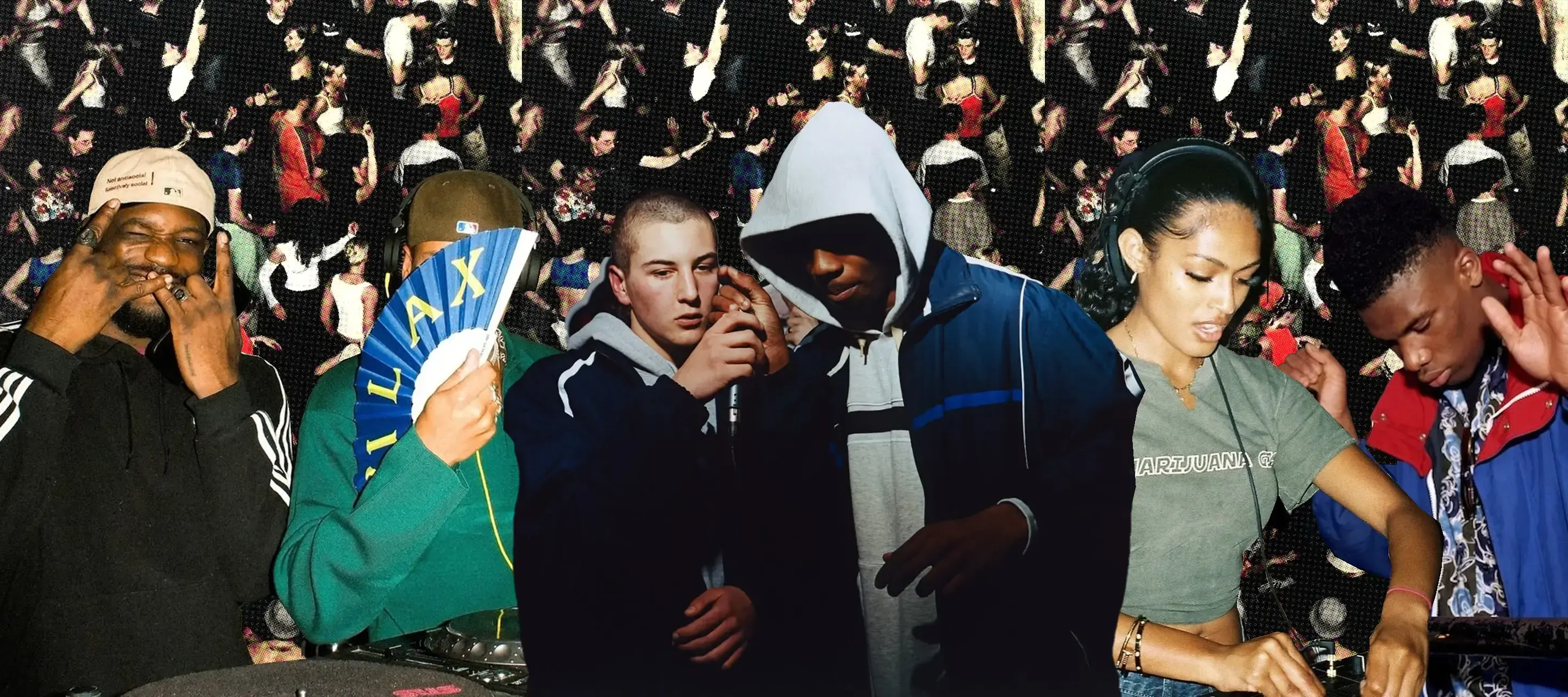
Then you turn a corner, and the parade gives way to a wall of speaker boxes. Every sound system has its own crew, its own musical identity, and a level of technical expertise that goes far beyond the DJ behind the decks.
This culture developed in Jamaica during the 1950s and travelled to Britain with Jamaican migration, eventually transforming British club audio and feeding directly into reggae, dancehall, jungle, garage, grime, and much of the country’s bass-driven music.
At Notting Hill Carnival, each system creates its own open-air club. One street might be locked into roots reggae and dub, with basslines given enough space to shake windows. Around the next corner, dancehall is faster and more direct: vocal riddims, quick transitions, and an MC speaking to the crowd. Lovers rock lowers the temperature, bringing the softer, romantic side of British-Caribbean reggae into the afternoon.
Visualizza questo post su Instagram
Keep walking, and the tempo changes again. Jungle, drum and bass, UK garage, house, grime, hip-hop, R&B, afrobeats, rare groove, disco, and Latin music each occupy their own pockets along the route.
The best way to experience it is to stop trying to cover everything. Choose a bassline, stay until the mood shifts, then let the next corner decide where to go.
What Does Playing Mas Mean?
The visual language of Notting Hill Carnival is mas, short for masquerade. Bands spend months developing themes and designing coordinated costumes featuring feathers, beads, wirework, sculpture, and references to history or fantasy.
To “play mas” is not simply to put on a costume: the wearer brings it to life through movement, transforming the parade into something between performance, celebration, and collective storytelling.
What Makes Notting Hill Carnival Unlike Any Other Festival?
The scale is spectacular, but it’s the smaller scenes that often stay with you. A stranger giving another stranger a two-second waistline tutorial. Friends disappearing near Ladbroke Grove and reuniting three hours later. Aunties who seem to have coordinated their dance routine months in advance. The smell of jerk chicken, fried plantain, patties, roti, and Trinidadian doubles becomes another way to navigate the route.
Notting Hill Carnival’s intimacy survives amid the noise: brief conversations, shared food, spontaneous dancing and the unusual ease with which complete strangers begin to treat one another like old friends.
Visualizza questo post su Instagram
Why Carnival Begins Long Before the Parade
Behind the two-day release is a year of dedication. Costume workshops, steel pan rehearsals, youth programmes, food vendors, sound crews, and community organisations keep Carnival alive long before the first truck hits the road.
You can feel that continuity in the mix of generations taking part: children learning the rhythms, teenagers joining bands, older relatives returning to the same corners, and families celebrating together year after year.
Notting Hill Carnival’s meaning lies not in the scale of a bank holiday celebration but in the relationships, labour, and cultural knowledge accumulated over decades.
Notting Hill Carnival Is the Sound of Modern London
Calling it another busy London weekend therefore misses most of the story. For two days, streets normally organised around traffic, property and routine are given over to sound, memory and encounter. Caribbean traditions are carried forward as they meet British club culture, African diasporic music, and new generations who inherit Carnival while adding something of their own.
You may arrive for the feathers, the food, or the promise of hearing a legendary sound system at full volume. You might leave with your ears ringing, your friends temporarily gone, and no idea which road you have ended up on.
Notting Hill Carnival shows what London sounds like when its communities take the lead.
Edoardo Passacantando
Editor, London





.jpg)
.gif)